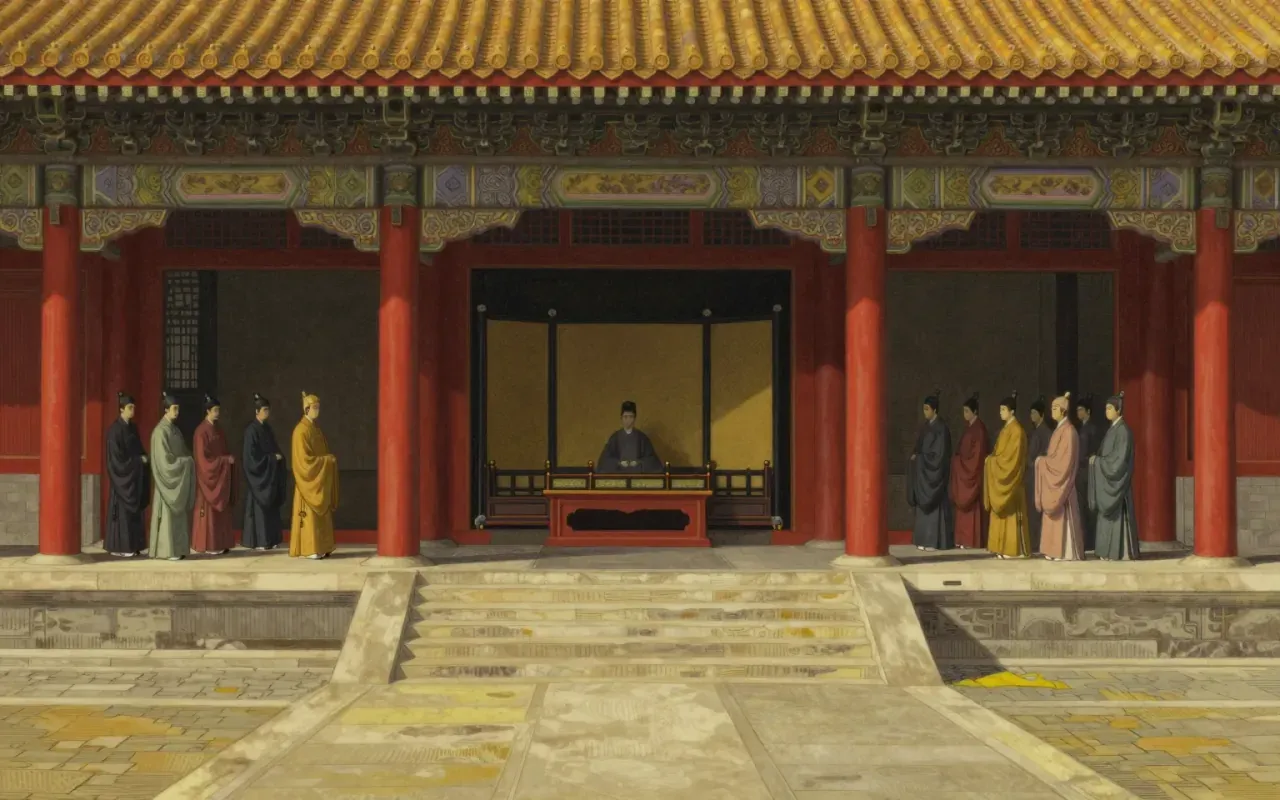
From palace concubine to the only woman to rule as emperor
Wu Zetian, born in 624, entered the court of Emperor Taizong as a concubine in 637 and, after his death in 649, returned to the palace under his son and successor, Emperor Gaozong, eventually displacing Empress Wang as empress consort by 655. Following Gaozong’s incapacitating stroke around 660, Wu took on growing responsibility for daily governance, and after his death in 683 she ruled as empress dowager and regent over her sons. In 690 she broke with all precedent and founded her own Zhou dynasty, taking the title of emperor in her own right, the only woman in Chinese history to do so, and ruled for fifteen years until she was deposed in 705, dying later that year at the age of eighty-one.
A record written by the dynasty she displaced
Much of the surviving account of Wu’s rise and rule comes from Confucian historians writing under the restored Tang dynasty after her fall, including the Old Book of Tang, compiled generations later. These histories reflect the perspective of a tradition committed to hereditary male succession and are noted by modern scholars for framing her dominance as an illegitimate overreach by its very nature, independent of her specific policies. The most damaging personal accusation against her, that she killed her own infant daughter to discredit a rival, does not appear in the record until roughly four centuries after the events it describes, a gap that has led modern historians to treat it with considerable caution rather than as established fact.
Sons, a stroke, and a widening path to power
Wu’s authority expanded gradually rather than through a single seizure of power. Gaozong’s stroke left him with headaches and impaired vision, and Wu assumed responsibility for handling petitions and daily administration, a role that grew so pronounced that by 664 the emperor reportedly considered deposing her before abandoning the idea after she pleaded her case directly. She and Gaozong became known together as the Two Saints, reflecting their joint public standing, and after his death in 683 she governed as regent for her sons before finally declaring herself emperor outright in 690, a slow accumulation of formal and informal authority spanning roughly three decades.
A dead infant daughter, and an accusation that took four centuries
Modern historians have specifically revisited the claim that Wu smothered her own daughter around 654 to blame Empress Wang and secure her own advancement, an accusation that surfaces only centuries later in the historical record rather than in accounts closer to the event. Given the period’s poor ventilation and use of coal heating, some modern historians consider natural causes, including asphyxiation, at least as plausible an explanation as deliberate killing. This reassessment does not exonerate Wu of ruthlessness generally, since she is separately documented as having orchestrated the execution of a chancellor who advised deposing her, but it does separate a specific, unproven charge from her broader, better-documented record of political manoeuvring.
Examinations opened, rivals silenced, an empire that still thrived
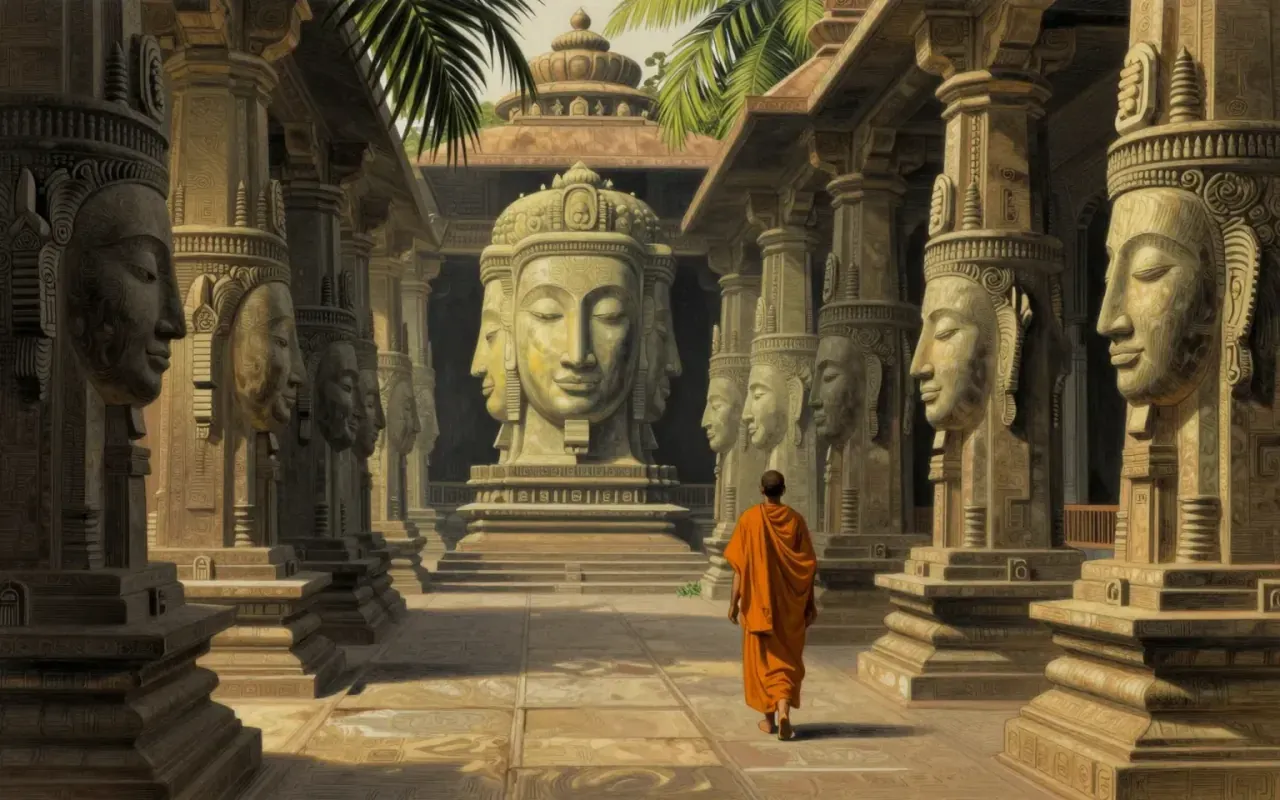
As emperor, Wu expanded merit-based civil service examinations, drawing administrative talent from outside the traditional aristocratic families who might otherwise have opposed a ruler outside the Li dynasty line, and she elevated Buddhism, funding temples and honouring senior monks. Her reign also relied on a system of denunciation, including copper mailboxes installed for citizens to report suspected disloyalty, and officials who used torture and false accusations against perceived rivals for roughly five years. Her forces also recovered several garrisons in the Western Regions from Tibetan control in 692, even as her later years, when she elevated favoured courtiers to high rank, contributed to the palace coup that ended her rule in 705.
Worth reading against the record’s own grain
Wu Zetian rewards close attention precisely because the traditional condemnation of her, as an illegitimate, murderous usurper, sits so awkwardly against a documented record of examination reform, sustained Buddhist patronage, and a reign that coincided with a genuine high point of Tang-era strength. Readers who know her mainly through the harsher, centuries-later Confucian portrait gain the most from seeing how much of that portrait rests on gendered assumptions about the illegitimacy of female rule itself, rather than on evidence contemporary to her lifetime, without needing to ignore the real repression her secret-police apparatus carried out along the way.