historybriefs
Topic

Gender

Roles, expectations and the fights over who assigns them.

5
in history
13:00
average
65 min
in total
63
across the network
Gender across the network →
All briefs5
13:00

Benazir Bhutto

1953–2007

Benazir Bhutto became the first woman to lead the government of a Muslim-majority country when she was sworn in as Pakistan's prime minister in December 1988 at thirty-five, following her father's execution and years of imprisonment and exile under military ruler Zia-ul-Haq. She served two terms, in 1988 to 1990 and 1993 to 1996, each ended by presidential dismissal over corruption allegations that later produced a 2003 Swiss conviction, and after a decade of exile she returned to Pakistan in 2007 only to be assassinated that December in Rawalpindi, an attack that killed roughly twenty others and whose exact circumstances remain disputed among competing forensic and investigative accounts.
13:00

Golda Meir

1898–1978

Golda Meir rose from a Milwaukee schoolteacher to Israeli labour minister, foreign minister and, from 1969, the country's fourth prime minister at seventy-one, a role in which she oversaw responses to the 1972 Munich Olympics massacre and the surprise Egyptian and Syrian attack that opened the 1973 Yom Kippur War. An official inquiry, the Agranat Commission, cleared her of direct responsibility for Israel's lack of preparedness, crediting her decision to approve full mobilisation despite political risk, but she resigned in April 1974 after her coalition lost seats, and historians generally judge her earlier work overseeing housing and immigration as more successful than her wartime premiership.

13:00

Nur Jahan

1577–1645

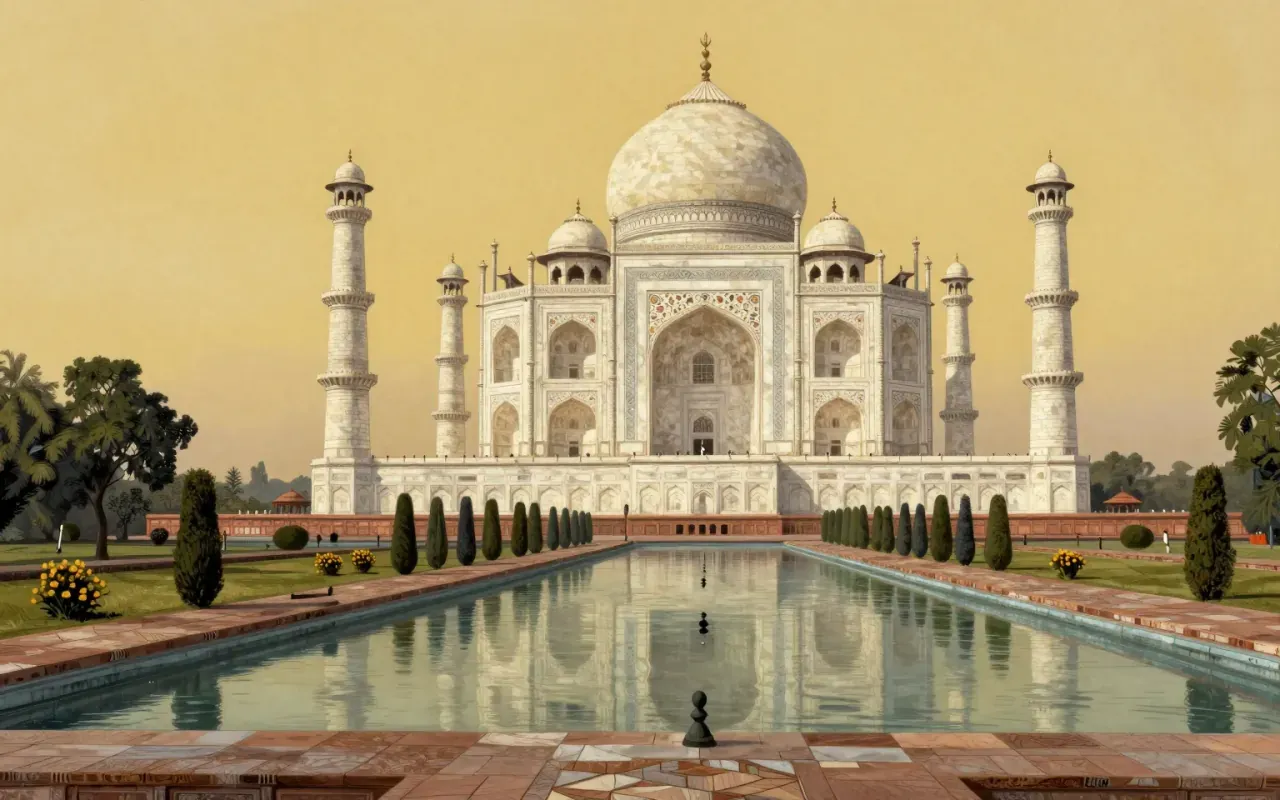
Nur Jahan, born Mehr-un-Nissa in 1577, became Emperor Jahangir's twentieth and last legal wife in 1611 and, through his dependence on opium and alcohol, accumulated genuine political authority, holding the imperial seal, minting silver rupees in her own name at Patna, and once leading troops on an elephant to rescue her captured husband in 1626. Her power collapsed after Jahangir's death in 1627, when her brother Asaf Khan backed her stepson Shah Jahan in the succession struggle, and she spent her remaining years under a comfortable but constrained house arrest in Lahore until her death in 1645.

13:00

Women's March on Versailles

5 October – 6 October 1789

On 5 October 1789, thousands of Parisian market women, angry over bread shortages, gathered at the Hotel de Ville and then walked six hours through rain to Versailles, followed by the National Guard under Lafayette. After a tense night, part of the crowd breached the palace at dawn, killing two royal guards, and by afternoon the royal family had agreed to relocate to Paris under guard, a move that ended Louis XVI's independence and dragged the National Assembly into the capital's orbit for good.

13:00

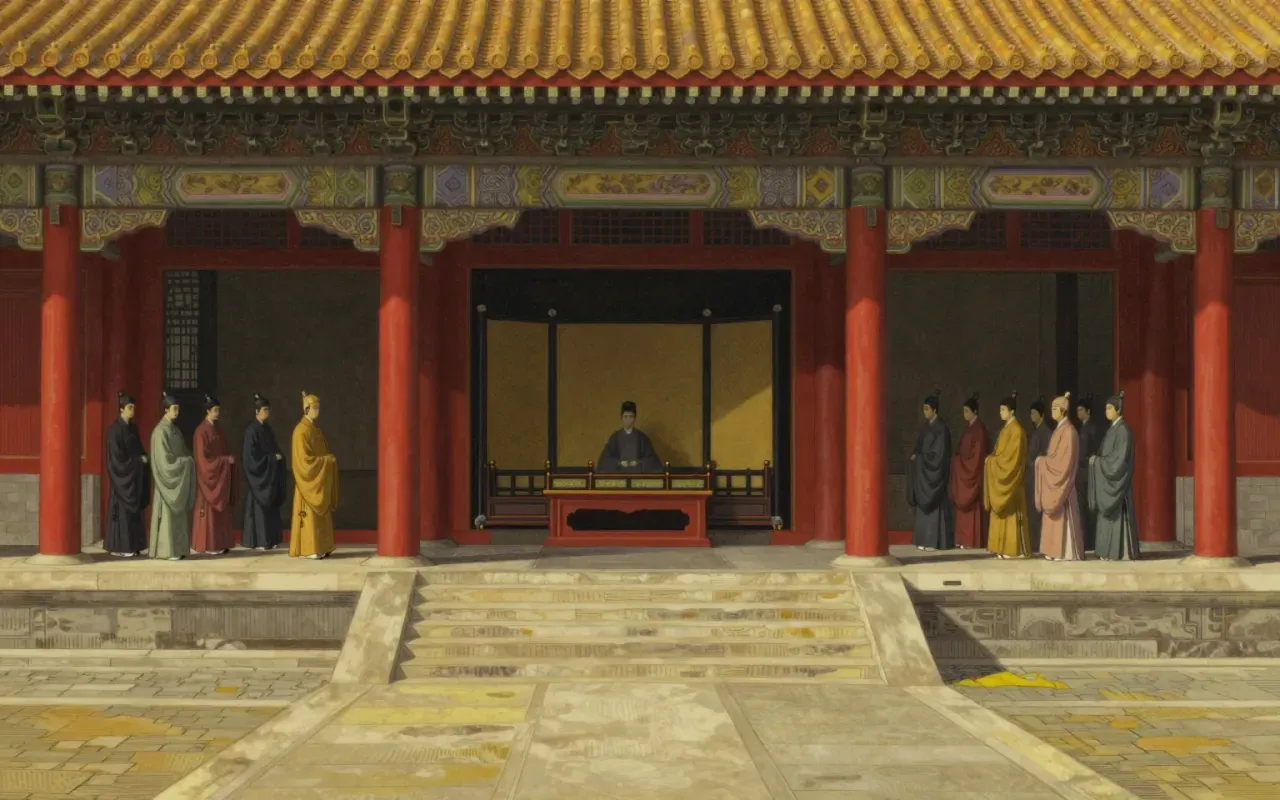
Wu Zetian

624–705

Wu Zetian rose from a concubine of Emperor Taizong to become, in 690, the only woman in Chinese history to rule in her own right as emperor, founding the short-lived Zhou dynasty after decades of steadily consolidating power under and then alongside Emperor Gaozong. Her fifteen-year reign expanded merit-based civil examinations, patronised Buddhism and coincided with a period of Tang cultural and political strength, though it was also marked by a secret-police apparatus that pursued rivals through denunciation and torture. She was deposed in 705 and died the same year, and traditional Confucian historians condemned her far more severely than modern scholars, who have reassessed several of the era's darker accusations against her.