Solferino, June 1859
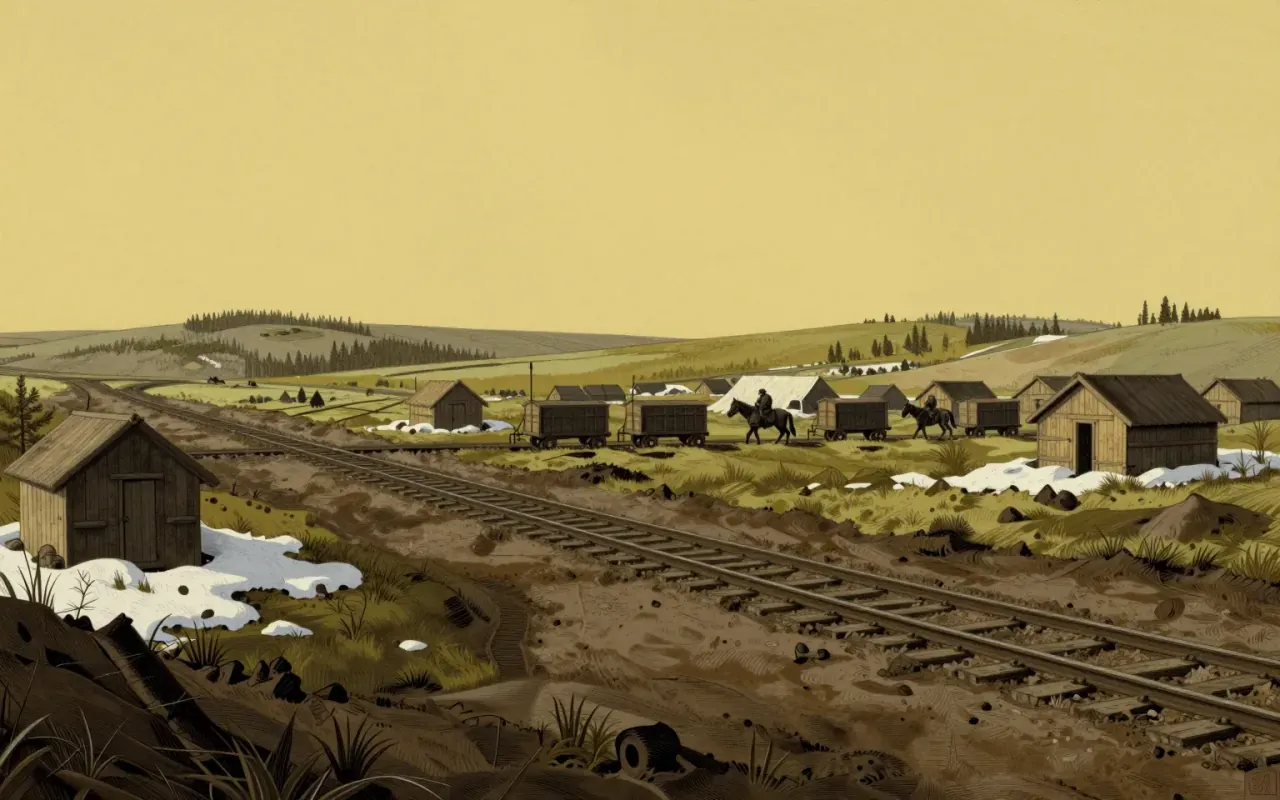
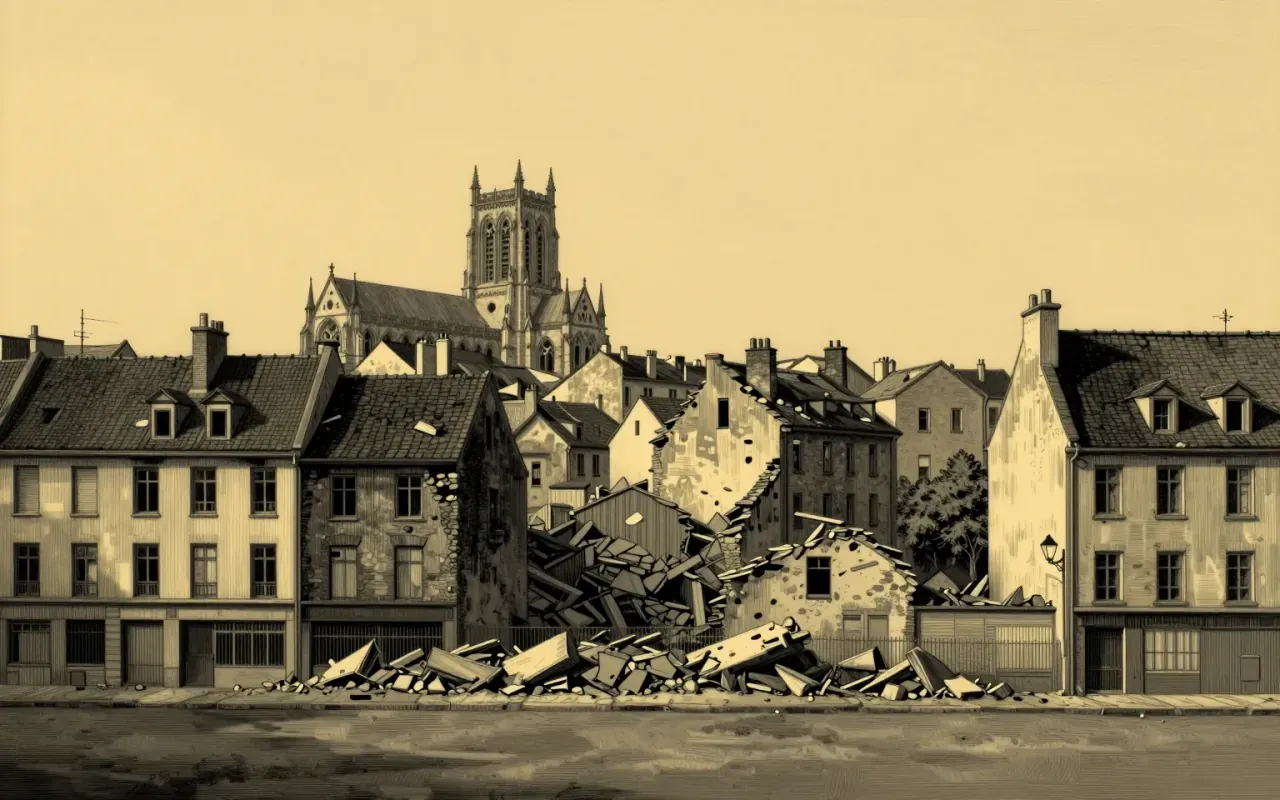
Henry Dunant, a Swiss businessman travelling on unrelated matters, arrived in the northern Italian town of Solferino on 24 June 1859, in the immediate aftermath of a major battle of the Second Italian War of Independence. He found roughly forty thousand wounded, dying, and dead soldiers with almost no organised medical care available to them. Rather than continue his journey, Dunant organised local civilians, particularly the women of the surrounding villages, to care for the wounded regardless of which army they had fought for, adopting the phrase tutti fratelli, meaning all are brothers, as the guiding principle of this improvised relief effort. That experience, and his sense that no institution existed to prevent this kind of chaos in future wars, shaped everything that followed.
A book, then a committee
Dunant returned to Geneva and set down his experience in a book, published in 1862 at his own expense in a run of 1,600 copies, arguing for national relief societies and international agreements to protect the wounded in future conflicts. The Geneva Society for Public Welfare discussed his proposals favourably in early February 1863, and a five-member committee, comprising Dunant, the lawyer Gustave Moynier, General Guillaume-Henri Dufour, and physicians Louis Appia and Théodore Maunoir, met for the first time on 17 February 1863. That meeting is treated as the founding moment of what became the International Committee of the Red Cross, an organisation built not from state initiative but from the sustained personal advocacy of one man following a single battlefield encounter.
A convention signed within two years
The committee moved quickly from idea to binding international law. An international conference held in Geneva in October 1863 drew thirty-six delegates representing fourteen states, and less than a year later, on 22 August 1864, twelve countries signed the first Geneva Convention, formally titled for the amelioration of the condition of the wounded in armies in the field. This was a genuinely rapid pace for the creation of new international legal obligations in this period, and it established a template, protection for the wounded and those caring for them, that has been extended and revised repeatedly since. By 1914, some forty-five national relief societies existed worldwide, evidence of how quickly Dunant’s original proposal had been adopted beyond Switzerland.
Neutrality by design
The ICRC’s continued ability to operate inside conflicts on all sides has depended heavily on a deliberately narrow structural choice: membership of its governing Assembly is restricted to Swiss citizens only, a rule intended to keep the organisation’s neutrality between combatants credible and verifiable rather than merely asserted. This mono-national governance structure is unusual among international humanitarian bodies and reflects a judgment that neutrality is more durable when it is built into an organisation’s legal structure than when it depends solely on the personal discretion of individual staff. The organisation’s Latin motto, Inter Arma Caritas, meaning charity amid arms, captures the same underlying claim: that humanitarian relief and armed conflict can coexist without one compromising the other.
Three Nobel Prizes, one confessed failure
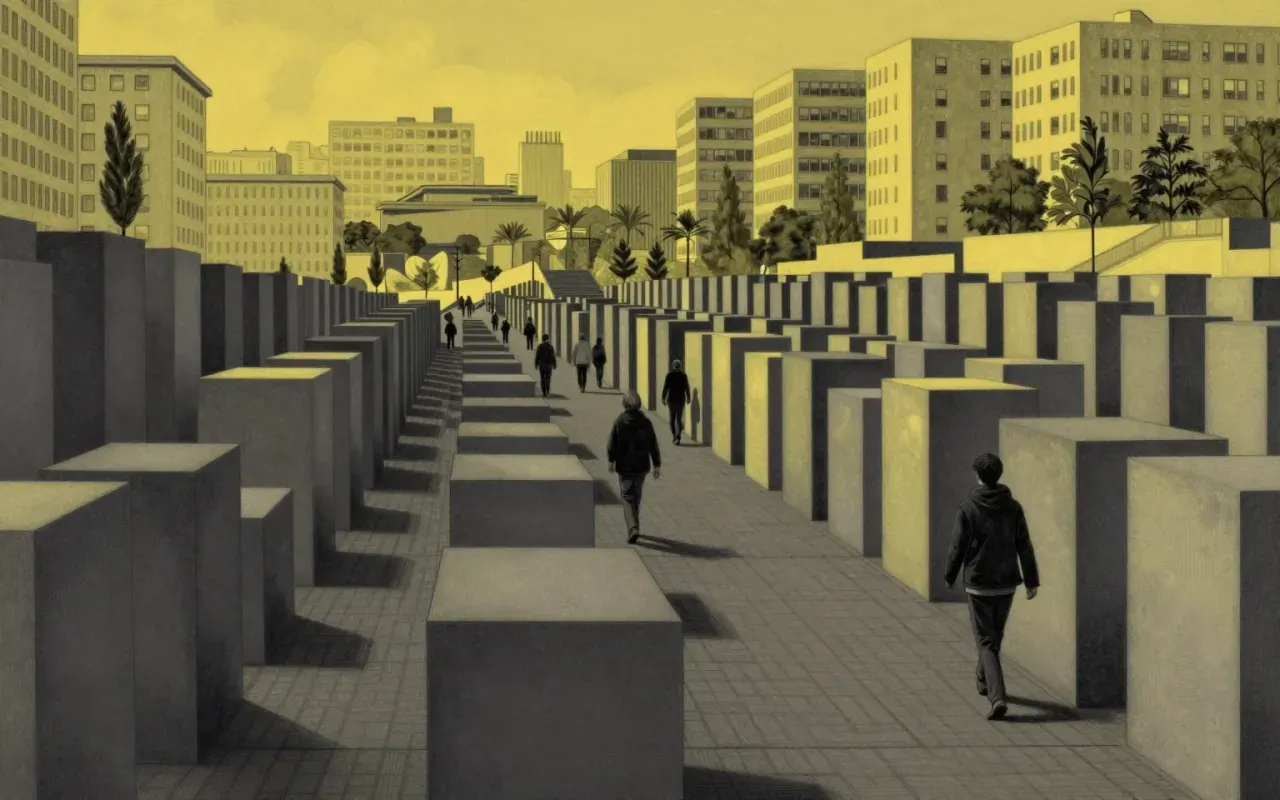
That neutrality has been recognised with three Nobel Peace Prizes, in 1917, 1944, and 1963, the last shared with the League of Red Cross Societies to mark the organisation’s centenary. But the same neutrality, and Swiss wartime policy more broadly, are cited as reasons the ICRC remained silent about the Holocaust even after its delegates had learned of Nazi persecution by November 1942. The organisation has since formally acknowledged this silence as, in its own words, the greatest failure in its history, and its then-president Cornelio Sommaruga apologised in person at Auschwitz during the fiftieth anniversary commemoration in 1995, stating that the failure would remain part of the ICRC’s institutional memory going forward.
Dunant’s ruin, and a prize of his own
Dunant himself did not remain with the organisation he had founded. A financial collapse in April 1867, when the Crédit Genevois bank failed, destroyed his personal fortune, and he resigned from the ICRC that August before being formally removed the following month; a Geneva trade court further condemned him for deceptive business practices in 1868. He then spent decades living in poverty and relative obscurity across Europe before receiving, in 1901, a share of the first Nobel Peace Prize ever awarded, alongside French pacifist Frédéric Passy. He kept the prize money, some 104,000 Swiss francs, largely untouched during his own lifetime and left it to charitable causes, a quiet final chapter for a man whose single battlefield experience had produced an institution still operating in roughly eighty countries today.