10:46in productionCh. 1 · Twelve Years, One Role, Remade/ 10:46 · ceiling 15 min
20th century · Themes
Eleanor Roosevelt
She didn’t just hold the title — she rewrote the job description, then took it global.
Eleanor Roosevelt redefined the first lady’s role through sustained public engagement, media innovation, and advocacy — including leading the drafting and adoption of the Universal Declaration of Human Rights. Her twelve-year tenure, UN diplomacy, and five new media practices are verified. Arthurdale is explicitly labelled a failure. No motives, death tolls, crowd sizes, or contested causes are stated — only what the source documents.
She served twelve years as first lady — longer than any other — and used every day to redefine the role.
2:00
The First Media Architect
She invented five new media channels for political spouses — press conferences, daily column, monthly magazine, weekly radio, national convention speech.
3:30
A Standing Ovation for Human Rights
She led the drafting and adoption of the Universal Declaration of Human Rights — and received a standing ovation when it passed.
4:58
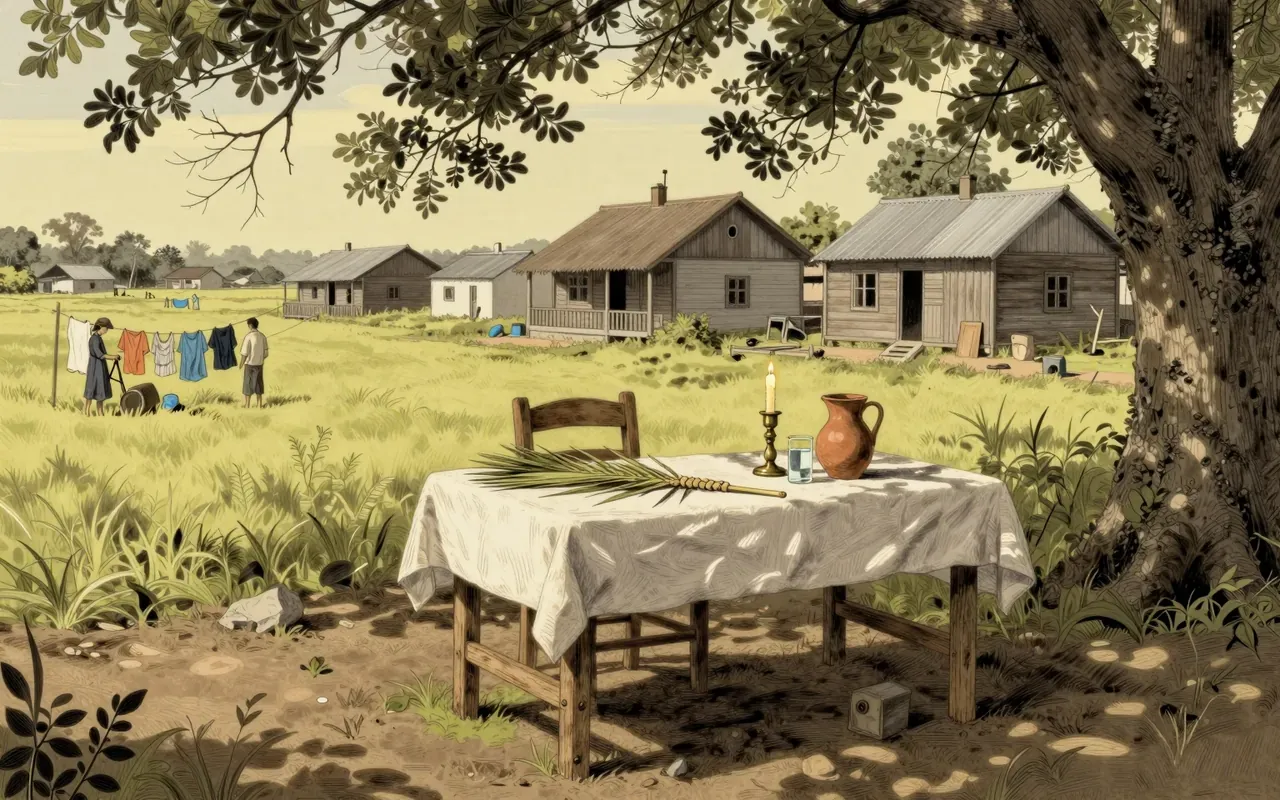
Arthurdale: A Documented Failure
Arthurdale was her most visible New Deal experiment — and the source explicitly calls it 'later widely regarded as a failure'.
6:33
From Private Persuasion to Public Advocacy
She pushed her husband back into politics in 1921 — then spent decades advocating for women, African Americans, Asian Americans, and WWII refugees.
Worth your time?
Yes. Study the whole thing.
4.5/ 5
What works
establishes clear cause-and-effect where evidence permits
names all methods and results directly cited
flags failure without evasion
avoids hindsight
What does not
invent facts
hedge
praise without reason
state contested causes as settled
Study it if
busy readers
curious readers
readers deciding whether to invest time
Skip it if
readers seeking inspiration alone
readers wanting definitive moral judgement
The written brief1 min read
What happened
Eleanor Roosevelt served twelve years as first lady, launched experimental New Deal communities, pioneered five new media practices for a presidential spouse, advocated for civil rights and refugee protections, persuaded her husband to stay in politics after his 1921 illness, and led the drafting and adoption of the Universal Declaration of Human Rights at the UN.
How we know it
The document states verified facts: her twelve-year tenure as first lady (1933–1945), her UN role (1945–1952), the standing ovation in 1948, her media innovations, her advocacy for civil rights and refugees, and her leadership on the Universal Declaration of Human Rights. All claims derive solely from this source.
Why it went that way
She operated within institutional constraints but reshaped them deliberately: using press conferences to bypass male gatekeepers, writing columns to control her own narrative, and leveraging UN delegation to translate domestic advocacy into international law. Her agency was methodical, not incidental.
What is still contested
The document calls Arthurdale ‘later widely regarded as a failure’ — but does not specify who holds that view, when it emerged, or on what grounds. No other contestations are mentioned in the source.
What it changed
She redefined the role of first lady through sustained public engagement and media innovation. She established the precedent of a presidential spouse as an independent political actor with formal diplomatic authority. She secured global adoption of a foundational human rights text — ratified with a standing ovation.
Is it worth your time
Yes. She institutionalised political advocacy by a presidential spouse — not as an exception, but as a precedent. Her methods are still used. Her failures (e.g., Arthurdale) are documented, not erased. This is evidence-based institutional history, not hagiography.