historybriefs
Topic

The civil rights movement

A decade of organised pressure that changed what American law would say.

8
in history
10:56
average
88 min
in total
62
across the network
The civil rights movement across the network →
All briefs8
9:32

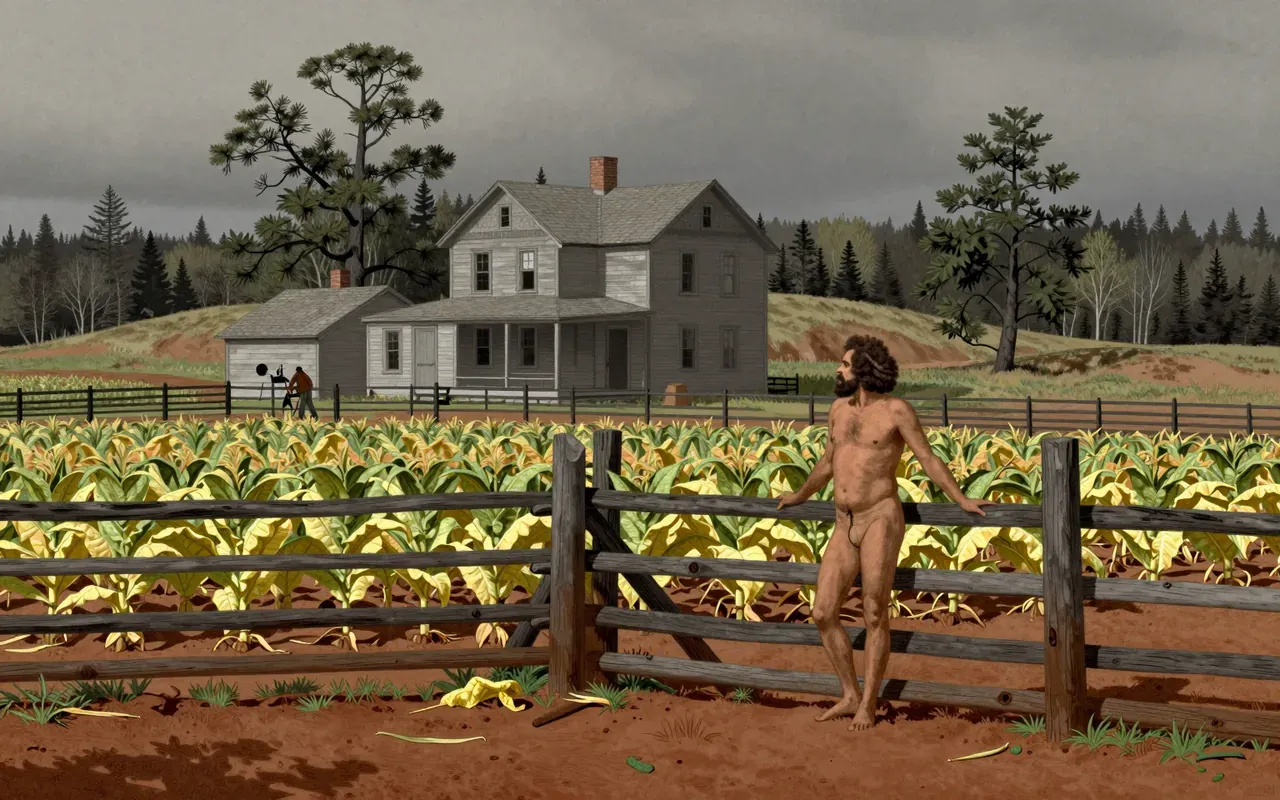
Cesar Chavez

1965–1970

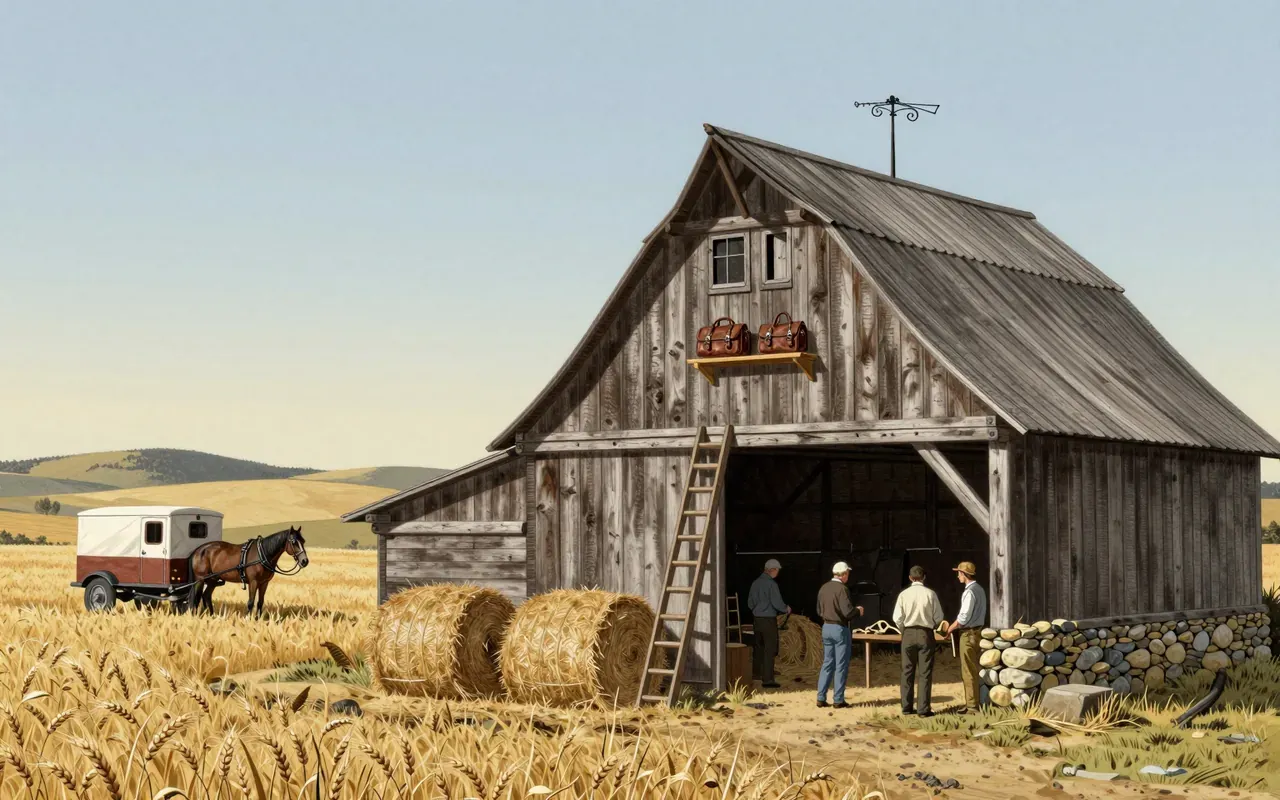
Cesar Chavez co-founded the National Farm Workers Association in Delano, California in 1962. He launched an insurance scheme, credit union, and El Malcriado newspaper. He led the Delano grape strike from 1965 to 1970. His NFWA merged with Larry Itliong’s Agricultural Workers Organizing Committee in 1967 to form the United Farm Workers. He used nonviolent resistance — picketing, boycotting, public processions, Masses, and fasts — inspired by Gandhi and infused with Catholic symbolism. In the early 1970s, he opened UFW branches outside California.
9:51

Clara Barton

April 19, 1861

Clara Barton’s documented life establishes a direct line from childhood caregiving to wartime triage to institutional foundation — all without formal credentials, and all before women held civic power. The record shows method, scale and timing — but nothing about dissent, implementation, or impact beyond founding.

10:46

Eleanor Roosevelt

1933 to 1945

Eleanor Roosevelt redefined the first lady’s role through sustained public engagement, media innovation, and advocacy — including leading the drafting and adoption of the Universal Declaration of Human Rights. Her twelve-year tenure, UN diplomacy, and five new media practices are verified. Arthurdale is explicitly labelled a failure. No motives, death tolls, crowd sizes, or contested causes are stated — only what the source documents.

11:19

Frederick Douglass

Douglass didn’t rise by inspiration—he built his authority brick by brick: a fist, a book, a constitution, a sentence.
9:40

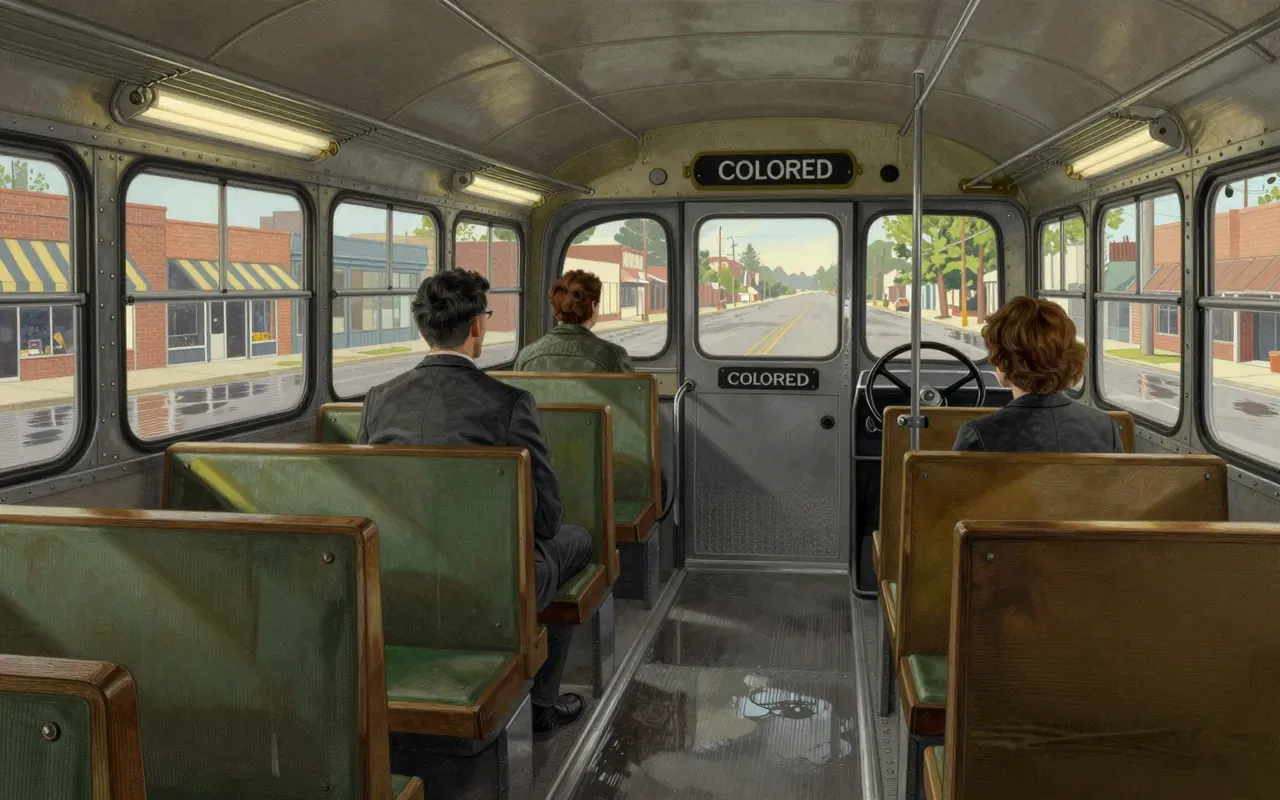
Rosa Parks

Rosa Parks didn’t sit down by accident — she sat down to start a war of attrition against segregation, and won.
10:22

Thurgood Marshall

Marshall didn’t just win cases — he rebuilt how courts measure equality, one plain-spoken, evidence-led opinion at a time.
13:00

American Civil War

1861–1865

The American Civil War, fought from 1861 to 1865 after eleven Southern states seceded following Abraham Lincoln's election, killed an estimated 616,000 to over a million people through combat, disease and civilian and enslaved deaths whose exact toll remains genuinely uncertain, and ended with Confederate surrender, the abolition of slavery, and a Union preserved under expanded federal authority. Modern historians overwhelmingly identify slavery as the war's central cause, a conclusion the seceding states' own secession documents support directly, in explicit contrast to the later Lost Cause narrative that denied it.

13:00

Assassination of Martin Luther King Jr.

4 April 1968

Martin Luther King Jr. was shot at the Lorraine Motel in Memphis on 4 April 1968 and died within the hour. James Earl Ray was captured two months later, pleaded guilty, and then recanted within days, spending decades unsuccessfully trying to withdraw his plea. A 1999 civil trial found a Memphis businessman and unnamed others liable for a conspiracy in King's death, a verdict that carried no legal effect on Ray's conviction and left the case formally split between two contradictory findings.