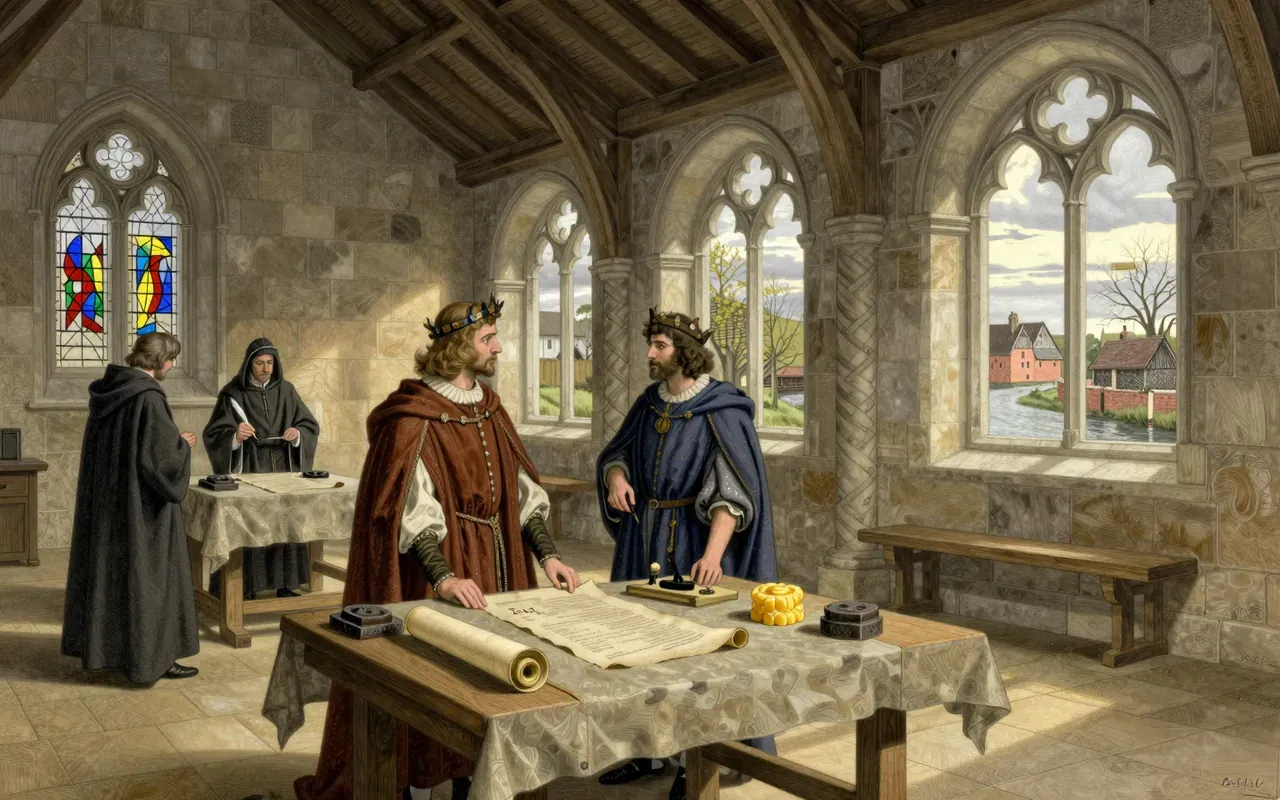
John, King of England
1166/7–1216
John’s reign is the hinge between Angevin transnational rule and English constitutional monarchy — but only because the record shows it collapsed under its own weight, not because John was uniquely flawed.
A thousand years that were neither dark nor a single thing.
John’s reign is the hinge between Angevin transnational rule and English constitutional monarchy — but only because the record shows it collapsed under its own weight, not because John was uniquely flawed.
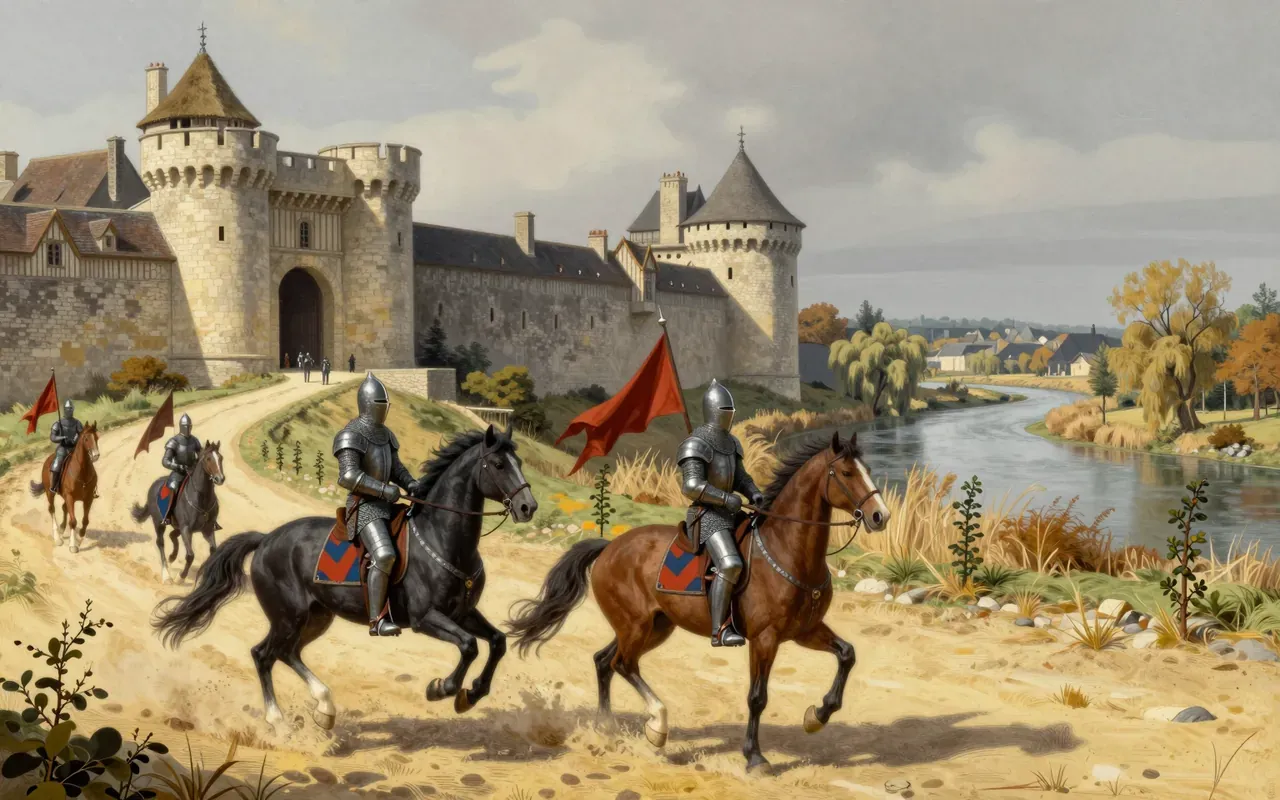
William the Conqueror is the founding figure of Norman rule in England. The source documents his titles, dates, military action, coronation, suppression of revolt, and commissioning of the Domesday Book. It makes no claims about motive, ideology, resistance scale, or cultural impact beyond administration. It treats consolidation as chronological fact — not contested process.
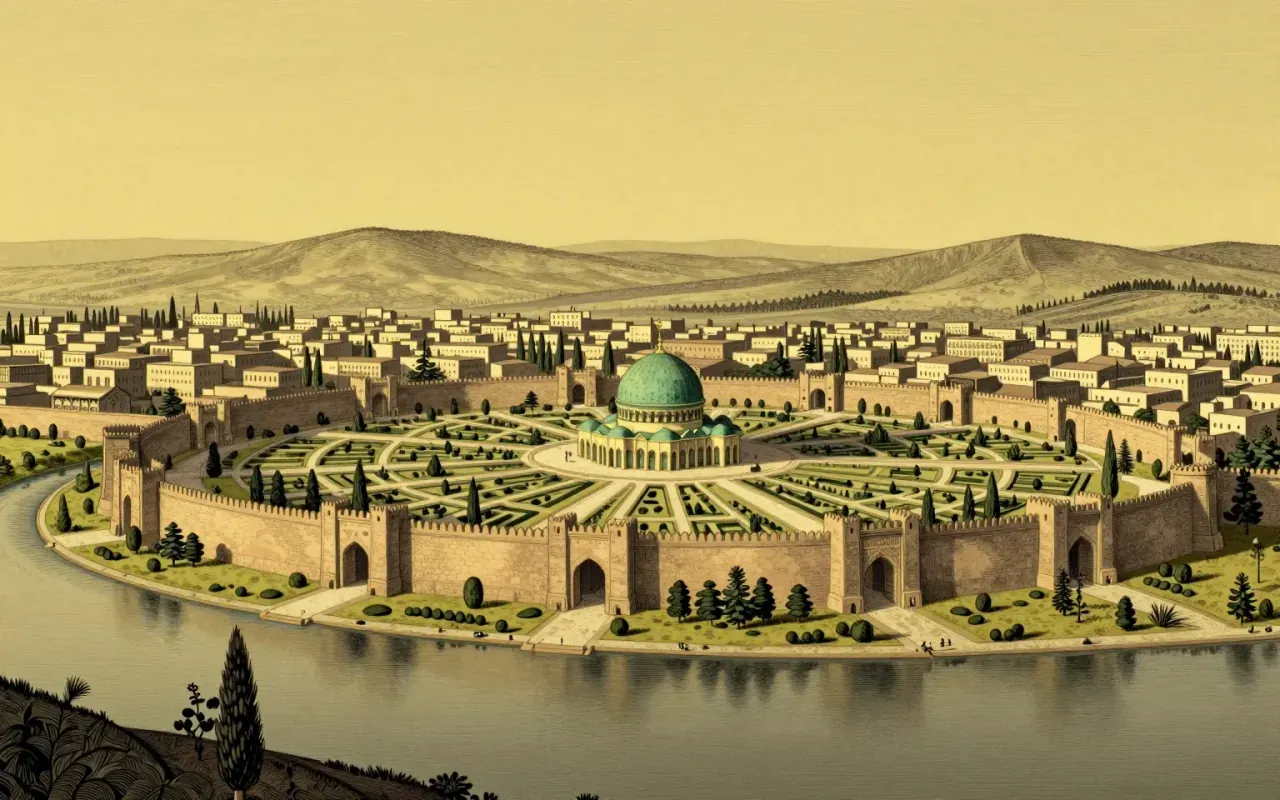
Harun al-Rashid became the fifth Abbasid caliph in 786 and ruled from Raqqa for most of his reign, exchanging gifts with Charlemagne's court and presiding over the beginnings of the Islamic Golden Age. His sudden purge of the powerful Barmakid family around 803 remains unexplained even in contemporary sources, and his decision to split succession between two sons collapsed into civil war within a decade of his death. His court became fixed in popular memory through a legendary story collection with little basis in the documented record.
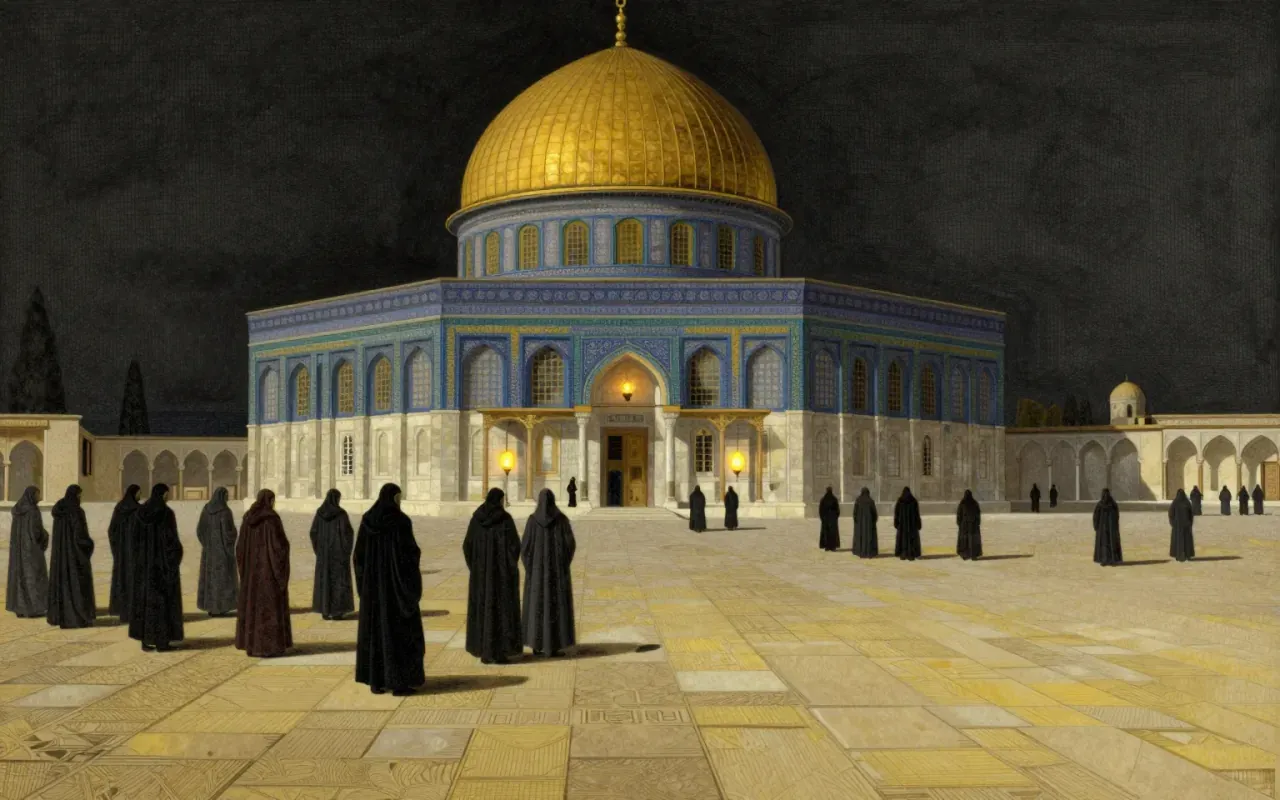
Grandson of the Prophet Muhammad, Husayn ibn Ali lived quietly under a peace agreement with the Umayyad caliphate for nearly two decades before refusing to submit to the caliph's chosen heir in 680. His march toward promised support in Kufa ended in his death at Karbala, an episode reconstructed almost entirely through a single early historian working within about twenty years of the events. His killing transformed a political dispute over leadership into the founding martyrdom of Shia Islam, still commemorated annually by tens of millions.
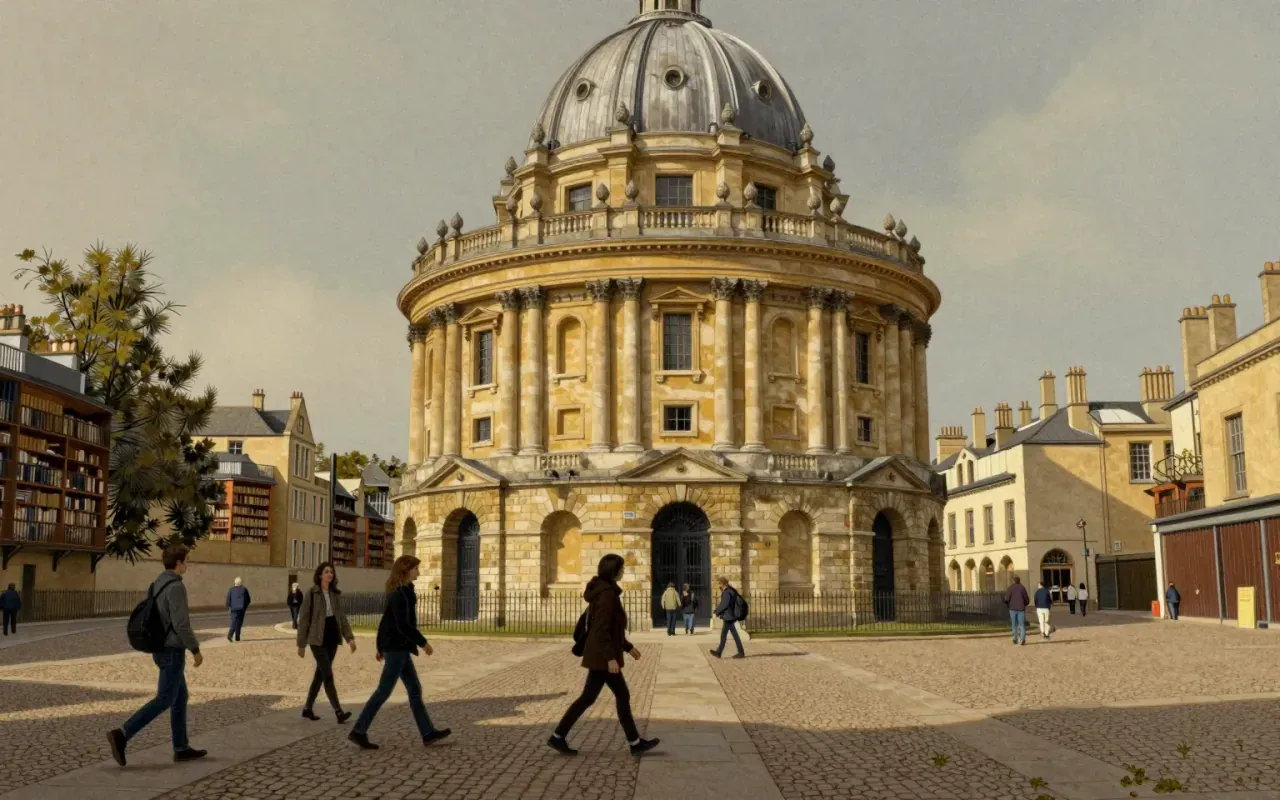
Oxford has no clean founding date, with teaching documented there as early as 1096, but its rapid growth followed a 1167 decision by Henry II to bar English students from studying in Paris. A deadly town-versus-gown dispute in 1209 drove some scholars to flee and found what became the University of Cambridge, while Oxford itself gained a chancellor by 1214 and a royal charter in 1248. The university sided with the Crown during the English Civil War while the town backed Parliament, endured religious upheaval during the Reformation, and continued reforming into the twentieth century, introducing the doctorate of philosophy only in 1917.

The Nabataeans, an Arab people whose origins scholars no longer trace to Aramean roots, built Petra into a thriving trading city that reached a population of roughly twenty thousand in the century before Rome annexed it in 106. A 1964 discovery of Nabataean inscriptions established the city's original name as Raqmu, and after earthquake damage and the decline of the trade routes it depended on, Petra faded from written record by the seventh century until the Swiss traveller Johann Ludwig Burckhardt, disguised as a local, rediscovered it for European scholarship in 1812.
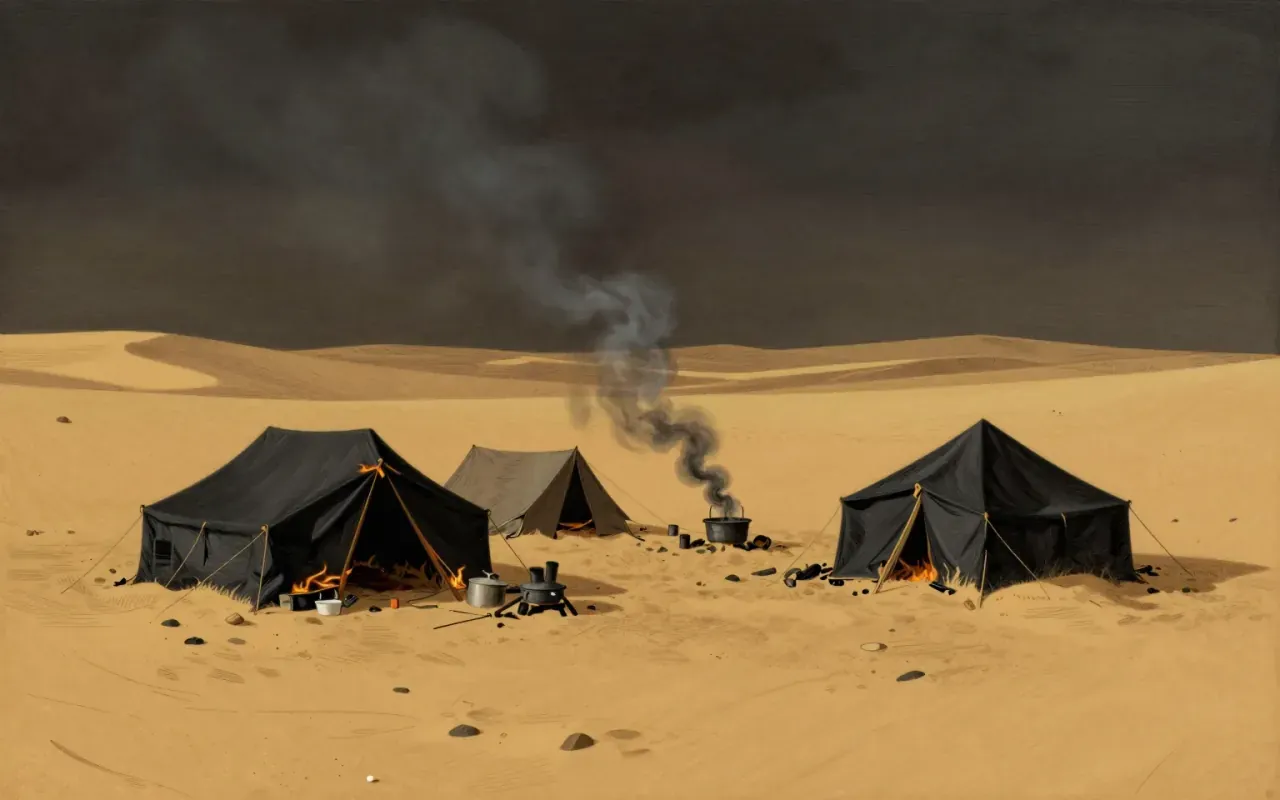
In 680, Husayn ibn Ali, grandson of the Prophet Muhammad, was intercepted and killed near Karbala after marching toward Kufa on the promise of support that failed to materialise. The core account descends from a single compiler working within two decades of the battle, preserved through later historians, and shows signs that soldiers from the winning army softened the record out of guilt. The killing transformed a political dispute over leadership into the foundation of a distinct Shia religious identity, still commemorated annually by tens of millions.
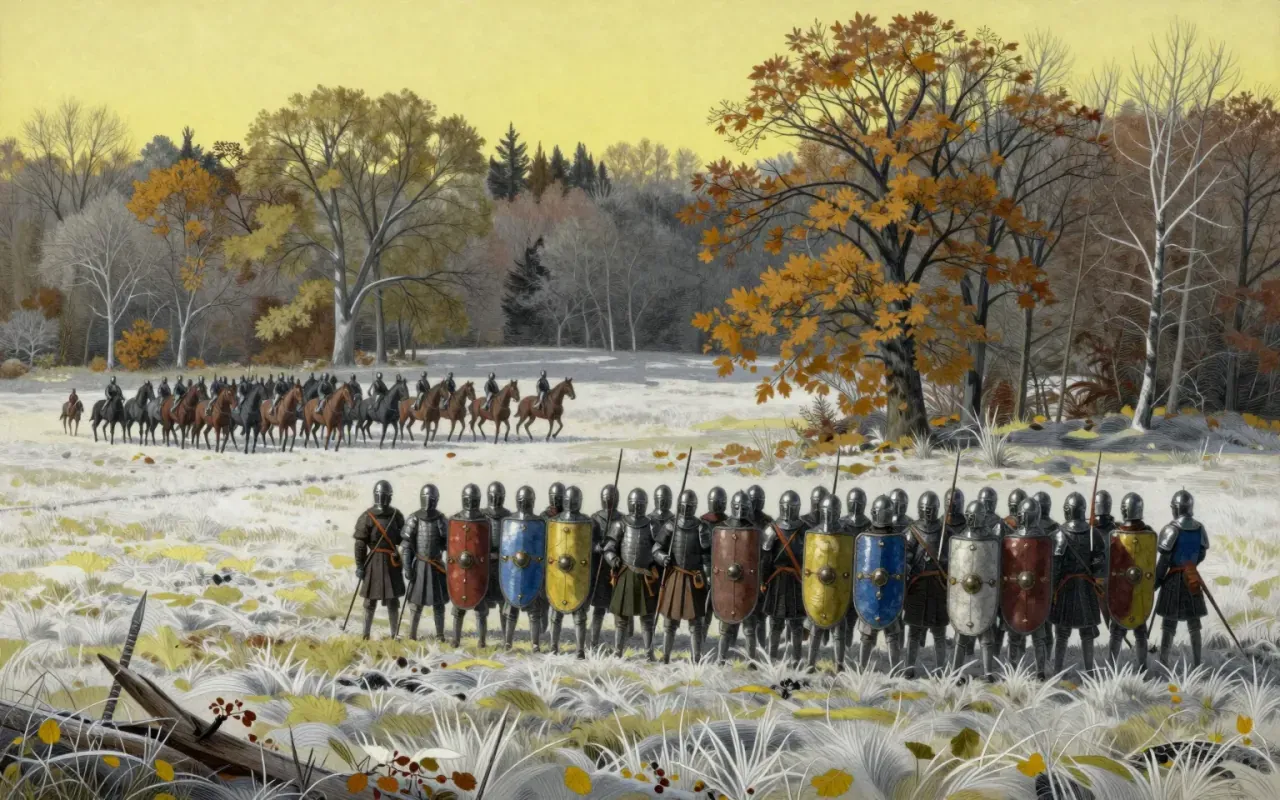
In October 732, Frankish infantry under Charles Martel held off an Umayyad raiding force near Tours, and the death of the Umayyad commander during the fighting prompted a withdrawal rather than renewed battle. Modern estimates put both armies far below the inflated figures later chroniclers reported, and the notorious casualty count of hundreds of thousands appears to have been recycled from an earlier battle at Toulouse. Historians remain sharply divided over whether the battle saved European Christendom or has been dramatically overstated as a mostly local, if consequential, Frankish victory.
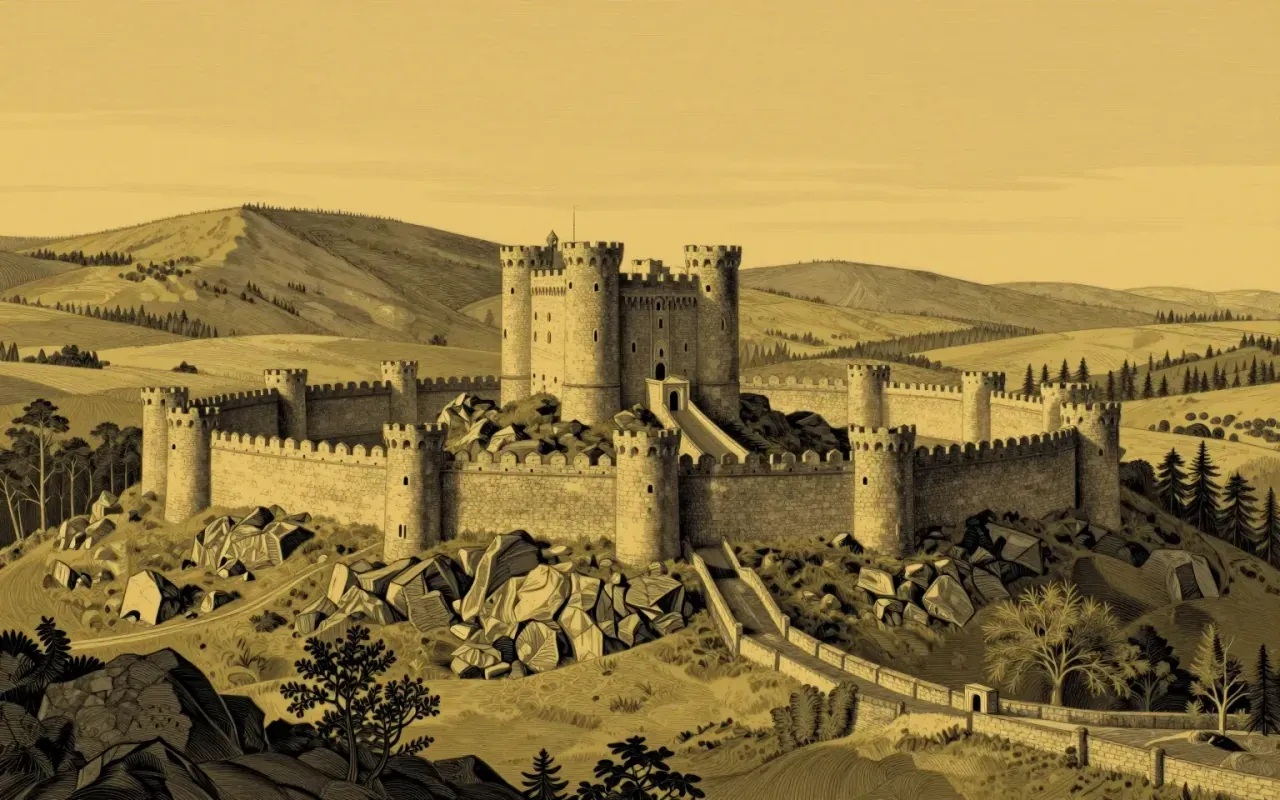
The First Crusade established four Christian territories in the eastern Mediterranean between 1098 and 1109: Edessa, Antioch, Tripoli and the Kingdom of Jerusalem, which survived until the Mamluks captured the last mainland strongholds in 1291. Their persistence for nearly two centuries owed as much to divisions between Sunni and Shia Muslim powers as to Crusader strength, and historians have long debated whether nineteenth-century comparisons of these states to modern European colonies hold up under scrutiny.
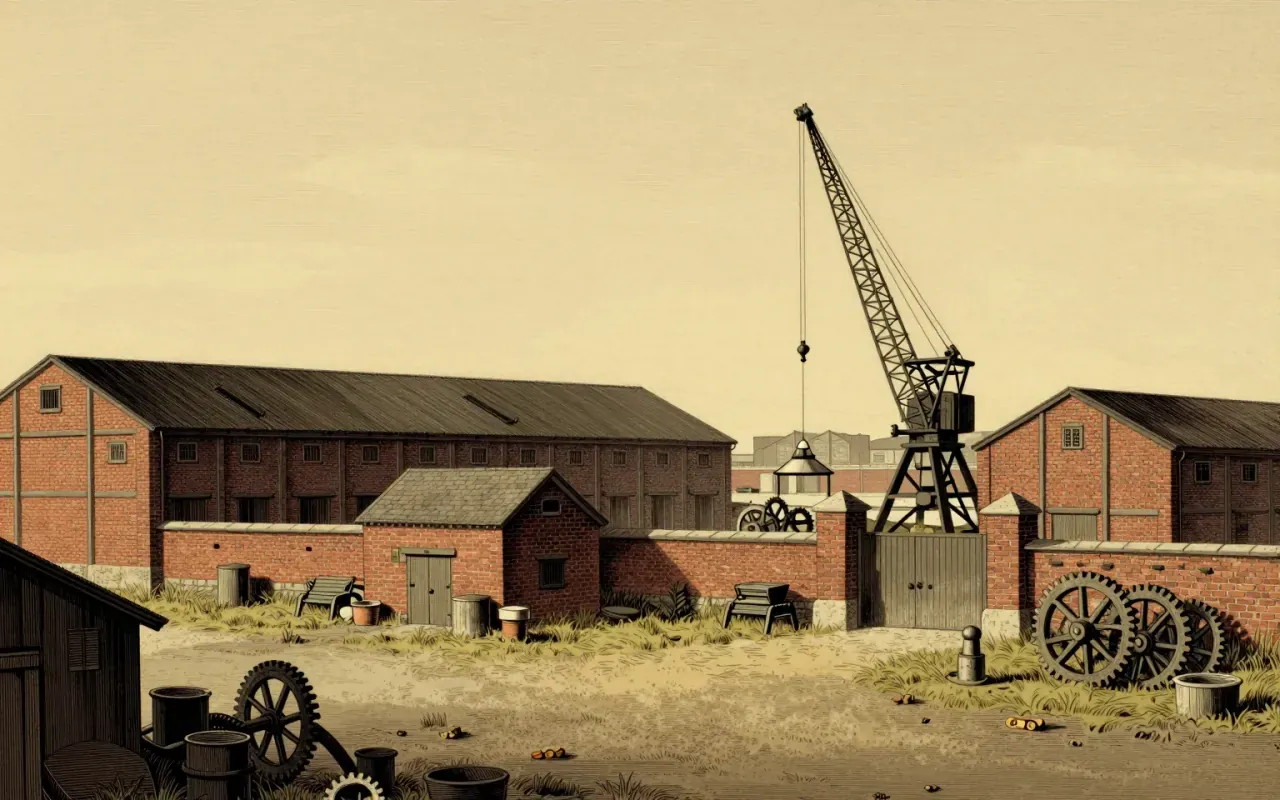
The Hanseatic League grew out of merchant guilds in northern German towns, loosely bound by shared trading privileges rather than any central government, with Lübeck as its de facto leader from the mid-fourteenth century. At its height after the 1370 Treaty of Stralsund it could blockade cities and win wars, running trading posts from Novgorod to London. Dutch and English competition, the closure of its Russian outpost, and the shift of trade toward the Atlantic wore it down over three centuries, and its last formal assembly met in Lübeck in 1669, with no single act ever declaring it ended.
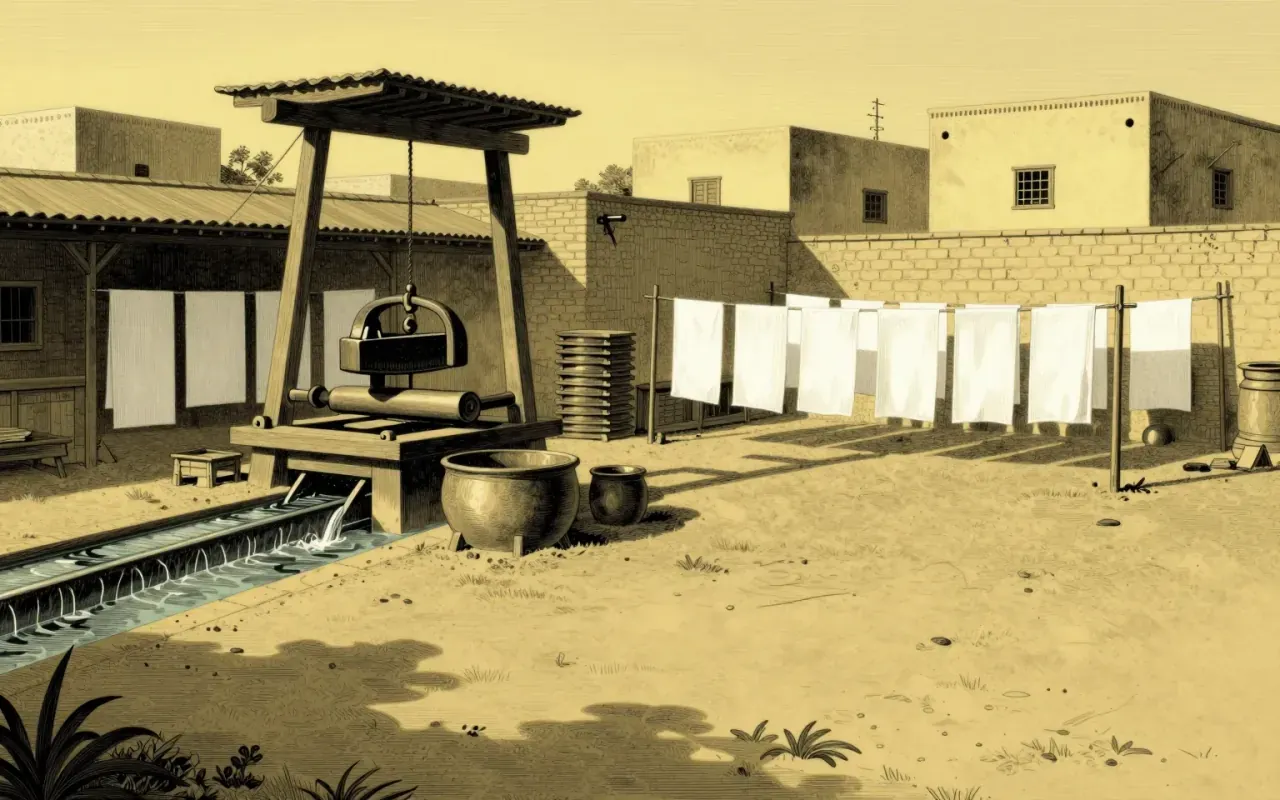
Tradition places the founding of Baghdad's House of Wisdom under the eighth-century Abbasid caliphs, reaching its peak as a centre of translation and original scholarship under al-Ma'mun before its supposed destruction in the 1258 Mongol siege. Modern historians, led by Dimitri Gutas, have challenged whether it existed as the formal academy popularly described, noting that the name barely appears in Abbasid-era sources and that the grand image may have been built up by nineteenth-century Orientalist scholarship. Real translation and original research undoubtedly took place in Baghdad; its precise institutional shape remains genuinely disputed.
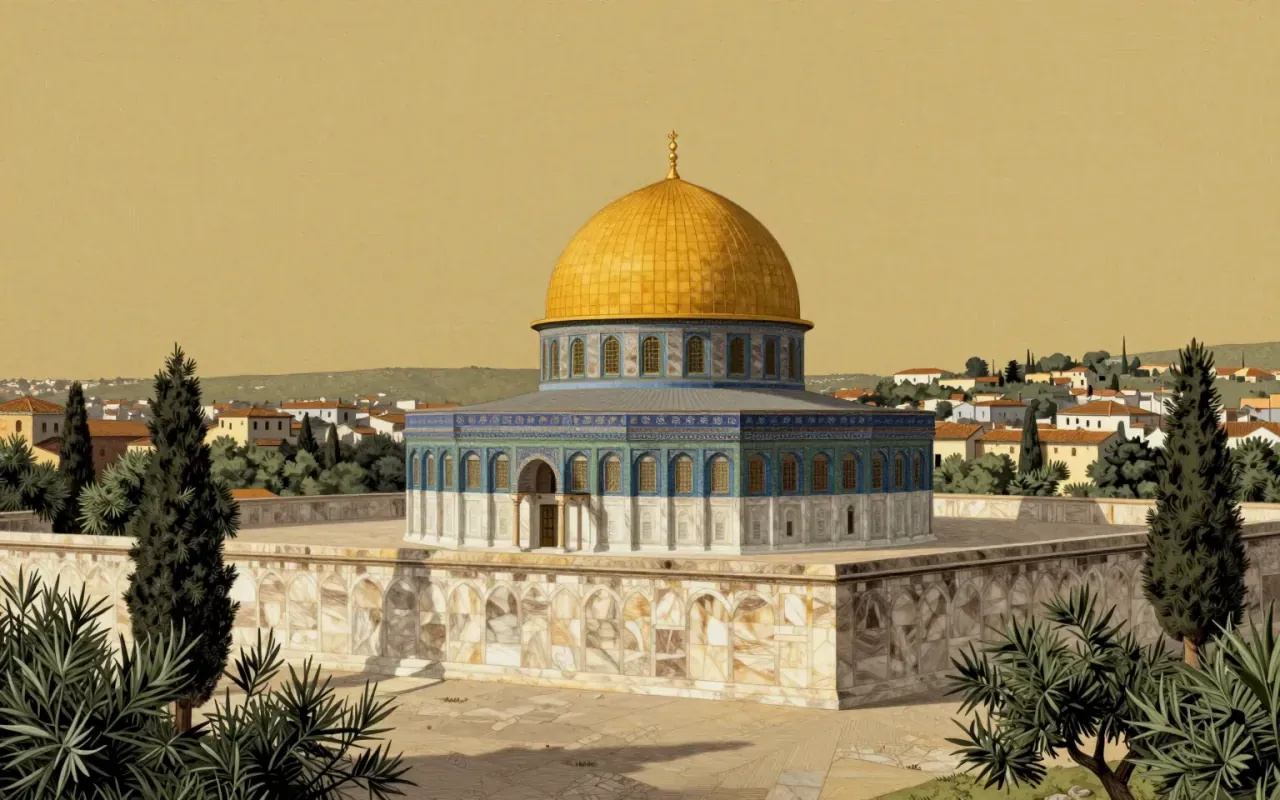
After Ali's assassination ended years of civil war in 661, the Syrian governor Muawiya secured the caliphate through political patience and a well-organised private army rather than religious authority, then broke precedent by nominating his own son as hereditary successor. Later Umayyad caliphs expanded the empire to its greatest extent before the dynasty was overthrown by the Abbasids in 750. Much of the surviving historical record was compiled under that successor dynasty, giving Muslim historiography clear incentive to emphasise Umayyad injustice over administrative achievement, a bias historians now correct using coins, inscriptions and rarer outside sources.
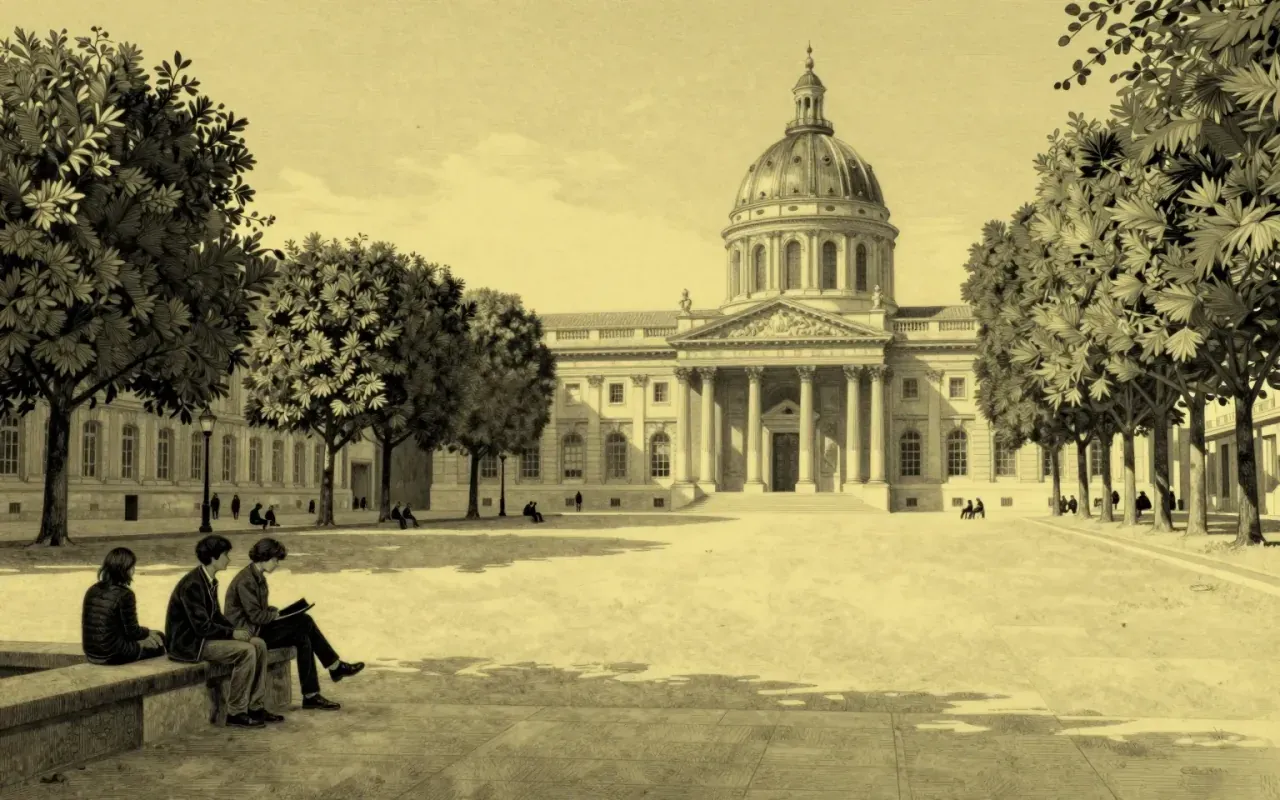
The University of Paris grew out of a twelfth-century cathedral school and was formally recognised by King Philip II in 1200, becoming the model medieval European university and drawing scholars into faculties of arts, law, medicine, and theology organised by nation of origin. Robert de Sorbon's 1253 theological college for poor students gave the whole institution its popular name. The French Revolution abolished the university outright in 1793, Napoleon restored a version of it in 1806, and the student unrest of May 1968 led directly to a 1970 law that split what remained into thirteen separate, autonomous universities.

Thomas Aquinas joined the Dominican order against his family's fierce opposition and spent his career reconciling newly rediscovered Aristotelian philosophy with Christian theology, chiefly in his unfinished Summa Theologiae. Most of what is known about his life comes from testimony gathered decades later for his canonisation, and his sudden 1273 decision to stop writing before his death the following year remains genuinely unexplained.