No single founding moment
Oxford has no single, agreed founding date, a fact that distinguishes it from institutions established by a specific charter or royal decree on a known day. What can be said with more confidence is that organised teaching was already taking place there by 1096, making Oxford one of the oldest universities in the world still operating without interruption since its earliest documented activity. This gradual, undocumented emergence was typical of the period: Oxford grew organically out of the wider network of Catholic educational institutions across Western Europe rather than being deliberately founded by any single pope, king, or bishop acting with the specific intention of establishing a new university on a particular date.
A ban on Paris fills Oxford instead
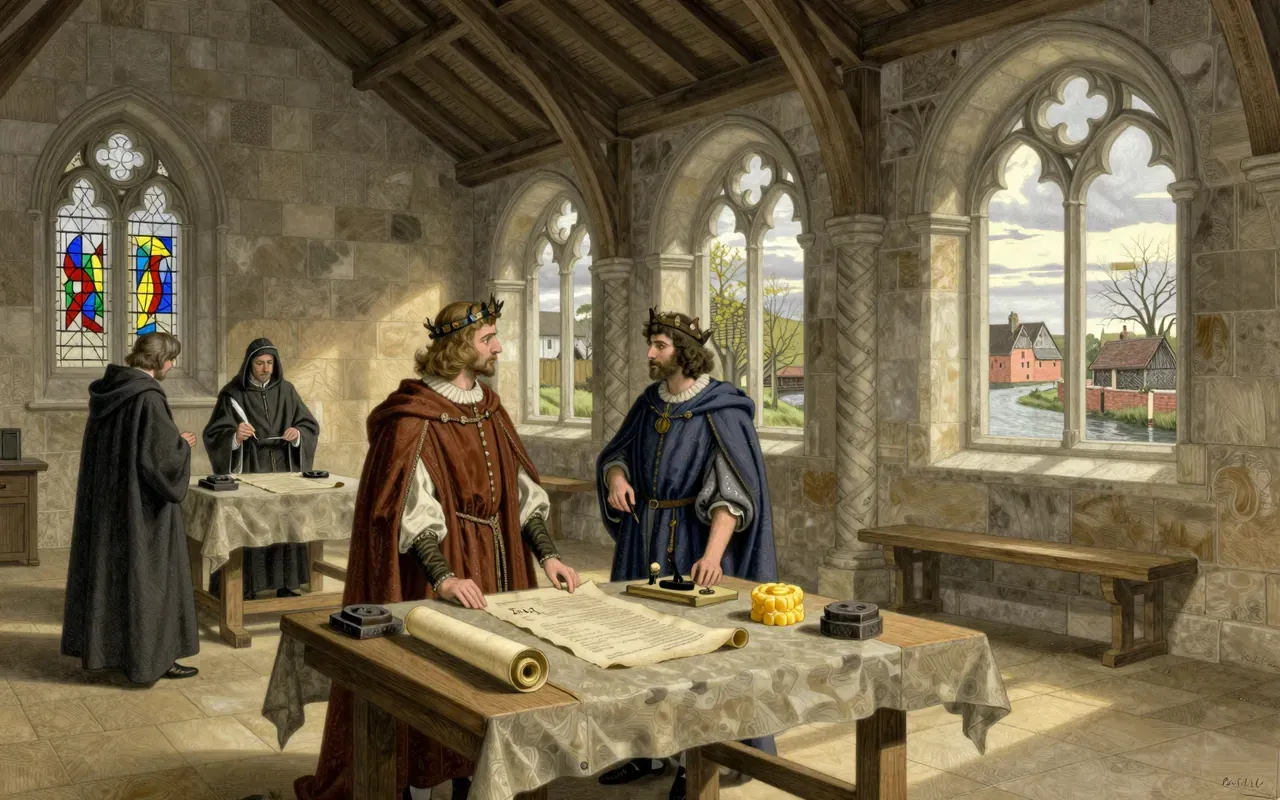
Growth accelerated sharply after 1167, when King Henry II barred English students from attending the University of Paris, a decision whose underlying causes are not detailed in the source material but whose effect was to send students who would otherwise have studied abroad back into England instead. Many gathered at Oxford, and the resulting community grew quickly enough to acquire real institutional structure within a few decades: a chancellor led the university by 1214, and by 1231 its masters had gained formal recognition as a corporation with defined legal standing. Royal recognition followed in 1248, when Henry III granted Oxford its royal charter, giving the university a secure institutional foundation independent of any single benefactor’s continued goodwill.
A riot founds a rival university
Oxford’s early growth was not free of serious conflict with the town around it. A violent dispute between students and townspeople in 1209 proved serious enough that some academics chose to flee the resulting unrest entirely rather than remain in Oxford, relocating to Cambridge, where they went on to establish what became the University of Cambridge that same year. This episode set a pattern of recurring tension between town and gown that would resurface at various points in Oxford’s later history, and it stands as a striking example of how a single local conflict, rather than any deliberate policy of academic expansion, could produce an entirely new and lasting institution in English higher education.
Chancellors, charters, and colleges
The medieval college system that gives Oxford much of its distinctive character developed through private benefaction rather than central university planning. William of Durham endowed what became University College in 1249, and John Balliol’s family founded the college that bears their name shortly afterward. Walter de Merton’s regulations for his own foundation, Merton College, proved especially influential, becoming a model not only for later Oxford colleges but for colleges at Cambridge as well. Each college functioned as a largely self-contained community with its own endowment, buildings, and internal governance, a structure that let Oxford expand its capacity for teaching and housing students without requiring the university’s central administration to fund or manage every new institution directly.
Town for Parliament, gown for the King
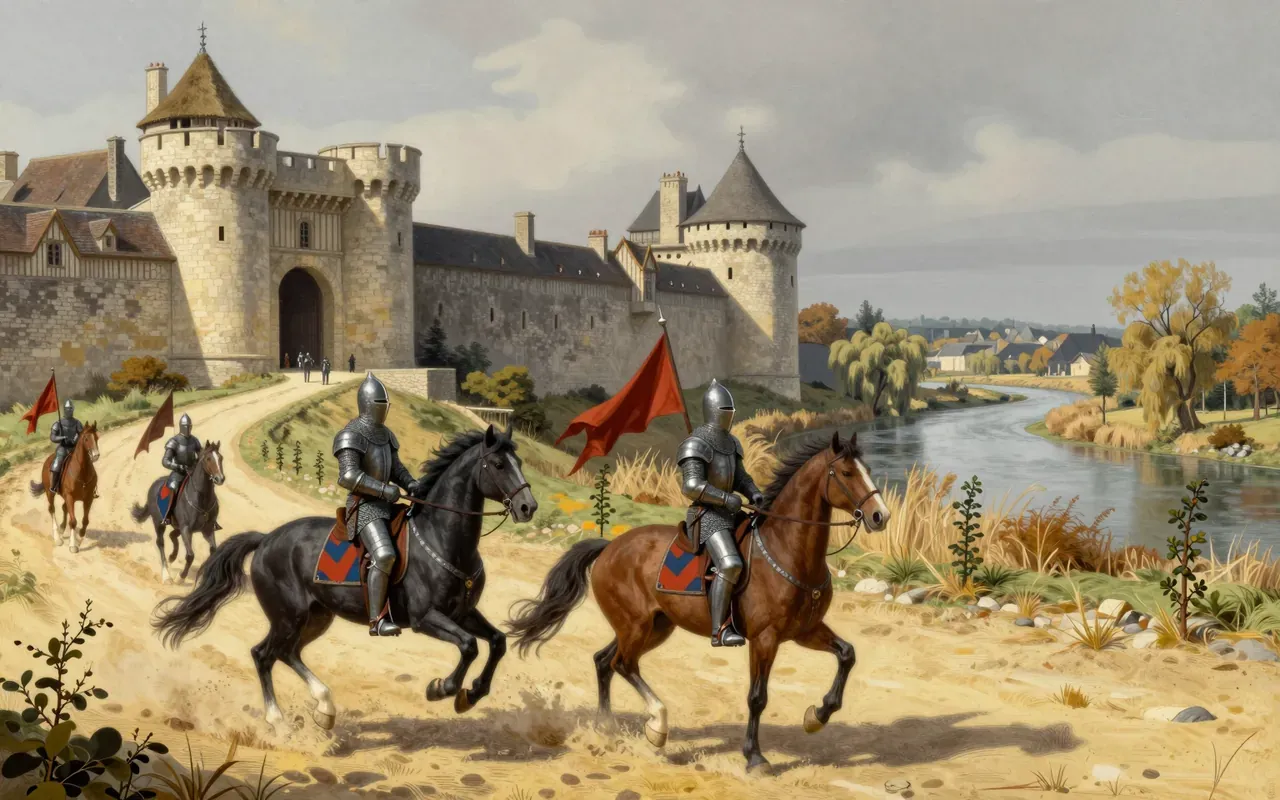
Religious upheaval and civil conflict both left their mark on Oxford in the following centuries. During the English Reformation, scholars who remained loyal to Catholicism, known as recusants, left for continental Europe rather than conform to the new religious settlement. The starkest institutional split came during the English Civil War, fought between 1642 and 1651, when the university itself became a centre of Royalist support while the town of Oxford favoured the opposing Parliamentarian cause, dividing the city’s loyalties along institutional rather than simply geographic lines. William Laud’s codification of university statutes in 1636 had already given Oxford’s internal governance a more formalised structure shortly before this political rupture tested the institution’s cohesion directly.
Reform into the modern university
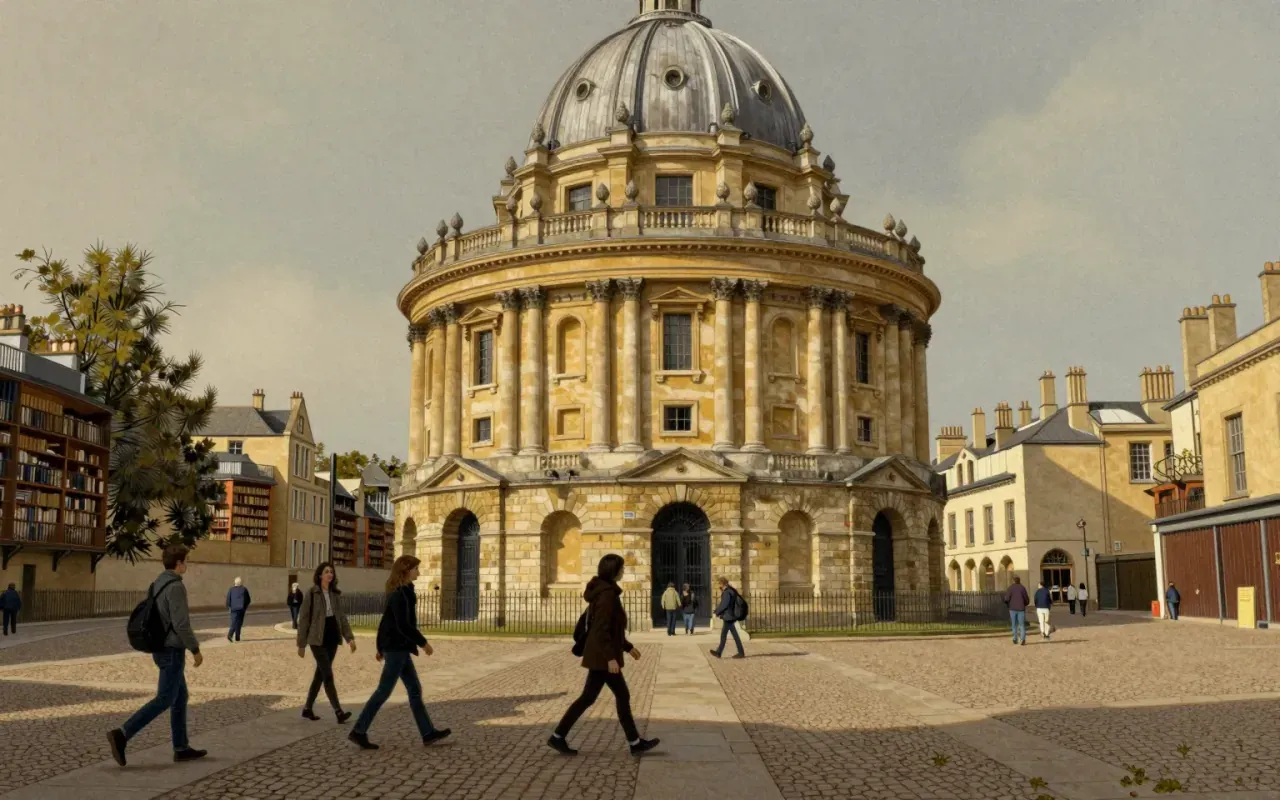
Oxford’s modern shape emerged through a further round of reform beginning in the nineteenth century, addressing longstanding restrictions on curriculum and admission, including barriers that had kept women and religious dissenters from full participation in university life. These changes unfolded gradually rather than through any single decisive reform act, reflecting broader shifts in British higher education policy over the period. A further, more specific modernisation came in 1917, when Oxford introduced the Doctor of Philosophy degree, adopting a research-based qualification that had already become standard at universities elsewhere and signalling the university’s continued willingness to adapt its structures even after more than eight centuries of documented academic activity.