Two thousand years before the famous cities
Maya civilisation is generally divided into three broad periods spanning nearly four thousand years: a Preclassic phase from around 2000 BC, during which staple crops including maize, beans and squash supported growing settlements and early cities such as El Mirador and Kaminaljuyu; a Classic period from roughly 250 to 900, marked by large-scale construction, monumental inscriptions and competing city-states including Tikal and Calakmul; and a Postclassic period from about 950, during which power shifted north to cities like Chichen Itza and later Mayapan. Spanish conquest reached Yucatan unevenly across the following centuries, and the last independent Maya polity, in the Petén region, did not fall until 1697.
Competing city-states at their peak
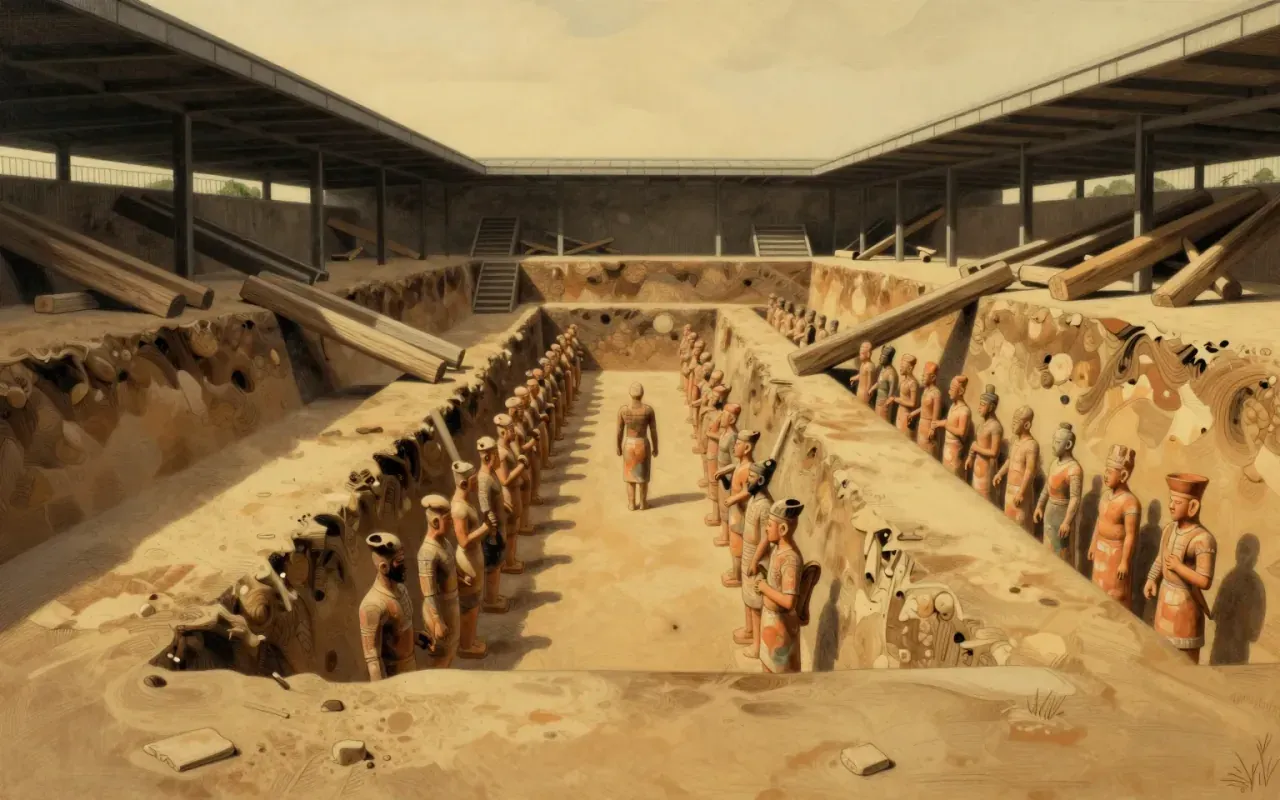
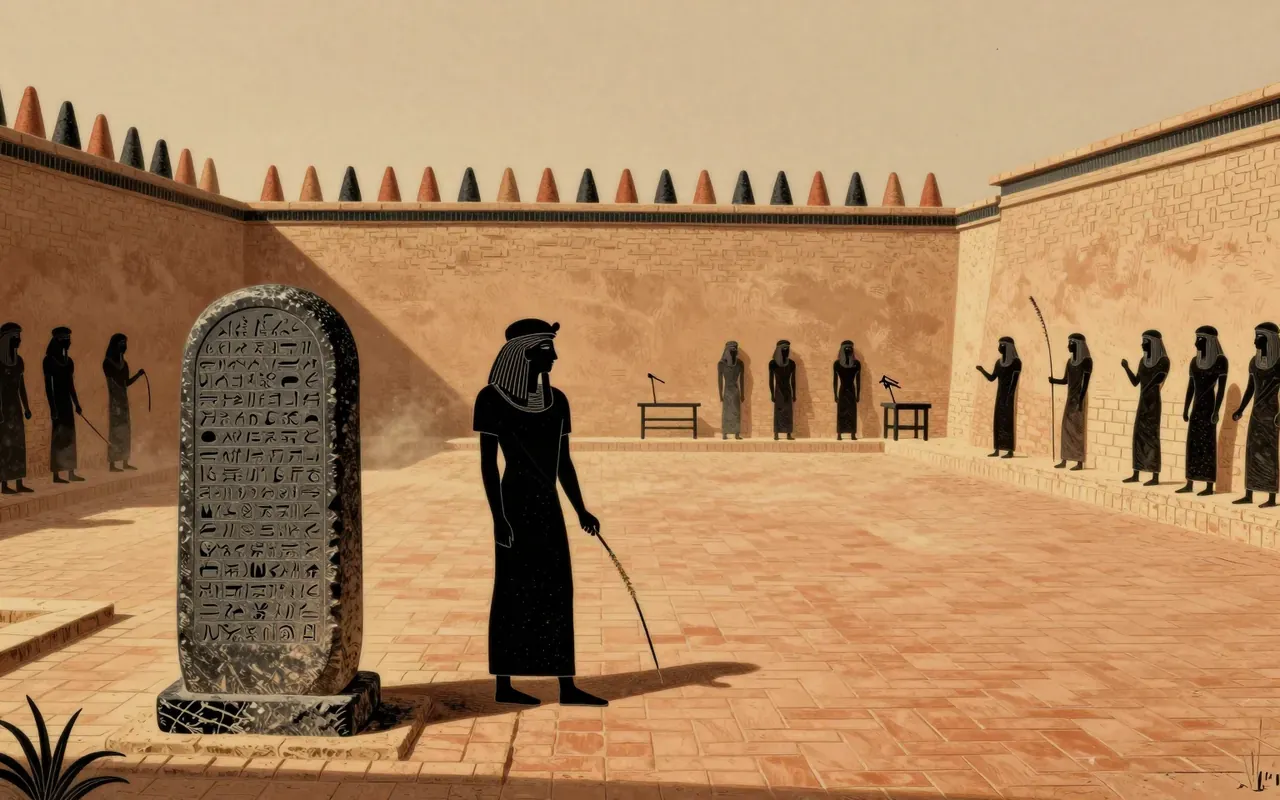
Much of what is known about the Classic period comes from surviving hieroglyphic inscriptions on stone monuments, since only three Maya codices, or bark-paper books, survived the Spanish conquest and subsequent destruction of Maya written material. Archaeological excavation, which began in earnest in the nineteenth century, initially produced a benign interpretation of Classic Maya society, but the eventual decipherment of the hieroglyphic script revealed inscriptions recording the warlike activities of Classic kings, correcting a scholarly consensus that had stood largely unchallenged for decades and demonstrating how directly the historical picture depends on which sources can actually be read.
A collapse nobody has fully explained
The trajectory of Maya civilisation followed shifting political and environmental conditions rather than a single continuous state: the Classic period’s competing city-states pursued their own dynastic rivalries rather than any unified Maya polity, which shaped both the flourishing of monumental building during the period and its eventual instability. When the Classic period ended in the ninth century, cities across the southern lowlands were abandoned in a process substantial enough that historians describe it as a collapse, even though it did not affect all Maya regions equally, with northern cities in the Yucatan continuing to develop into the Postclassic period.
Reading stone instead of paper
The causes of the Classic collapse remain genuinely unresolved, with historians pointing to a combination of contributing factors, endemic warfare between city-states, overpopulation that drove environmental degradation, and drought, without any single explanation commanding universal acceptance. This is treated in current scholarship less as a gap in the evidence than as a reflection of the collapse’s likely multiple and regionally varied causes, meaning different Maya regions may have declined for genuinely different combinations of reasons rather than one uniform crisis affecting the whole civilisation identically. This regional unevenness is itself supported by the fact that northern cities continued to flourish for centuries after the southern lowlands emptied out.
A misread history corrected by decipherment
Maya civilisation did not end with the Classic collapse or even with the Spanish conquest of the sixteenth century, since substantial and independent Maya polities persisted in the Petén region until Spanish forces finally overcame the last of them in 1697, nearly two centuries after Spanish contact began elsewhere in the Americas. Maya cultural and linguistic continuity has persisted well beyond that final conquest, with millions of speakers of Mayan languages still living today across the same territory their ancestors developed, making this one of the more direct lines of cultural continuity from a pre-Columbian civilisation into the present.
A conquest that took nearly two centuries
This is a strong subject for anyone who thinks of Maya history as ending abruptly with Spanish contact, since the material makes clear both how much preceded that contact and how long resistance persisted afterward. It is particularly valuable for showing how the peaceful, purely intellectual image of the Classic Maya, once a genuine scholarly consensus, was overturned once their own inscriptions could finally be read. It moves across too much time and too many regions, though, to offer sustained depth on any single city or ruler. Readers wanting a close political history of one dynasty, such as Tikal’s or Calakmul’s rulers specifically, will need a more narrowly focused account than this broad survey provides.