historybriefs
Topic

Mexico

Where the pre-Columbian and the colonial were fused rather than replaced.

6
in history
13:00
average
78 min
in total
38
across the network
Mexico across the network →
All briefs6
13:00

Hernán Cortés

1485–1547

After nearly fifteen years working through Spanish colonial administration in the Caribbean, Hernan Cortes defied his own superior to lead an unauthorised expedition to Mexico in 1519, exploiting divisions among Aztec tributary peoples to conquer Tenochtitlan by 1521. His own letters to the Spanish crown, written to justify the illegal campaign, remain the central source for his career, supplemented by a soldier's later memoir and his chaplain's admiring biography. Several of his most flattering claims, including Aztec reverence toward him as a god, have not held up to modern scrutiny, and unresolved accusations, including his first wife's suspicious death, shadow his personal reputation.
13:00

Moctezuma II

1466–1520

Moctezuma II expanded the Aztec Empire to its greatest territorial extent, fought some seventy-three military campaigns, and reorganised imperial administration into centrally governed provinces before Spanish forces reached Tenochtitlan in 1519. Spanish and indigenous sources diverge sharply in their portrayal of him, and his death in June 1520 remains disputed between accounts of his own subjects stoning him and testimony that Spanish soldiers killed him directly. His decades of successful rule have been largely overshadowed in popular memory by the empire's collapse the following year, leaving no single settled portrait of the man behind either extreme characterisation.

13:00

Aztec Empire

1367

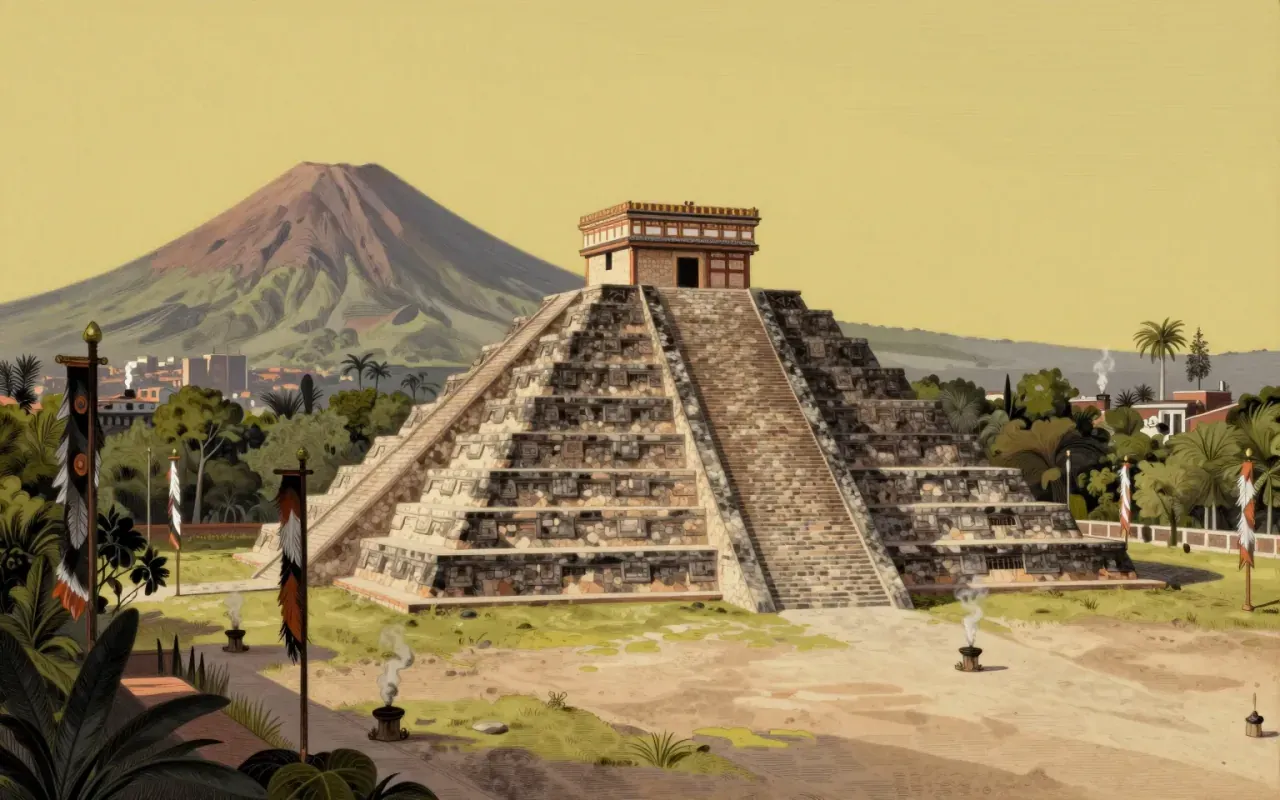
Three Nahua city-states, Tenochtitlan, Texcoco and Tlacopan, formed the Triple Alliance around 1428 after a civil war, building an empire that dominated central Mexico by the early sixteenth century before Hernán Cortés and his indigenous allies destroyed it between 1519 and 1521. Much of the empire's own documentary record may have been deliberately destroyed by one of its own administrators, leaving historians dependent on a mix of surviving pictographic codices, Spanish conquistador accounts, and archaeology to reconstruct its history.

13:00

Spanish conquest of the Aztec Empire

1519–1521

Hernan Cortes landed on the Gulf coast of Mexico in 1519 and, through alliances with Aztec tributary peoples resentful of imperial rule, marched on Tenochtitlan, where an initial peaceful reception collapsed into violence, a chaotic Spanish retreat, and a devastating smallpox epidemic before the capital finally fell after siege in August 1521. Spanish accounts dominate the surviving record, though indigenous testimony recorded after the conquest under colonial supervision offers a partial counterweight. Historians now doubt several staples of the traditional story, including the belief that Moctezuma saw Cortes as a returning god, tracing that idea only to European writing from the 1540s.

13:00

Maya civilization

2000 BC–1521

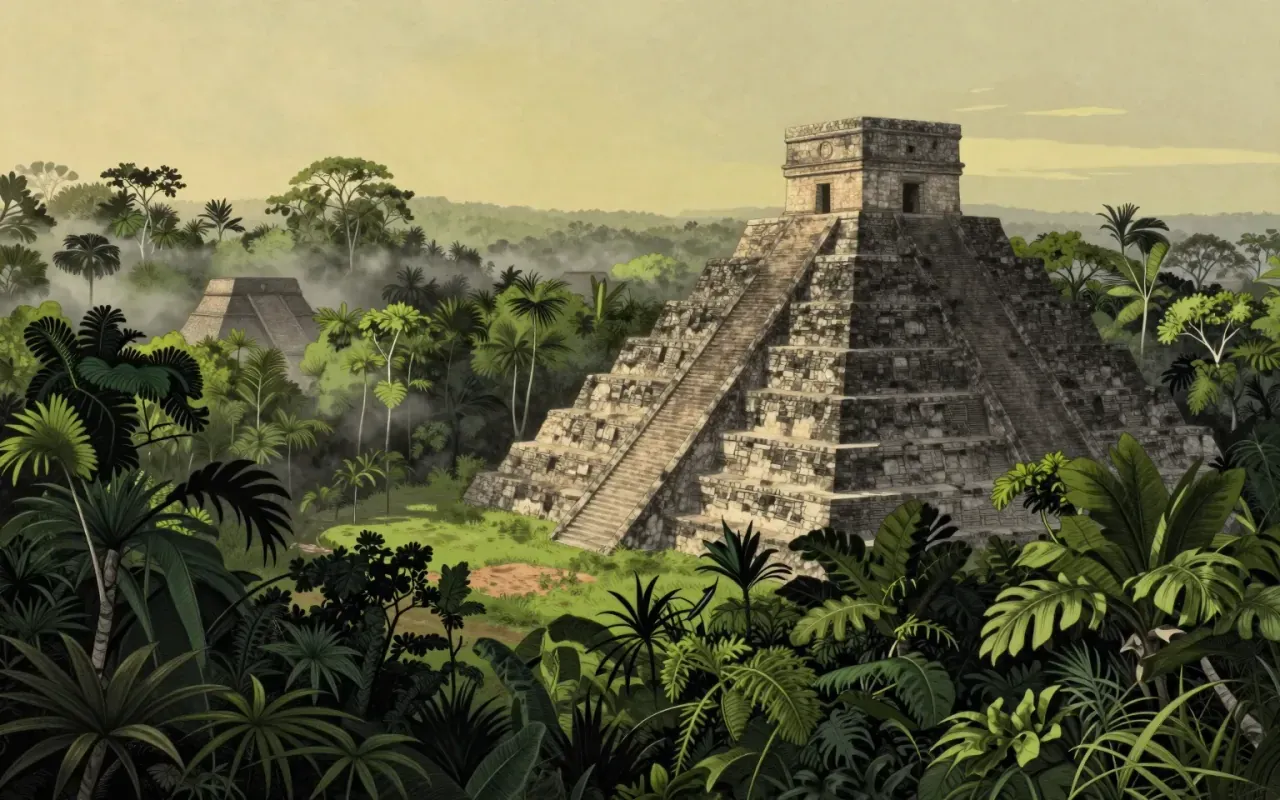
Maya civilisation developed across roughly two thousand years, from early farming settlements around 2000 BC through a Classic period of competing city-states between about 250 and 900, a still-unexplained ninth-century decline, and a Postclassic phase that lasted until Spanish conquest reached the last independent stronghold in 1697. Only three Maya codices survived the conquest, so much of what is known comes from decoded hieroglyphic inscriptions and archaeology, and no single explanation for the Classic collapse commands agreement among historians.

13:00

Pueblo Revolt

10 August – 21 August 1680

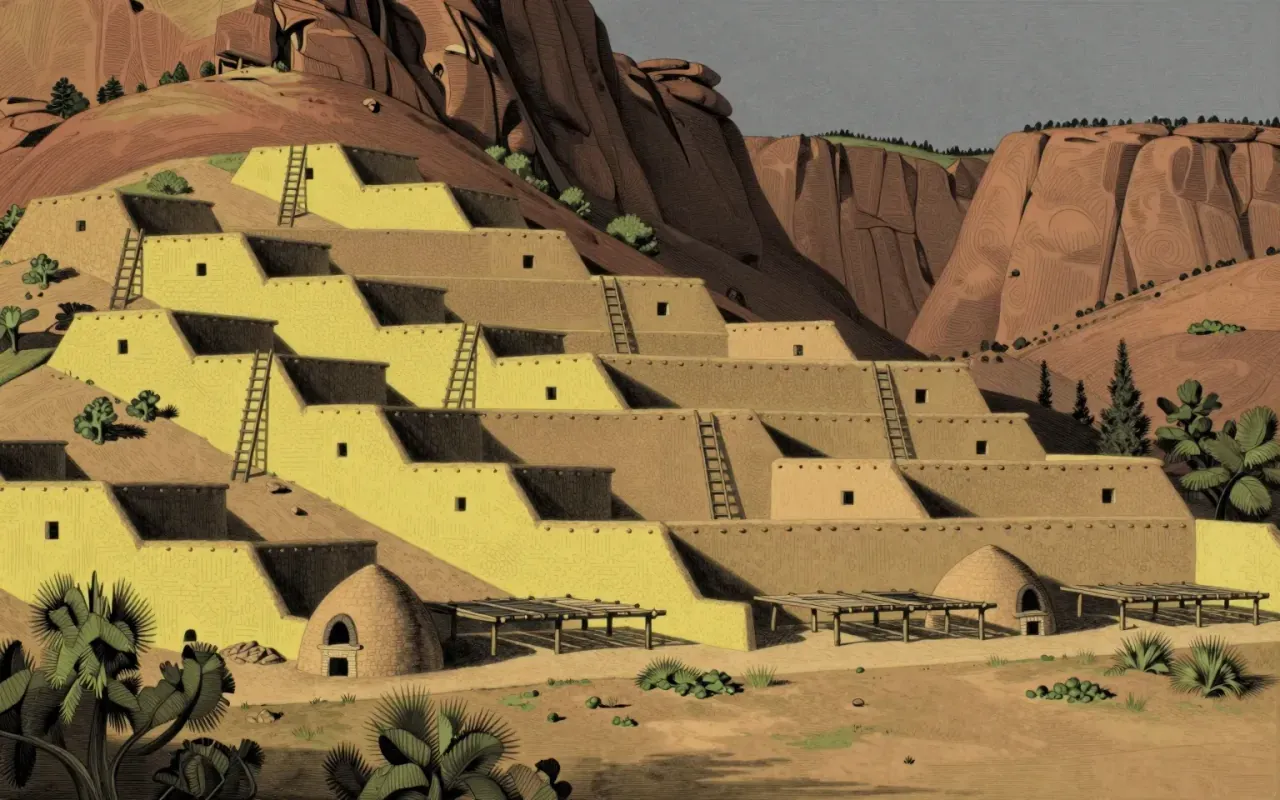
In August 1680, Pueblo communities across Spanish New Mexico, coordinated by the Tewa religious leader Po'pay after five years of secret planning, rose simultaneously and expelled Spanish colonists for twelve years, the longest sustained indigenous victory over a European colonial power in the Americas. Spanish colonial letters dominate the immediate record, while Po'pay's own character survives mostly through hostile testimony, leaving historians uncertain whether he ruled afterward as visionary or tyrant. When Spain returned in 1692, it permanently abandoned earlier attempts at religious suppression, making the revolt one of the rare cases of resistance producing lasting concessions.