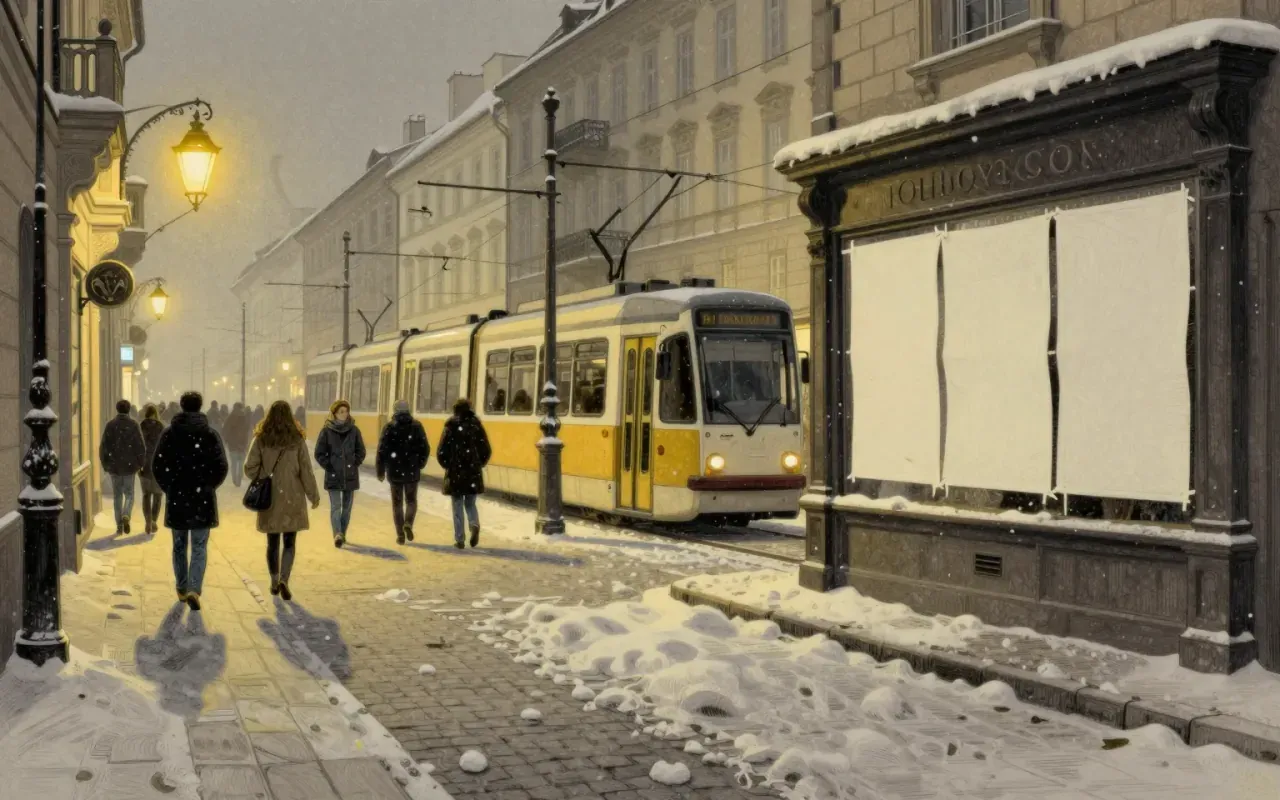
An electrician climbs a fence
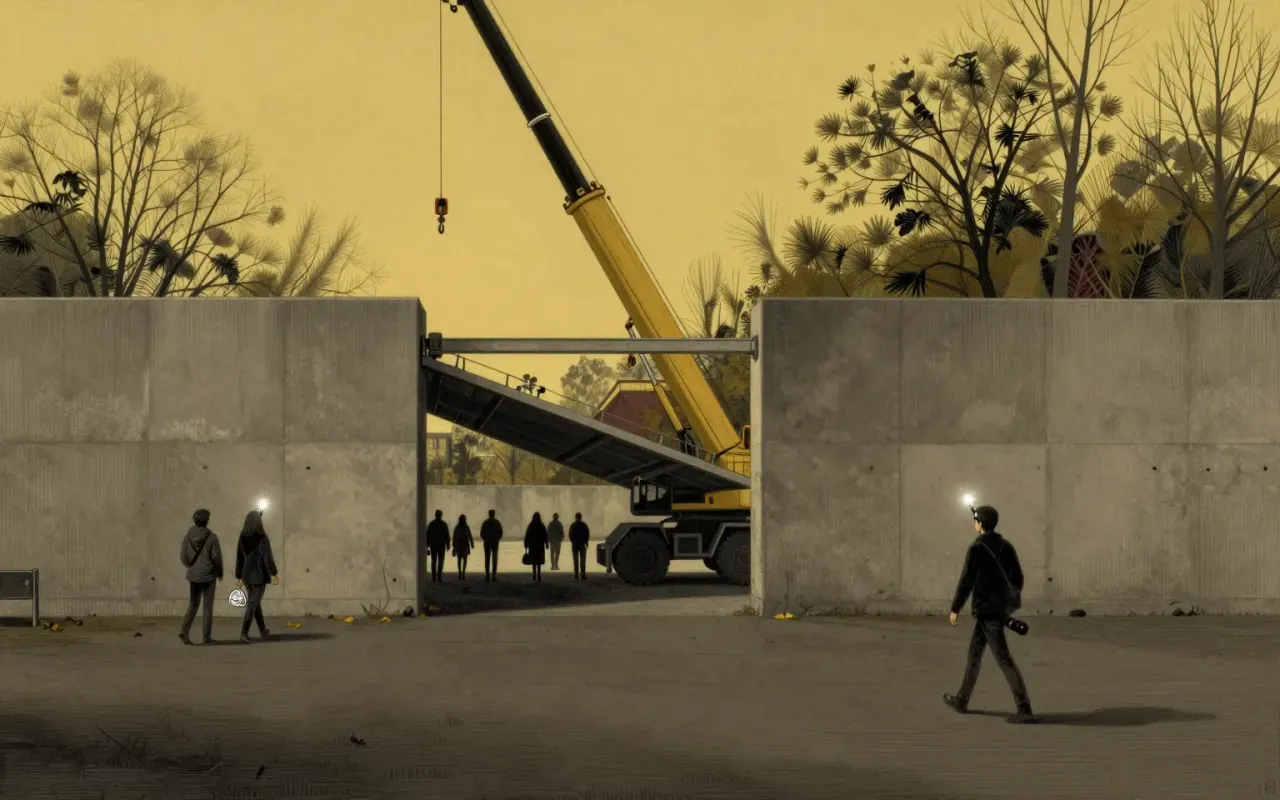
Born in 1943 in Popowo, Poland, during Nazi occupation, Lech Wałęsa lost his father shortly after his return from a forced labour camp and was raised largely by his mother before training as an electrician and beginning work at Gdańsk’s Lenin Shipyard in 1967. In August 1980, amid a strike triggered by rising food prices, Wałęsa climbed over the shipyard fence to join the protest and quickly emerged as its leader, heading the Inter-Enterprise Strike Committee that coordinated workers across multiple plants and negotiating directly with government representatives on behalf of a movement that had grown well beyond its original shipyard base.
An oversized pen for the cameras
On 31 August 1980, Wałęsa signed the Gdańsk Agreement using a deliberately oversized souvenir pen, an image broadcast worldwide that became one of the defining visual symbols of the movement, granting workers the right to strike and form independent unions outside state control. The resulting organisation, Solidarity, grew to over ten million members within a year, becoming the first independent trade union recognised by any Warsaw Pact government, before General Wojciech Jaruzelski’s declaration of martial law on 13 December 1981 saw Wałęsa arrested and held for eleven months without formal trial, and Solidarity itself formally outlawed the following October.
Eleven months, no trial
Wałęsa received the Nobel Peace Prize in 1983 but did not travel to accept it in person, fearing the Polish government would prevent his return to the country, sending his wife Danuta to accept the award on his behalf instead. He continued organising underground Solidarity activity through the mid-1980s, including further strikes at the Gdańsk Shipyard in 1988, before the government’s declining position led to Round Table Negotiations between February and April 1989, in which Wałęsa served as the informal leader of the non-governmental side, producing an agreement that re-legalised Solidarity and organised the semi-free June 1989 elections in which Solidarity-backed candidates won every seat they were permitted to contest.
A prize accepted by proxy
Wałęsa won Poland’s presidency in December 1990, becoming the country’s first freely elected head of state in 63 years, and his presidency oversaw the privatisation and free-market transition known as the Balcerowicz Plan, fully free parliamentary elections in 1991, and the negotiated withdrawal of Soviet troops in 1993. His governing style drew significant criticism, however, as a confrontational approach that came to be described as a war at the top produced frequent government changes and clashes with former Solidarity allies, and he lost the 1995 presidential runoff narrowly to Aleksander Kwaśniewski, receiving just over 48 percent of the vote.
A presidency marked by infighting
A significant and still unresolved controversy concerns allegations that Wałęsa collaborated with Poland’s communist-era security services as an informant codenamed Bolek between 1970 and 1976. A 2008 book by historians Sławomir Cenckiewicz and Piotr Gontarczyk made this claim based on archival documents, and materials found in 2016 among files belonging to a deceased former interior minister, along with a 2017 government-commissioned handwriting analysis, were presented as further supporting evidence, including records suggesting payments to Wałęsa exceeding several times his monthly salary at the time. A 2000 Lustration Court had earlier cleared him of collaboration for insufficient evidence, and a separate 2018 government investigation concluded the alleged act had not been committed, leaving the matter genuinely contested between competing official findings reached at different points using different evidence.
A codename that won’t go away
Wałęsa’s career is worth studying precisely because it refuses to resolve into an uncomplicated narrative of heroic resistance, since the same man who signed the Gdańsk Agreement and later received a Nobel Peace Prize for his role in ending Polish communism also faces credible, if disputed, evidence of having signed a collaboration document with the regime he later helped bring down. Reading his full record, from the 1980 shipyard strike through the contested Bolek allegations to his often chaotic presidency, gives a more honest sense of how a genuinely transformative historical figure can carry unresolved and uncomfortable questions about his own past that neither vindication nor conviction has fully settled.