Two books in one year
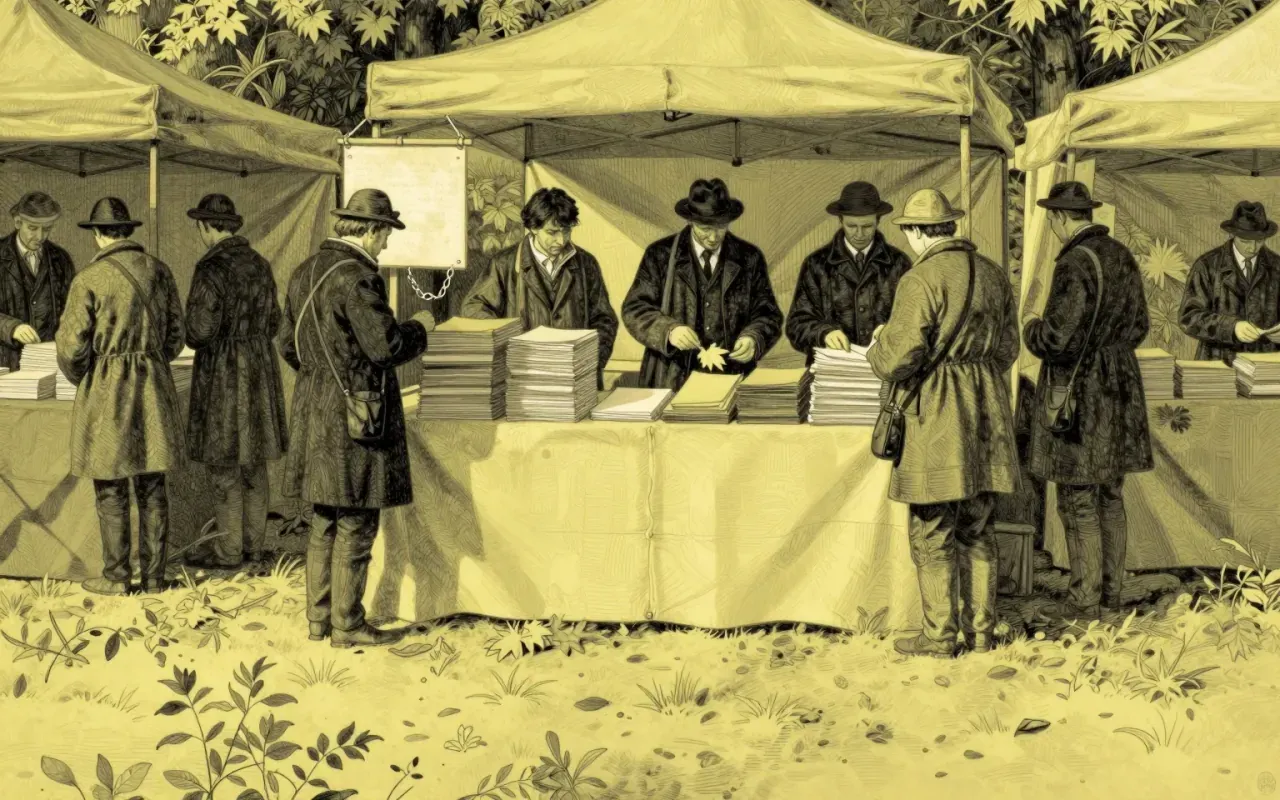
The Scientific Revolution is generally dated from 1543, when both Nicolaus Copernicus’s heliocentric theory and Andreas Vesalius’s anatomical work were published, through to 1687, when Isaac Newton’s Principia Mathematica set out a unified mathematical account of motion and gravity. Some historians prefer an alternative starting point in 1572, marked by Tycho Brahe’s observation of a supernova, which challenged the assumption that the heavens were unchanging. Across this period, figures including Johannes Kepler, Galileo Galilei, Francis Bacon, René Descartes, Robert Boyle and William Harvey produced work on planetary motion, telescopic observation, empirical method, chemistry and the circulation of blood that later generations treated as founding the modern scientific approach.
A revolution named after the fact
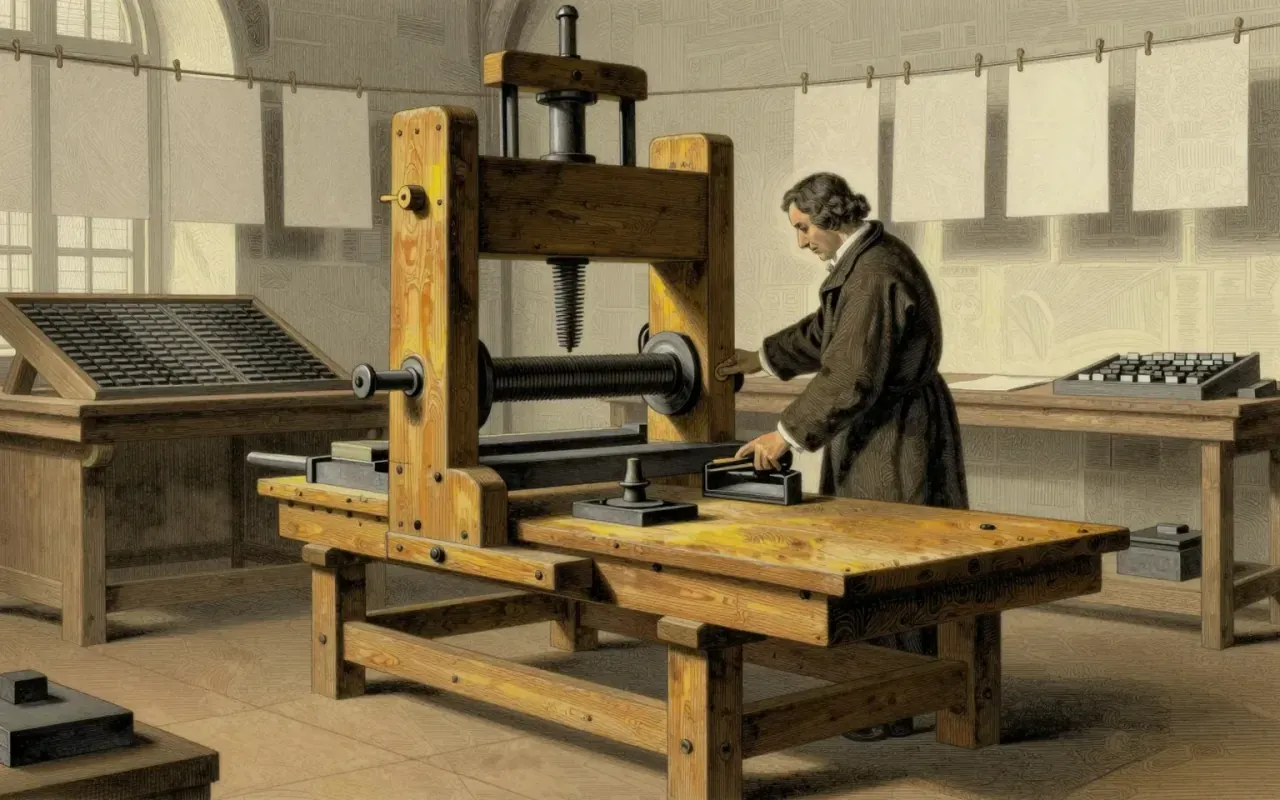
The period benefited directly from the spread of printing, which had begun in the 1440s and by the sixteenth century let scholars across different regions work from identical texts and diagrams rather than from hand-copied and potentially inconsistent manuscripts, a precondition for verifying and building on each other’s claims with confidence. Later in the period, the founding of the Royal Society in 1662 and the French Academy of Sciences in 1666 institutionalised scientific investigation more formally, introducing systematic peer review through publications such as the Philosophical Transactions, which gave the period’s later output a documentary record considerably more organised and cross-checked than what preceded it.
Printing made shared proof possible
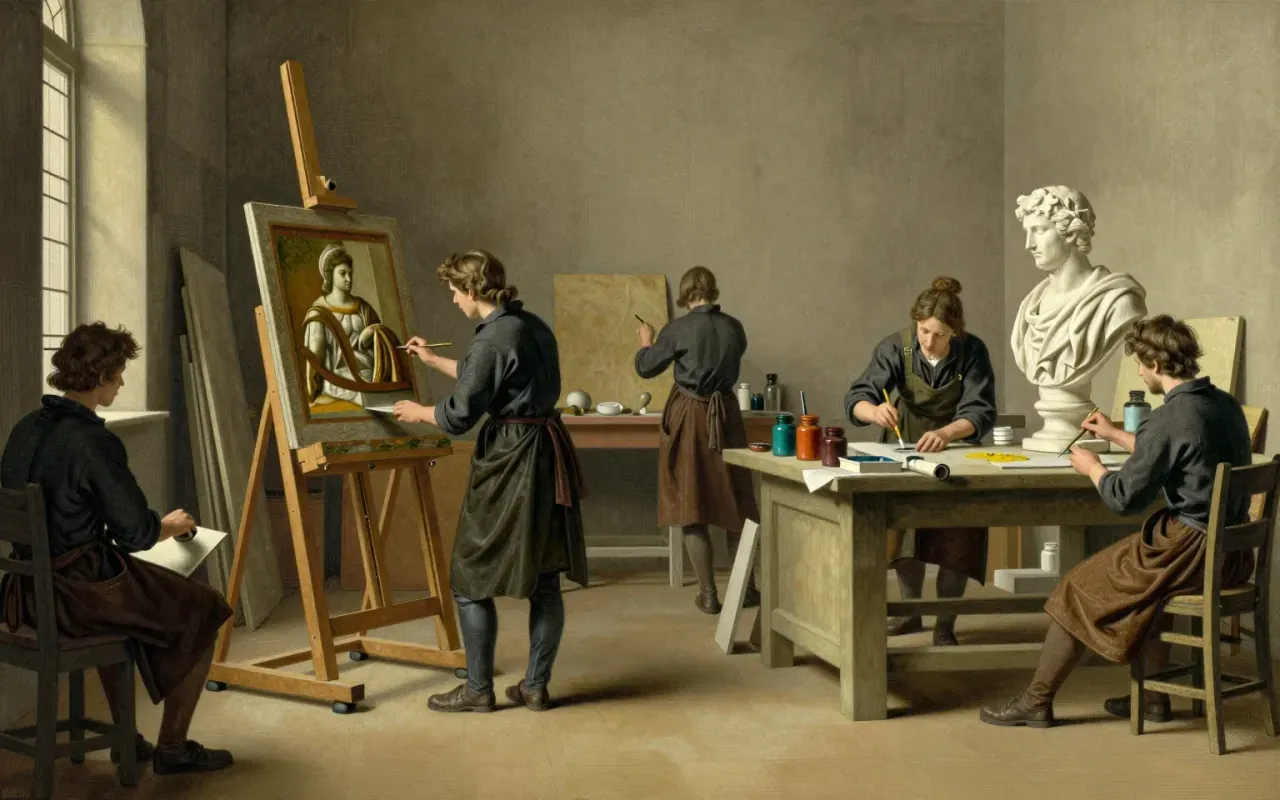
Much of the period’s momentum came from figures deliberately testing inherited assumptions against direct observation and mathematical reasoning rather than accepting received authority, whether classical or medieval, at face value. Vesalius’s anatomical work corrected errors in earlier authoritative texts through direct dissection, Galileo’s telescopic observations provided physical evidence against a strictly Earth-centred cosmology, and Newton’s later synthesis showed that a single set of mathematical laws could describe both terrestrial and celestial motion, unifying observations that earlier natural philosophy had treated as governed by entirely separate principles, a synthesis that gave subsequent generations of scholars a single shared mathematical language for describing physical phenomena across wildly different scales.
Institutions built to check each other’s work
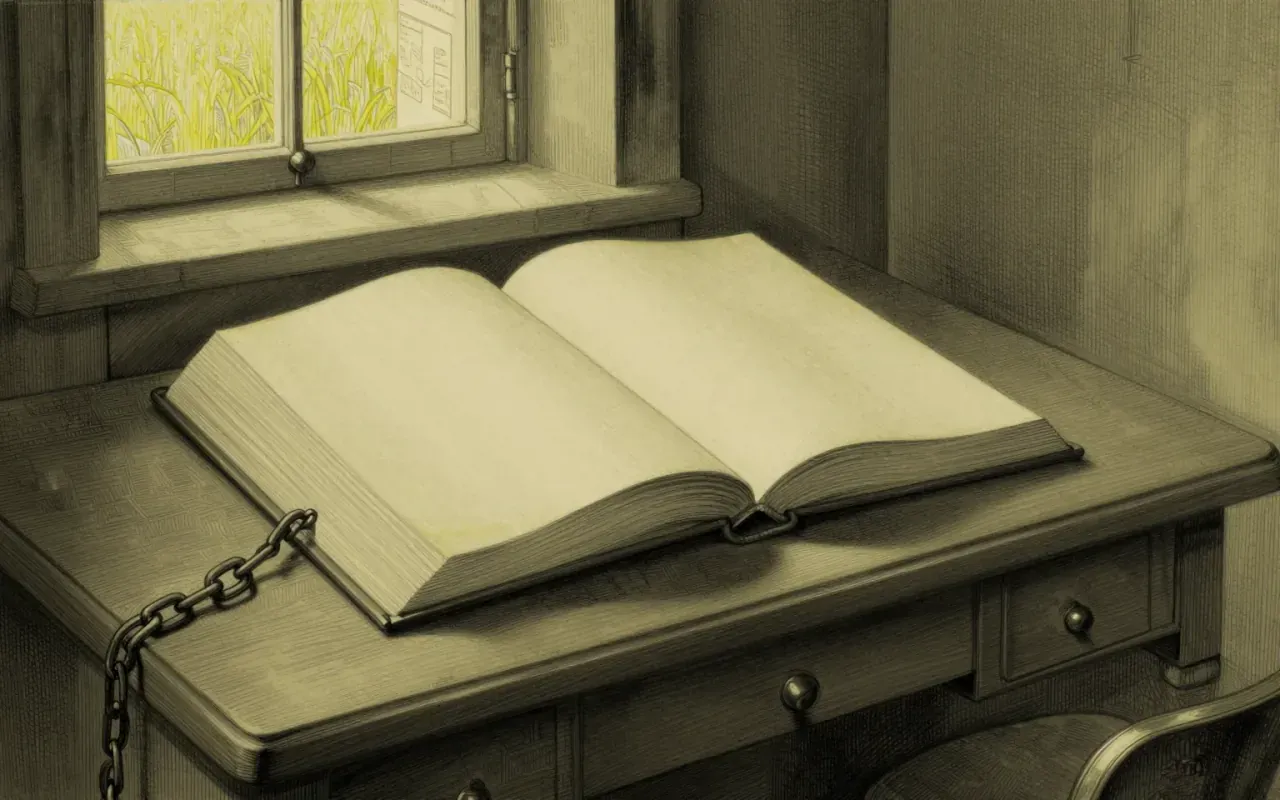
Whether this period deserves the label revolution at all remains genuinely debated: the term itself was not applied to describe it until the eighteenth century, well after the events in question, and some historians argue for substantial continuity with medieval scholarship rather than a clean break, noting that key figures were trained within medieval university systems and built directly on earlier translations of ancient Greek and Arabic scientific texts rather than starting from nothing. This continuity argument does not deny that something significant changed during the period, but it does complicate any narrative that treats 1543 as a sudden rupture with everything that came before it.
Continuity or rupture
The period’s institutional legacy proved as durable as its specific discoveries: the Royal Society and its continental counterparts established models of organised scientific inquiry, peer scrutiny and published record-keeping that professionalised the pursuit of natural knowledge in ways that persisted long after the individual controversies of the sixteenth and seventeenth centuries had been settled. The mechanistic, mathematically grounded worldview associated with Newton in particular became the dominant framework for understanding the physical world well into the following centuries, and the historian Herbert Butterfield went so far as to describe the period’s overall significance as outshining everything in European history since the rise of Christianity.
A culmination in Newton
This is a rewarding subject precisely because it resists the clean revolutionary narrative its own name implies, and the genuine historical debate over continuity versus rupture gives the material real intellectual bite rather than settling for a triumphant, uncomplicated story of scientific progress. It is particularly good on how printing and new institutions changed the mechanics of verifying and sharing knowledge. It treats individual discoveries, however important, mainly as illustrations of the broader pattern rather than exploring any one of them in real depth. Readers wanting a close technical account of, say, Kepler’s planetary calculations or Harvey’s anatomical experiments will need a more specialised source than the broad institutional and historiographical sweep offered here.