historybriefs
Topic

The Renaissance

A rediscovery that was also an invention, sold as the former.

9
in history
13:00
average
117 min
in total
16
across the network
The Renaissance across the network →
All briefs9
13:00

Johannes Gutenberg

1400–1468

Johannes Gutenberg developed a practical system of movable-type printing in Mainz around 1440, completing his celebrated 42-line Bible around 1455 before a lawsuit from his financier stripped him of his own workshop the following year. Almost nothing survives from his own hand, so his biography rests largely on legal records and physical analysis of surviving type rather than any personal account of his methods or intentions.
13:00

Leonardo da Vinci

1452–1519

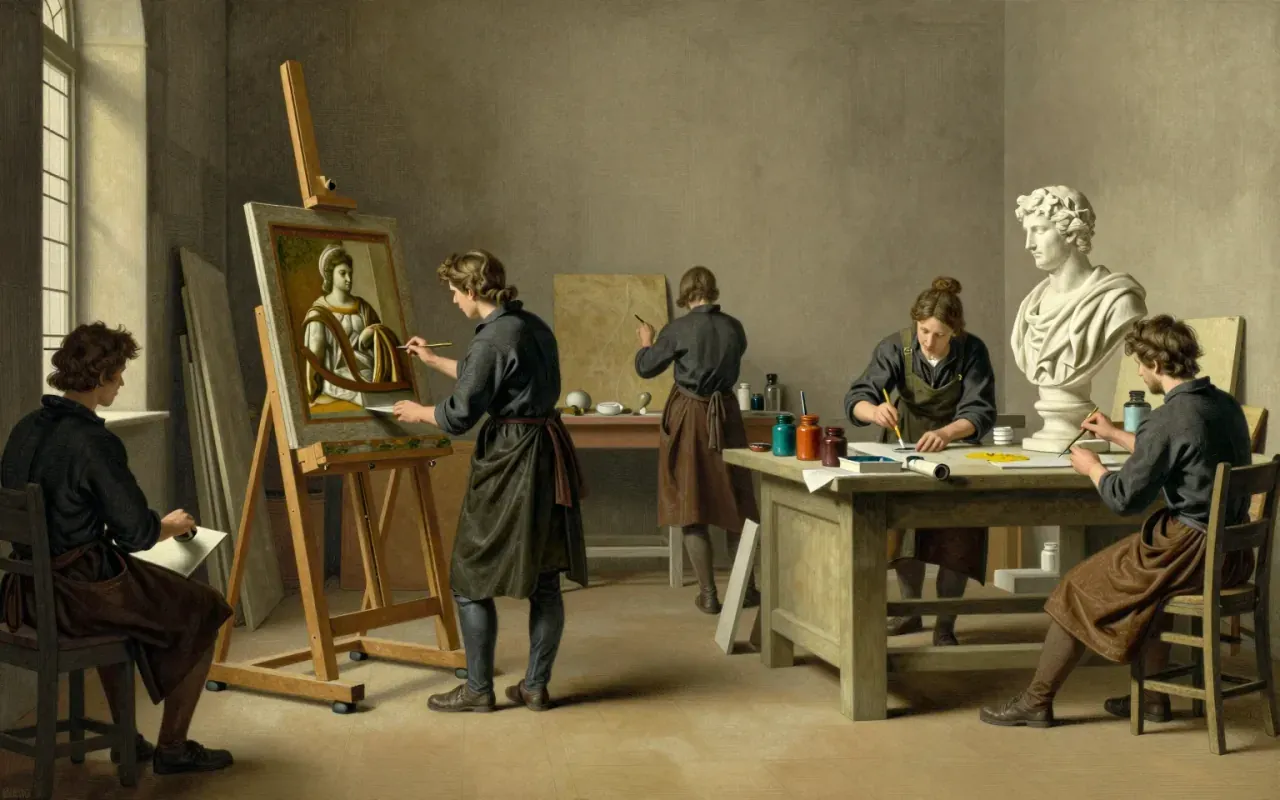
Leonardo da Vinci trained as a painter's apprentice in Florence, worked for patrons including the Duke of Milan and the King of France, and produced a small surviving body of paintings, among them the Mona Lisa and the Last Supper, alongside extensive notebooks covering anatomy, engineering and natural philosophy that he never published in his lifetime. Much of the familiar personal narrative about him comes from Giorgio Vasari's biography, written decades after Leonardo's death in 1519, which modern historians treat as containing apocryphal or unverifiable episodes alongside genuine information.

13:00

Michelangelo

1475–1564

Michelangelo trained as a painter before becoming the era's defining sculptor, producing the Pieta, David and the Sistine Chapel ceiling for a series of Medici and papal patrons across nearly seven decades of work. His two earliest biographies were written by admirers, one with his own direct input, and both are now understood to have shaped his public image, including by obscuring the men to whom he addressed much of his surviving love poetry.

13:00

Petrarch

1304–1374

Petrarch abandoned law for scholarship and poetry, wrote lifelong verse addressed to a woman he called Laura, and helped launch the humanist recovery of classical texts after finding a cache of Cicero's letters in 1345. He is unusually well documented through his own vast correspondence, but that same abundance means historians read his most flattering self-portraits, including the Laura story itself, with real caution.

13:00

Raphael

1483–1520

Raphael trained under Perugino, absorbed elements of Leonardo's technique, and spent his final twelve years producing major works for two popes in Rome, including the Vatican frescoes, before dying in 1520 at thirty-seven. His workshop, reportedly numbering around fifty assistants, means many later paintings attributed to him were only partly his own work, and much of his biography still rests on a single, decades-later account by Giorgio Vasari.

13:00

Printing press

c. 1440

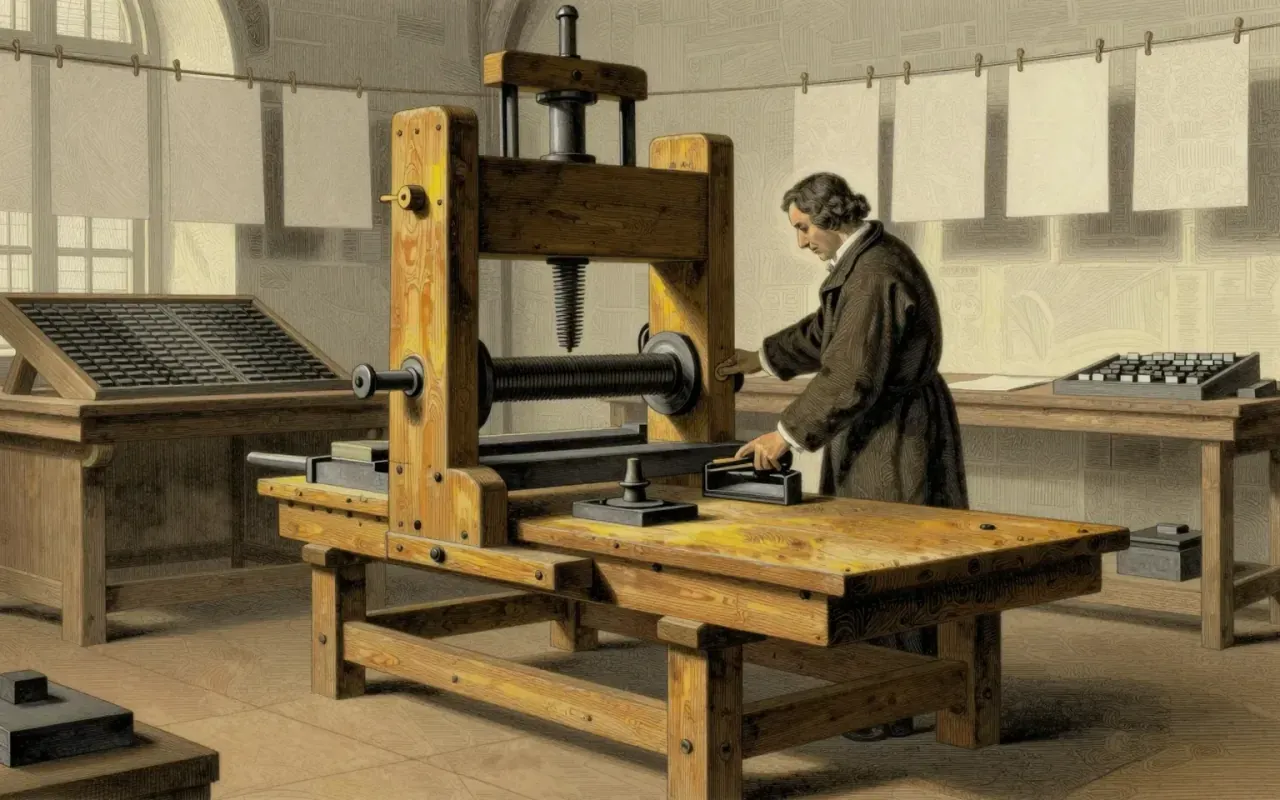
Around 1440, Johannes Gutenberg combined existing technologies with his own innovations in metal type and ink to create a practical movable-type printing system, completing his famous 42-line Bible around 1455 before the press spread to well over a hundred European cities within decades. Because Gutenberg left no personal account of his methods, most of what is known comes from legal records connected to a financial dispute rather than any direct description of his work.

13:00

Gutenberg Bible

c. 1455

Gutenberg's Latin Bible, printed in Mainz and reaching its first complete copies around 1454 or 1455, ran to somewhere between about 160 and 185 copies, of which forty-nine survive today with only twenty-five complete. Its production is documented mainly through physical study of surviving copies and a handful of outside references, since no complete written account of how the project was organised or financed has come down to us.

13:00

Renaissance

1400–1650

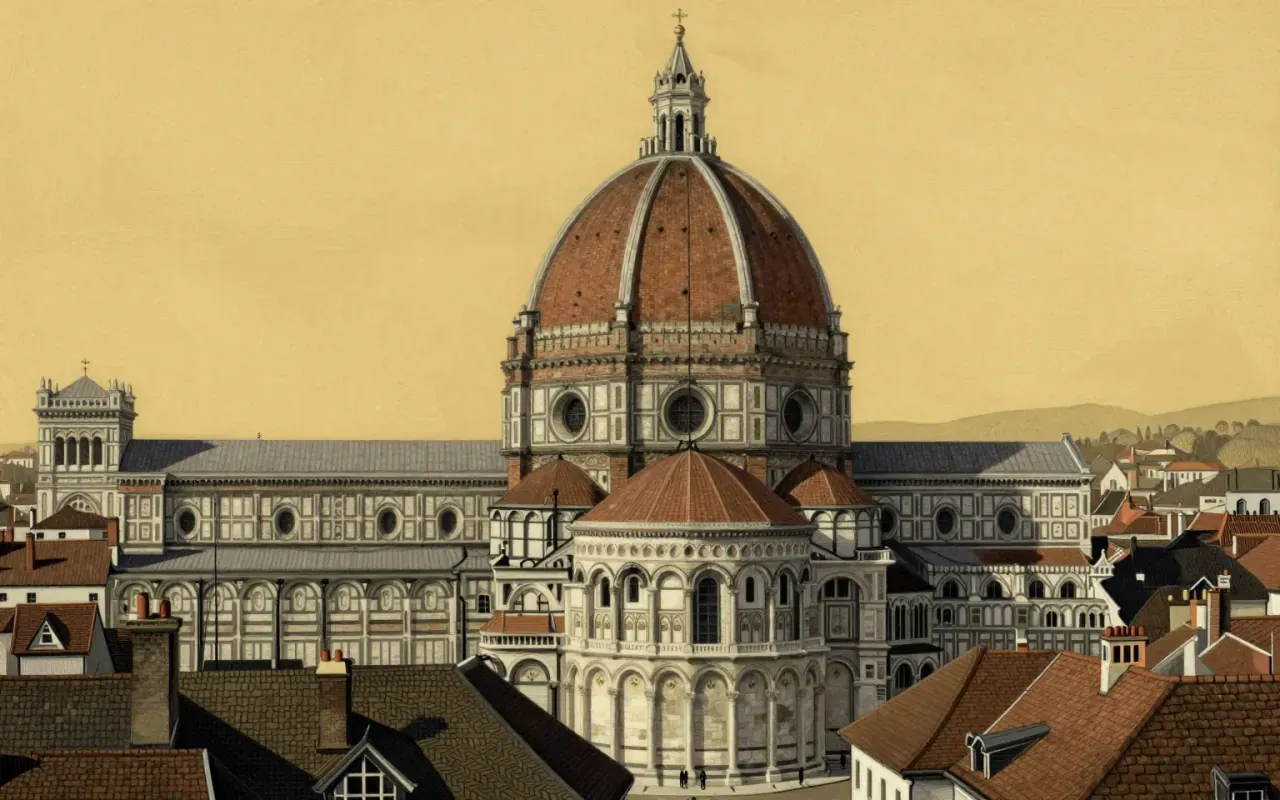
Conventionally dated from the fourteenth to the sixteenth or seventeenth century and beginning in the cities of northern Italy, the Renaissance combined a revival of interest in classical Greek and Roman texts with advances in art, printing, navigation and natural philosophy, spreading gradually across Europe from Florence and Venice outward. Modern historians dispute both what caused it, citing everything from Medici patronage to the aftermath of the Black Death, and whether it represents a genuine rupture with the medieval period or an extension of trends already under way before it.

13:00

Scientific Revolution

1543–1687

Between roughly 1543, when Copernicus and Vesalius published their landmark works, and 1687, when Newton's Principia appeared, European natural philosophy shifted toward mathematical, mechanistic explanation and systematic observation, work later credited with founding modern science. The label revolution was not applied to this period until the eighteenth century, and historians remain divided over whether it represents a sharp break with medieval scholarship or a more gradual continuation of it, since many of its central figures trained within and built upon medieval university traditions.