What happened
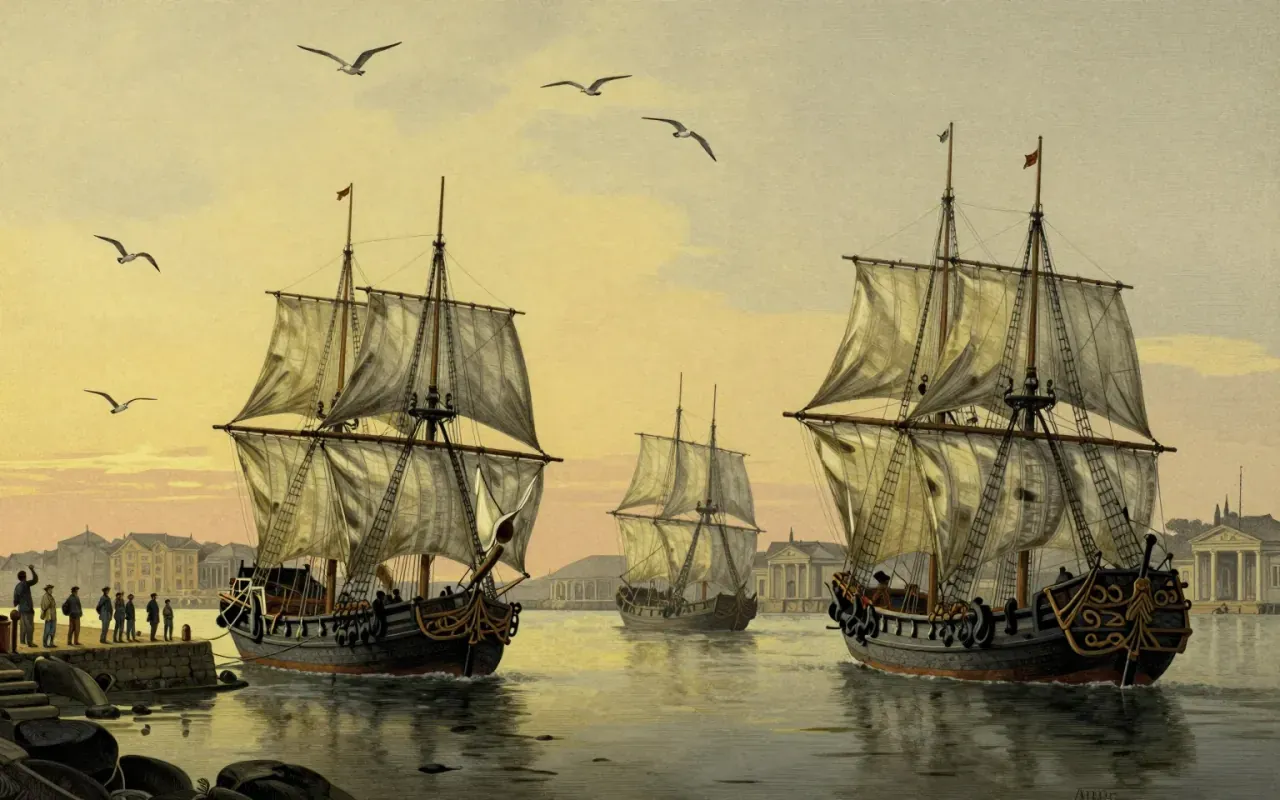
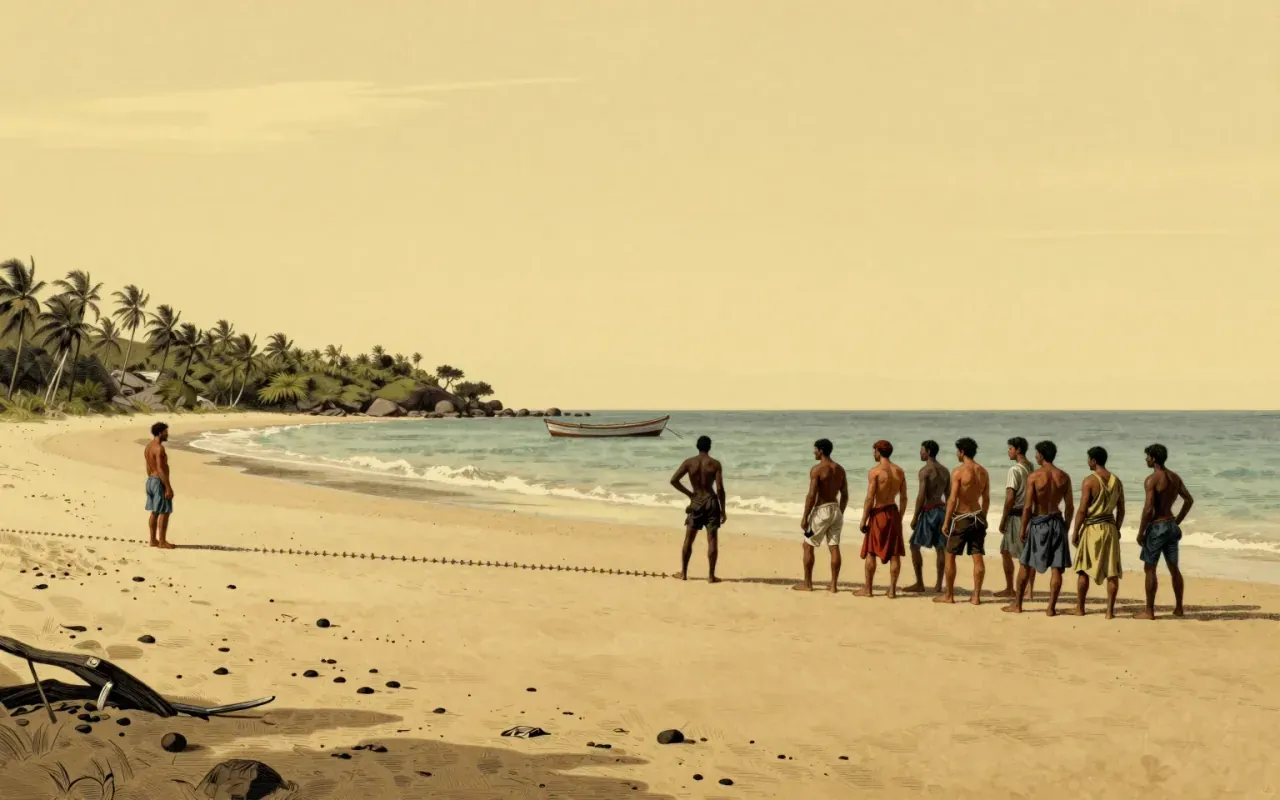
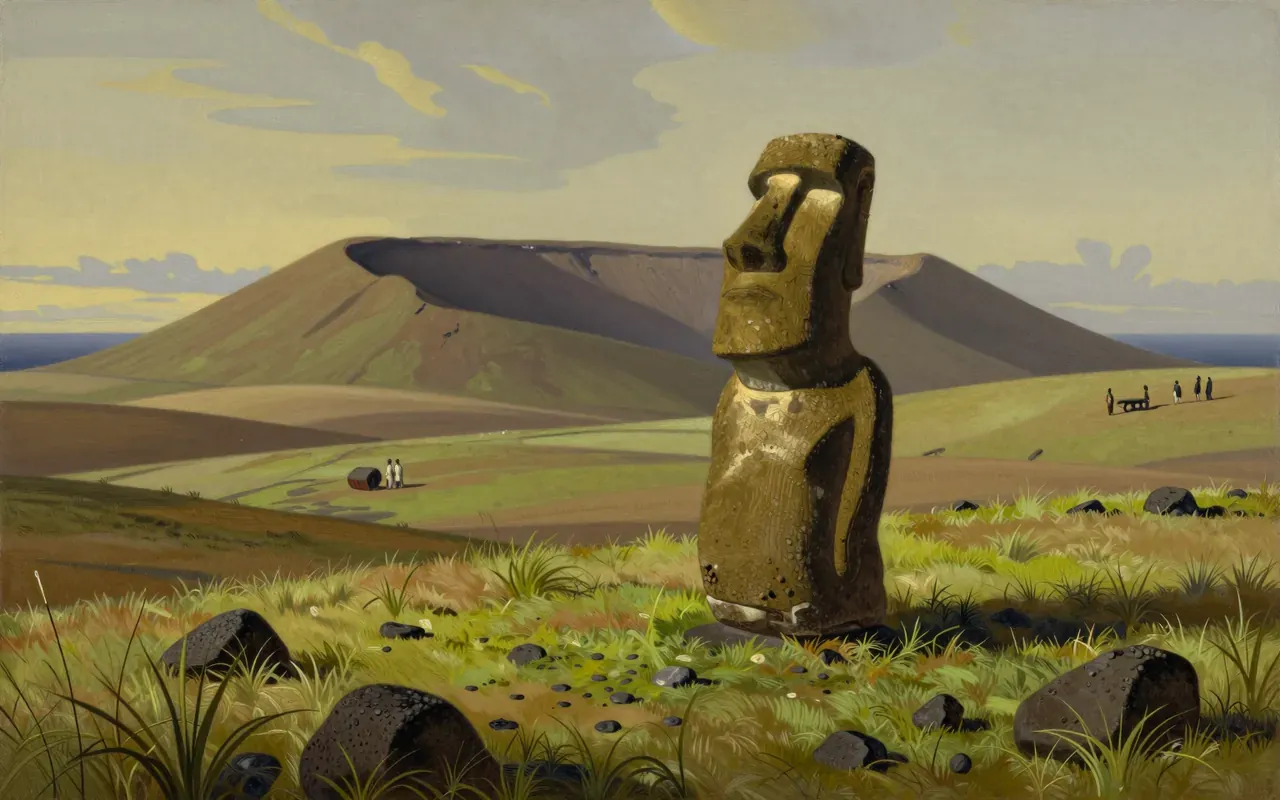
Dutch explorer Jacob Roggeveen landed on Easter Island on April 5, 1722. His crew observed the island’s inhabitants and its monumental moai statues.
How we know it
The first recorded European contact with Easter Island occurred on April 5, 1722. This date is verified by the historical record of Jacob Roggeveen’s expedition and appears explicitly in the source material.
Why it went that way
Roggeveen was sailing under commission from the Dutch West India Company, seeking new trade routes and territories in the Pacific. His navigation followed established Dutch maritime ambitions in Oceania — not scientific curiosity or cultural exchange.
What is still contested
The timing of initial Polynesian settlement remains contested: some researchers cite evidence for arrival around 800 CE, while a 2007 study and radiocarbon dating from Anakena point to ~1200 CE.
What it changed
Roggeveen’s landing initiated sustained European awareness of the island, enabling later annexation by Chile in 1888 and transforming Rapa Nui from an autonomous Polynesian society into a Chilean special territory — a legal and political shift rooted in this first contact.
Is it worth your time
Yes — because it marks the irreversible entry of Easter Island into global colonial time, not as a discovery but as an act of surveillance that set in motion demographic collapse, land dispossession, and linguistic erosion — all documented consequences of later contact, though not yet visible in 1722 itself.