An indemnity larger than annual revenue
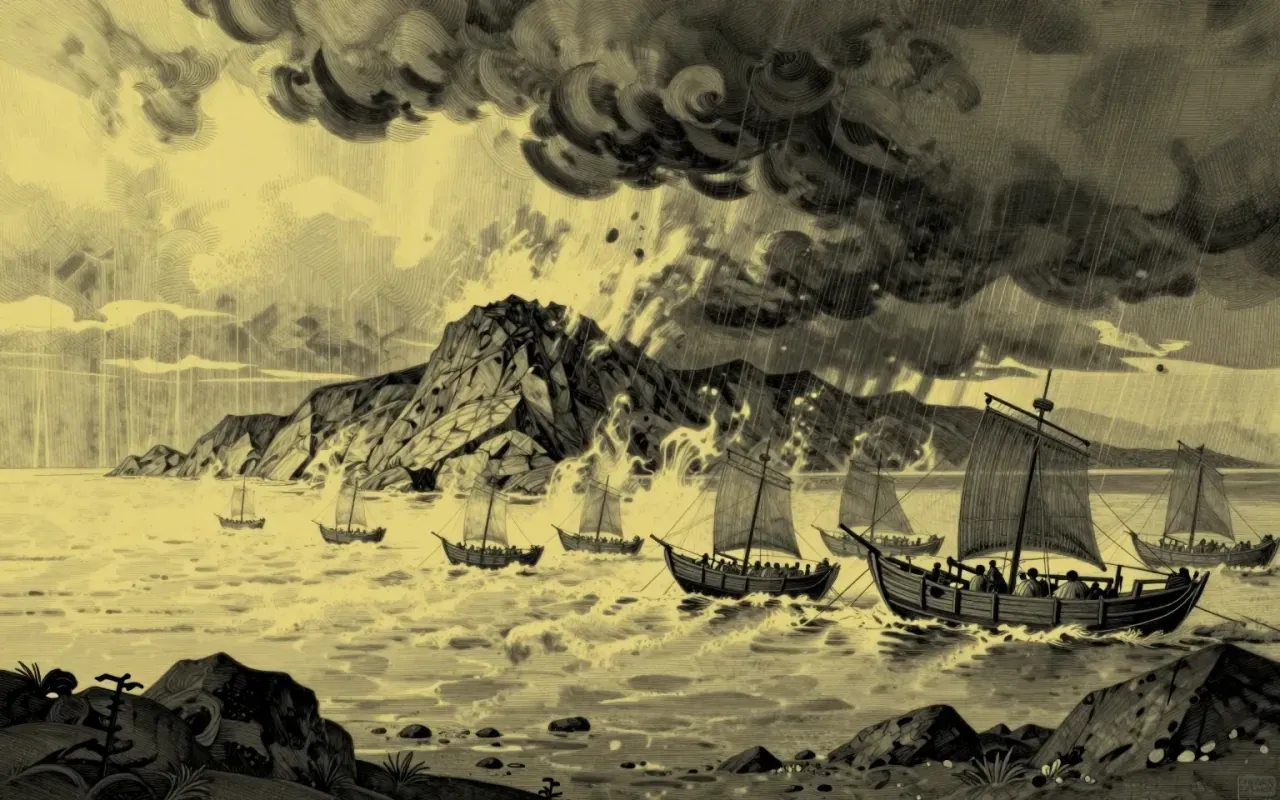
The Boxer Rebellion of 1899 to 1900, an anti-foreign, anti-Christian uprising that besieged foreign legations in Beijing for fifty-five days before an eight-nation alliance relieved them, ended with the Boxer Protocol of September 1901, which required China to pay 450 million taels of silver, more than the Qing government’s total annual tax revenue, spread over thirty-nine years to the eight intervening powers. In 1906, University of Illinois president Edmund J. James proposed to President Theodore Roosevelt that the United States return the portion of its indemnity share exceeding actual American losses and claims, framing education as, in his words, the most subtle and satisfactory means of exerting long-term influence over a foreign country’s development.
A minister’s persistent pressure
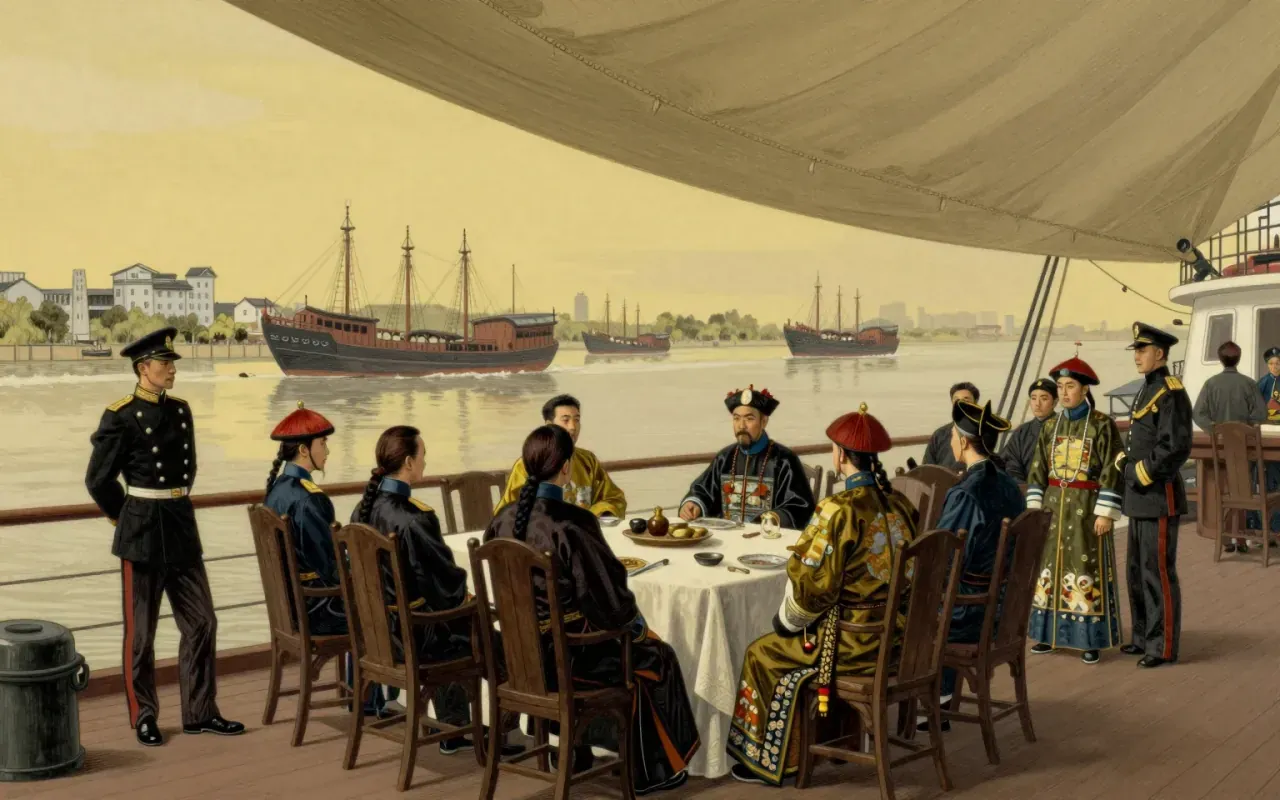
Chinese minister to Washington Liang Cheng had already been pressing for a reduction of the American indemnity share for some time before James’s proposal, arguing that returned funds invested in education would secure peace and trade relations that treaties and military force could not guarantee on their own. Congress passed a joint resolution authorising the return of excess funds on 25 May 1908, and the resulting programme, formally established the following year, funded not just tuition but the full pipeline of student selection, preparatory training and transportation, eventually supporting roughly 1,300 Chinese students at American universities between 1909 and 1937, when the programme effectively ended amid Japan’s invasion of China.
Friendship, officially
Roosevelt’s public statements described the fund’s return explicitly as an act of friendship, a framing echoed in contemporary American press coverage that emphasised the gesture’s generosity relative to the indemnity’s original scale. William Woodville Rockhill, the American minister to China at the time, opposed returning the money directly to the Qing government itself, fearing it would be lost to corruption, and this concern shaped the programme’s design as a dedicated educational fund administered outside ordinary Qing state finances, with the Tsinghua College preparatory school, founded in Beijing in 1911, established specifically to select and train students before their departure for American universities.
Influence, in the same breath
Alongside the friendship framing, Roosevelt and the programme’s architects were candid, in official correspondence and public addresses, about a second and more instrumental purpose: producing an American-educated Chinese elite that would model China’s development on the United States rather than Japan, and that would favour American goods and diplomatic ties as a result. Roosevelt himself acknowledged this competitive dimension directly, expressing a wish to prevent Japan from dominating the intellectual formation of China’s next generation of leaders. This dual framing, sincere goodwill and calculated soft-power investment operating simultaneously rather than one masking the other, is well documented in the programme’s own contemporary record and remains the central interpretive question historians return to when assessing its motives.
Tsinghua, from prep school to university
The programme’s concrete legacy is easier to establish than its motives. Tsinghua College grew from a preparatory school into Tsinghua University, now one of China’s most prominent academic institutions, and programme alumni included physicist Yang Chen-Ning, later a Nobel laureate, philosopher Hu Shih, and rocket scientist Qian Xuesen, a range suggesting the scheme’s educational impact was substantial regardless of how its founding motives are weighed. Roosevelt’s remission also had a diplomatic ripple effect, as Japan, France and Britain subsequently remitted portions of their own Boxer indemnity shares, partly in response to the enhanced international standing the American gesture had earned.
A precedent that outlived its politics
The programme rewards attention because it refuses to separate cleanly into cynical strategy or genuine generosity, offering instead a documented case of both operating together without apparent contradiction in the minds of the people who designed it. Reading Roosevelt’s own words alongside the programme’s substantial educational legacy, including its influence on the later Fulbright Program’s model of exchange funded by returned or repurposed government money, gives a more honest account of how national soft power and sincere cultural investment can coexist in the same policy rather than requiring a choice between the two explanations historians are sometimes tempted to force on it.