Three sieges, not one
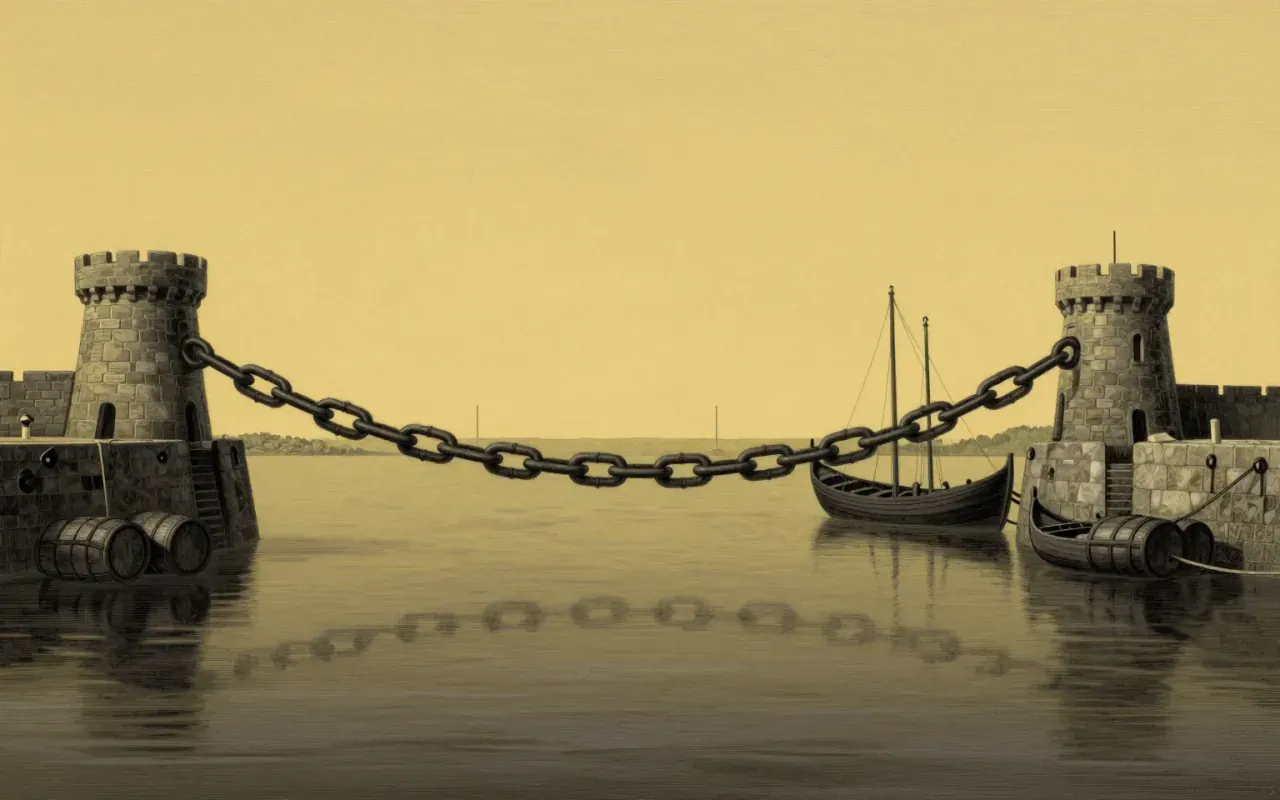
Angkor had already been besieged and occupied twice before its final fall, first around 1352 to 1357 under a Siamese king from Ayutthaya, then again in the 1390s, on both occasions with the Khmer capital eventually recaptured by its own rulers. The decisive siege came in 1430, lasting roughly seven months, after which Ayutthaya’s forces under King Borommarachathirat II took Angkor Thom in 1431. Rather than attempt another recapture, the Khmer king Ponhea Yat judged the city indefensible against continued Siamese pressure and relocated the court first to Basan and then to Chaktomuk, the site of modern Phnom Penh, closing the period of Angkor as a royal capital after roughly six centuries. Earlier occupations had already carried off tens of thousands of Khmer captives to Ayutthaya, draining the region of labour even before the final abandonment. Some temples, however, continued to be tended and visited by Khmer royalty for generations afterward.
Chronicles and satellite data
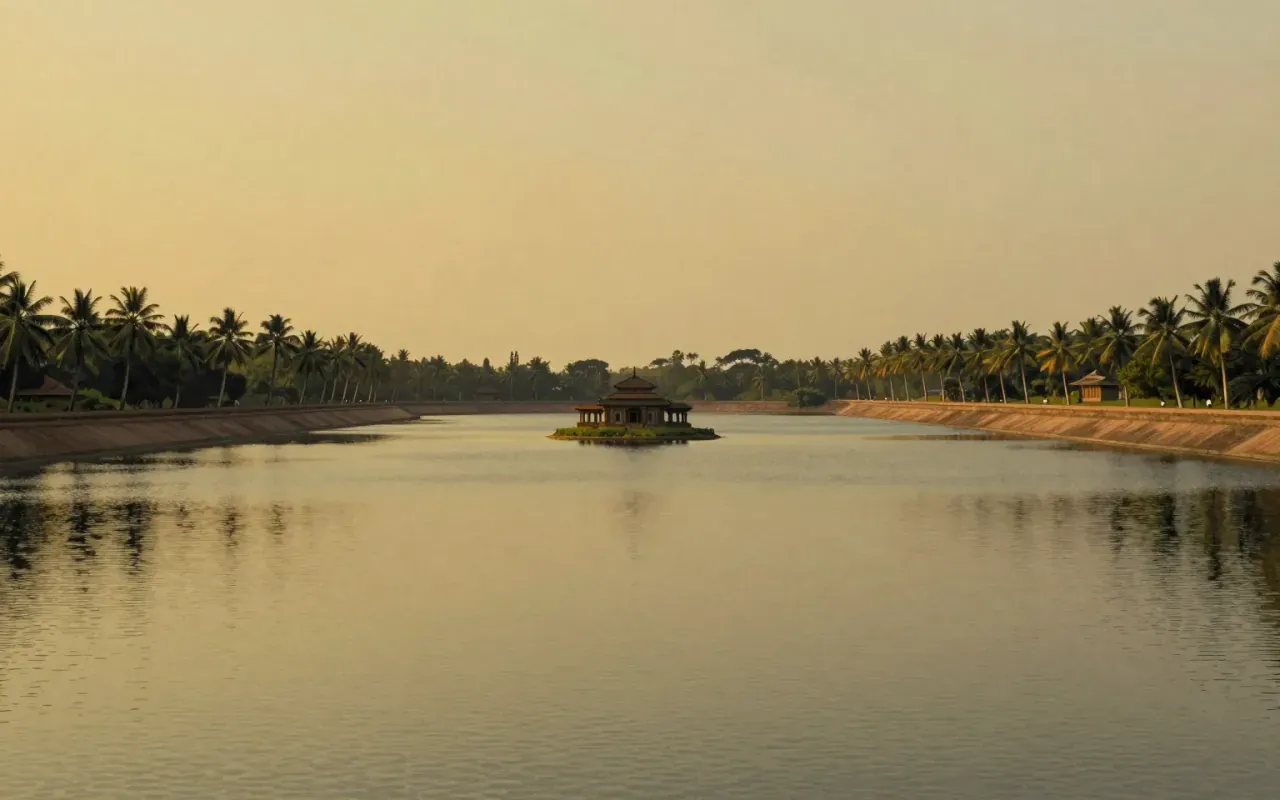
The bare military sequence, that Ayutthaya besieged and took Angkor Thom in 1430 and 1431, rests on Thai chronicle traditions and on Khmer inscriptions including the so-called great inscription of Angkor, sources compiled to serve the political interests of the courts that produced them rather than as neutral battlefield reporting. Much of what historians now know about the scale and sophistication of Angkor’s population and hydraulic infrastructure, essential to understanding why the city may have become vulnerable in the first place, comes not from any contemporary chronicle but from modern satellite and laser-mapping technology that has only recently revealed the true extent of the urban area surrounding the temples. Climate evidence for the droughts sometimes blamed for weakening the city relies on tree-ring reconstructions of past monsoon patterns, a scientific but necessarily indirect source rather than any direct written testimony from the period itself.
A convergence of pressures
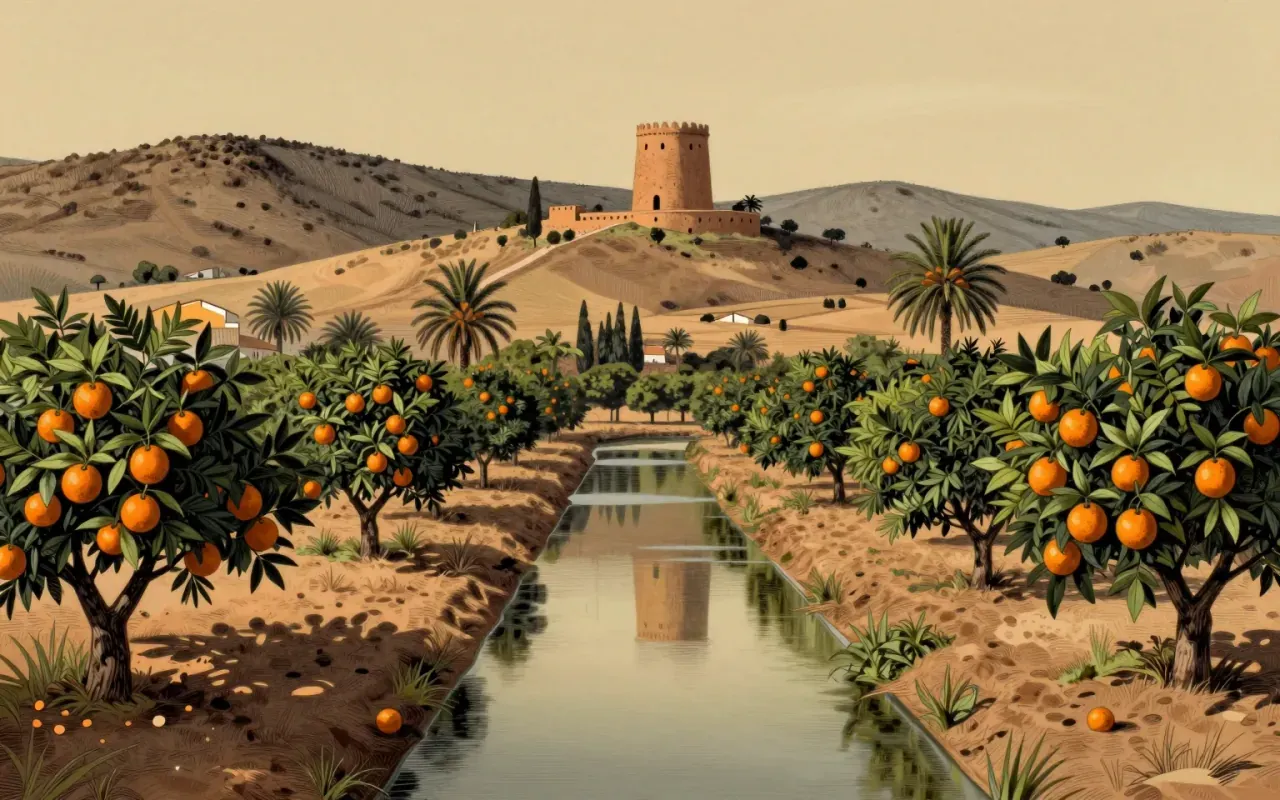
No single cause fully explains why a city that had dominated mainland Southeast Asia for centuries finally gave way after 1431, and the likeliest answer is a convergence of pressures rather than one decisive blow. A rising, increasingly assertive Ayutthaya kingdom to the west had already demonstrated it could take and hold the Khmer capital twice before, steadily eroding both the city’s resources and its royal prestige with each occupation. At the same time, tree-ring evidence points to severe drought in the surrounding decades that likely strained the elaborate reservoir and canal system Angkor depended on for agriculture, while some historians argue centuries of intensive irrigation had already thrown the surrounding ecosystem out of balance in ways that made the city harder to sustain regardless of climate. A shift in regional religious life toward Theravada Buddhism, away from Hindu conceptions of divine kingship, may also have weakened the ideological basis for centralised authority just as material pressures mounted.
No settled cause
Historians remain divided on which of several plausible causes deserves the most weight. Thai historiography tends to emphasise straightforward military conquest as the main explanation, while researchers working from climate data, notably Brendan Buckley, argue that drought critically weakened Angkor’s water infrastructure well before Siamese forces ever arrived, making the city’s fall an environmental as much as a military event. Others, including the archaeologist Bernard-Philippe Groslier, propose that the very engineering that made Angkor’s agriculture so productive eventually produced an ecological imbalance of its own, independent of any external attack. The role of religious change is similarly contested: some scholars argue the spread of Theravada Buddhism undermined the older cult of divine kingship that had legitimised Khmer rulers, while others note that the same Buddhist fervour actually strengthened Siamese moral confidence to challenge Khmer authority, meaning the same religious shift is read as working against both sides rather than clearly favouring one explanation over another.
A slow relocation, not an abandonment
The relocation of the court to the site of modern Phnom Penh marked the beginning of a much less documented period of Khmer history, one later chroniclers and historians alike have struggled to reconstruct in the same detail as the Angkorian centuries that preceded it. Contrary to a popular image of the temples being wholly abandoned to jungle, many important sites remained in active use, rededicated to Theravada Buddhism, and Khmer royalty continued returning to Angkor’s temples for religious purposes and occasional restoration work for generations afterward. Sanskrit disappeared from public inscriptions, replaced by Middle Khmer showing growing influence from Thai and Lao, reflecting a broader cultural reorientation that accompanied the political one. No Cambodian literature is known to survive from the century or two immediately following the move, a gap historians attribute to the general disruption of the transition rather than to any single catastrophic event.
A story of multiple causes
The fall of Angkor rewards attention as a case where the standard image, a great city swallowed suddenly by jungle after military defeat, turns out on inspection to be both too simple and not quite accurate, since the site was besieged repeatedly over decades and never fully abandoned even after the court relocated. Readers interested in how climate science and satellite archaeology are steadily reshaping older, purely political narratives of decline will find this an unusually good example, given how much of the current understanding of Angkor’s vulnerability rests on evidence gathered only within recent decades rather than on the older chronicle sources alone. It is a story better suited to readers comfortable with multiple contributing causes left in genuine tension than to those wanting a single clear explanation, since drought, ecological strain, military pressure and religious change all have real evidence behind them without any one clearly outweighing the rest.