From abandoned poverty to steppe unification
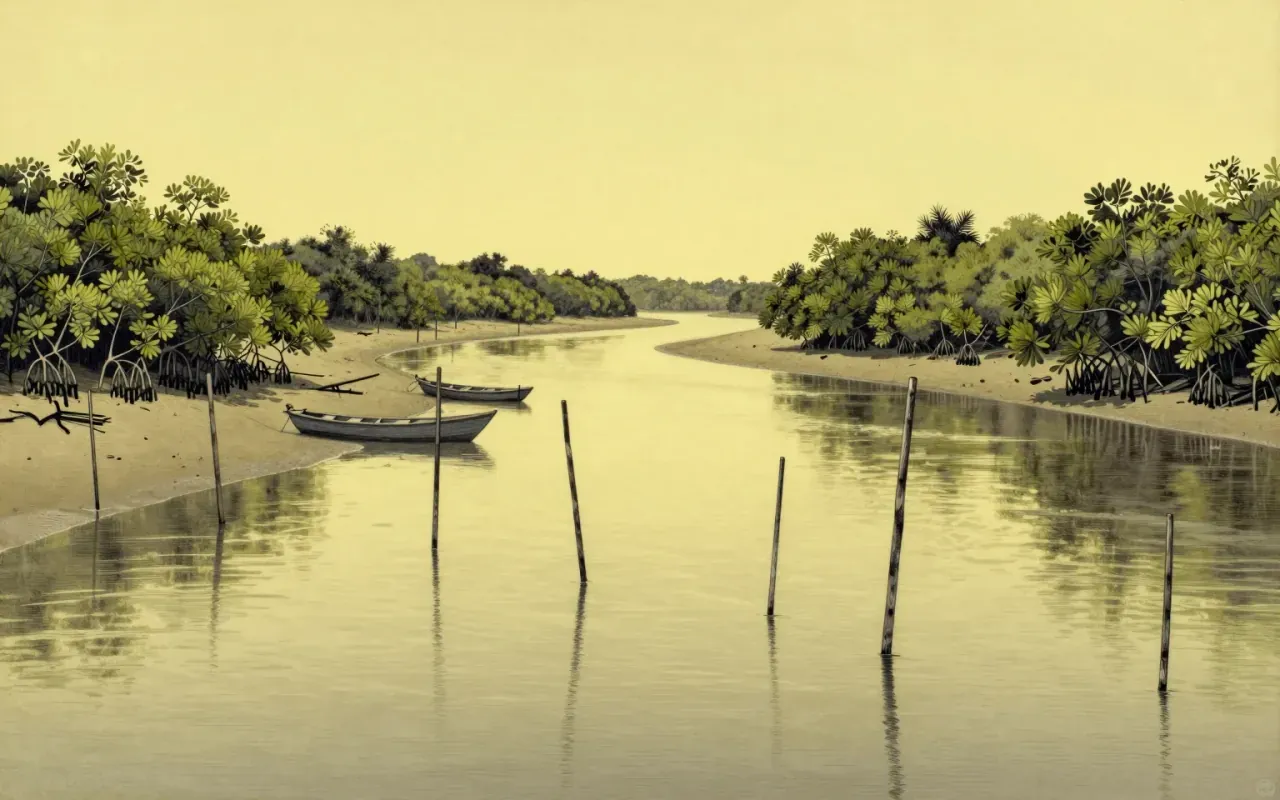
Temüjin was born around 1162 near the Onon River, the son of a minor chieftain, Yesügei, who was poisoned by rival Tatars when Temüjin was about eight years old, after which his family was abandoned by their own tribe and reduced to poverty. Over the following decades he built alliances, survived defeat by rivals including his former ally Jamukha, and steadily absorbed or defeated the Kereit, Naiman and other steppe confederations, culminating in a 1206 assembly at which he was proclaimed Genghis Khan, sole ruler of the united Mongol tribes. From that base he directed conquests of the Western Xia and Jin states in what is now northern China and, from 1219, the Khwarazmian Empire in Central Asia, before dying in 1227 during a further campaign against a rebellious Western Xia.
The Secret History and the chronicles written for his heirs
The Secret History of the Mongols, an anonymous chronicle composed in the Mongolian language sometime after Genghis Khan’s rise, is the earliest and most detailed narrative source for his life, and it does not flatter him uniformly: it records, among other episodes, his killing of a half-brother in his youth and raises open questions about whether his eldest son Jochi was his biological child, following his wife’s earlier abduction. Later histories compiled for his descendants take a different approach. The Persian Compendium of Chronicles, produced in the early fourteenth century for a Mongol ruler of Persia, drew on privileged oral testimony but is understood to have omitted the paternity question entirely, while Chinese dynastic sources reflect the interests of the Yuan state his grandson founded, illustrating how each chronicle’s sponsor shaped what it was prepared to record.
Merit, discipline, and a decimal army
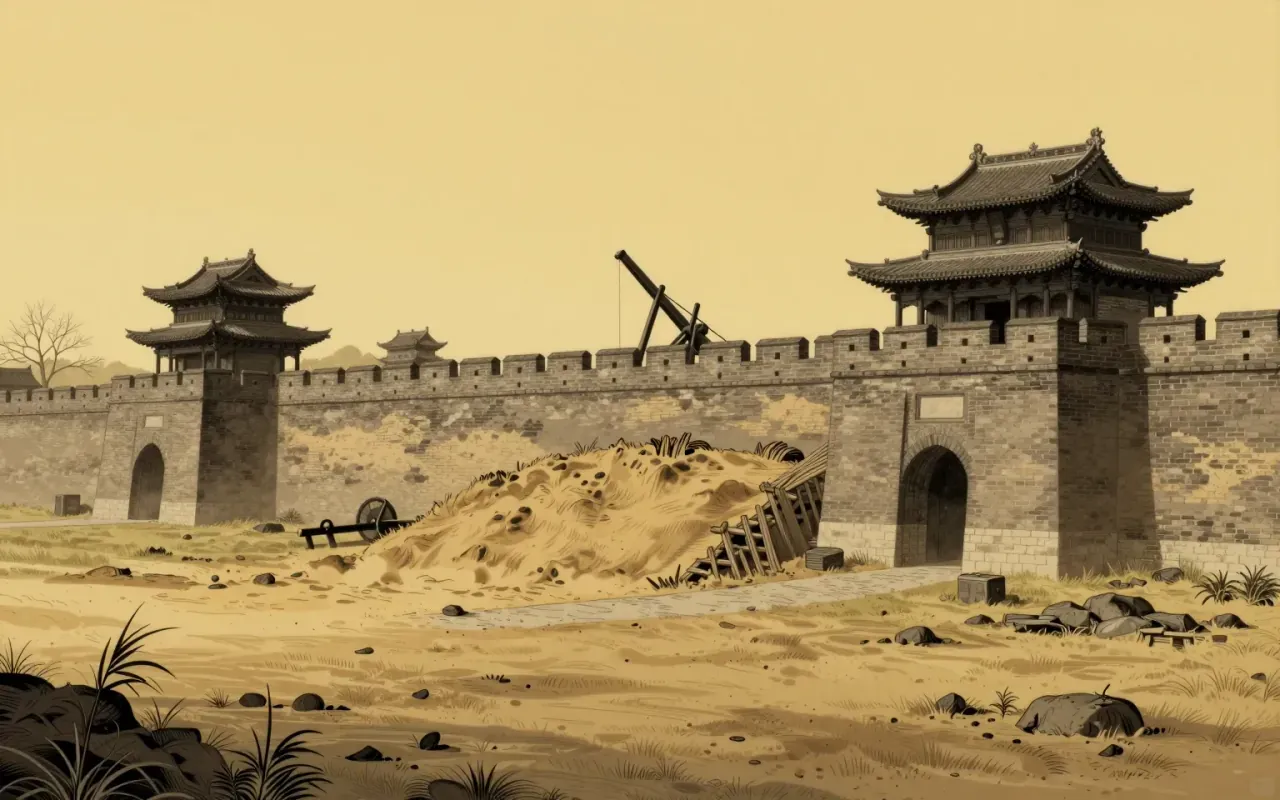
Genghis Khan’s military and administrative success rested on reorganising Mongol society away from older tribal loyalty and toward direct obligation to himself and his family, structured through a decimal system of military units and an expanded personal guard that doubled as an administrative training ground. He promoted commanders on demonstrated ability rather than birth, adopted new siege technology from captured Jin engineers, and issued a legal code, the Yassa, that included religious tolerance and tax exemptions for clergy of different faiths. This combination let a numerically limited steppe population project military power across vastly larger and more populous settled territories in China, Central Asia and the Middle East.
Millions killed, no agreed number
The historical record of the campaigns describes armies killing large numbers of people without offering a specific overall figure or citing scholarly consensus on the scale, a gap that reflects a genuine difficulty in the underlying evidence: contemporary chronicles from conquered populations, particularly in Central Asia and Persia, describe devastated cities and mass killing in dramatic terms that are hard to convert into reliable numbers, while Mongol-sponsored sources say comparatively little about civilian casualties at all. Historians have also long debated Genghis Khan’s character itself, with older Russian and Arabic-language traditions casting him as a straightforwardly savage tyrant and more recent Western scholarship, from the 1990s onward, arguing that this picture oversimplifies a ruler who combined documented brutality toward resistant enemies with loyalty to his own followers and religious tolerance toward conquered subjects.
Death without a known grave
Genghis Khan died in August 1227, most likely during the campaign against Western Xia, though the precise cause of death is not established, and by design his burial site was kept secret and remains unknown to this day. Succession passed, after a two-year interregnum, to his third son Ögedei in 1229, while descendants of his lineage, the Borjigin family, continued to hold nominal or actual rule across large parts of Eurasia for centuries afterward, with later conquerors including Timur governing through puppet rulers drawn from Genghis’s line rather than claiming the title for themselves outright.
A conqueror whose reputation keeps being rewritten
Genghis Khan is unusually well documented for a steppe leader of his period, thanks chiefly to the Secret History’s willingness to record uncomfortable family detail that more official chronicles left out, but the resulting record is still pulled in different directions by sources written for very different audiences. Readers drawn to military history will find a genuinely remarkable case of organisational innovation turning a small population into a dominant continental power; readers more interested in how conquerors get remembered will find, in the long swing between savage-tyrant and misunderstood-innovator interpretations, a clear demonstration of how much a reputation depends on which century, and which side, is doing the describing.