historybriefs
Topic

Climate change

Physics that became politics, on a schedule nobody set.

9
in history
13:00
average
117 min
in total
107
across the network
Climate change across the network →
All briefs9
13:00

Typhoon Haiyan

3 November – 11 November 2013

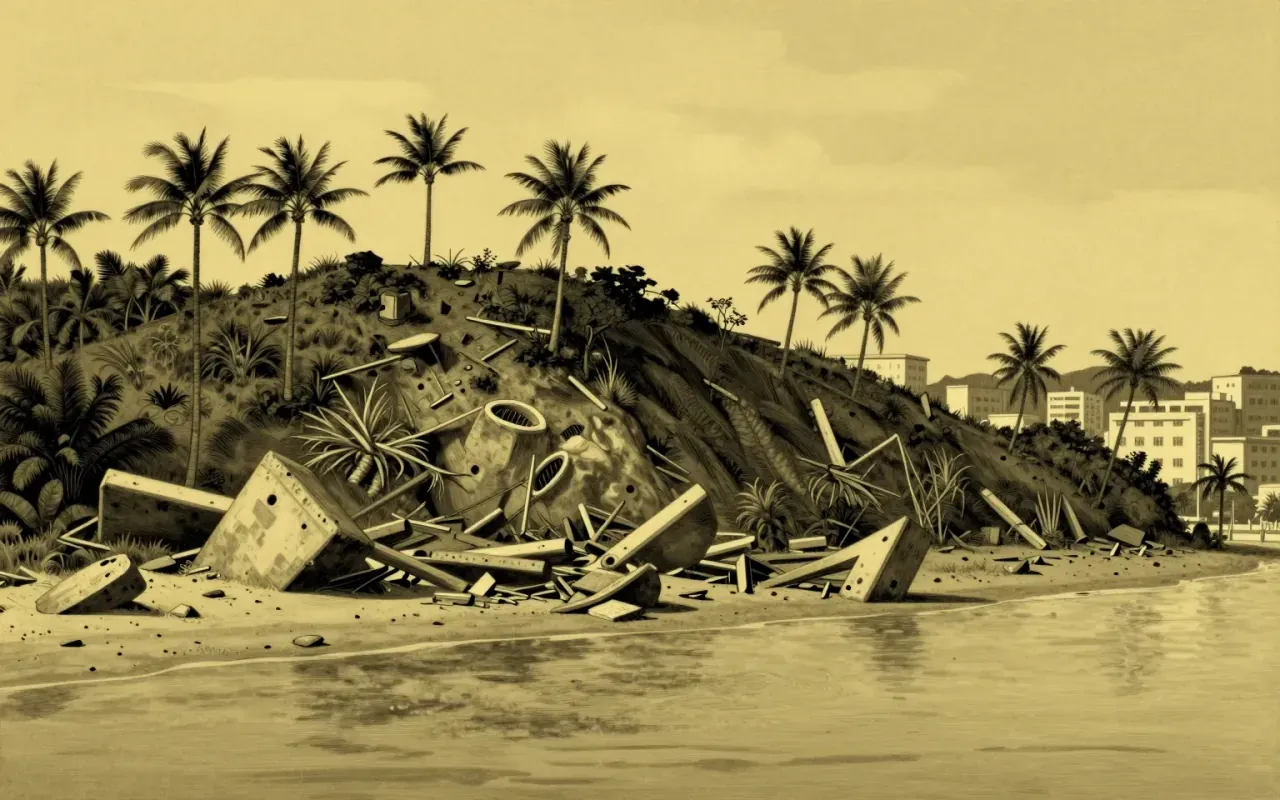
Typhoon Haiyan reached one-minute sustained winds of 315 kilometres an hour before striking the Philippines on 7 November 2013, at the time the strongest tropical cyclone ever recorded by wind speed, and it went on to make six separate landfalls across the Visayas. Its storm surge, reaching 5.2 metres at Tacloban's airport, proved deadlier than the wind itself, destroying an estimated ninety percent of the city and even flooding the evacuation centre meant to shelter residents from the storm. The disaster killed at least 6,300 people, displaced over six million, and caused roughly 2.2 billion dollars in damage, making it the costliest typhoon in Philippine history, while triggering a large international relief effort complicated by damaged infrastructure and, controversially, an initially very small pledge of aid from China.
13:00

Bushfires in Australia

Since 1851

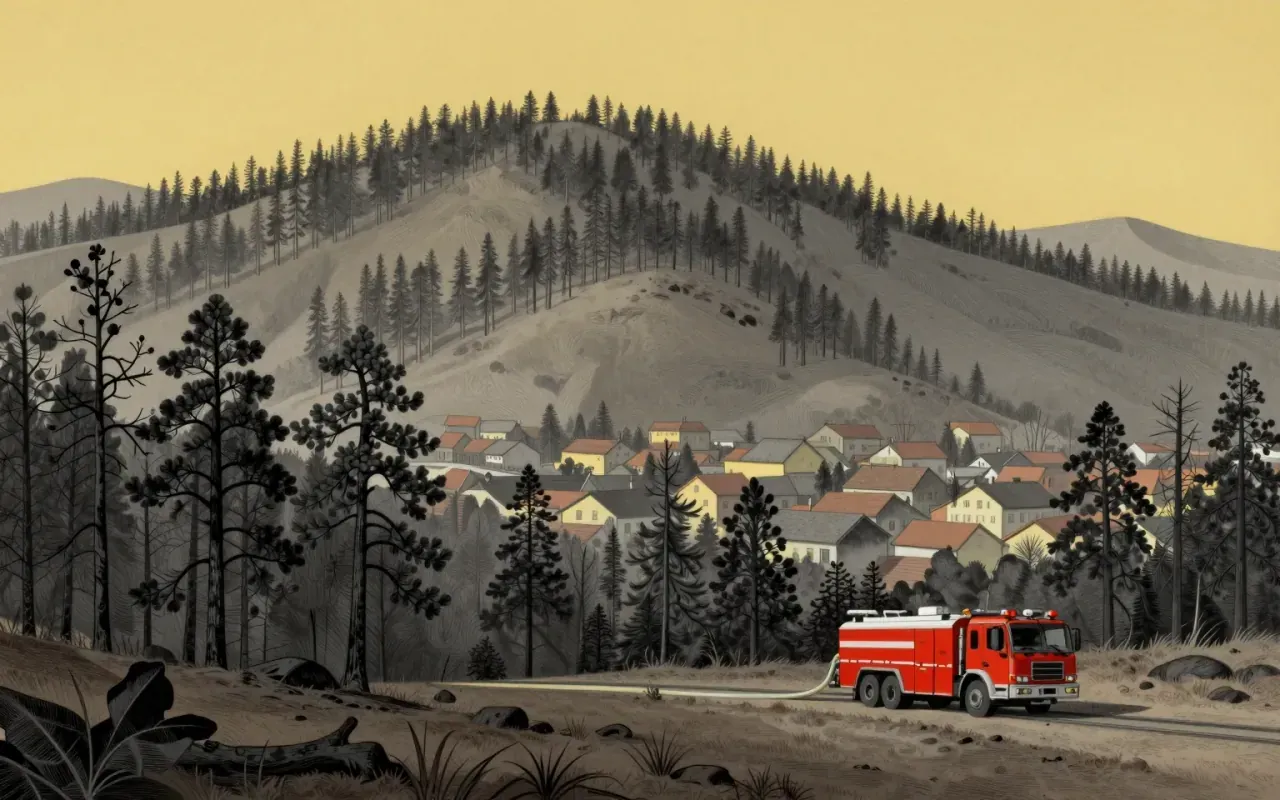
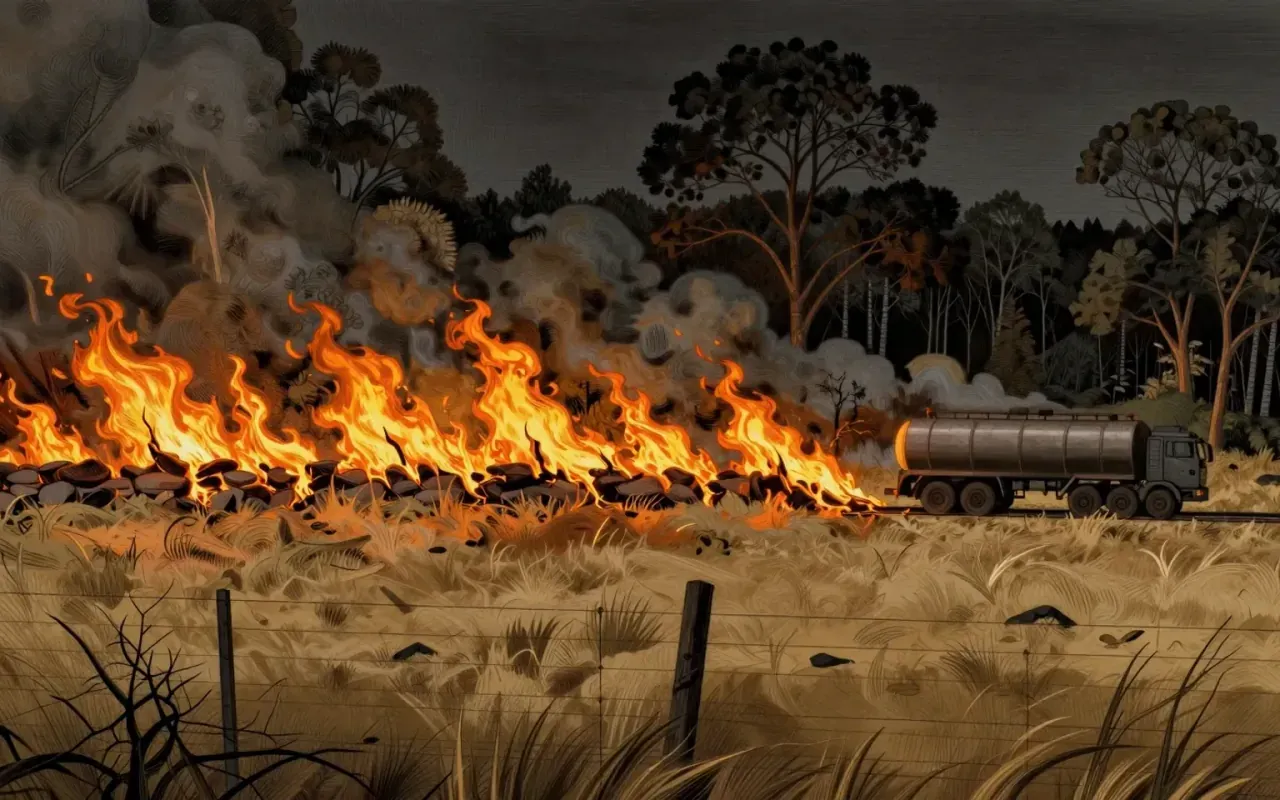
Bushfires have killed roughly eight hundred people in Australia since 1851, through a recurring sequence of major disasters including Black Friday in 1939, Ash Wednesday in 1983, and Black Saturday in 2009, the country's deadliest single fire event with 173 deaths. The Black Summer season of 2019 to 2020 surpassed them all in scale, burning around twenty-four million hectares, killing thirty-three people directly and contributing to a further 417 deaths through smoke inhalation, and causing an estimated 100 billion dollars in damage, making it the costliest natural disaster in Australian history. Roughly forty percent of fires in the country's southeast between 1997 and 2009 were deliberately lit, but Black Summer's scale is tied by the sources to record heat, prolonged drought, and a debate over climate change and fire management that remains unresolved in Australian politics.

13:00

Floods in Australia

Since 1852

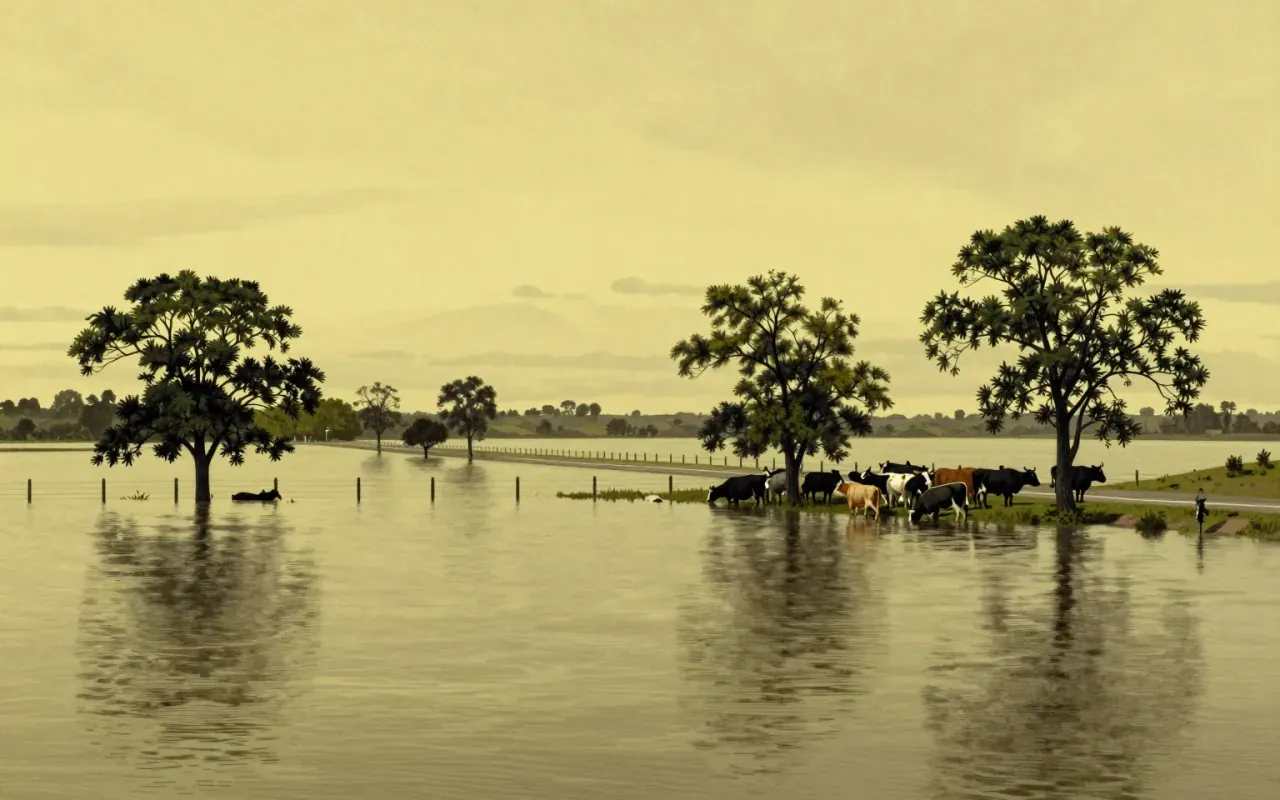
Australia's deadliest recorded flood remains the 1852 Gundagai disaster, which killed 89 people, but the country has continued to suffer serious flooding through the twentieth and twenty-first centuries, including a 1934 Yarra River flood that killed 35 people in Victoria. The 2010 to 2011 Queensland floods, driven by a strong La Niña and Tropical Cyclone Tasha, affected more than 200,000 people and killed 33, including nine in a sudden flash flood at Grantham that Premier Anna Bligh described as an inland tsunami. Total economic costs reached an estimated 14.1 billion Australian dollars, and a subsequent legal battle over whether mismanagement of the Wivenhoe Dam worsened Brisbane's flooding ran until the High Court declined a final appeal in 2022.

13:00

Dust Bowl

1930–1936

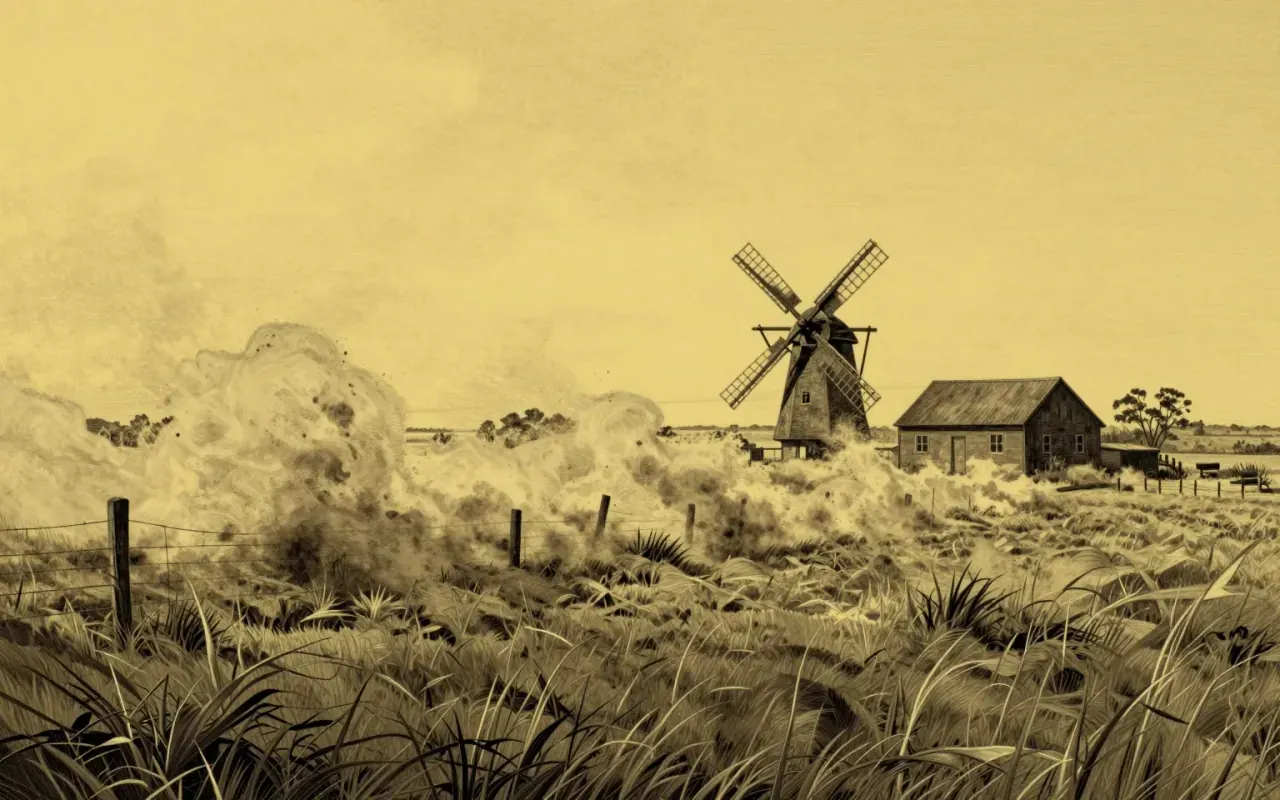
Severe drought combined with farming practices that had stripped the Great Plains of native grasses produced a decade of catastrophic dust storms through the 1930s, peaking with the storm known as Black Sunday in April 1935. Federal programmes under Franklin Roosevelt's New Deal introduced soil conservation measures that cut blowing soil by roughly two-thirds by 1938, but recent scholarship has challenged the popular image of a mass exodus, arguing migration out of the Plains rose only slightly compared with the previous decade.

13:00

2003 European heatwave

2003

The summer of 2003 was Europe's hottest since at least 1540, with temperatures reaching 47.3 degrees Celsius in Portugal and record highs across Britain, Germany, and Switzerland, and it is estimated to have killed around 72,000 people across the continent. France suffered the heaviest toll, somewhere between roughly 14,800 and 19,000 deaths, driven less by the heat itself than by nights that stayed unusually warm, housing without air conditioning, and a health and social care system that emptied out for the traditional August holiday just as elderly people living alone needed it most. The scandal cost Health Minister Jean-François Mattei his job the following year and led France to build a national heat wave response plan that has measurably reduced death tolls in subsequent hot summers.

13:00

Fall of Angkor

1431

Angkor was besieged and occupied twice by the Ayutthaya kingdom before a final seven-month siege in 1430 forced the Khmer court to abandon it in 1431 for the site of modern Phnom Penh. Historians attribute the fall to some combination of military pressure, drought revealed only by modern tree-ring analysis, ecological strain from the city's own irrigation system, and a religious shift away from the older cult of divine kingship. Many temples remained in use long after the court's departure, and Sanskrit gave way gradually to Middle Khmer rather than the culture vanishing all at once.

13:00

Fall of the Western Roman Empire

476

The Western Roman Empire's collapse, conventionally dated to 476 AD when the Germanic commander Odoacer deposed the emperor Romulus Augustulus, followed a century of Gothic and other Germanic incursions, military strain and repeated civil war. Historians propose climatic, epidemiological, economic, political and religious explanations, and disagree sharply about whether to describe the process as a catastrophic fall or a more gradual transformation into successor kingdoms that preserved much of Roman law, language and administration.

13:00

Kyoto Protocol

2005

Adopted in 1997 and taking effect in 2005 once Russia's ratification met the treaty's entry threshold, the Kyoto Protocol bound thirty-seven industrialised countries to specific greenhouse gas reduction targets against a 1990 baseline. All thirty-six parties assessed for the first commitment period complied with their targets, yet global emissions rose by roughly a third between 1990 and 2010, a gap that shaped the Paris Agreement's later shift toward voluntary national pledges rather than binding international targets.

13:00

Paris Agreement

12 December 2015

Adopted on 12 December 2015 by nearly two hundred countries at the United Nations climate conference outside Paris, the agreement commits parties to keeping global warming well below two degrees Celsius above pre-industrial levels, with an aspiration toward 1.5 degrees, through voluntary national pledges reviewed every five years. It entered into force in November 2016, and the United States has since withdrawn and rejoined it twice, first under Donald Trump in 2017 and Joe Biden in 2021, and again with Trump's second withdrawal taking effect in January 2026, underscoring how dependent the agreement's voluntary structure is on continued political will.