A campaign against ‘revisionism’
The Cultural Revolution ran from 16 May 1966, when Mao Zedong issued the directive that launched it, until his death on 9 September 1976 and the arrest of his closest allies shortly afterward. Mao framed the campaign as a defence against creeping capitalist and traditional influence within Chinese society and the Communist Party, mobilising students and young people as Red Guards to attack what was labelled the Four Olds, meaning old ideas, culture, customs and habits. The movement passed through distinct phases, an initial period of mass upheaval from 1966 to 1968, a period shaped by military figure Lin Biao until his fall from power in 1971, and a final phase dominated by a small leadership clique around Mao’s wife Jiang Qing until his death ended it.
Red Guards and the ‘Four Olds’
Much of what is publicly known about this period comes from the Communist Party’s own later reckoning, most significantly a formal 1981 verdict that judged the decade to have caused the party, the state and the population their most severe setback since the People’s Republic’s founding, an unusually direct self-criticism from a government that rarely repudiates its own past so explicitly. Beyond that official verdict, the historical record relies on surviving Red Guard publications, later personal memoirs from those persecuted or relocated, and gradual archival access, though contemporary Chinese discourse still commonly refers to the period simply as the ten years of chaos, a phrase that itself signals how unresolved the public reckoning with it remains.
Purging Mao’s own colleagues
Mao’s motives are generally traced to a combination of ideological conviction and personal political calculation. The catastrophic famine that followed his earlier Great Leap Forward, estimated to have killed between fifteen and fifty-five million people, had weakened his authority within the party, and rivals including Liu Shaoqi and Deng Xiaoping had begun questioning his economic judgment. Mao responded by mobilising forces outside the normal party hierarchy, students and youth rather than officials, framing rebellion against entrenched authority as ideologically justified. This let him outflank colleagues who controlled the party’s ordinary administrative machinery, at the cost of unleashing disorder that state institutions proved largely unable to contain once it began.
Numbers still not fully settled
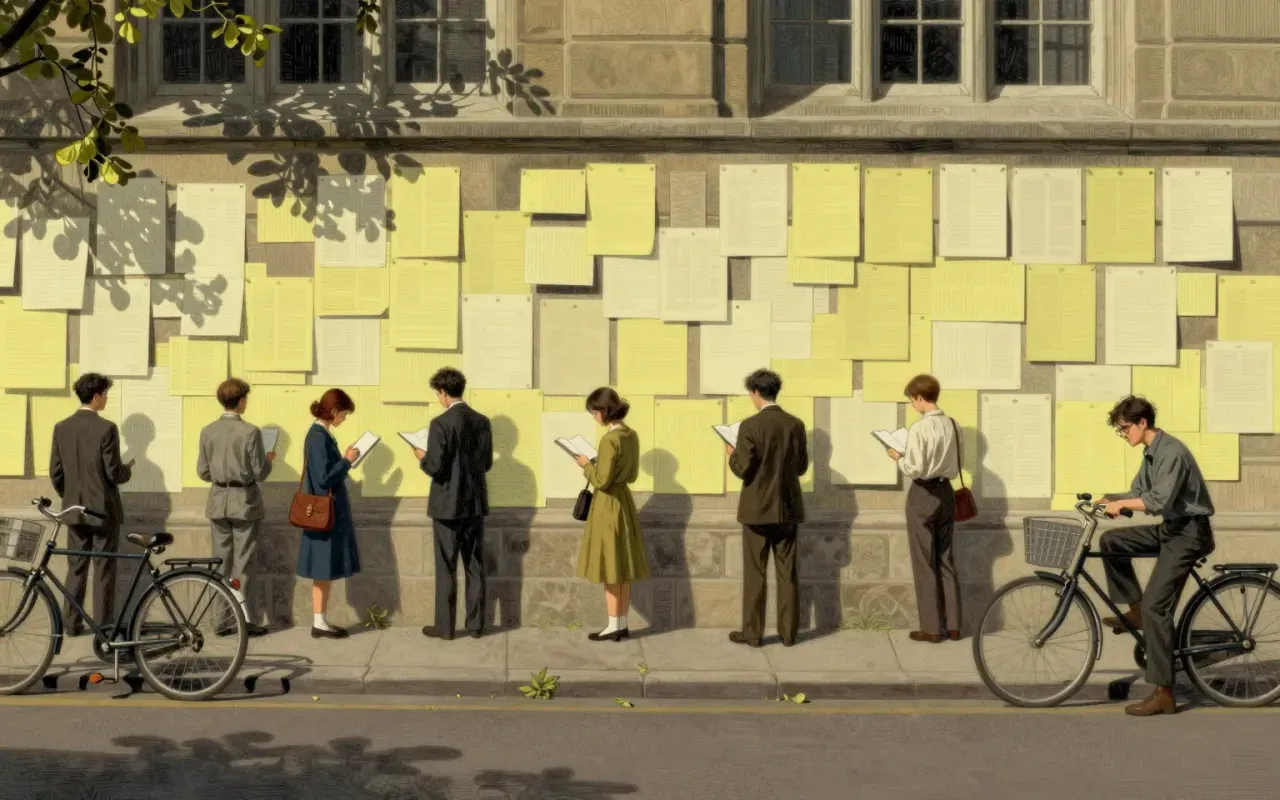
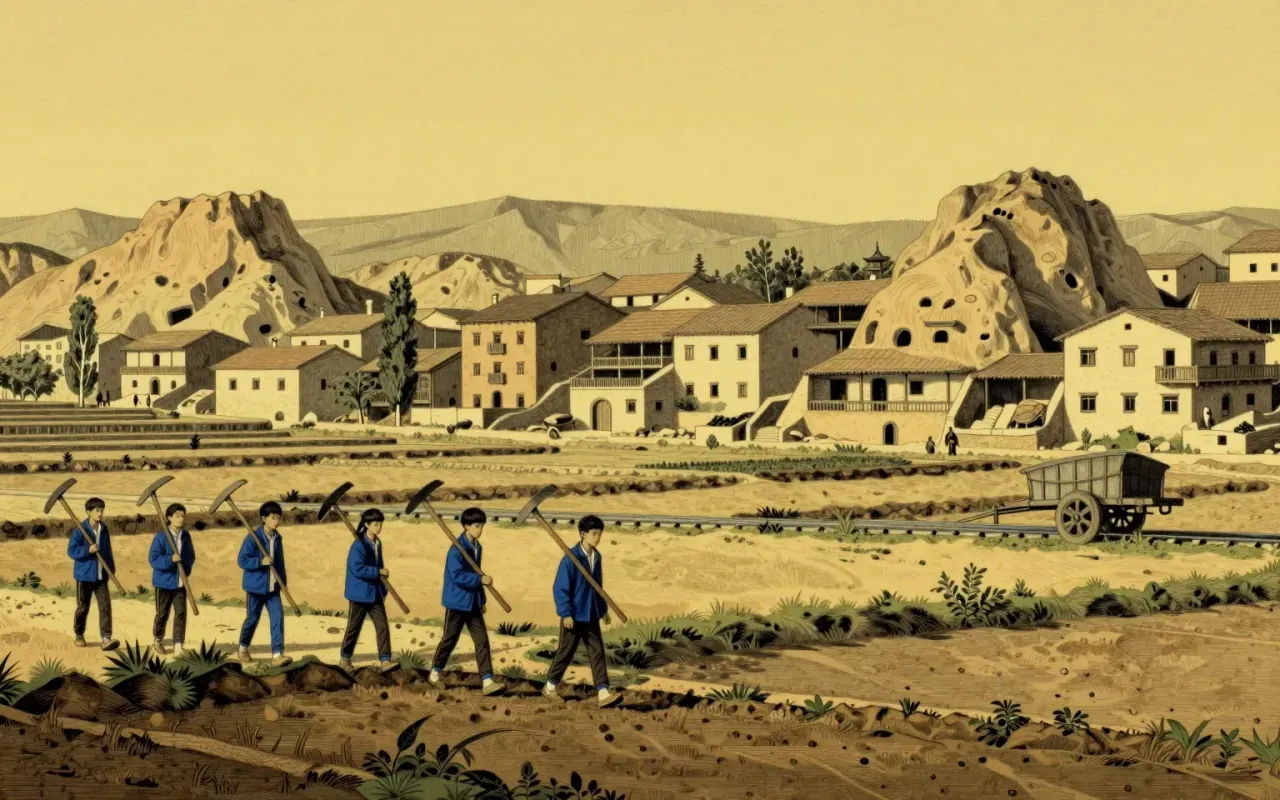
Casualty figures for the decade are given only as estimates, generally between one and two million deaths, a range that reflects both the scale of violence across a vast country and the incomplete or suppressed records kept during and after the period, particularly around specific atrocities such as mass killings in Guangxi and Inner Mongolia. Persecution reached far beyond those killed: tens of millions were formally targeted, including people categorised under labels such as the Five Black Categories or condemned as intellectuals, and the disruption to education was severe enough that national college entrance examinations were suspended entirely for years, with over ten million urban youth forcibly relocated to rural areas as part of the upheaval.
The Gang of Four’s final years
The movement’s end came only with Mao’s death, after which the arrest of the Gang of Four closed its final chapter and cleared the way for Deng Xiaoping’s return to power in 1978. Deng’s subsequent reform and opening up policies deliberately reversed much of the Cultural Revolution’s ideological direction, and subsequent official campaigns worked to systematically dismantle Maoist economic and social frameworks in favour of a very different trajectory for China’s development, one whose economic effects are still visible in the country’s current structure decades later, even as the party has never fully repudiated the movement’s founding figure alongside its condemnation of the decade itself.
The party’s own verdict
This is a decade whose scale and internal contradictions, a party turning its own youth against its own officials, in the name of ideological purity, make it genuinely difficult to summarise cleanly, and the material here is honest about that difficulty rather than forcing a tidy narrative. It rewards attention especially for what it shows about how quickly official institutions can be bypassed once a leader mobilises forces outside them. It is a less rich source, though, for anyone wanting to understand what the decade actually felt like on the ground for the millions caught up in it, which appears here mainly through statistics rather than testimony.