historybriefs
Topic

Marxism

An analysis of capital that outlived the states built in its name.

9
in history
13:00
average
117 min
in total
26
across the network
Marxism across the network →
All briefs9
13:00

Mao Zedong

1893–1976

From a Hunan peasant household to chairman of the Chinese Communist Party for over three decades, Mao Zedong built his power on a rural strategy Marxist orthodoxy had dismissed, then used control of propaganda and education to shape how his rule would be remembered. His decades in office combined rapid industrialisation and literacy gains with famine and political purges whose full toll remains disputed. Assessments of his legacy still split sharply between accounts of a nation-builder and a mass killer.
13:00

Rosa Luxemburg

1871–1919

A Polish-German Marxist theorist and one of the first women to earn a doctorate in political economy, Rosa Luxemburg spent her career arguing for revolutionary spontaneity against both reformist socialism and Bolshevik authoritarianism, before co-founding the German Communist Party during the 1918-1919 revolution. Captured after the Spartacist uprising's defeat, she was beaten and shot by Freikorps paramilitaries on 15 January 1919, and how much official sanction lay behind her killing remains unresolved.

13:00

Chinese Communist Revolution

1927–1949

Between the founding of the Chinese Communist Party in 1921 and the proclamation of the People's Republic in 1949, China passed through warlordism, a fractured alliance with the Nationalists, a Japanese invasion, and a civil war that the Communists eventually won. The victory owed as much to Nationalist collapse and rural discontent as to any single Communist strategy, and the party's own founding date is only one of several plausible starting points historians use for the story.

13:00

Communist International

1919–1943

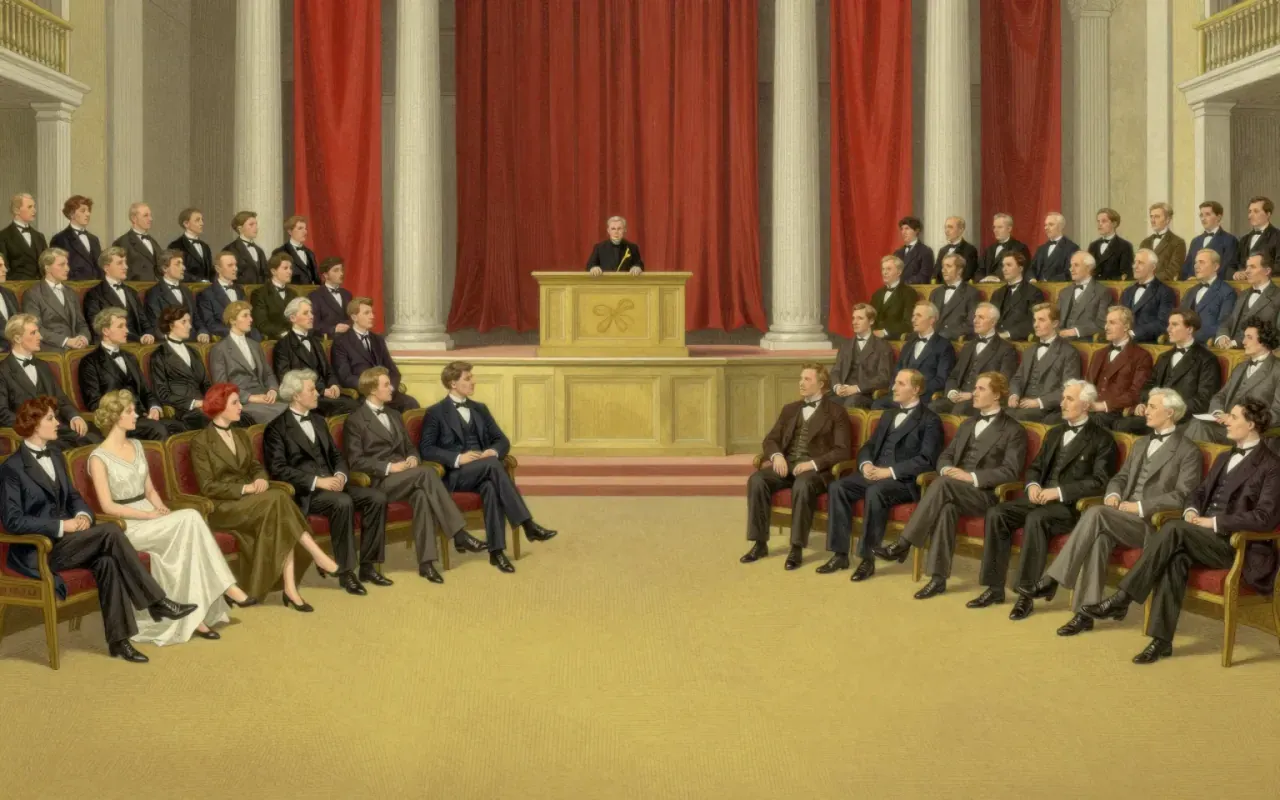
Lenin founded the Communist International in Moscow in March 1919 to coordinate a world communist movement around Bolshevik leadership, binding member parties to twenty-one strict conditions adopted the following year. Under Stalin the organisation was steadily subordinated to Soviet state interests, first through a sectarian policy in the late 1920s and early 1930s that branded social democrats as fascists, then through a reversal into broad anti-fascist popular fronts after 1934, even as many of its own foreign officials were swept up and executed in the Great Purge. Stalin dissolved the Comintern in 1943 as a wartime gesture to his Western allies.

13:00

Cultural Revolution

1966–1976

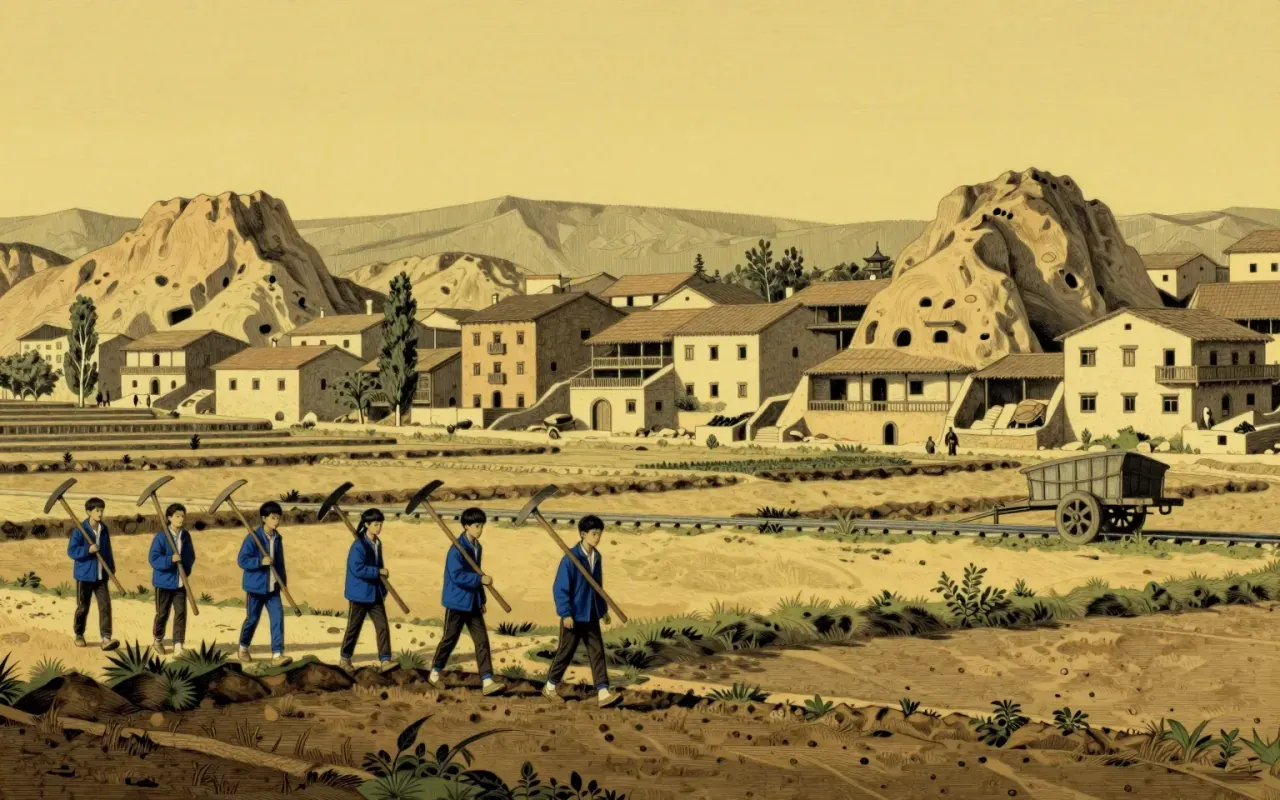
Mao Zedong launched the Cultural Revolution in May 1966 to purge rivals and eliminate what he saw as capitalist and traditional influence within Chinese society, mobilising Red Guards against officials, intellectuals and cultural institutions. It ran for a decade, until his death in September 1976, disrupting education, displacing millions of urban youth to the countryside, and killing an estimated one to two million people, before the Communist Party's own 1981 verdict formally condemned it as catastrophic.

13:00

Great Leap Forward

1958–1962

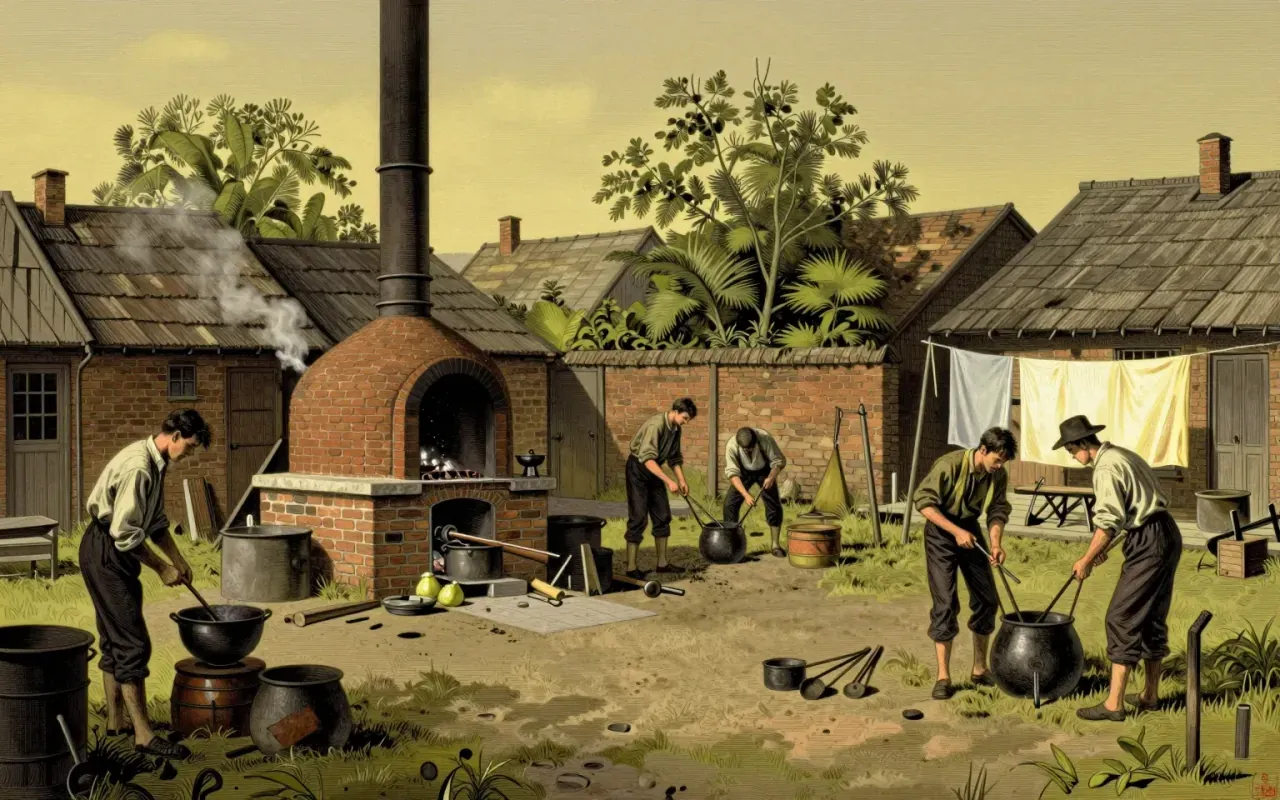
In 1958 Mao Zedong launched a campaign to industrialise China rapidly through mass collectivisation and backyard steel production. Inflated harvest reports fed state procurement that stripped grain from the countryside, and a famine took hold by 1959 that lasted into 1961. Estimates of the death toll, reconstructed only decades later from demographic data, range from roughly fifteen to fifty-five million, and historians still argue over how to divide responsibility between Mao, provincial officials and genuine weather disasters.

13:00

Hundred Flowers Campaign

1956–1957

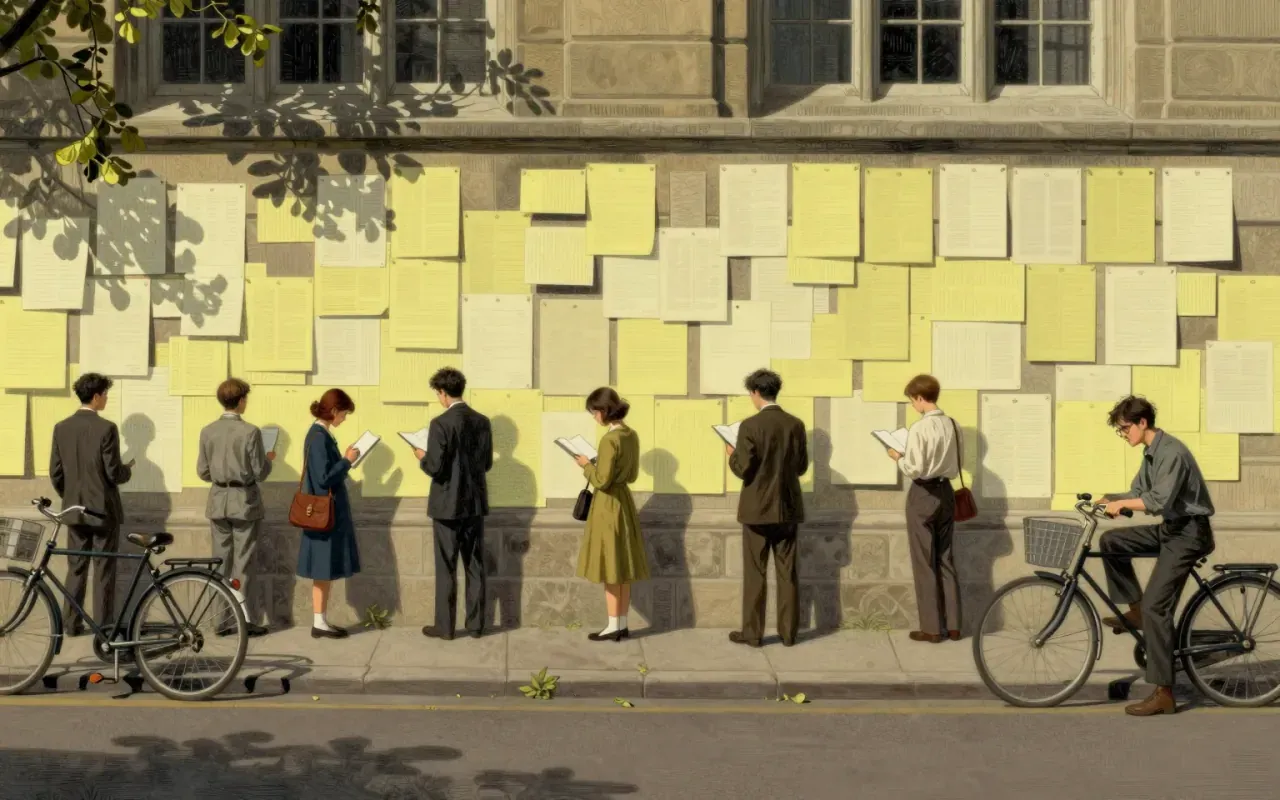
In 1956 Mao Zedong invited public criticism of the Communist Party, encouraging intellectuals to speak freely under the slogan of a hundred flowers blooming. Criticism grew sharper through early 1957 until, within months, Mao reversed course and recast critics as hostile rightists, launching a crackdown that branded roughly four hundred thousand people rightists. Historians still dispute whether the invitation was a deliberate trap or a genuine liberalisation that alarmed its own author once it succeeded.

13:00

October Revolution

25 October – 26 October 1917

The October Revolution unfolded over roughly twenty-four hours on 24 and 25 October 1917 in the old Russian calendar, as Bolshevik forces under Leon Trotsky's organisation seized key points in Petrograd and took the Winter Palace from a token garrison of cadets, cossacks and a women's battalion, forcing Alexander Kerensky's Provisional Government to flee. Vladimir Lenin became head of the new Soviet government, and though the Bolsheviks won only 24 percent of the vote in elections held weeks later, they dissolved the resulting Constituent Assembly after a single session, a seizure of power that Soviet-era propaganda later reimagined as a dramatic battle even though the original assault had produced almost no casualties at all.

13:00

Vladimir Lenin

1870–1924

Vladimir Lenin's brother was executed for plotting against the tsar in 1887, a turning point that pushed him toward the revolutionary Marxism he spent three decades organising before leading the Bolsheviks to power in October 1917. His government's mix of land and peace decrees, a violent Red Terror, and a wartime economy built on forced grain requisition left a legacy historians still argue over: a champion of working-class liberation to his admirers, and to his critics the architect of a one-party, secret-police state with a direct line to Stalin's later atrocities.