historybriefs
Topic

Propaganda

Persuasion that hides the fact it is persuading.

7
in history
13:00
average
91 min
in total
35
across the network
Propaganda across the network →
All briefs7
13:00

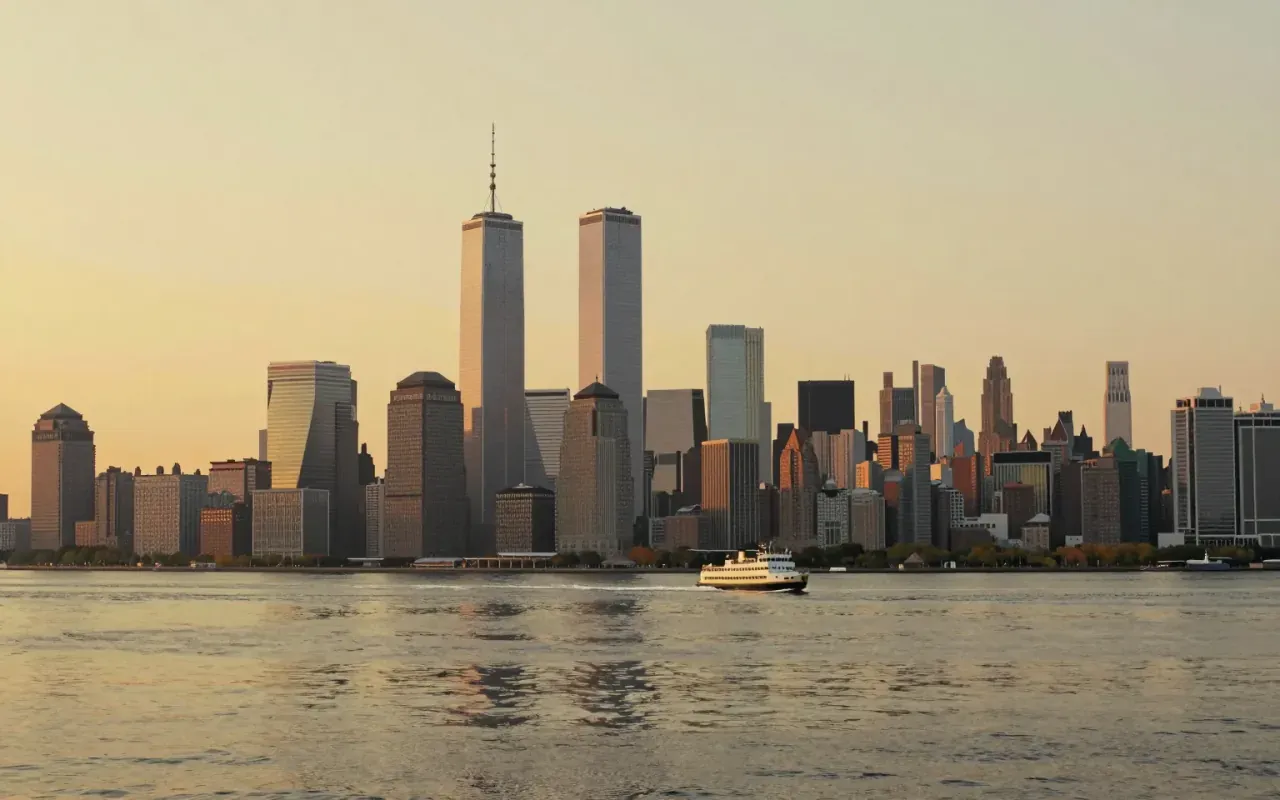
September 11 attacks

11 September 2001

On 11 September 2001, al-Qaeda operatives hijacked four airliners and crashed three of them into the World Trade Center and the Pentagon, with the fourth brought down by passengers over Pennsylvania, killing 2,977 people. The 9/11 Commission's 2004 report established the plot's planning in detail, while the wars in Afghanistan and Iraq that followed are estimated by the Costs of War Project to have contributed to over 4.5 million deaths in the decades since.
13:00

Beer Hall Putsch

8 November – 9 November 1923

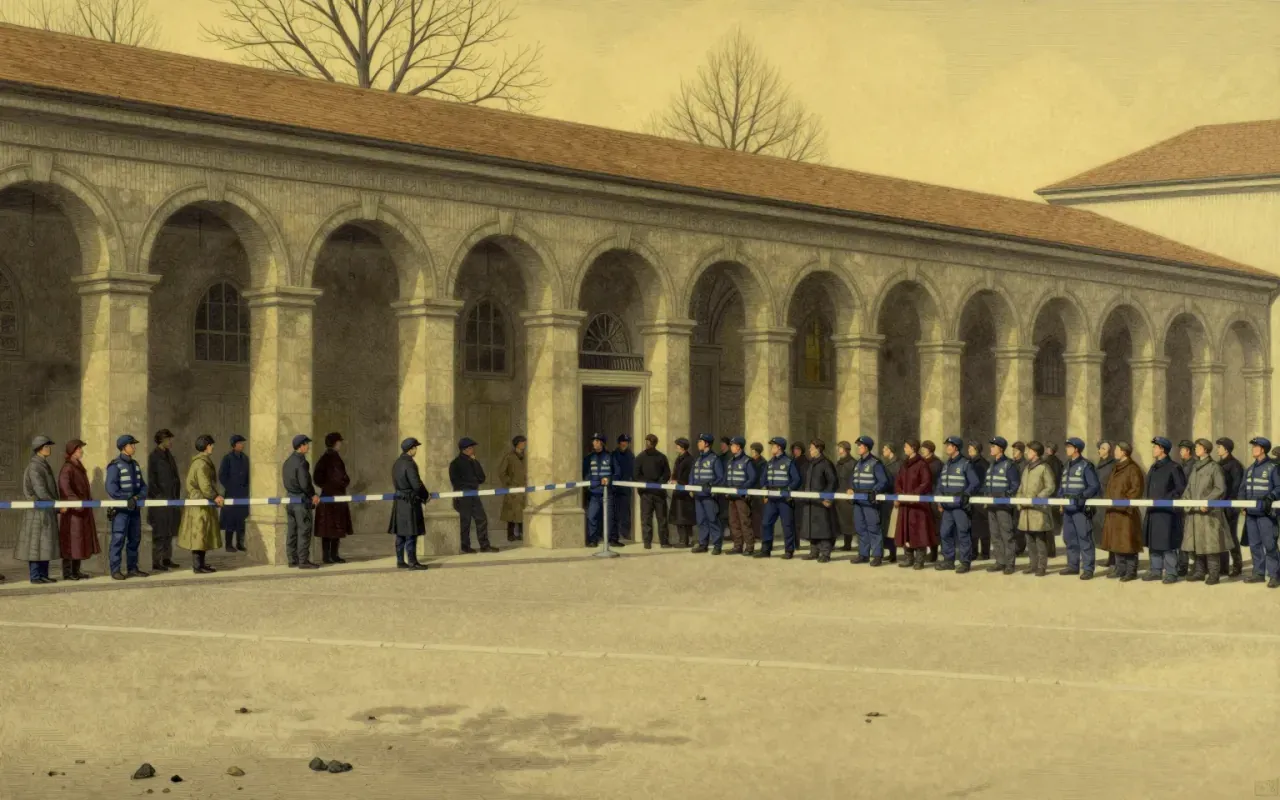
Hitler's attempt to seize power in Munich on 8 and 9 November 1923 collapsed within hours once a police cordon met his marching supporters with gunfire, killing sixteen Nazis and four police officers before Hitler was arrested two days later. His trial gave him national publicity he had not had before, his sentence amounted to comfortable fortress confinement rather than harsh imprisonment, and the nine months he actually served produced Mein Kampf and a deliberate strategic shift from armed putsch to the legal route that brought him to power a decade later.

13:00

Cultural Revolution

1966–1976

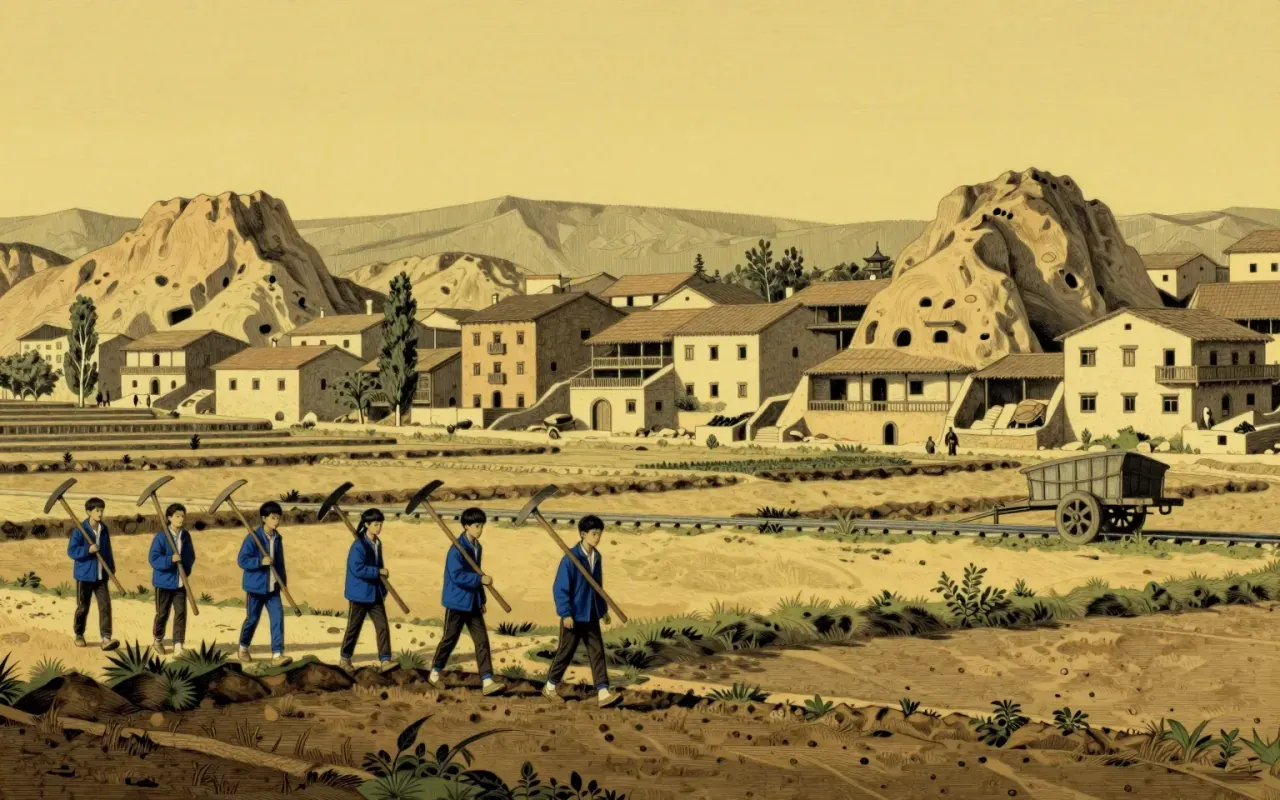
Mao Zedong launched the Cultural Revolution in May 1966 to purge rivals and eliminate what he saw as capitalist and traditional influence within Chinese society, mobilising Red Guards against officials, intellectuals and cultural institutions. It ran for a decade, until his death in September 1976, disrupting education, displacing millions of urban youth to the countryside, and killing an estimated one to two million people, before the Communist Party's own 1981 verdict formally condemned it as catastrophic.

13:00

Hundred Flowers Campaign

1956–1957

In 1956 Mao Zedong invited public criticism of the Communist Party, encouraging intellectuals to speak freely under the slogan of a hundred flowers blooming. Criticism grew sharper through early 1957 until, within months, Mao reversed course and recast critics as hostile rightists, launching a crackdown that branded roughly four hundred thousand people rightists. Historians still dispute whether the invitation was a deliberate trap or a genuine liberalisation that alarmed its own author once it succeeded.

13:00

History of the Philippines (1965–1986)

1965 to 1986

Ferdinand Marcos declared martial law in September 1972 and ruled the Philippines by decree for the following decade, a period historian Alfred McCoy documents as involving over three thousand extrajudicial killings and tens of thousands tortured or detained, while the Marcos family allegedly stole as much as ten billion dollars from state coffers. His government fell to the peaceful 1986 People Power Revolution after a fraudulent snap election, and Philippine politics remains divided today between accounts of the era as a golden age of development and documented evidence of its authoritarian and economic costs.

13:00

History of fascism (1922–1945)

1922–1945

Fascism emerged as a distinct political movement in early twentieth-century Europe, rooted in a broader turn-of-the-century revolt against liberal democracy, and took power first in Italy under Benito Mussolini after the 1922 March on Rome, then in Germany under Adolf Hitler from 1933, before spreading in varied national forms to Spain, Hungary, Romania and elsewhere through the interwar period. Historians including Robert Paxton and Stanley Payne describe fascism as a genuinely diverse and evolving synthesis of ideas rather than a single coherent system, a definitional looseness that continues to complicate comparisons between its different national movements.

13:00

Sinking of RMS Lusitania

7 May 1915

On 7 May 1915 a German submarine torpedoed the Cunard liner Lusitania off the Irish coast, killing roughly twelve hundred of the 1,960 people aboard in eighteen minutes. Three inquiries, in Cork, London and New York, examined what happened, but they disagreed among themselves and with each other about the death toll, the cause of a mysterious second explosion, and whether a liner carrying declared war cargo was a legitimate target. The sinking hardened American opinion against Germany, though the United States did not enter the war for almost two more years.