11:06in productionCh. 1 · Written by hand, spoken by proxy/ 11:06 · ceiling 15 min
Revolutions · Empires & states
Haitian Declaration of Independence
1804
It was not a promise of liberty—it was a warrant for vengeance, written by a secretary for an illiterate general who then crowned himself emperor.
The Haitian Declaration of Independence is a foundational rupture—not in rhetoric, but in precedent. It established the first Black-led post-slavery state, yet refused the language of rights that defined other Atlantic revolutions. Its authority derived not from consent or constitution, but from military victory and collective sanction. It changed the map, but not the grammar, of sovereignty.
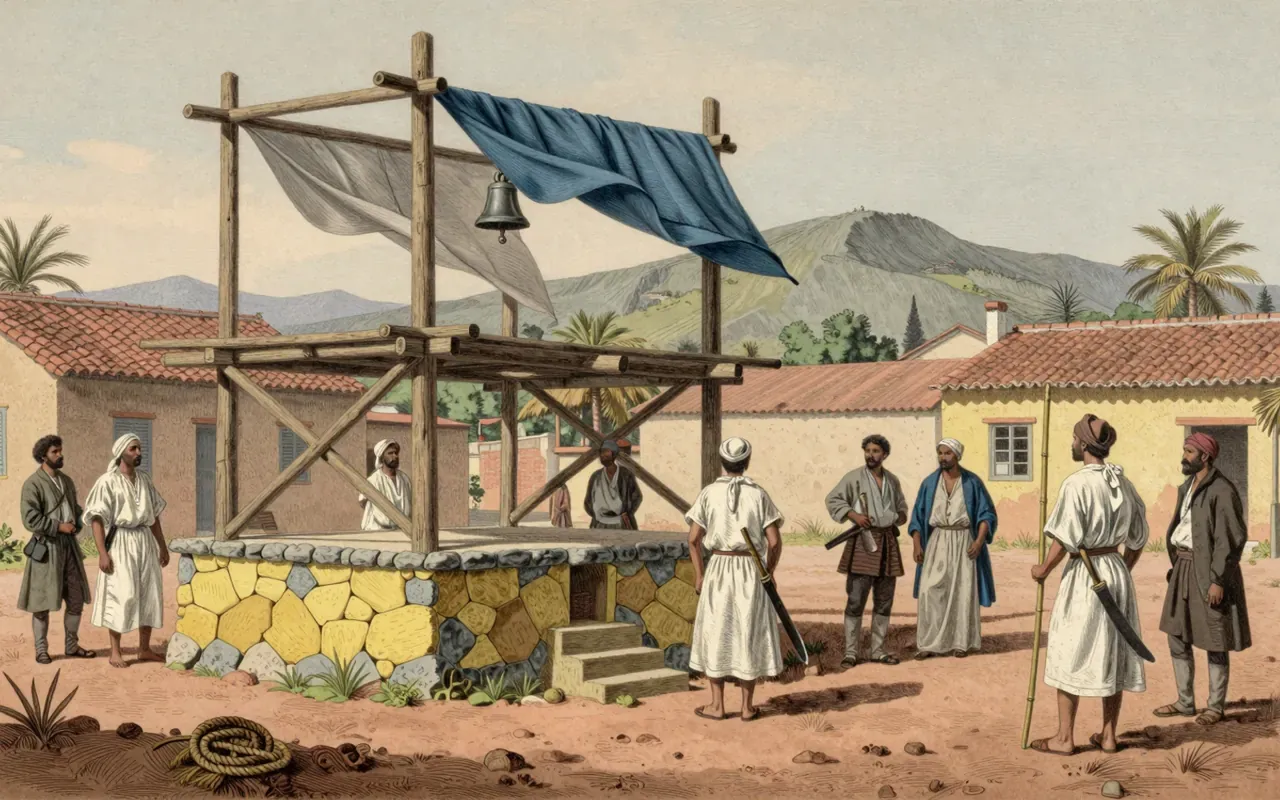
Dessalines did not write or speak the declaration—he commissioned it from his secretary, who performed it publicly in Gonaïves.
2:51
No rights. Only retribution.
It names no rights, invokes no contracts, and pledges no future—only freedom from slavery and vengeance against French White Creoles.
4:58
Absolute authority, signed and sealed
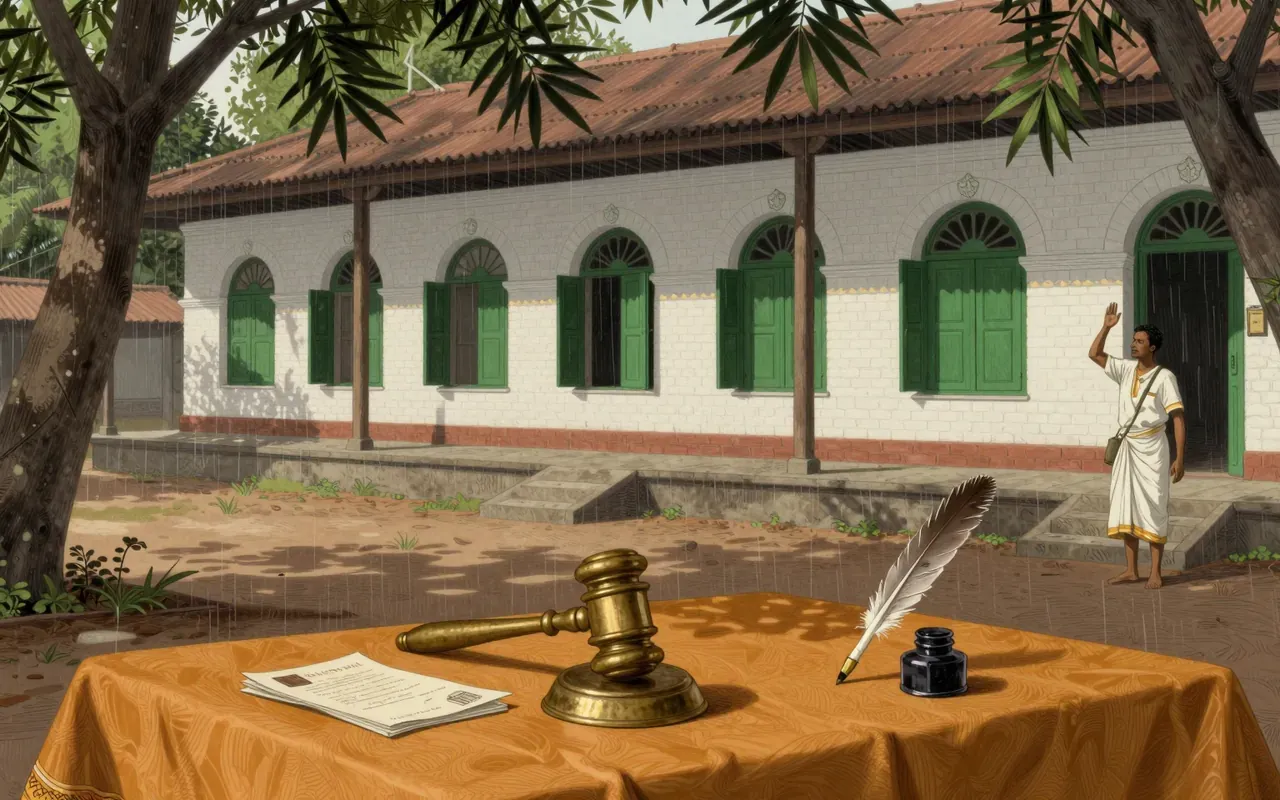
Power was assigned to Dessalines alone, ratified by 17 officers, and formalised first as governor-general for life, then emperor.
6:44
A nation born from rebellion, not revolution
Haiti became the first independent nation in Latin America and the Caribbean—and the only country ever founded by a successful slave revolt.
Worth your time?
Yes. Study the whole thing.
4.5/ 5
What works
treats the reader as capable of holding contradiction
grounds every claim in verifiable evidence
names who wrote what and why it mattered
refuses to flatten the declaration into a symbol
What does not
praise without reason
invent facts
state contested causes as settled
write from hindsight
Study it if
busy and curious readers
Skip it if
those expecting moral uplift or liberal triumphalism
The written brief1 min read
What happened
On 1 January 1804 in Gonaïves, Jean-Jacques Dessalines proclaimed Haiti’s independence. His secretary Louis Boisrond-Tonnerre read aloud a text he had written. The document demanded vengeance against French White Creoles, invoked freedom from slavery but not republican rights, and installed Dessalines as absolute head of state with backing from 17 senior officers.
How we know it
The declaration’s date, location, authorship and content are confirmed by the document itself and its contemporaneous record: Dessalines proclaimed it in Gonaïves on 1 January 1804; Boisrond-Tonnerre wrote and delivered it; its three-part structure, vengeance clause, omission of republican rights, and consolidation of power are all verifiable from the text.
Why it went that way
Dessalines lacked literacy and French fluency, so Boisrond-Tonnerre shaped the text. Its emphasis on vengeance reflected documented atrocities by French White Creoles. Its omission of republican rights aligned with Dessalines’s immediate need to centralise command—not to found a liberal republic—but to secure survival against invasion and internal fracture.
What is still contested
The declaration’s ideological coherence is contested. Some scholars read its silence on republican rights as strategic exclusion; others see it as evidence of a deliberate break from French political language. No source states which reading is correct.
What it changed
It made Haiti the first independent nation in Latin America and the Caribbean—and the only nation ever founded by a successful slave revolution. It ended French colonial rule and abolished slavery permanently on Haitian soil.
Is it worth your time
Yes. It is the only declaration of independence born from a victorious slave revolt—and the only one that explicitly rejects Enlightenment universalism while founding a state on retribution and military authority.