historybriefs
Topic

The Caribbean

Islands that exported more music per head than anywhere on earth.

4
in history
12:32
average
50 min
in total
28
across the network
The Caribbean across the network →
All briefs4
11:06

Haitian Declaration of Independence

1 January 1804

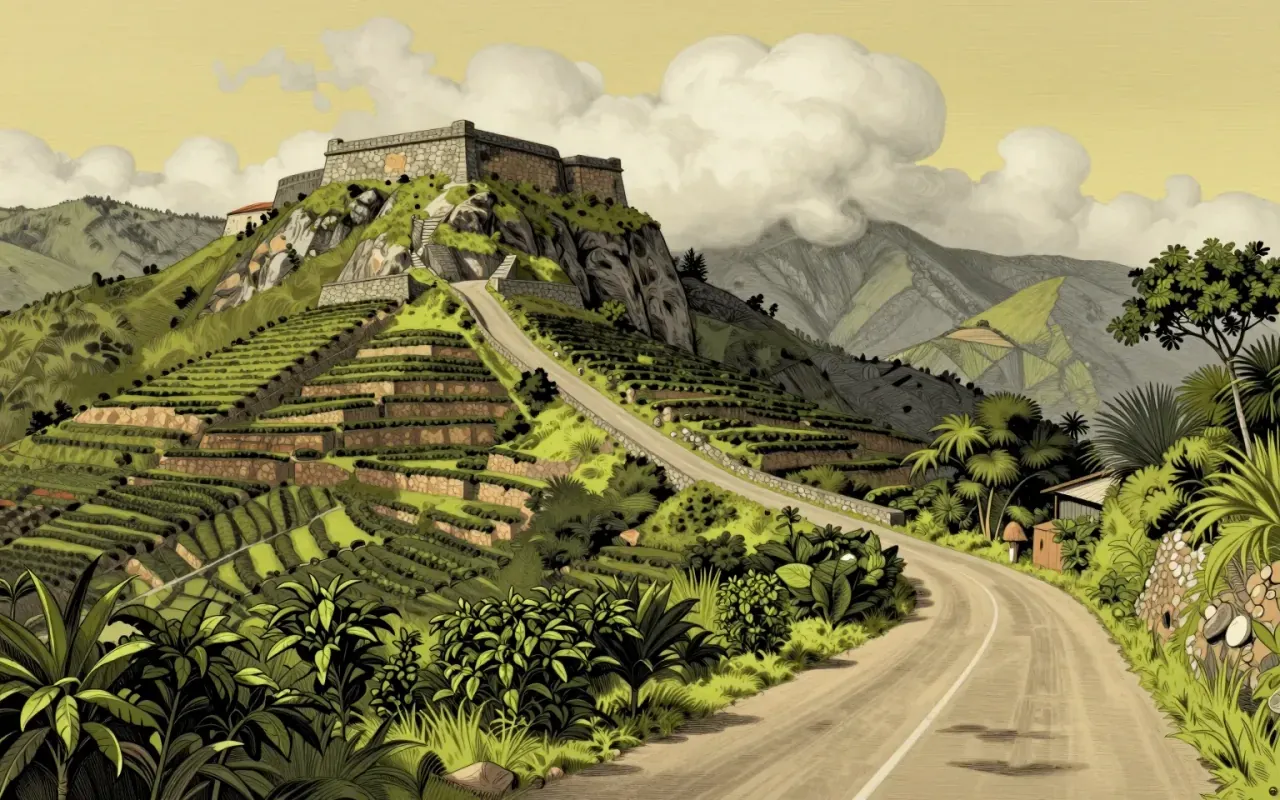
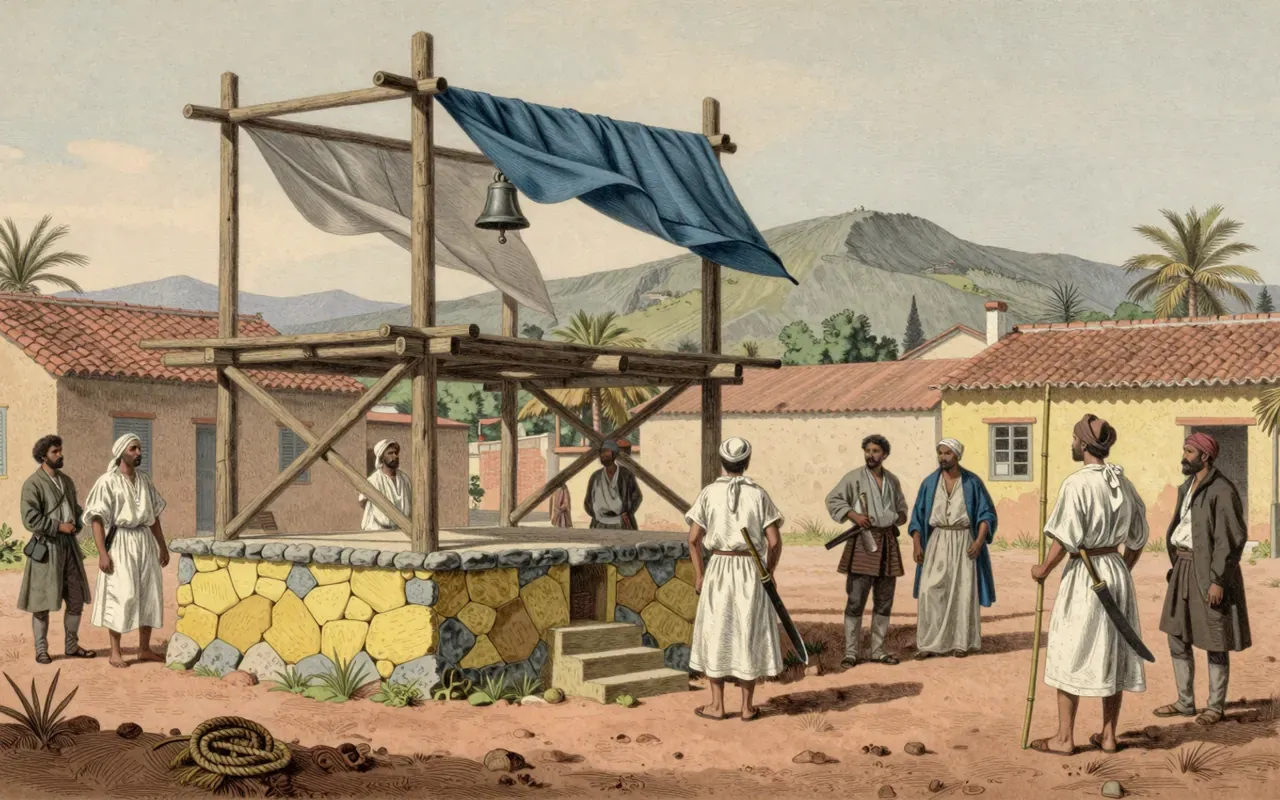
The Haitian Declaration of Independence is a foundational rupture—not in rhetoric, but in precedent. It established the first Black-led post-slavery state, yet refused the language of rights that defined other Atlantic revolutions. Its authority derived not from consent or constitution, but from military victory and collective sanction. It changed the map, but not the grammar, of sovereignty.
13:00

2010 Haiti earthquake

12 January 2010

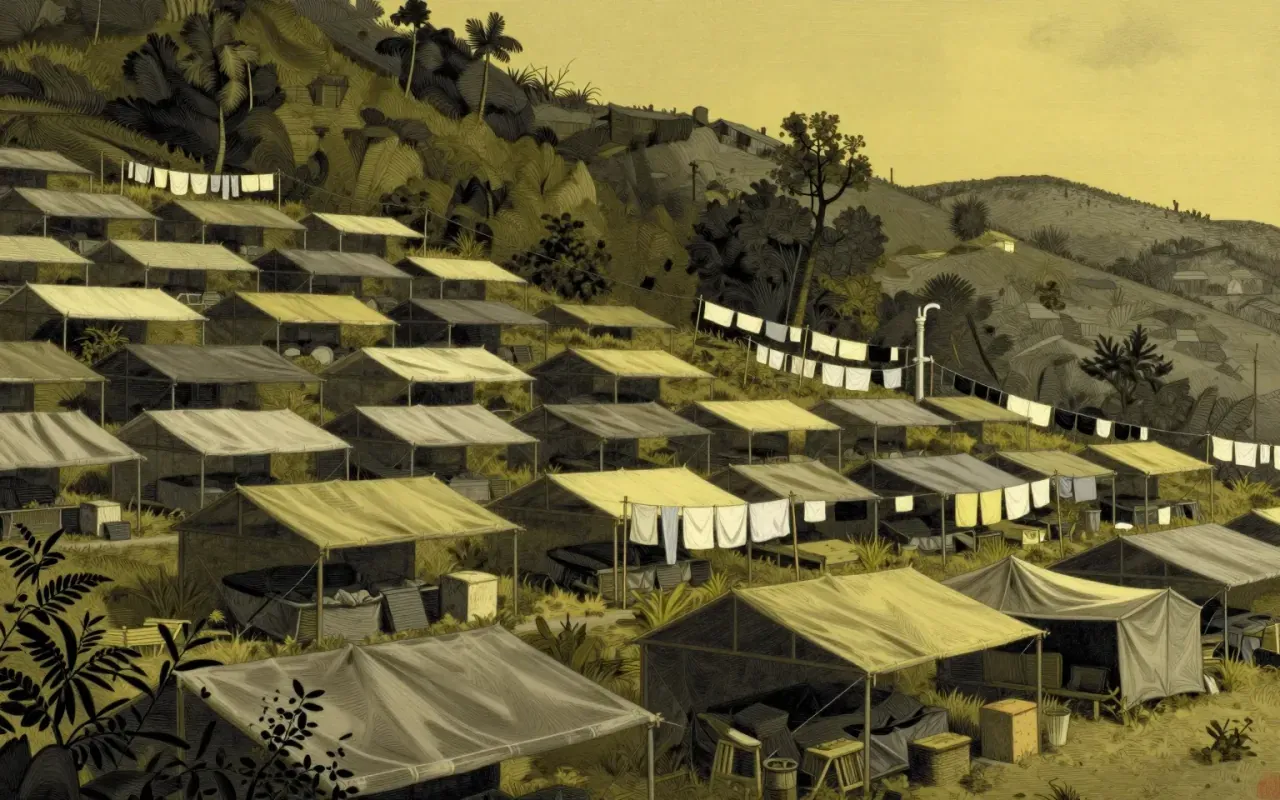
The magnitude 7.0 earthquake that struck near Port-au-Prince on 12 January 2010 lasted under thirty seconds but killed somewhere between roughly 46,000 and 316,000 people, with estimates varying so widely between the Haitian government, USAID, and independent researchers that no single figure commands full agreement. Haiti's near-total absence of building codes, its position as the poorest country in the Western Hemisphere, and a long history of debt and foreign intervention left its buildings unable to withstand the shaking. The international response eventually raised roughly 3.5 billion dollars, yet five years on, more than half a million survivors were still living in temporary shelters without electricity, plumbing, or sewage.

13:00

Haitian Revolution

1791–1804

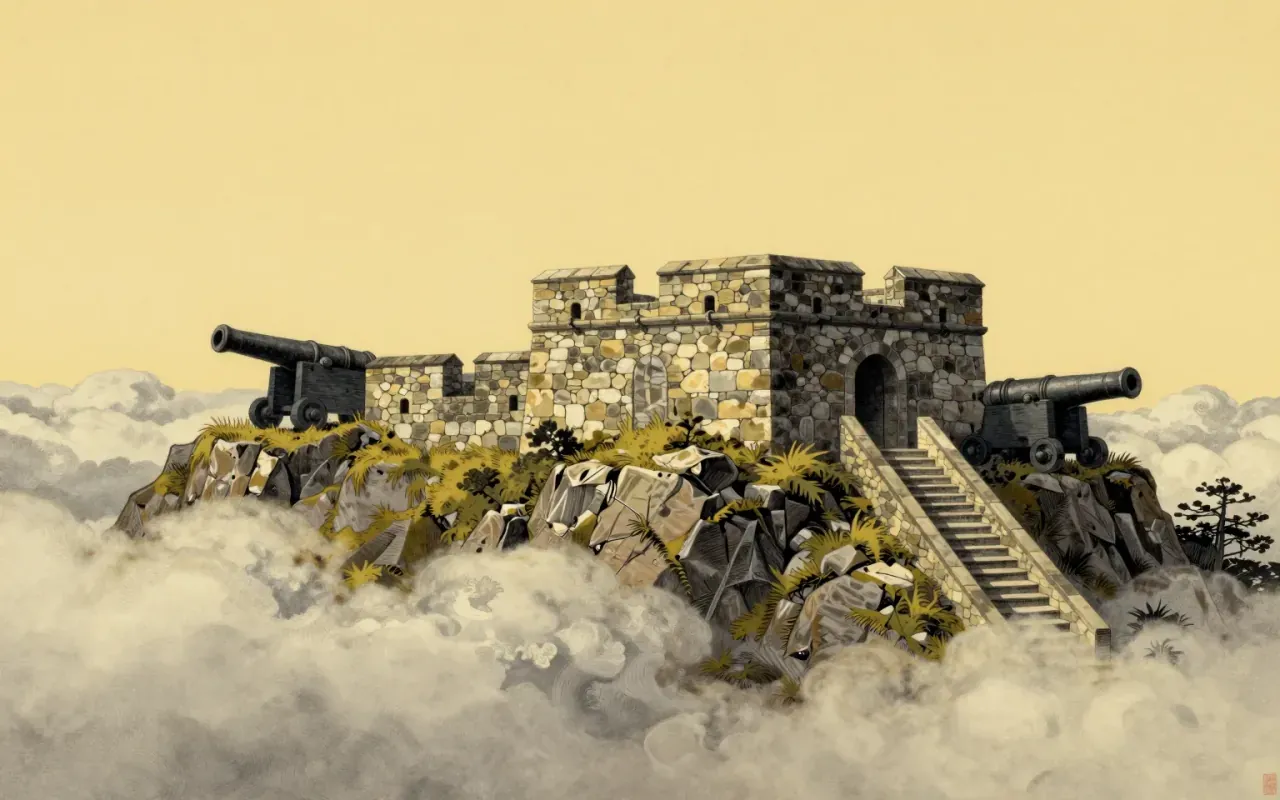
Beginning with a 1791 uprising among the roughly 450,000 enslaved people of the French colony of Saint-Domingue and continuing through wars against French, British and Spanish forces, the Haitian Revolution ended in January 1804 with the declaration of Haiti's independence, the only successful slave revolt in history to establish a sovereign state. Historian Michel-Rolph Trouillot has argued the revolution has been systematically overshadowed in mainstream history compared with the French Revolution it followed, despite its more direct and lasting consequences for the institution of slavery itself.

13:00

Toussaint Louverture

1743–1803

Toussaint Louverture, freed well before the Haitian Revolution began, rose from plantation overseer to the colony's commander and governor, negotiating with Spain, Britain, and revolutionary France in turn before his own 1801 constitution provoked Napoleon into sending an invasion force. Captured under a broken amnesty and imprisoned in France, he died in 1803, months before his former officers completed the revolution and declared Haiti's independence.