Thirty seconds, twenty-five kilometres from the capital
The earthquake struck at 16:53 local time on 12 January 2010, with its epicentre located approximately twenty-five kilometres west of Port-au-Prince near the town of Léogâne, at a shallow depth of thirteen kilometres that intensified the shaking felt at the surface. The main shock itself lasted less than thirty seconds, a remarkably brief span given the scale of destruction that followed, and it was succeeded by a substantial aftershock sequence, with fifty-two aftershocks measuring magnitude 4.5 or greater recorded by 24 January alone. The earthquake’s shallow depth and its proximity to Haiti’s densely populated capital region combined to produce shaking severe enough to devastate an area far beyond the immediate epicentre.
A death toll nobody can agree on
Casualty figures for the Haiti earthquake remain genuinely unresolved even years after the event, with estimates spread across a remarkably wide range. A draft USAID report, never officially released, put deaths at between 46,000 and 85,000, while the Haitian government’s own figures ran considerably higher, between 220,000 and 316,000. An estimate compiled by the University of Michigan within six weeks of the disaster, placing the toll near 160,000, is often treated as among the more methodologically reliable figures available, though it too falls within a genuinely contested range rather than representing a settled consensus. One United Nations official involved in the response stated plainly that the true death toll from the earthquake would probably never be definitively known.
A country with no building codes
Haiti’s vulnerability to the earthquake was substantially a product of its built environment. The country had no formal building codes at the time of the disaster, and construction standards were often severely inadequate, with structures frequently built on unstable slopes without proper foundations or structural steel supports. Engineers assessing the aftermath concluded that it was unlikely many of Haiti’s buildings would have withstood a serious disaster of any kind, earthquake or otherwise, given how they had been constructed. This meant the earthquake’s physical destructiveness was amplified considerably beyond what a comparable magnitude event might have produced in a country with more rigorously enforced construction standards and building oversight.
Poverty built on a longer history
This absence of adequate building standards did not arise in a vacuum. Haiti’s position as the poorest country in the Western Hemisphere, ranked 149th of 182 countries on the Human Development Index at the time, reflected a longer history that included substantial national debt obligations, trade policies imposed by other countries that disadvantaged Haiti’s own economic development, and repeated instances of foreign intervention in the country’s internal affairs across the nineteenth and twentieth centuries. This combination of historical and structural factors had left Haiti with limited state capacity to invest in resilient infrastructure or effective disaster preparedness well before the earthquake struck, making the country’s exposure to catastrophic loss from a single seismic event considerably higher than its underlying geological hazard alone would suggest.
A quarter of a million buildings destroyed
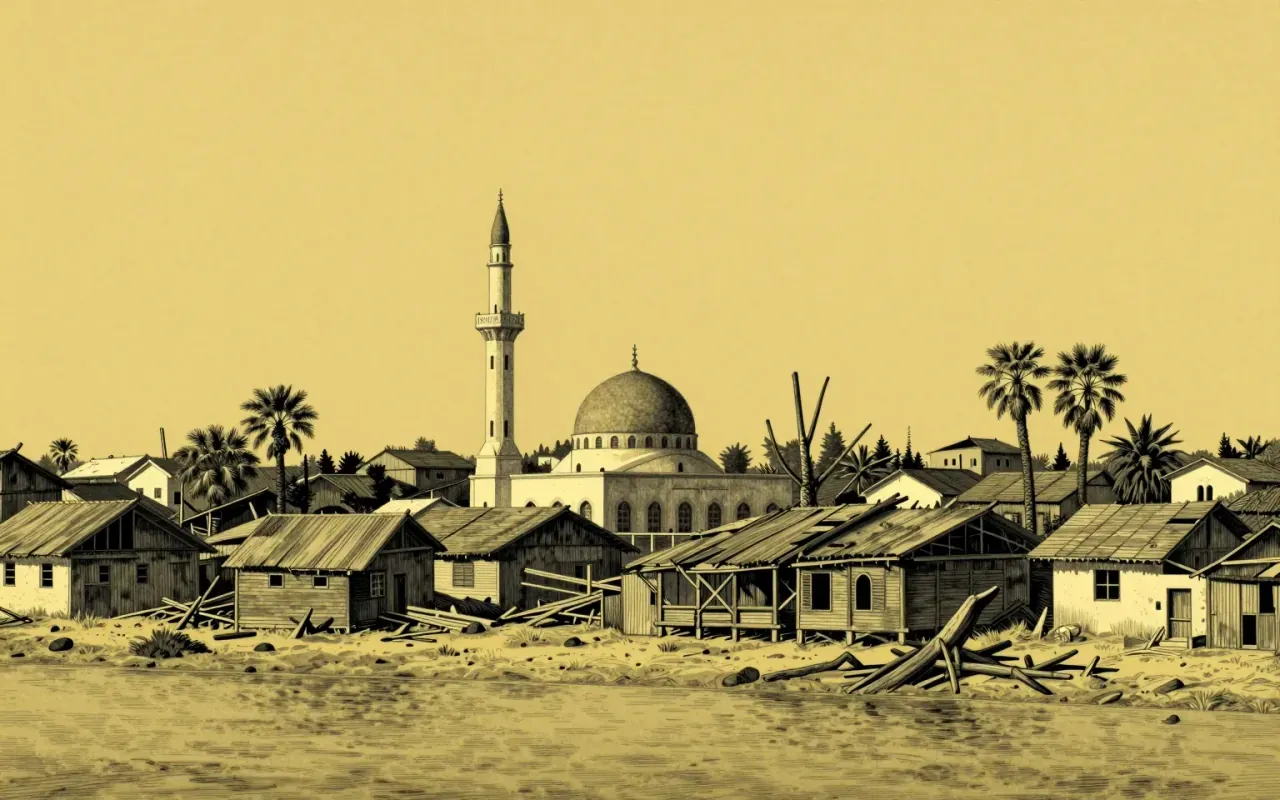
The physical destruction from the earthquake was extensive even by the standards of major seismic disasters. An estimated 250,000 residences and 30,000 commercial buildings were destroyed or severely damaged, and roughly ninety percent of buildings in the town of Léogâne, near the epicentre, were destroyed outright. Notable individual casualties included Archbishop Joseph Serge Miot, opposition leader Micha Gaillard, and United Nations Mission Chief Hédi Annabi, among more than eighty-five UN personnel killed in the collapse of the organisation’s own headquarters building in Port-au-Prince. Overwhelmed morgues and tens of thousands of bodies buried in mass graves at Titanyen reflected a crisis of scale that outstripped the capital’s ordinary capacity to manage the dead, let alone care for the roughly three million people affected by the disaster overall.
Billions raised, and still no plumbing five years on
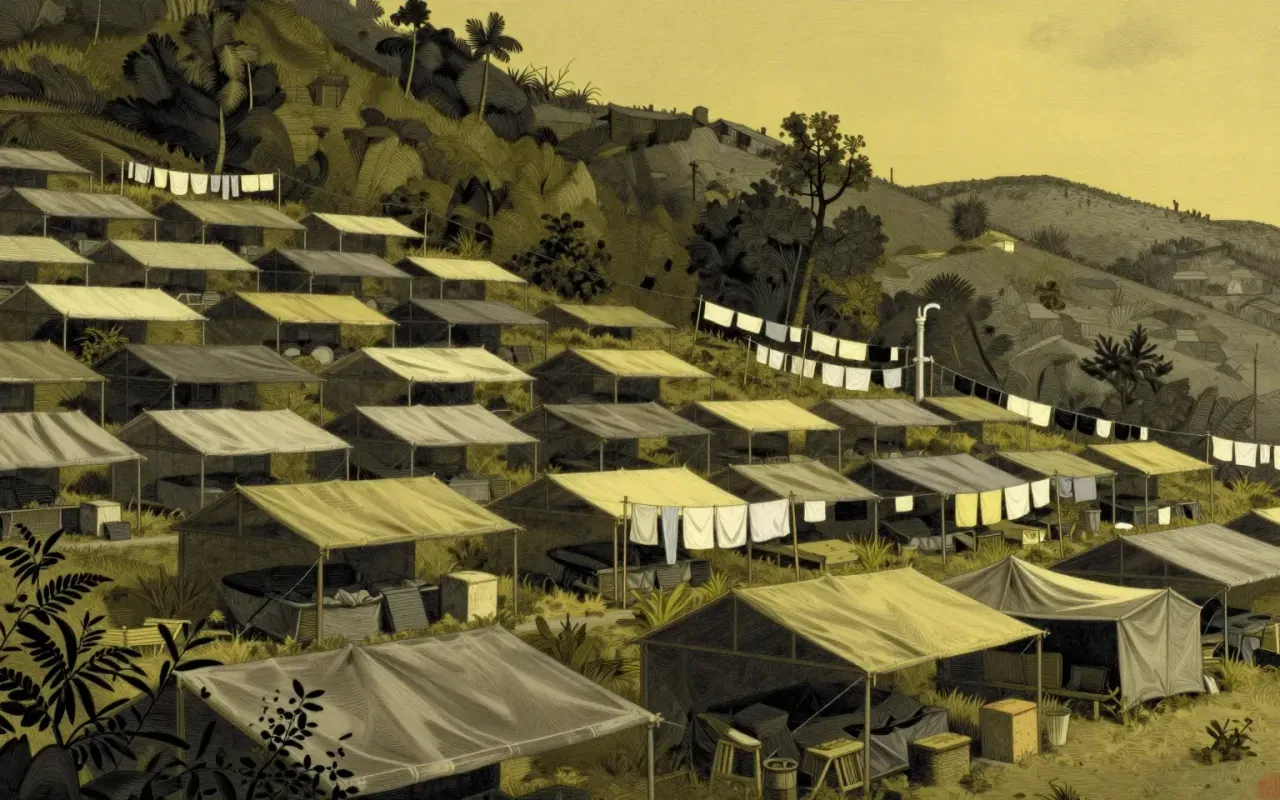
International response to the earthquake eventually delivered roughly 3.5 billion dollars in aid, with a further billion dollars pledged but not ultimately disbursed, according to tracking reported by ReliefWeb in 2013. The United States was by far the single largest contributor, and support came from a wide range of governments and private donors, including substantial celebrity and public fundraising campaigns. Yet the pace and effectiveness of recovery proved deeply disappointing relative to the funds raised: by 2015, five years after the earthquake, more than half a million survivors were still living in temporary shelters lacking electricity, plumbing, or sewage, a gap partly attributed to restrictions requiring much of the American aid to be spent on US products, materials, and labour rather than on stimulating Haiti’s own local economy and construction capacity.