What happened
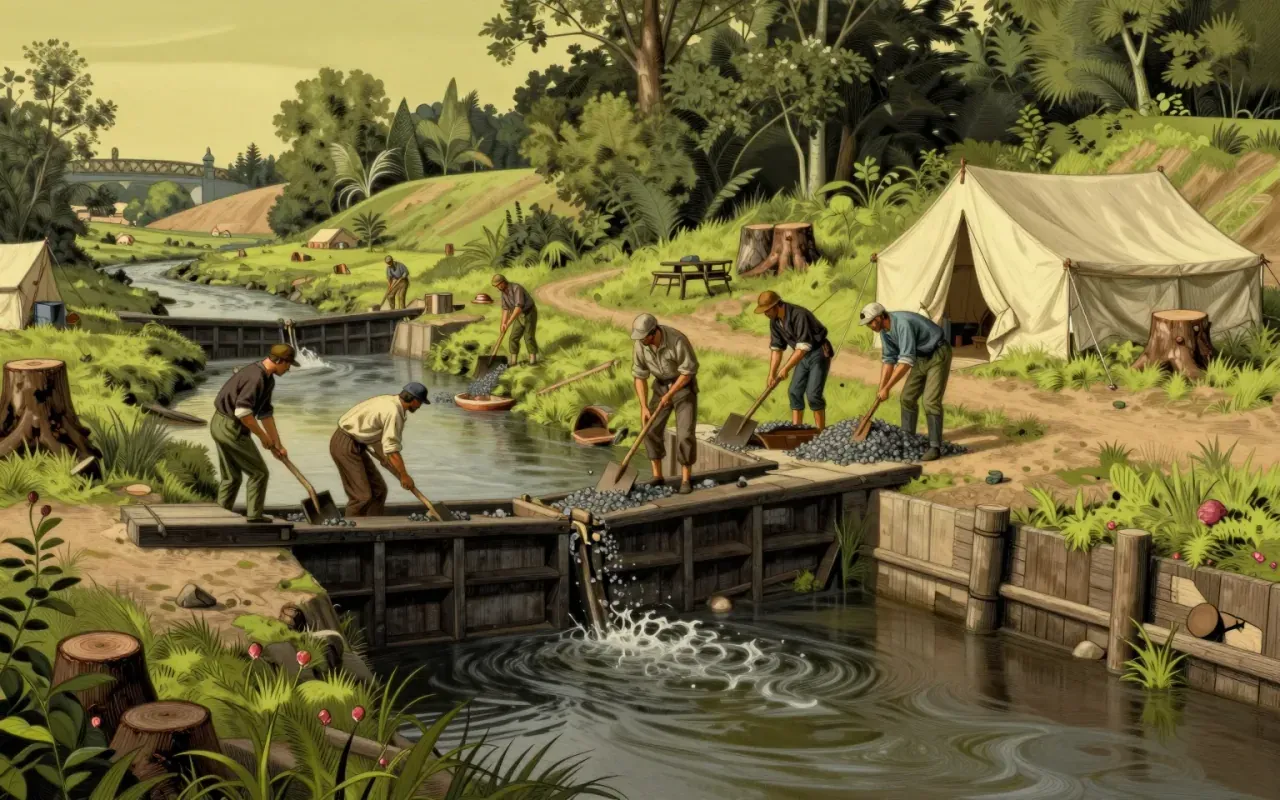
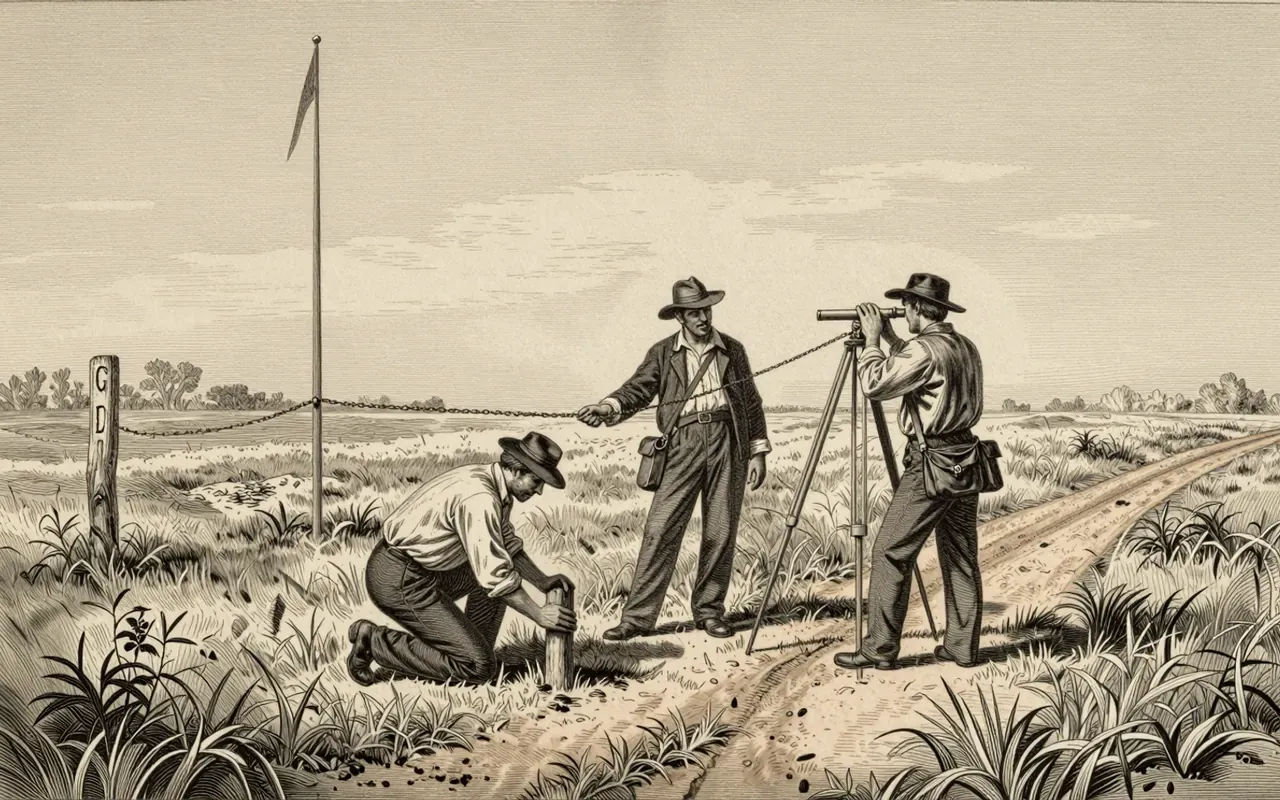
Signed on 20 May 1862, the Homestead Act offered qualifying settlers a route to title over 160 acres of federal land. Residence and other conditions made it a settlement program, not an unconditional distribution.
The act gave settlers 160 acres in exchange for a nominal filing fee. Settlers had to be, or be in the process of becoming, U.S. citizens, and title came only after five years of continuous residence on the land.
How we know it
Congressional records show earlier bills, opposition and the legislation that passed. The National Archives traces the law’s progress through both chambers and explains the requirements attached to a claim.
The Archives says the House passed numerous homestead bills in the 1850s, but southern opposition in the Senate prevented enactment. In 1860 the Senate narrowly passed one, and President James Buchanan vetoed it; the Senate failed to override. The House passed the 1862 act on 28 February by 107 to 16, the Senate on 6 May by 33 to 7, and both houses accepted a few minor conference changes without controversy before Lincoln signed it on 20 May.
Why it went that way
Southern opposition had blocked earlier proposals. With representatives of seceded states absent, Congress could pass a measure that had previously faced a different political balance.
The Archives adds that the 37th Congress, which met for a brief summer session in 1861, was preoccupied with Civil War legislation. The House took up the homestead issue briefly in December and postponed it until February.
What is still contested
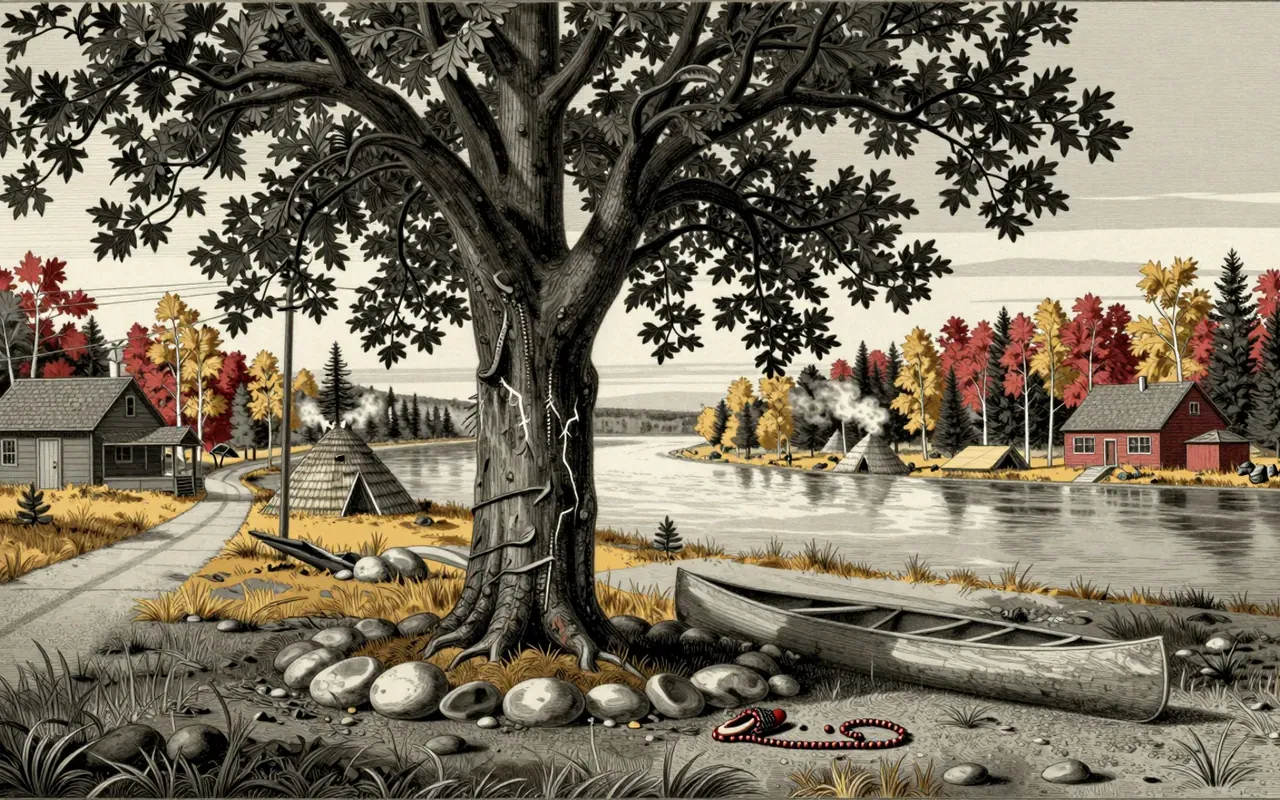
The language of free land needs care. A nominal filing fee did not remove the costs of establishing a farm, and a legal designation as public land does not describe every prior relationship to that land.
What it changed
The act linked westward migration to federal land policy. Its operation over many decades makes it necessary to distinguish the original statute from the varied circumstances of individual claims.
The Archives reports that, through 1986, when the last claim was made in Alaska, the act distributed 270 million acres of land in the United States, and calls it arguably one of the most far-reaching pieces of legislation in American history.
Is it worth your time
Worth studying through both the law and a claimant’s record. Eligibility, residence and title show how a broad promise became an administrative process with practical conditions.