What happened
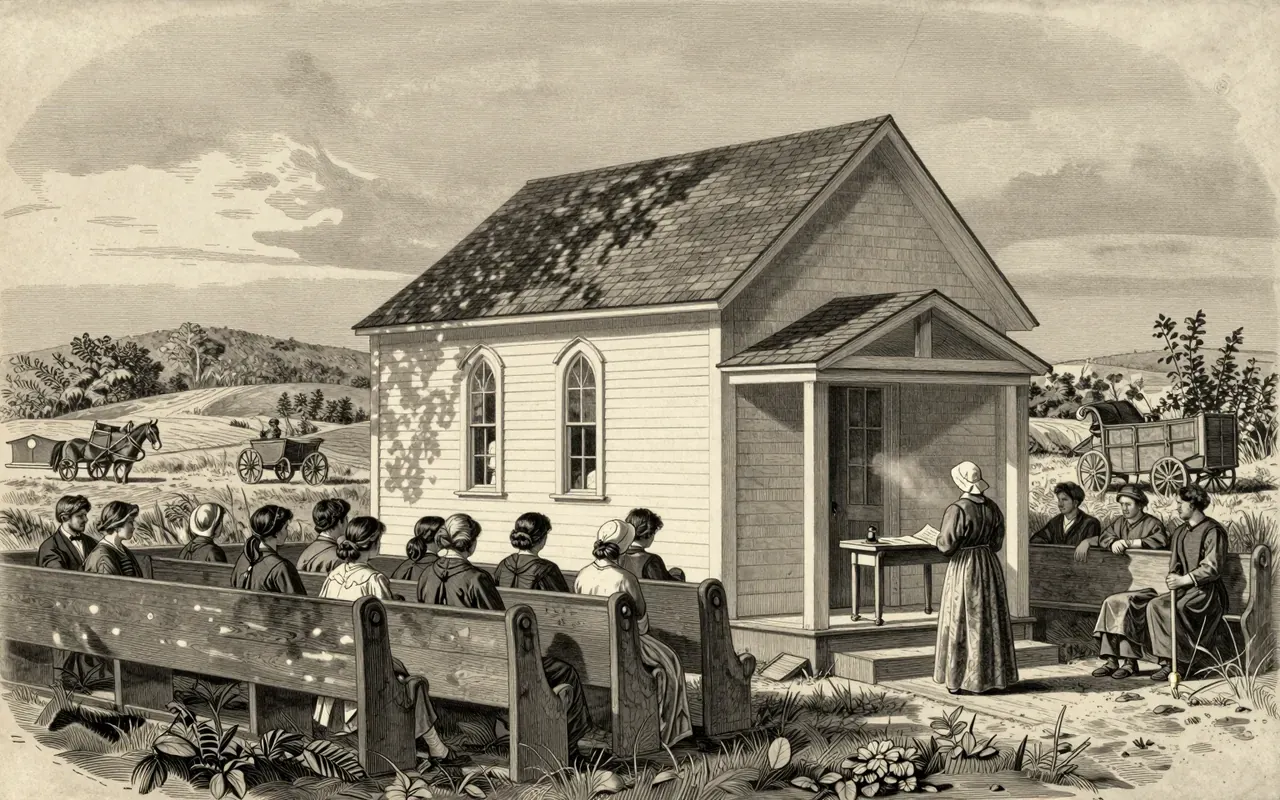
On 19 and 20 July 1848, a women’s rights convention met at the Wesleyan Chapel in Seneca Falls, New York. Participants debated a Declaration of Sentiments and resolutions addressing women’s legal and social position.
How we know it
The declaration and convention records identify the grievances and demands. The National Park Service places the meeting within the reform networks that organized it, rather than presenting it as an isolated inspiration.
Why it went that way
A small planning meeting in Waterloo led to the convention. Existing relationships among reformers made it possible to organize a public gathering and frame individual disadvantages as a political problem.
What is still contested
Calling one convention the beginning of all women’s activism obscures earlier organizing. The event’s importance does not require treating every woman’s experience or every reform movement as represented in its proceedings.
What it changed
The declaration made claims to equality available for public debate and further organization. Its influence came through circulation and activism, not immediate alteration of all the laws it criticized.
Is it worth your time
Worth reading for the breadth of its grievances. Voting was crucial, but attention to property, education and social authority reveals a wider challenge than a single demand alone.