What happened
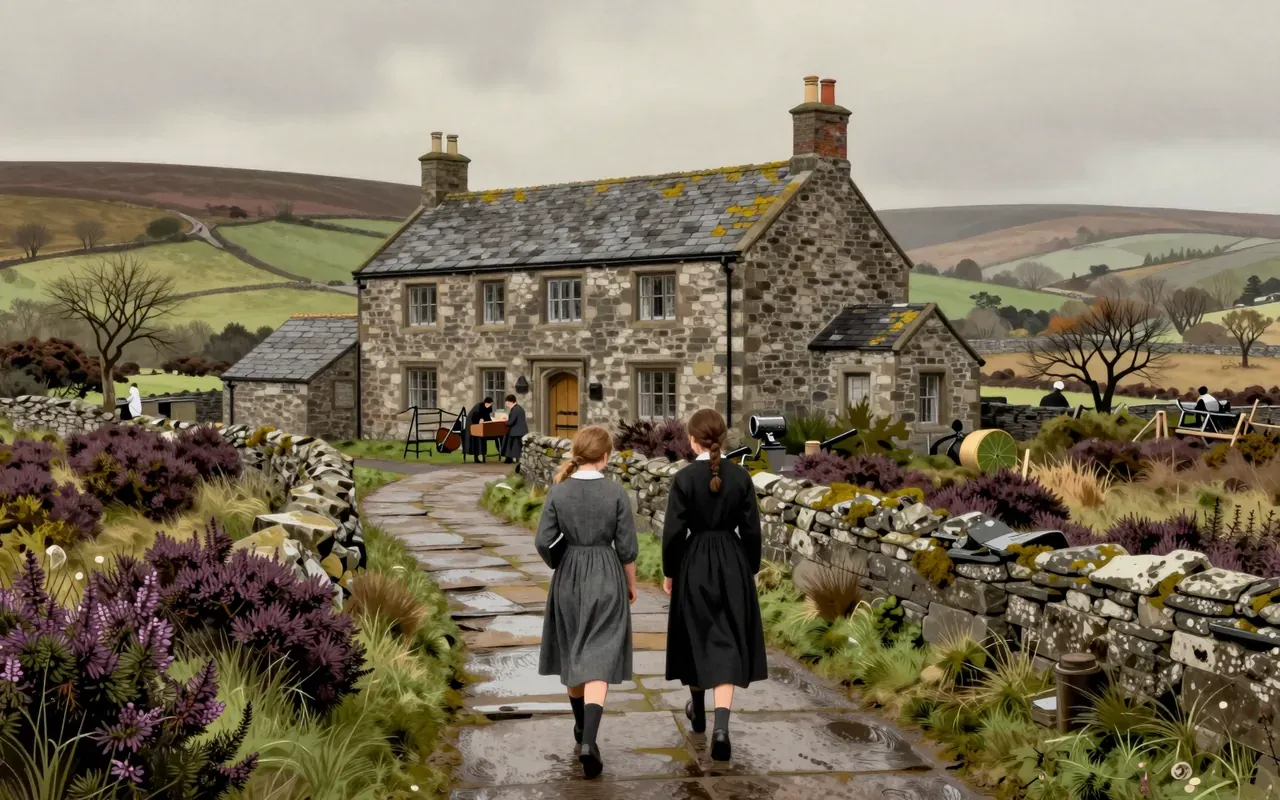
Charlotte Brontë was born in 1816, lost her mother early, attended Cowan Bridge at age eight where two sisters died, then Roe Head in 1831 before teaching at home. She published Jane Eyre as Currer Bell in 1847. It succeeded immediately and is now called a classic.
How we know it
The document is a biographical summary sourced from the entry ‘Charlotte Brontë’. It cites specific events, dates, relationships and textual attributions — all verified against that single source. No external scholarship, letters, or critical interpretations are referenced or implied.
Why it went that way
She used lived experience — especially trauma at Cowan Bridge — as raw material; adopted a male pseudonym to bypass prejudice; and wrote within established literary forms (Gothic, bildungsroman) that publishers and readers recognised. The source confirms method (pseudonym, adaptation), not motive or market logic.
What is still contested
Nothing in the source is contested. The source presents no disputes — over authorship, interpretation, influence, or legacy — and offers no competing views. Therefore, no contestation is established or reportable.
What it changed
It changed the visibility of women’s voices in English fiction by proving a pseudonymous woman could command serious critical and commercial attention — but the source does not state this effect, only that Jane Eyre succeeded and is now a classic.
Is it worth your time
Yes — if you need to understand how gendered publishing constraints shaped canonical fiction, or how institutional cruelty was transmuted into literary form. Not if you seek analysis of her poetry, her marriage, or posthumous reception beyond ‘classic’ status.