A school seized on the first day of term
On 1 September 2004, the first day of the Russian school year, a group of approximately thirty-two militants belonging to the Riyad-us Saliheen Brigade seized School Number One in Beslan, a town in the North Ossetia-Alania region of Russia. The attack was ordered by the Chechen warlord Shamil Basayev, though he himself was not present at the school during the siege. The timing, coinciding with the traditional first-day-of-school ceremonies that bring large numbers of children, parents, and staff together at once, ensured the militants would seize an unusually large number of hostages the moment they took control of the building.
More than a thousand hostages, most of them children
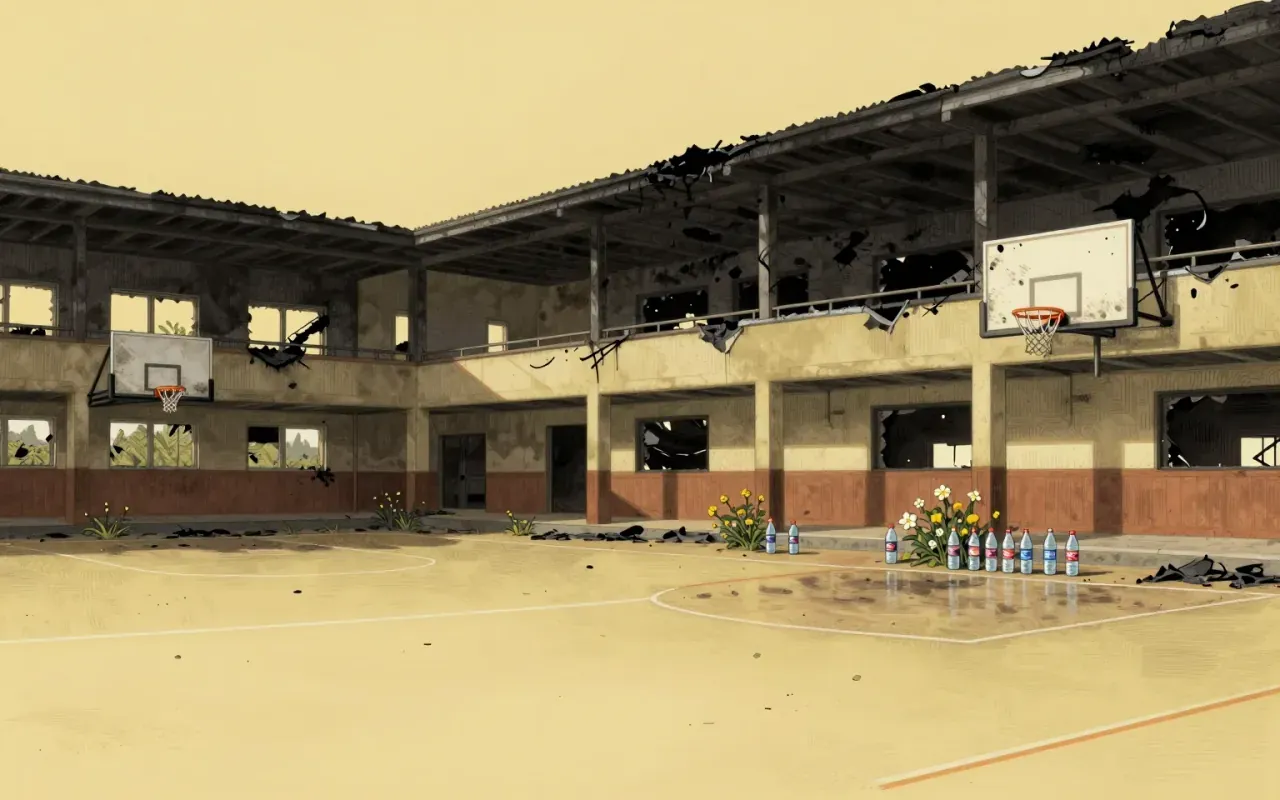
The scale of the hostage-taking proved extraordinary: more than 1,100 people, including 777 children, were confined together inside the school’s gymnasium for fifty-two hours under conditions that grew increasingly severe as the standoff continued. Hostages were held without adequate food, water, or sanitation for an extended period, in a space never designed to accommodate a crowd of this size for any length of time, let alone under the psychological strain of an armed hostage situation with an uncertain outcome. This sheer number of hostages, and the proportion of them who were children, distinguished Beslan from most other hostage crises and shaped much of the urgency and eventual controversy surrounding how Russian authorities chose to respond.
A lie about the numbers
Russian officials compounded the crisis by publicly understating the number of hostages, claiming only 354 people were being held when the true figure exceeded 1,100. This discrepancy reportedly angered the hostage-takers once it became apparent to them, and it is cited as a factor in their subsequently harsher treatment of the captives during the standoff. This kind of official disinformation, whether intended to manage public panic or to obscure the true scale of the unfolding disaster from broader scrutiny, illustrates a recurring tension in hostage crisis management between transparent public communication and a government’s own instinct to control the narrative around an active, unresolved security emergency.
The roof comes down
The siege collapsed into chaos on 3 September, when explosions of genuinely disputed origin struck the gymnasium at approximately 13:03. Some accounts attribute the initial blast to a sniper shooting a militant who was standing on a dead man’s switch connected to explosives; others contend that Russian forces fired rocket-propelled grenades or Shmel thermobaric rockets from nearby buildings; official reports maintained that the militants themselves deliberately detonated the explosives. Whatever the precise trigger, the gymnasium roof collapsed and caught fire, trapping and burning hostages inside, with local accounts suggesting roughly 160 people burned alive in the resulting inferno.
Tanks and thermobaric weapons against a building full of children
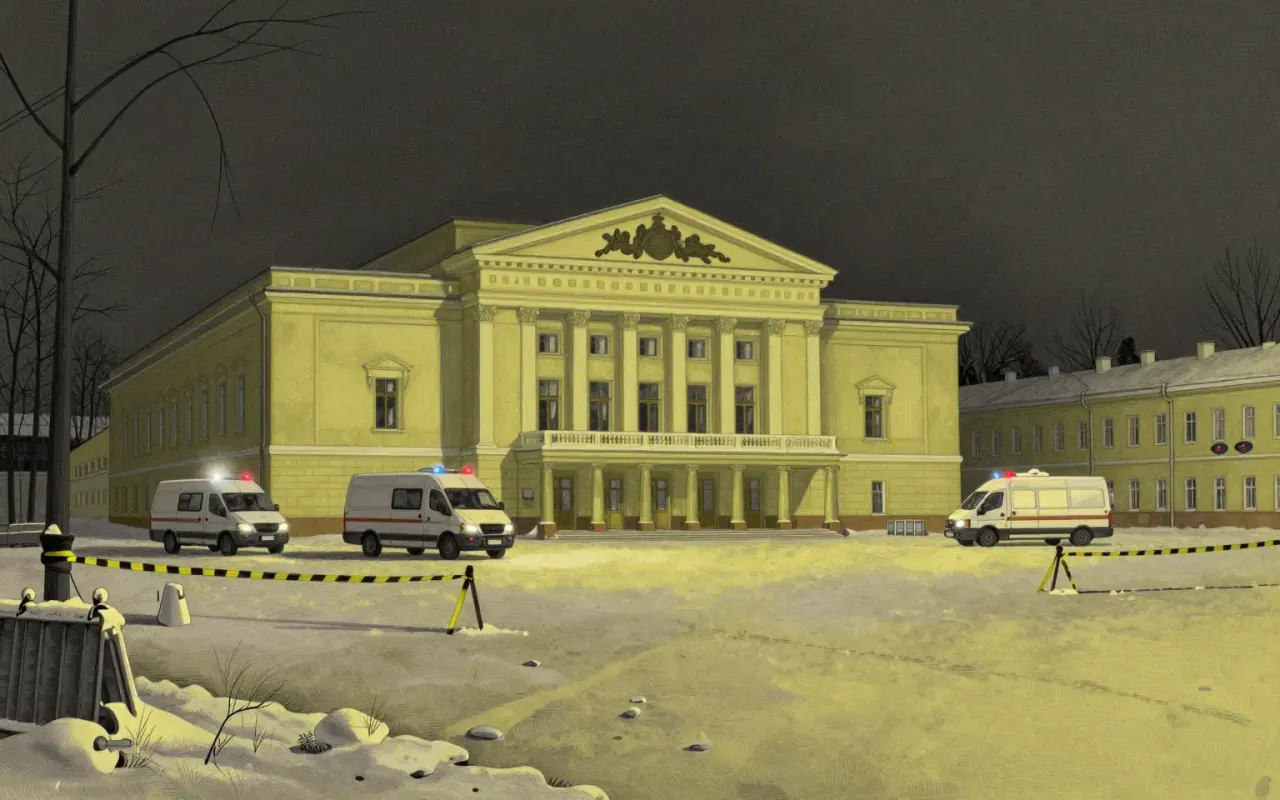
Russian special forces responded to the collapsing situation by storming the school directly, deploying tanks, armoured vehicles, and helicopter support in an assault that lasted approximately twelve hours amid continuing gunfire and further explosions. The use of heavy weaponry, including thermobaric rockets capable of generating a powerful blast and heat wave, against a building still containing large numbers of hostages drew significant criticism afterward, with observers arguing the assault prioritised eliminating the militants over protecting the hostages who remained trapped inside during the chaotic final hours of the siege. Emergency response on the ground also proved inadequate, with too few ambulances positioned nearby and firefighting equipment arriving some two and a half hours after the gymnasium fire had already begun.
Three hundred thirty-four dead, and a negotiation that never finished
The final death toll stood at 334 hostages, including 186 children, along with 31 of the attackers and ten officers from Russia’s federal security service. Criticism afterward extended beyond the assault itself to the negotiation process that preceded it: pediatrician Leonid Roshal and former Ingush president Ruslan Aushev had both engaged directly with the hostage-takers, and Chechen leader Aslan Maskhadov had reportedly agreed to enter negotiations, with the final assault beginning only about an hour after his participation had been approved, timing that has fuelled lasting questions about whether a negotiated resolution might still have been achievable had the authorities allowed more time before storming the building.