What happened
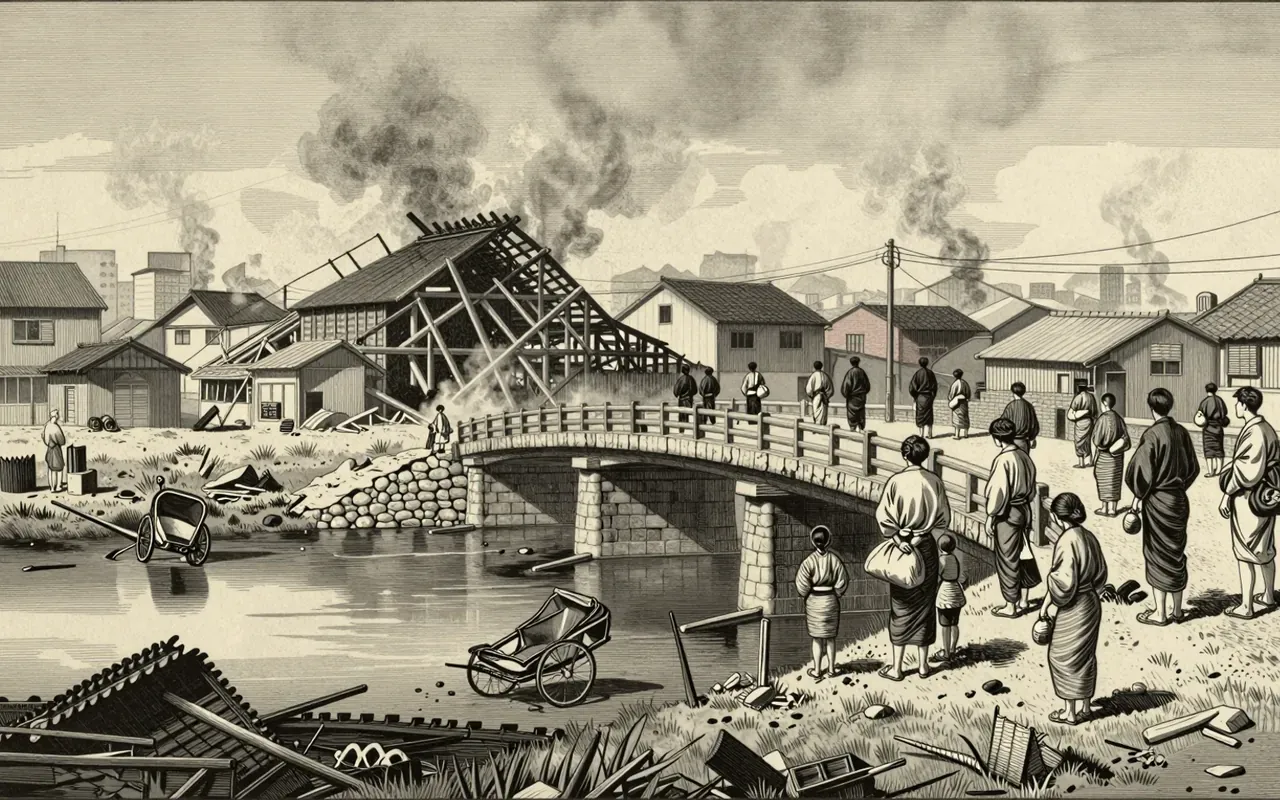
On 1 September 1923, an earthquake devastated the Tokyo–Yokohama region. Collapsed buildings were followed by widespread fires. The disaster also became the setting for killings of Korean and Chinese residents, and some Japanese people.
How we know it
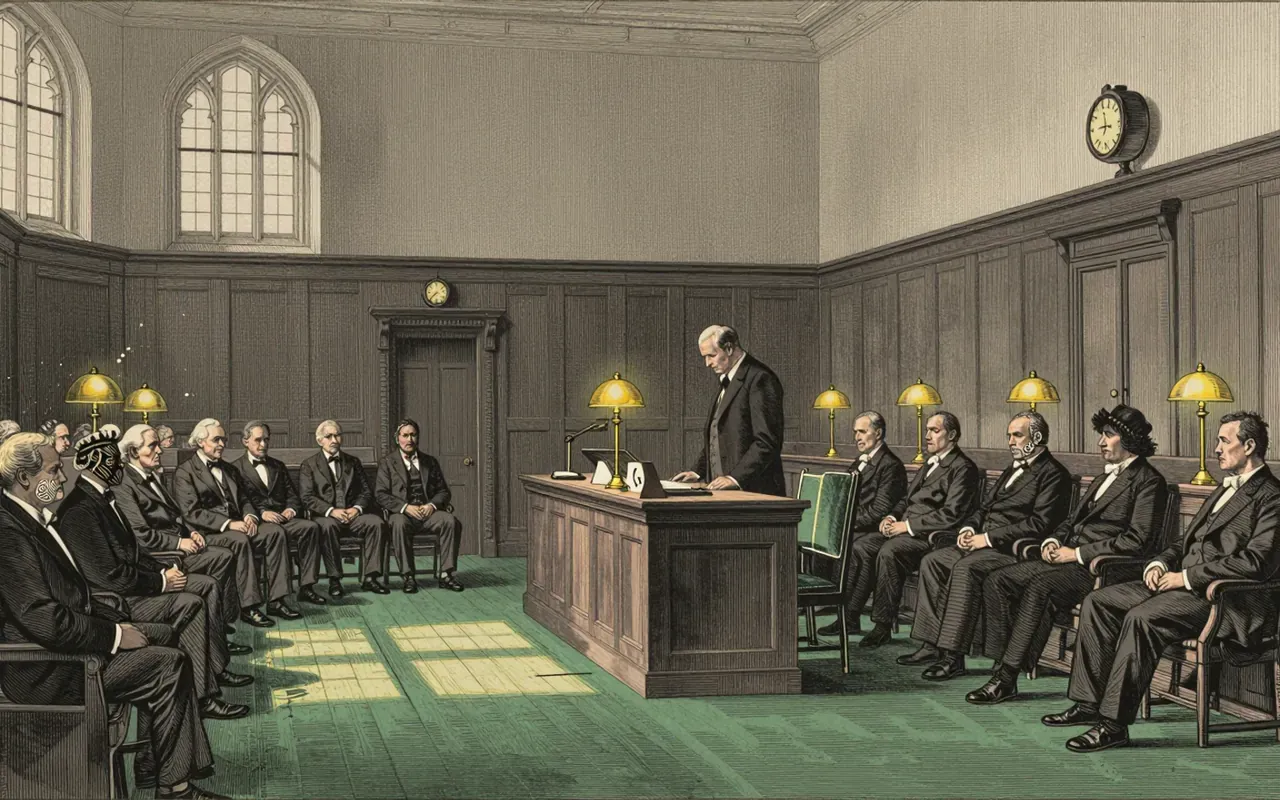
The National Diet Library presents contemporary photographs and the diary of Kuratomi Yuzaburō, who witnessed the earthquake while returning from the Imperial Palace. These records reveal particular scenes rather than a complete regional picture.
Why it went that way
Fires spread as lunchtime cooking was under way. Separately, rumors alleging Korean unrest helped provoke murderous attacks. Physical destruction and racist violence were connected in time, but violence was a human response, not a geological consequence.
What is still contested
Eyewitness descriptions should not be treated as verified casualty totals. Nor should the circulation of a rumor be confused with evidence that its allegation was true.
What it changed
The immediate aftermath combined destroyed neighborhoods with persecution and arrests of socialists. A history confined to damaged buildings misses the people endangered by accusations as well as the tremor.
Is it worth your time
Worth understanding through several kinds of evidence. Compare damage records with accounts of violence, asking what each source can establish and whose experience it leaves outside the frame.