historybriefs
Topic

Justice

What is owed and who enforces it.

3
in history
13:00
average
39 min
in total
42
across the network
Justice across the network →
All briefs3
13:00

Srebrenica massacre

11 July – 22 July 1995

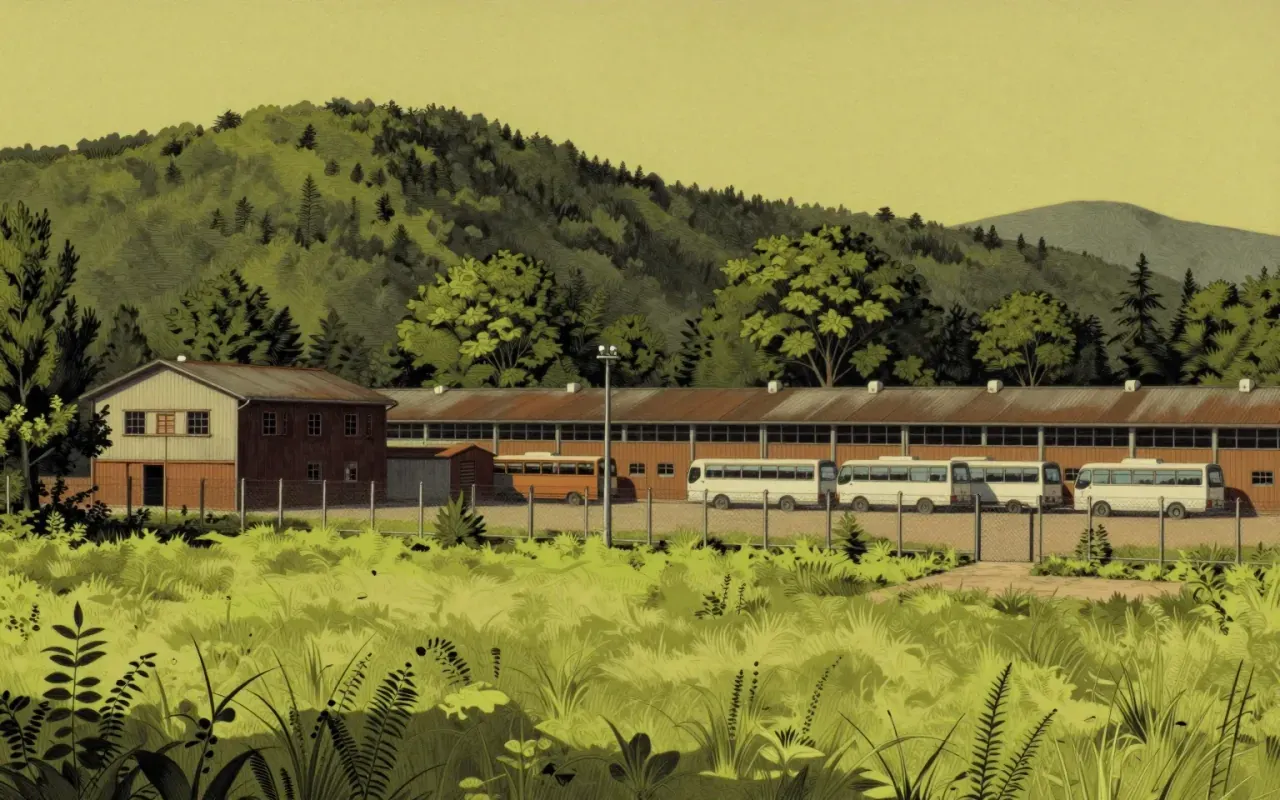
Bosnian Serb forces under General Ratko Mladić overran the UN-declared safe area of Srebrenica in July 1995, killing more than eight thousand Bosniak men and boys over an eleven-day span while roughly 370 lightly armed Dutch peacekeepers stood unable to stop them, and forcibly displacing a further 25,000 to 30,000 Bosniak women and children. Both the International Criminal Tribunal for the former Yugoslavia in 2004 and the International Court of Justice in 2007 ruled that the killings constituted genocide, the first such legal finding in Europe since the Second World War, and Mladić himself was convicted of genocide in 2017 alongside Bosnian Serb political leader Radovan Karadžić. Nearly seven thousand victims had been identified through DNA analysis by 2020, and the United Nations designated 11 July as an annual day of international commemoration in 2024.
13:00

Dreyfus affair

1894–1906

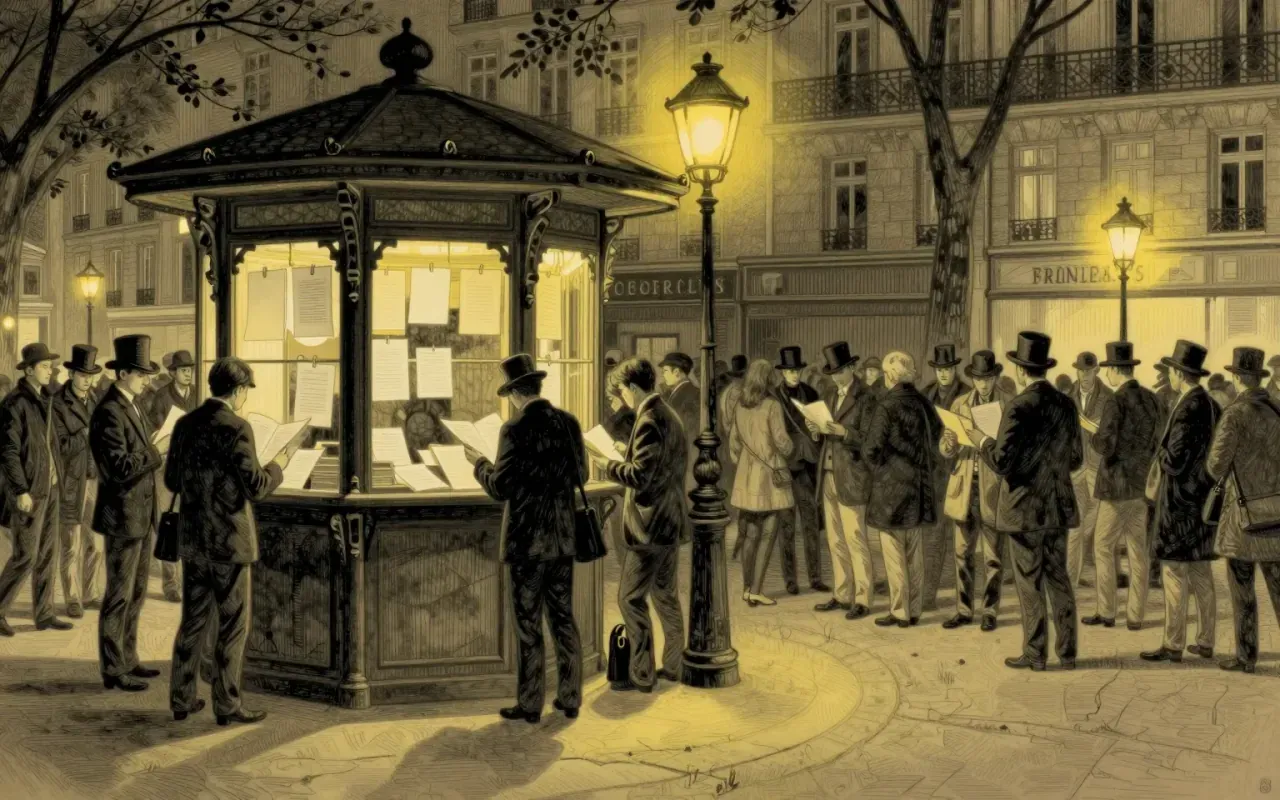
Alfred Dreyfus, a Jewish artillery officer, was wrongly convicted of treason in 1894 on the strength of disputed handwriting evidence and imprisoned on Devil's Island, while the army suppressed subsequent proof identifying the real culprit. Émile Zola's 1898 open letter J'Accuse galvanised public opinion, and Dreyfus was eventually pardoned in 1899 and fully exonerated in 1906, an affair that split French society and exposed institutional antisemitism at the highest levels of the military.

13:00

Sacco and Vanzetti

23 August 1927

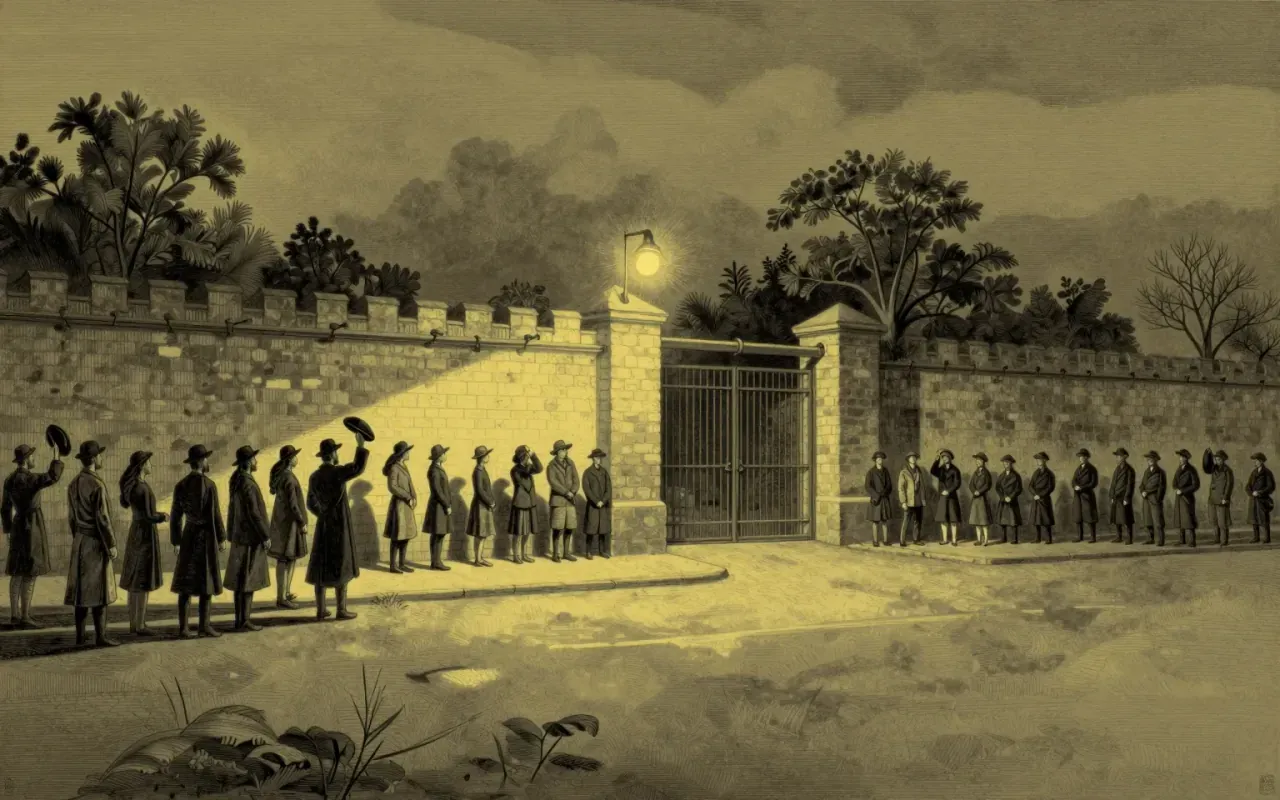
Nicola Sacco and Bartolomeo Vanzetti, Italian immigrant anarchists, were convicted of a 1920 Massachusetts robbery and double murder on disputed ballistics evidence and eyewitness testimony, tried amid the anti-radical, anti-immigrant climate of the First Red Scare. Despite a separate man's later confession implicating a different gang, appeals failed and both were executed in 1927, a verdict Massachusetts's governor formally acknowledged as unfair fifty years later without issuing a pardon.

More from history

All briefs →
11:36

Ancient Greece

Ancient Greece isn’t a place or a nation — it’s the first time history became a written argument about power.
12:27

Samarkand

329 BC

Samarkand at -800 BC is archaeologically verifiable, institutionally attested, and geographically explicable — but its ‘founding’ remains a scholarly estimate, not a recorded event.

11:49

Atomic bombings of Hiroshima and Nagasaki

6 and 9 August 1945

The atomic bombings of Hiroshima and Nagasaki were deliberate, authorised, and executed military operations using newly developed nuclear weapons. Their scale, method, and human impact are well-documented in the source. Their causal relationship to Japan’s surrender is asserted only as ‘precipitation’—not proof of necessity or sufficiency. No claim about motives, alternatives, or internal Japanese decision-making appears in the material.

9:37

Battle of Talikota

23 January 1565

The Battle of Talikota was a decisive military defeat for Vijayanagara, caused by coalition warfare and military asymmetry — not civilizational conflict. Its legacy lies in how early-modern South Asian states negotiated power, not in mythic binaries.