historybriefs
1:09in productionCh. 1 · What happened/ 1:09 · ceiling 15 min
Early modern

The English Bill of Rights — 1689

Parliament gave statutory form to limits on royal power.

Following James II’s displacement, Parliament offered the crown to William and Mary. A Declaration of Rights set out grievances and principles; these received statutory form in the Bill of Rights in December 1689.

Chapters & takeaways6
  1. 0:00
    What happened

    Following James II’s displacement, Parliament offered the crown to William and Mary.

  2. 0:13
    How we know it

    Parliament preserves the legislative record and distinguishes the declaration from the later act.

  3. 0:25
    Why it went that way

    The settlement sought to prevent a monarch from overriding law and governing without parliamentary consent.

  4. 0:37
    What is still contested

    Parliamentary rights were not equivalent to universal political equality.

  5. 0:46
    What it changed

    The act constrained royal power and affirmed parliamentary privileges.

  6. 0:56
    Is it worth your time

    Worth studying beside the events of 1688.

Worth your time?

Selectively. Start with the brief, then study the parts we point at.

What works
    What does not
      Study it if
        Skip it if
          The written brief1 min read

          What happened

          Following James II’s displacement, Parliament offered the crown to William and Mary. A Declaration of Rights set out grievances and principles; these received statutory form in the Bill of Rights in December 1689.

          How we know it

          Parliament preserves the legislative record and distinguishes the declaration from the later act. That sequence matters: the political conditions of accepting the crown and their enactment were related but separate steps.

          Why it went that way

          The settlement sought to prevent a monarch from overriding law and governing without parliamentary consent. Disputes over royal authority were bound up with the religious conflicts of the period.

          What is still contested

          Parliamentary rights were not equivalent to universal political equality. Reading a modern democratic electorate into the settlement exaggerates whom its institutions represented.

          What it changed

          The act constrained royal power and affirmed parliamentary privileges. It helped establish a constitutional framework in which the crown’s authority was exercised under stated legal limits.

          Is it worth your time

          Worth studying beside the events of 1688. Distinguish the removal of a ruler from the rules adopted afterward: changing the occupant of an office and changing its powers are different historical acts.
          Same strand · Early modern4 of 84
          13:00
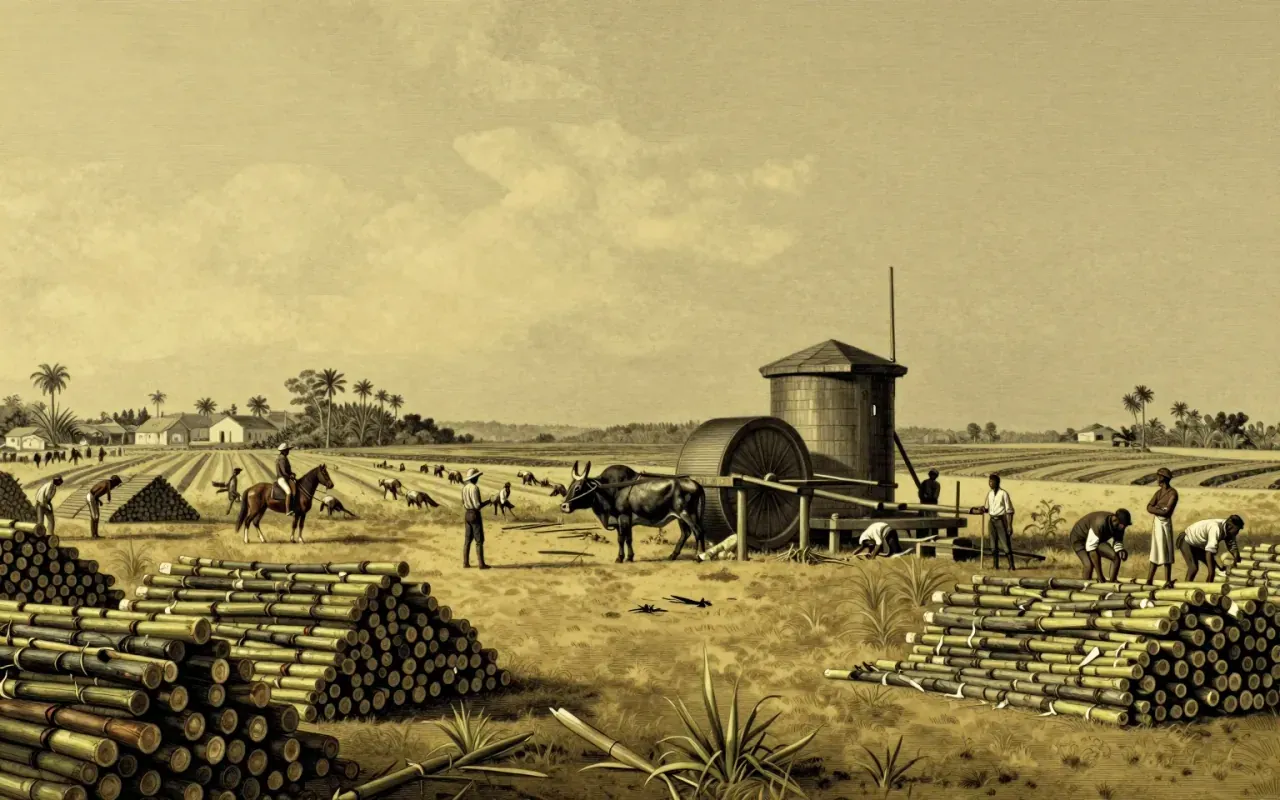
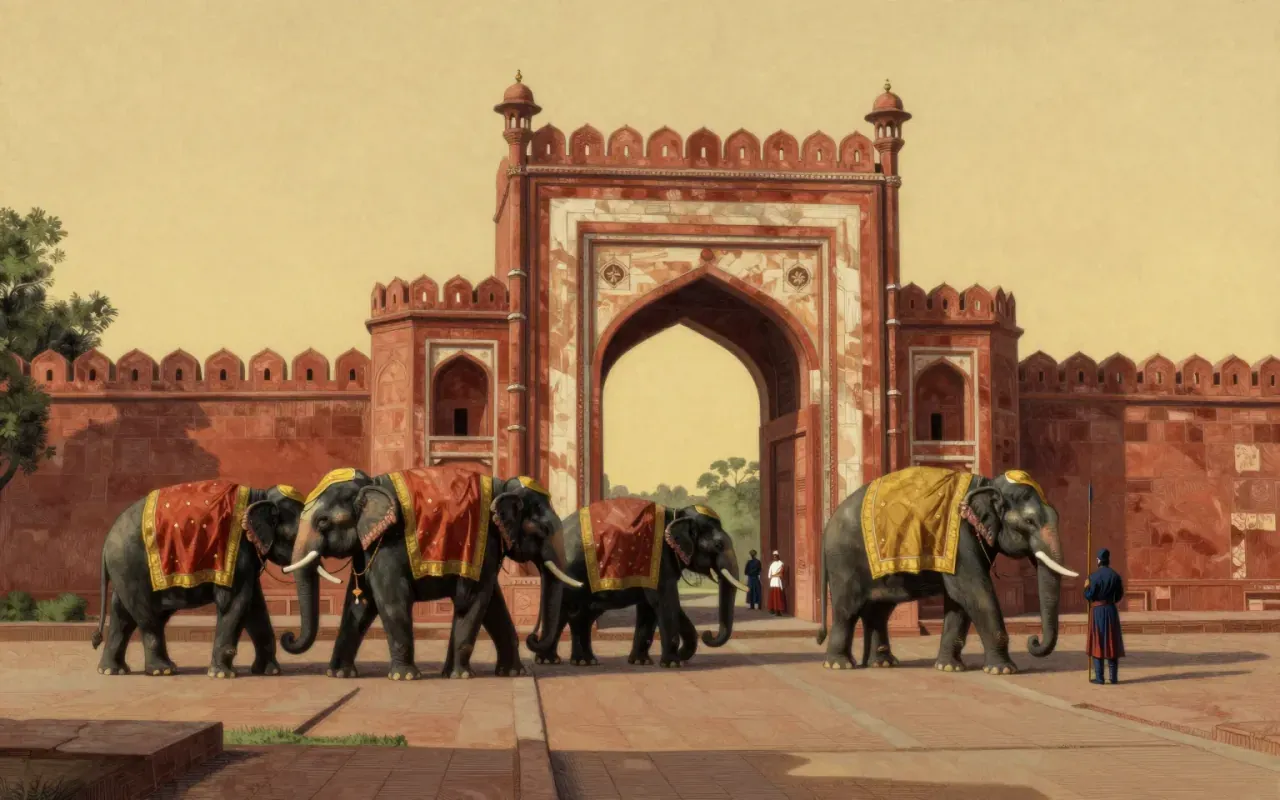
          AkbarAkbar ruled the Mughal Empire from 1556 to 1605, expanding its territory from Bengal to Kabul and Kashmir through campaigns that included the four-month siege of Chittorgarh in 1567 and 1568, while building an administrative system of ranked military-civil officers and a revenue system based on a ten-year average of production. He abolished the tax on non-Muslims, married into Rajput noble families on terms that preserved the women's status, and promoted a syncretic court faith drawing on Islam, Hinduism and other traditions, a record known largely through the court chronicle of his minister Abul Fazl, which modern historians read with considerably more scepticism than it was originally intended to invite.
          13:00
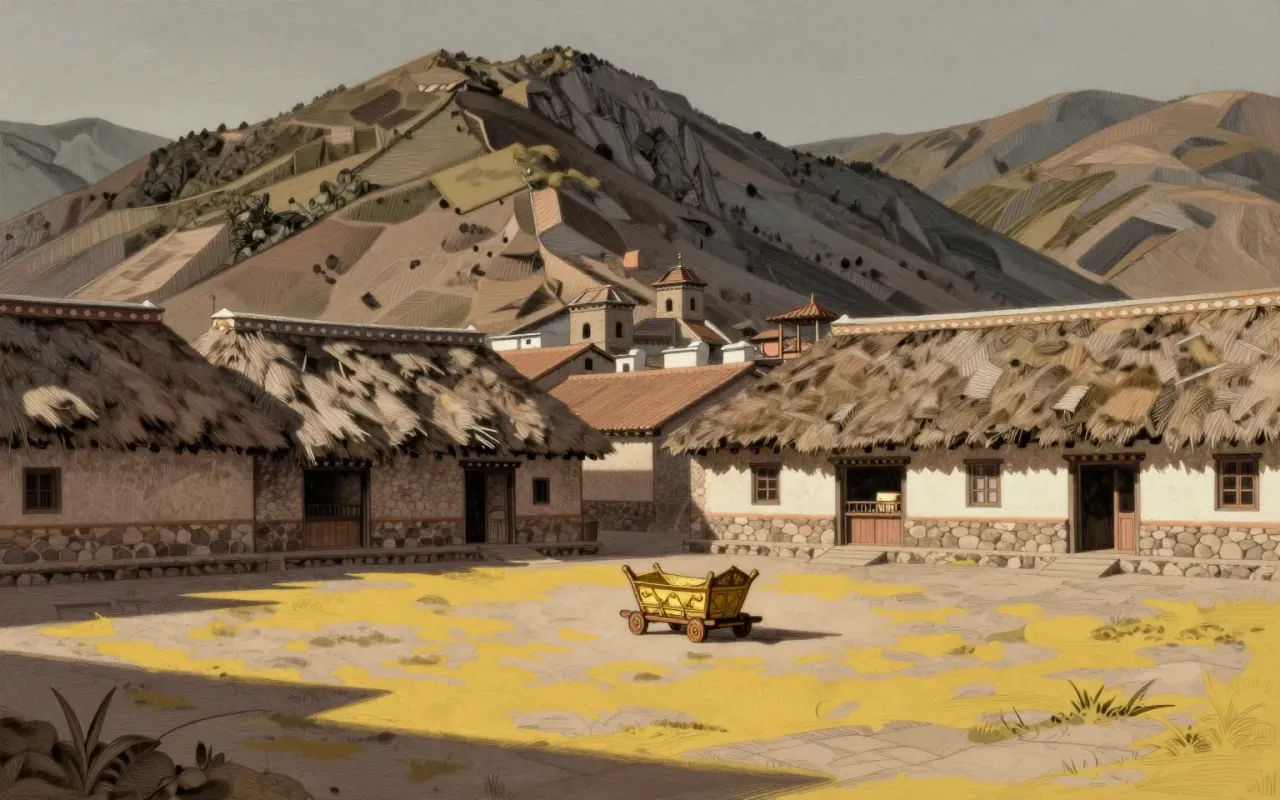
          AtahualpaAtahualpa won a civil war against his half-brother Huascar in April 1532, only for Francisco Pizarro's expedition to reach Cajamarca days later and capture him in an ambush his own recent overconfidence had helped enable. He paid an enormous ransom in gold and silver, but Spanish forces executed him anyway in July 1533. Surviving chroniclers, some drawing on direct testimony from Inca nobility, disagree on basic facts including his birthplace and mother's identity, and historians differ on whether his ransom offer aimed at genuine freedom or simply survival.
          13:00
          Bartolomé de las CasasBartolome de las Casas arrived in the Caribbean in 1502 as a colonist who held enslaved Native labourers under the encomienda system, before a 1514 reading of scripture convinced him Spanish treatment of Indigenous peoples was fundamentally unjust. He spent the following decades as a Dominican friar and eventually bishop, writing A Short Account of the Destruction of the Indies and debating Juan Gines de Sepulveda at Valladolid in 1550 and 1551 over whether Indigenous peoples could be justly subjugated, work that helped shape Spain's 1542 New Laws and later fed into the broader Black Legend narrative about Spanish colonial brutality.
          13:00
          Bartolomeu DiasBartolomeu Dias rounded the southern tip of Africa in 1488, proving for the first time that a sea passage to the Indian Ocean existed, a discovery that directly enabled Vasco da Gama's more celebrated voyage to India a decade later. Almost no contemporary record of his voyage survives, since Portugal's maritime archives were destroyed in the 1755 Lisbon earthquake, leaving historians to rely on an account written some sixty years after the fact.
          Up next in History

          Executive Order 9066 — 1942

          · 1:07

          Broad military authority enabled the forced removal and incarceration of Japanese Americans.

          1:07