Victory in civil war
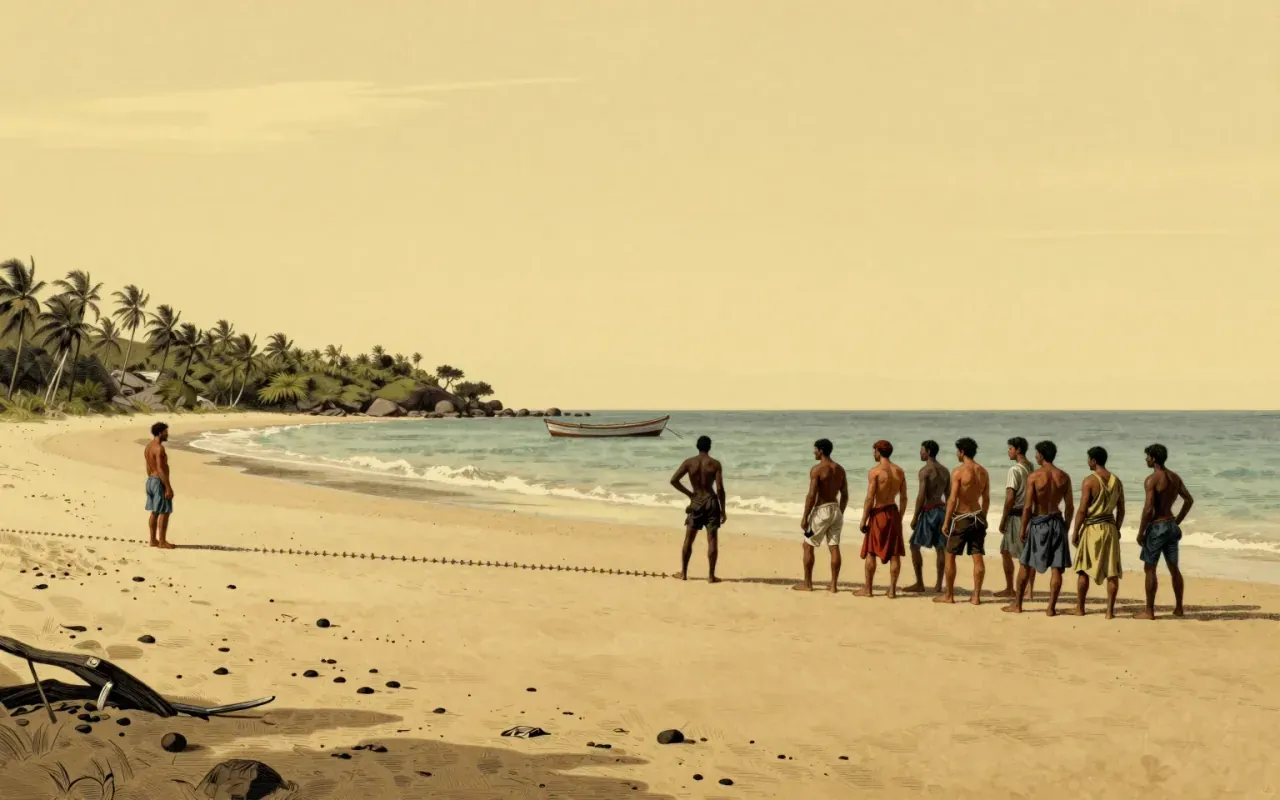
Born around 1502, Atahualpa was appointed governor of the northern Inca province around Quito by his half-brother Huascar in 1527, following the death of their father Huayna Capac in a smallpox epidemic that had already begun weakening the empire. Tension between the brothers escalated into open civil war by 1529, and after an initial reversal in which he was reportedly captured before escaping, Atahualpa rallied his generals and decisively defeated Huascar’s forces at the Battle of Quipaipan in April 1532. Days after that victory, Francisco Pizarro’s expedition reached Cajamarca, where Spanish forces ambushed Atahualpa’s retinue on 16 November 1532 and took him captive. He arranged to fill a large room once with gold and twice with silver in exchange for his freedom, delivering the ransom over the following months, but Spanish forces executed him by garrotte on 26 July 1533 after a hurried trial, ending his brief reign as the last effective Inca emperor.
Chronicles that disagree
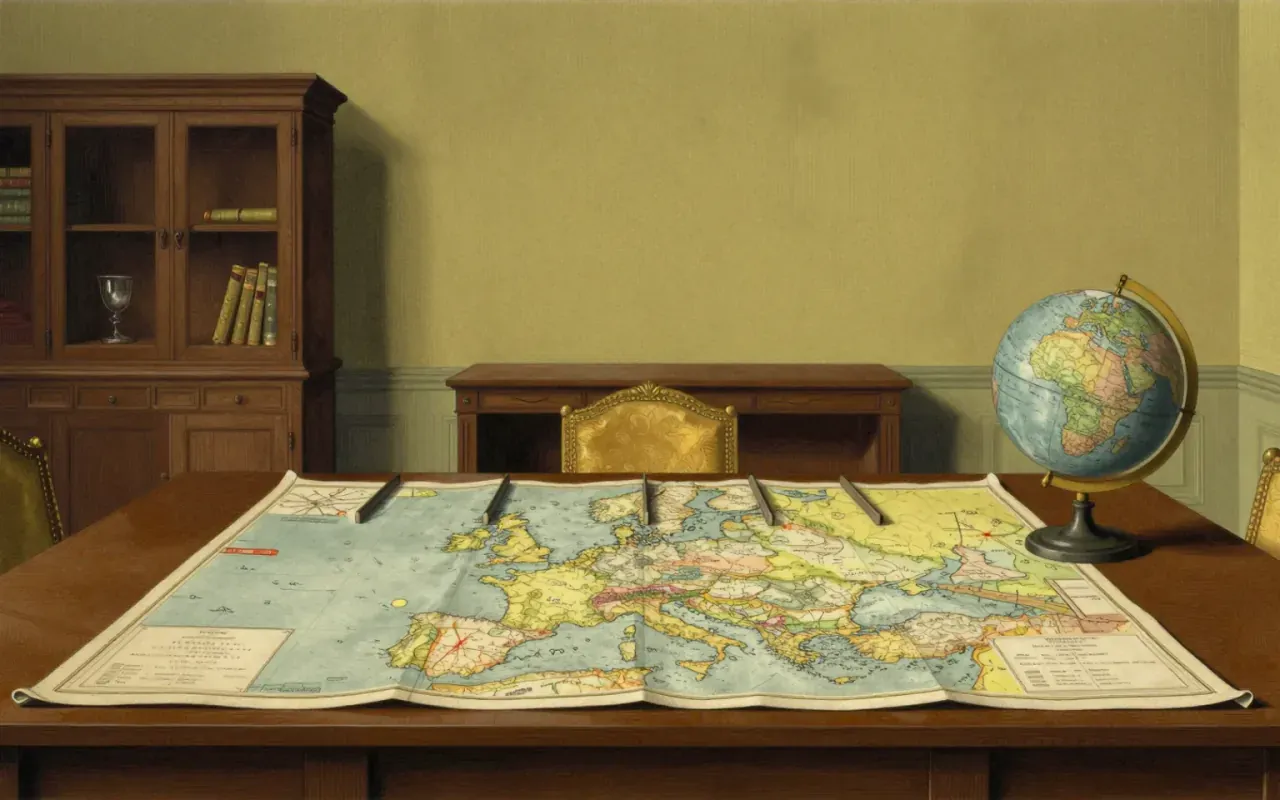
Reconstructing Atahualpa’s life depends on chroniclers writing after the Spanish conquest, several of whom worked directly from testimony given by Inca nobility rather than purely from Spanish military reports, including the Quechua-speaking Juan de Betanzos, considered especially reliable for his direct access to native informants, and Pedro Cieza de Leon, sometimes described as the foremost of the Spanish chroniclers for the same reason. A later indigenous chronicler, Felipe Guaman Poma de Ayala, offers a further perspective but is noted by historians for internal contradictions that limit how far his testimony can be trusted on its own. The scale of disagreement among these sources is substantial enough that one scholarly comparison tracked fourteen separate chroniclers’ claims about something as basic as Atahualpa’s birthplace and found no consistent agreement, a reminder that even relatively well-documented figures from this period rest on a foundation considerably less solid than the volume of surviving material might initially suggest.
Overconfidence after victory
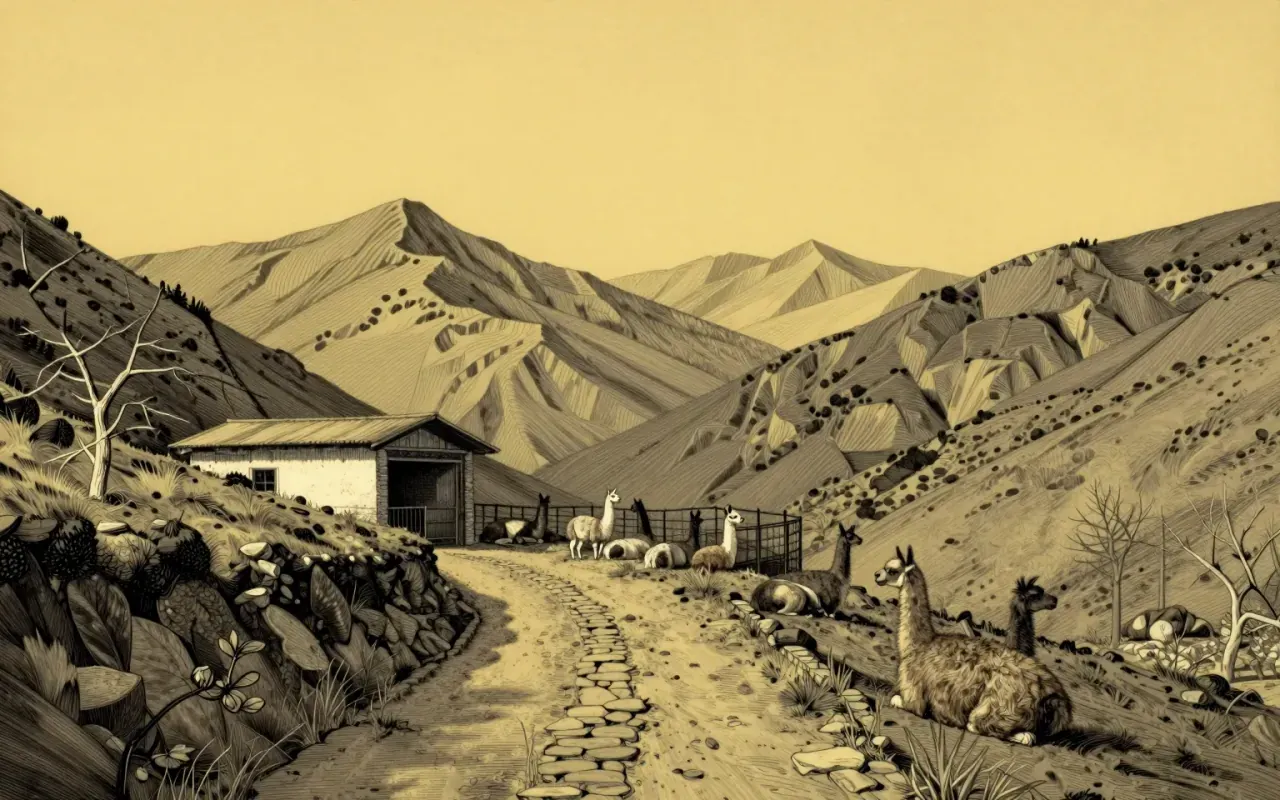
Atahualpa’s victory in the civil war against Huascar reflected the loyalty of experienced military commanders, particularly the generals Quizquiz and Chalcuchimac, who had served under their father and brought battle-tested forces to Atahualpa’s cause at a moment when Huascar, based in the traditional capital of Cuzco, could draw on the trappings of legitimate succession but not necessarily on comparable military experience. That very victory, however, appears to have left Atahualpa dangerously overconfident when a small foreign force reached Cajamarca so soon afterward, since a man who had just defeated a large rival Inca army had every reason to view a few hundred foreigners as a minor curiosity rather than a serious threat requiring caution. His decision to enter the town’s plaza with a large but essentially unarmed ceremonial escort, rather than approaching with combat-ready forces, reflected that miscalculation directly and gave Pizarro’s ambush the opening it needed to succeed with almost no resistance.
Disputed basic facts
Even Atahualpa’s birthplace remains disputed, with most Peruvian historians favouring Cuzco based on several major chroniclers while Ecuadorian historians propose Quito or a nearby town instead, and some scholars argue the Quito version originated as propaganda from Huascar’s faction intended to portray Atahualpa as an illegitimate outsider unfit to rule. His mother’s identity is similarly contested, with at least three different women proposed across different chronicle traditions and no scholarly consensus favouring any single candidate. The historian John Hemming has argued Atahualpa’s famous ransom offer reflected a genuine attempt to save his own life rather than any realistic expectation of securing actual freedom, complicating the popular assumption that the Spanish simply broke a straightforward bargain. A separate account by the chronicler Miguel Cabello de Balboa even questions whether Atahualpa was genuinely captured and imprisoned by Huascar’s forces earlier in the civil war at all, since prisoners in that position were typically executed rather than released to fight again.
An end and a myth of return
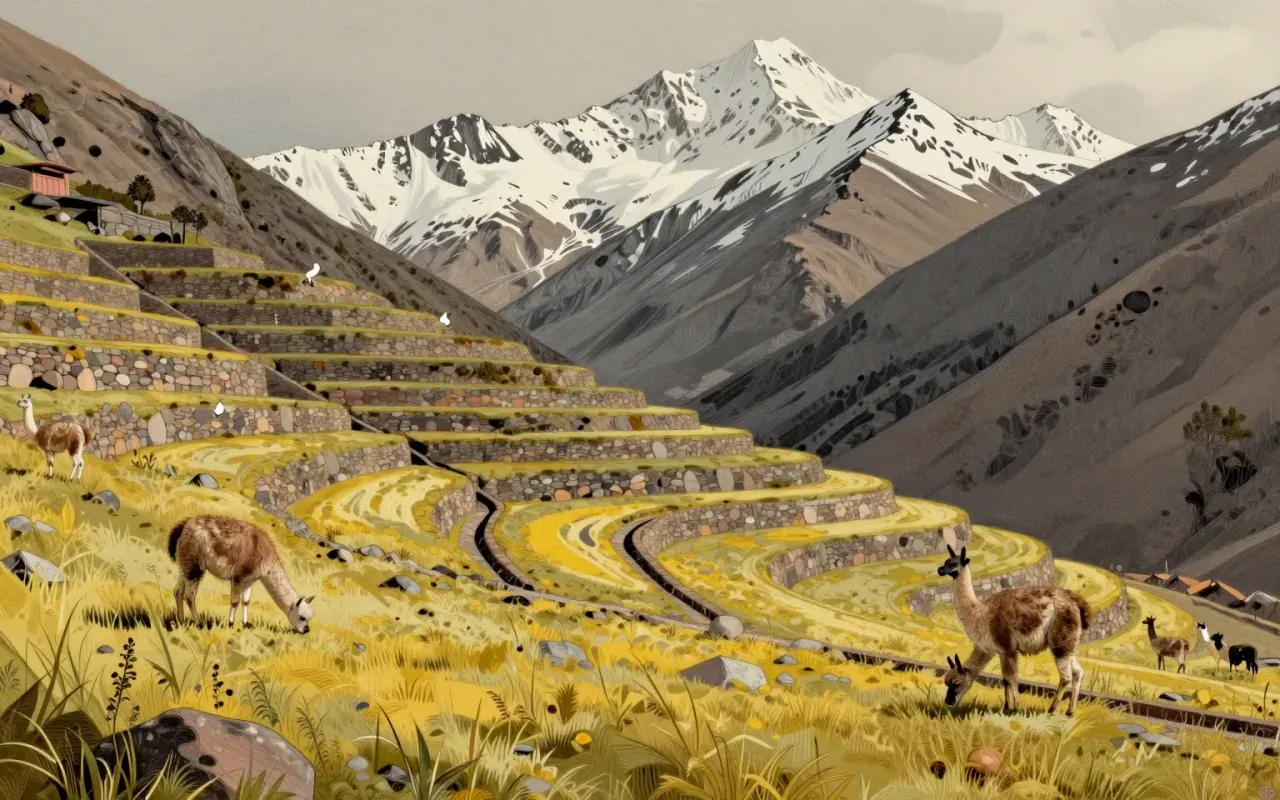
Atahualpa’s execution marked the practical end of independent Inca rule, even though later claimants continued to assert the title as either Spanish vassals or leaders of ongoing resistance in the mountains for decades afterward. His sister Quispe Sisa was taken by Pizarro, and their daughter Francisca later married Pizarro’s brother Hernando, producing a mixed Spanish-Inca lineage that carried political weight in colonial Peru for generations. Among indigenous communities, belief in his eventual return, a myth known as Inkarri, spread widely enough to be documented as far south as Chile, reflecting how his death came to symbolise not simple defeat but an anticipated restoration of a disrupted order. His story remains one of the most widely recognised episodes of the entire European encounter with the Americas, commemorated today through public monuments and institutions bearing his name across both Ecuador and Peru, the two countries whose historians still cannot agree on where he was actually born.
Clarity that dissolves on inspection
Atahualpa’s story is worth engaging with precisely because the basic facts, a civil war won, a foreign force encountered, a ransom paid, an execution carried out anyway, are considerably less settled in their finer detail than their dramatic clarity suggests, down to disputes over where he was born and who his mother even was. Readers should be prepared for genuine uncertainty rather than a single authoritative narrative, since the surviving chronicles disagree with each other on basic biographical facts in ways that later national rivalries between Ecuador and Peru have only compounded rather than resolved. Anyone interested in how a single overconfident tactical decision, entering an unfamiliar town’s plaza without combat readiness, can end an empire, or in how competing national historiographies can shape the memory of a shared historical figure, will find Atahualpa’s brief but consequential reign a genuinely rewarding and still actively contested subject of study.