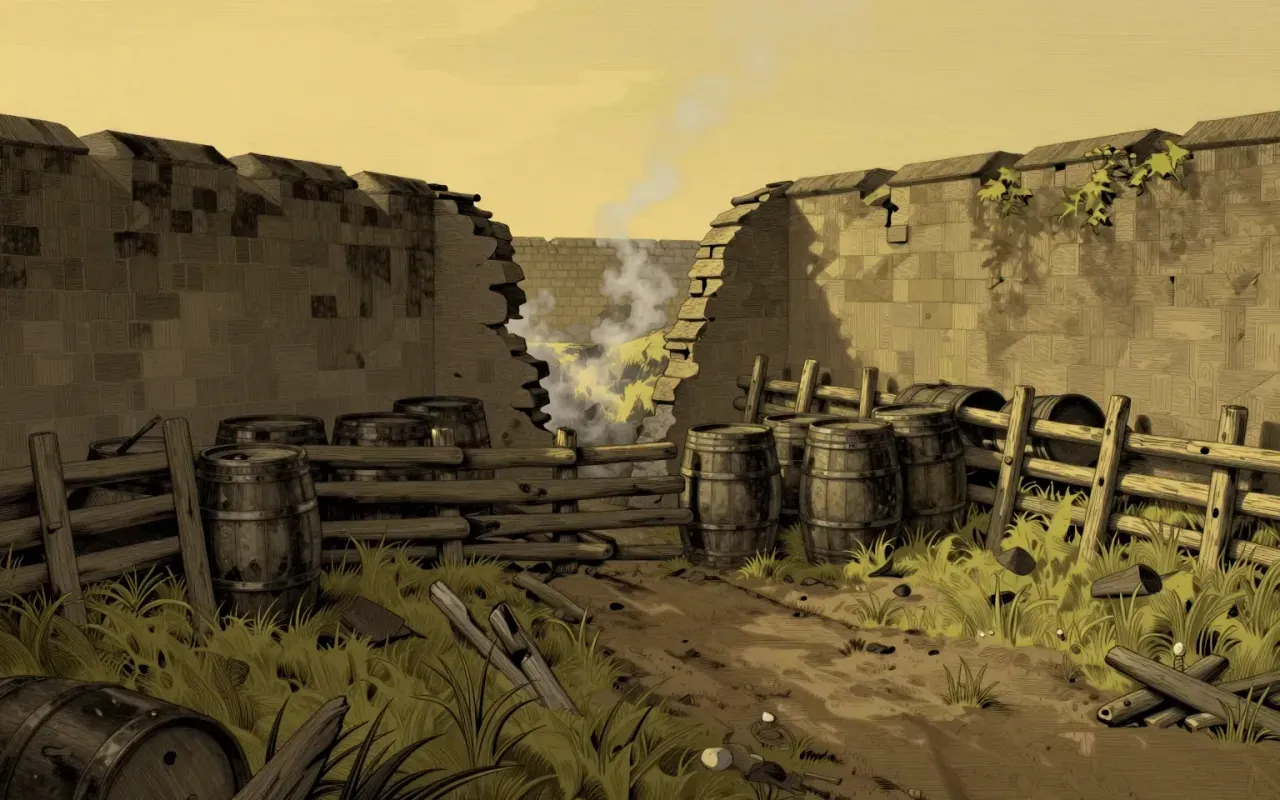
Fifty-three days against overwhelming odds
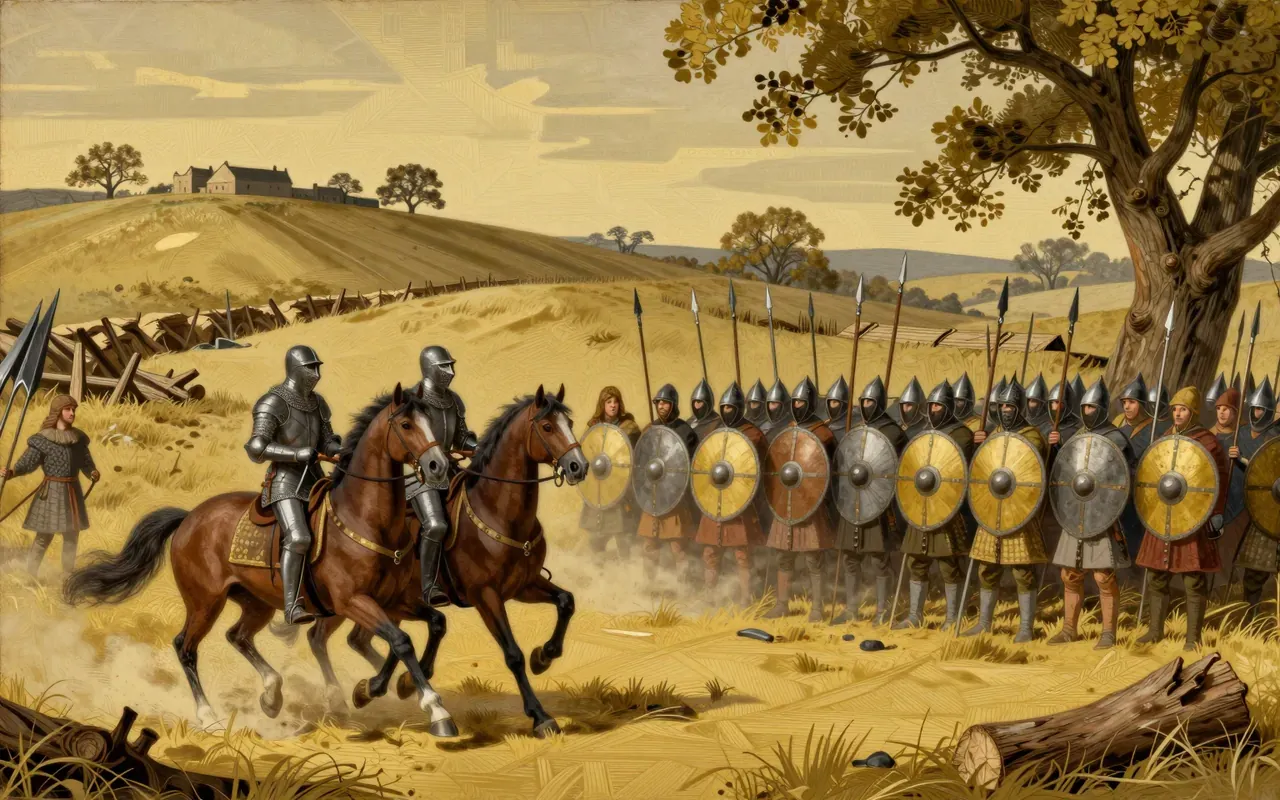
The siege of Constantinople lasted fifty-three days, from 6 April to 29 May 1453, when Ottoman forces under the nineteen-year-old Sultan Mehmed II finally breached the city’s ancient Theodosian walls, ending the Byzantine Empire’s existence after more than a thousand years. Byzantine Emperor Constantine XI Palaiologos commanded the defence alongside the Genoese general Giovanni Giustiniani, who led the land defences, but the defenders, fewer than eight thousand troops in total including around two thousand Western soldiers who had come to assist, faced an Ottoman force that dwarfed them in size and, decisively, in artillery.
A cannon that changed how walls were built
Casualty figures from the siege’s aftermath are recorded with some specificity: contemporary accounts describe roughly four thousand Greek civilians killed, more than five hundred and fifty Venetian civilians dead, and some thirty thousand people enslaved or sold into servitude following the city’s fall. What is far less settled is the size of the Ottoman army itself, since surviving eyewitness accounts, from Venetian merchants, a cardinal present in the city, and Ottoman officials, put the figure anywhere from fifty thousand to three hundred thousand soldiers, a range wide enough that historians have never been able to narrow it to a confident single number.
Numbers eyewitnesses could not agree on
The siege’s outcome turned substantially on gunpowder artillery rather than traditional siege tactics alone: a massive cannon attributed to the Hungarian engineer Orban was reportedly capable of firing six-hundred-pound projectiles over a mile, and though its reload time was slow, sustained bombardment gradually broke down sections of the Theodosian walls that had protected the city for over a thousand years against previous attackers. This combination of overwhelming numbers and modern artillery against defences designed for an earlier era of warfare is what allowed a numerically vastly inferior defending force to be overcome despite putting up sustained resistance for nearly two months.
A conquest, then a claim to Rome
Some elements of Mehmed’s story added by later chroniclers are now generally regarded by historians as fictional rather than factual: the historian Kritovoulos reported that Mehmed visited the site of ancient Troy roughly a decade after the conquest and declared he had avenged the Trojans by defeating the Byzantines, a claim scholars now consider apocryphal, since no Ottoman sources corroborate it, apparently reflecting later efforts by Greek-influenced chroniclers to cast Mehmed within a classical framework more familiar to Western audiences. Separately, some Muslim scholars have connected the conquest to a specific hadith they interpret as prophesying it, a religious interpretation that remains a matter of belief rather than historical consensus.
Stories added after the fact
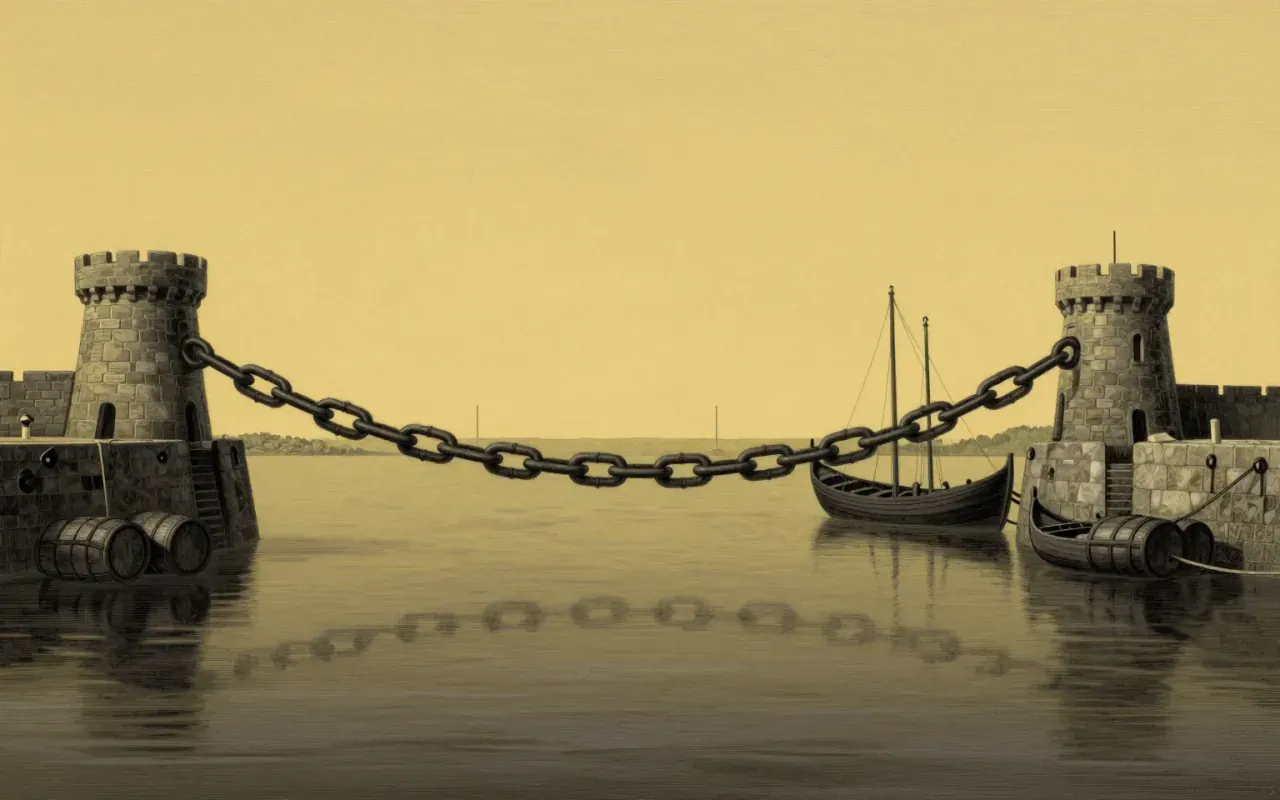
The conquest’s consequences were immediate and far-reaching: Mehmed relocated the Ottoman capital from Adrianople to Constantinople and claimed the title Caesar of Rome, arguing that possession of the former Byzantine capital entitled him to the succession, a claim the Eastern Orthodox Church recognised in some form while Western Europe rejected it outright. Many historians treat the fall of Constantinople as marking the symbolic end of the medieval period in European history, both because it closed the millennium-long continuity of Byzantine imperial rule and because the siege itself demonstrated that traditional fortified cities could no longer reliably withstand gunpowder artillery, a shift with lasting implications for military architecture and strategy across Europe.
A date historians use to close an era
This is a compelling subject both for the specific military and technological story, gunpowder defeating a thousand years of fortification, and for what it reveals about how quickly legend accretes around a young, dramatically successful conqueror. It rewards attention for both threads. It is less useful if you want a settled figure for the actual size of the Ottoman army, since the contemporary sources disagree so widely that the material can only present the range rather than resolve it into a single confident number. That honesty about the limits of contemporary record-keeping is itself instructive, a reminder that even a meticulously dated fifty-three day siege can still leave basic questions of scale genuinely open centuries later.