Nine years, three kingdoms, one execution
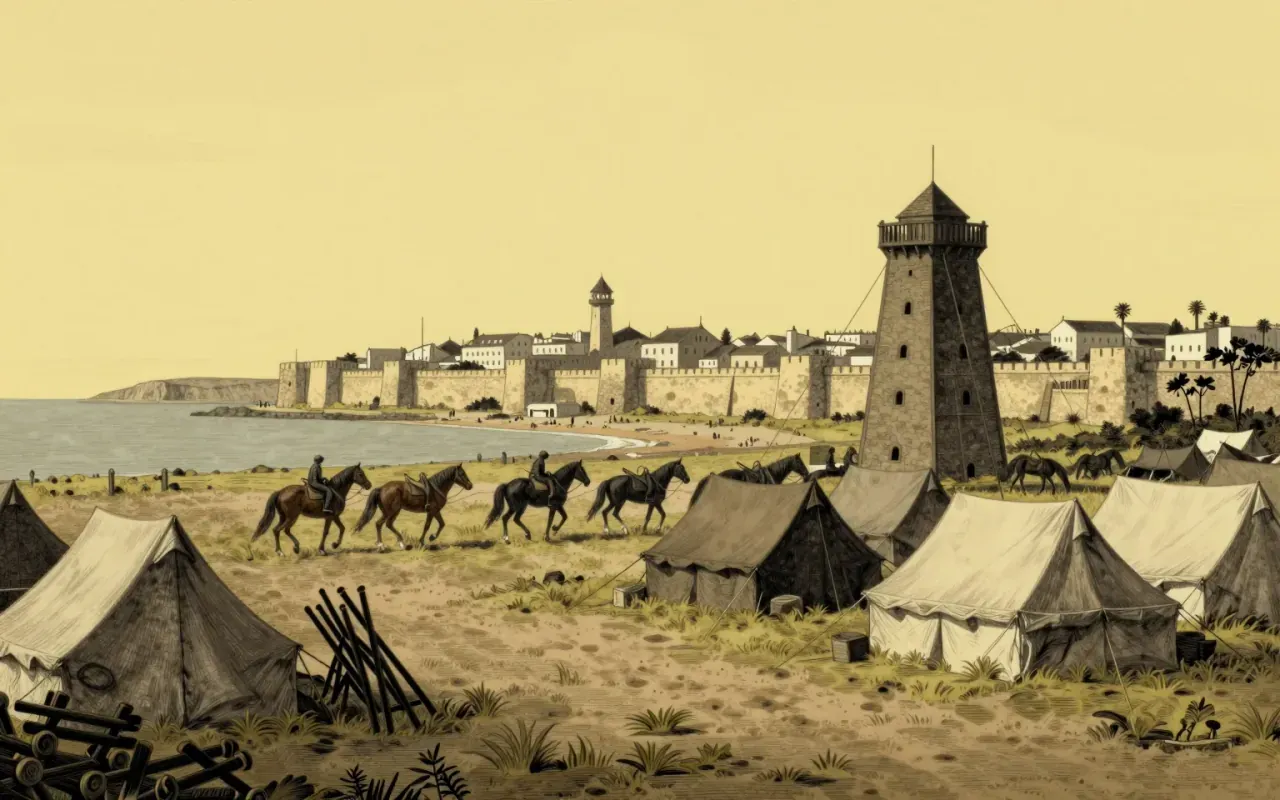
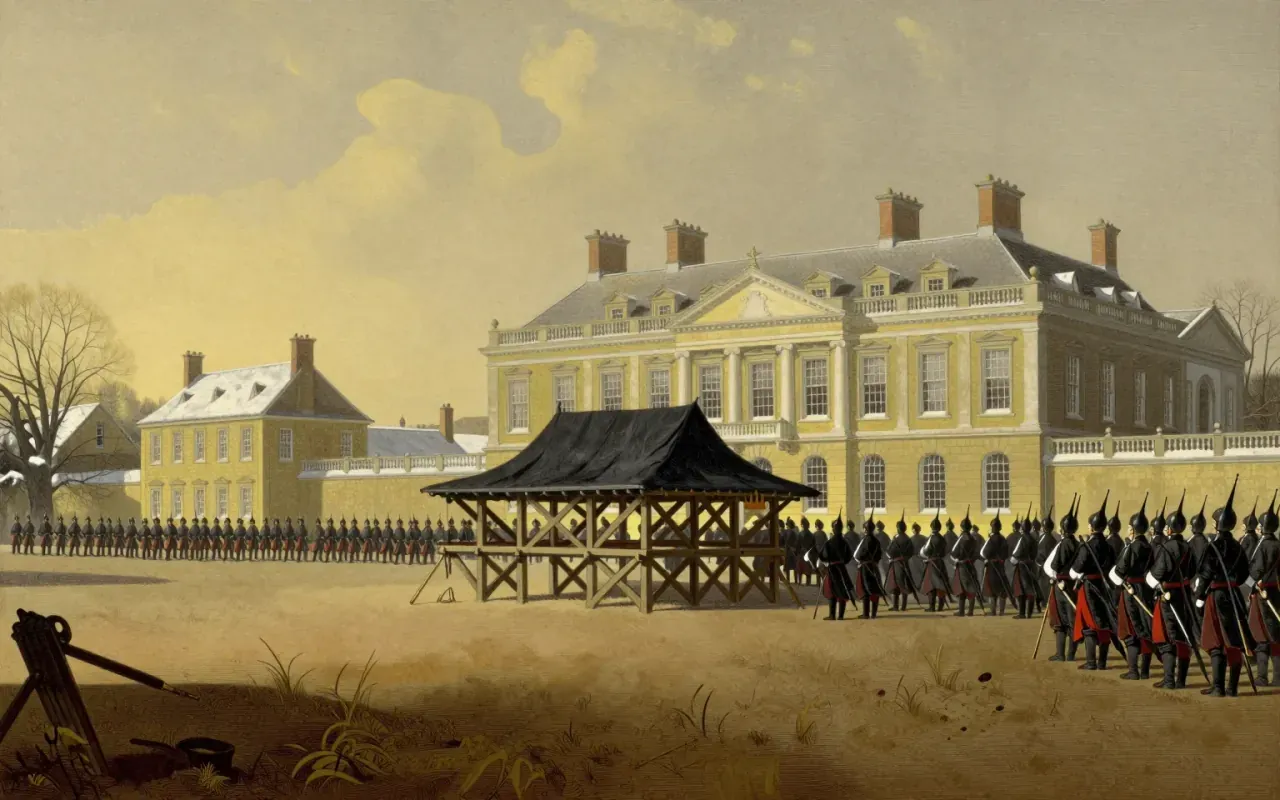
The English Civil War ran from 1642 to 1651 as part of a wider conflict across England, Scotland and Ireland sometimes called the Wars of the Three Kingdoms, pitting supporters of King Charles I against a Parliament increasingly unwilling to accept his authority unchecked. Major battles including Marston Moor in 1644 and Naseby in 1645 turned the military tide decisively toward Parliament, whose New Model Army, organised in part by Oliver Cromwell, proved better disciplined than Royalist cavalry over the long run. The war culminated in Charles’s trial and execution in January 1649 and the establishment of a republican Commonwealth, though fighting continued intermittently until a final Parliamentarian victory at Worcester in 1651. Estimates put total deaths, including from disease and disruption rather than combat alone, at over a hundred thousand across the three kingdoms.
The same pamphlets, several different verdicts
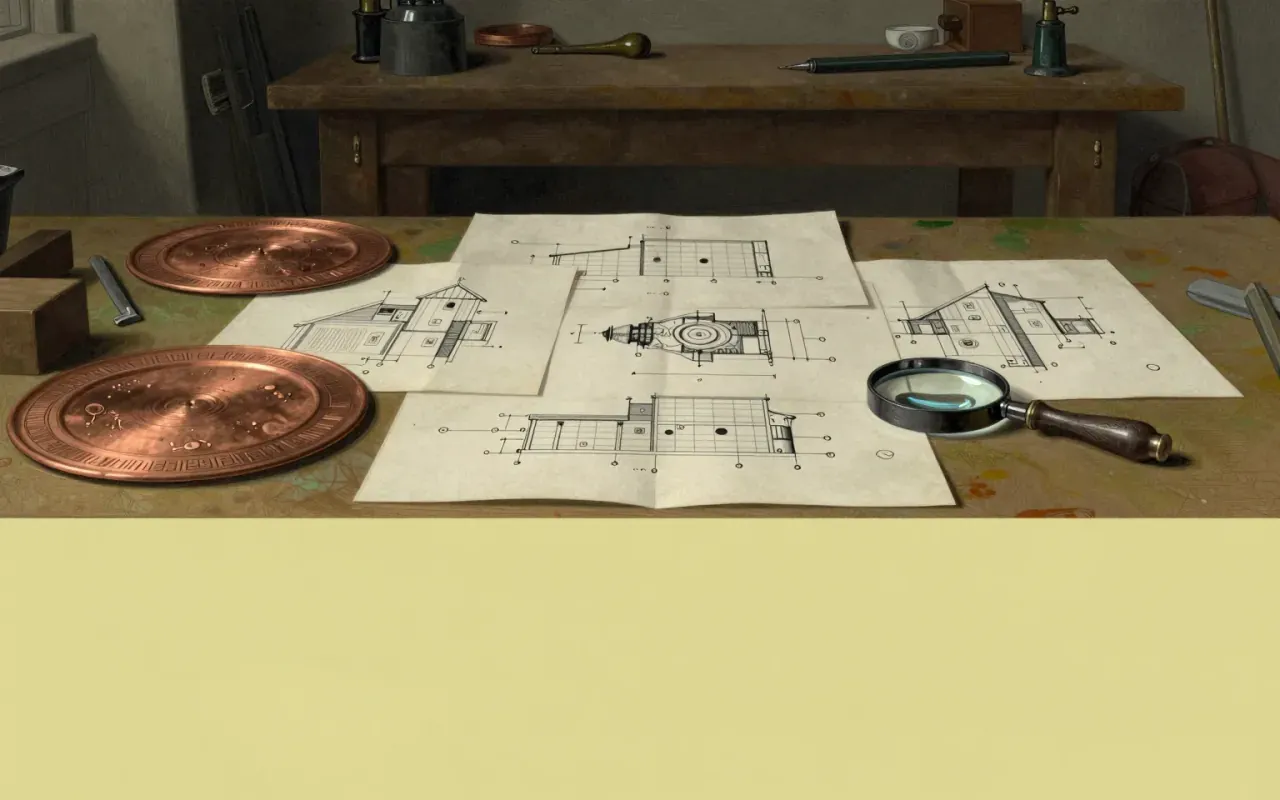
The conflict generated an enormous volume of contemporary pamphlets, parliamentary records and correspondence from both sides, giving historians rich but partisan raw material that requires careful cross-checking rather than simple acceptance at face value. Thomas Hobbes, writing his own analysis of the war’s causes in a work called Behemoth after the fact, offered one influential contemporary interpretation, and later historians have layered several competing frameworks on top of that contemporary record, from a nineteenth-century view treating the war as inevitable progress toward parliamentary democracy to twentieth-century Marxist readings emphasising class conflict, each drawing on the same underlying documentary record to rather different conclusions.
Religion, unchecked rule, and an arrest that failed
Tension built for years before fighting began, driven by religious disputes over Charles’s support for more ceremonial, Catholic-leaning forms of worship that alarmed Puritan opinion, by his eleven years of governing without calling Parliament at all during the 1630s, and by his attempt to impose an English-style prayer book on Scotland in 1637, which provoked armed Scottish resistance and forced him to recall Parliament to raise money for war. Parliament used that opening to pass laws sharply limiting royal power, and when Charles personally attempted to arrest five members of the Commons on treason charges in January 1642, an unprecedented and unsuccessful move, it eliminated whatever remaining possibility existed for a negotiated settlement between king and Parliament.
Even the name is still argued over
Historians still debate what to even call the conflict, with some preferring the broader term Wars of the Three Kingdoms to capture its full geographic scope and others sticking with the traditional English-focused name, a disagreement that reflects real differences over how to weigh the Scottish and Irish dimensions of the fighting. The degree of popular support for either side is also debated, since much of the country appears to have tried to remain neutral where possible, with some communities forming armed groups specifically to keep both armies away from their land rather than committing to either cause. Whether Parliament’s early leaders actually intended to abolish the monarchy from the outset, or were pushed toward that outcome only gradually by Charles’s own repeated refusal to compromise, remains a genuinely contested question rather than a settled one.
A parliamentary monarchy, eventually
The war’s outcome set England and Scotland on a path toward government structured around Parliament rather than unchecked royal authority, even though the specific republican and unified British state established afterward proved unstable and was dismantled at the Restoration in 1660. Cromwell’s New Model Army demonstrated that disciplined organisation and merit-based promotion could outperform more traditionally aristocratic military leadership, an influence that shaped military organisation well beyond England’s own borders. The war’s religious and constitutional arguments, over the proper limits of royal power and the place of Parliament in government, continued to shape English politics for decades afterward, feeding directly into the further constitutional crisis of the Glorious Revolution in 1688.
A war whose interpretation is still contested
The English Civil War is worth attention for how much genuine disagreement still surrounds its basic interpretation, whether it was fundamentally a religious conflict, a constitutional struggle over royal power, or a class conflict in the making, disagreements that different generations of historians have answered in quite different ways using largely the same surviving documents. Readers interested in how a single set of historical events can support multiple competing interpretive frameworks will find the historiography itself genuinely instructive to trace. Readers wanting a simple story of a unified Parliament against a unified monarchy should expect the record of widespread neutrality, local self-protection and shifting allegiance to complicate that picture considerably.