From ‘Fool of Owari’ to a seal reading conquest by force
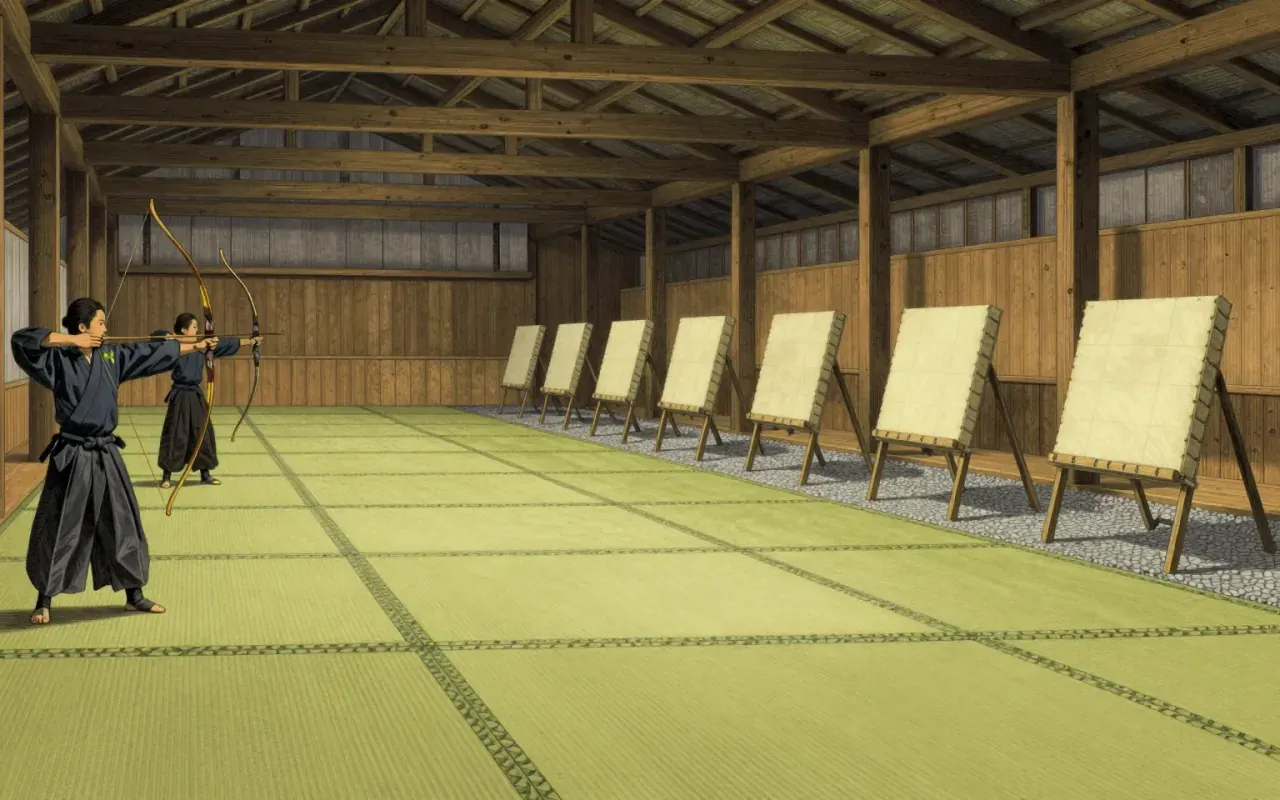
Nobunaga was born in 1534 as heir to the Oda clan in Owari Province, and despite an early reputation for eccentric behaviour that earned him the nickname Fool of Owari, he spent the 1550s eliminating internal rivals to secure uncontested control of his home province. His unexpected victory at the Battle of Okehazama in 1560, where a force of two to three thousand defeated an invading army reportedly twenty-five thousand strong, established his reputation, and by 1567 he had taken Mino Province and adopted a seal reading Tenka Fubu, roughly all the world by force of arms, signalling ambitions that extended well beyond his home territory.
Chronicles written by men who served him
The main narrative sources for Nobunaga’s career were written by men connected to his own circle: Ota Gyuichi’s Shincho Koki, or Nobunaga Chronicle, along with Oze Hoan’s Shincho Ki and Toyama Nobuharu’s Soken Ki, together provide the fullest surviving account of his campaigns and personality, though as records produced within or close to his own service they naturally present his career from a broadly sympathetic vantage point. Later reinterpretation of specific episodes described in these chronicles, rather than the discovery of new contradictory sources, has driven much of the revision in how historians now understand particular battles.
Okehazama, Nagashino, and a tactic that turns out to be a myth
Nobunaga’s 1568 entry into Kyoto, where he installed Ashikaga Yoshiaki as shogun while declining formal titles for himself, was followed by a decade of campaigns against the allied Asakura and Azai clans, against fortified religious movements including the Ikko-ikki, and against the Takeda clan, whose forces suffered a major defeat at the Battle of Nagashino in 1575. For decades this victory was explained by a supposed three-stage volley-firing technique among Nobunaga’s arquebus-armed troops, a tactical innovation later Imperial Japanese Army historians attributed directly to him; more recent scholarship has identified this as a misreading of the available evidence, arguing instead that Nobunaga’s advantage at Nagashino rested chiefly on superior logistics and control of his supply lines rather than any specific firing formation.
Brutality at Mount Hiei, alongside genuine reform
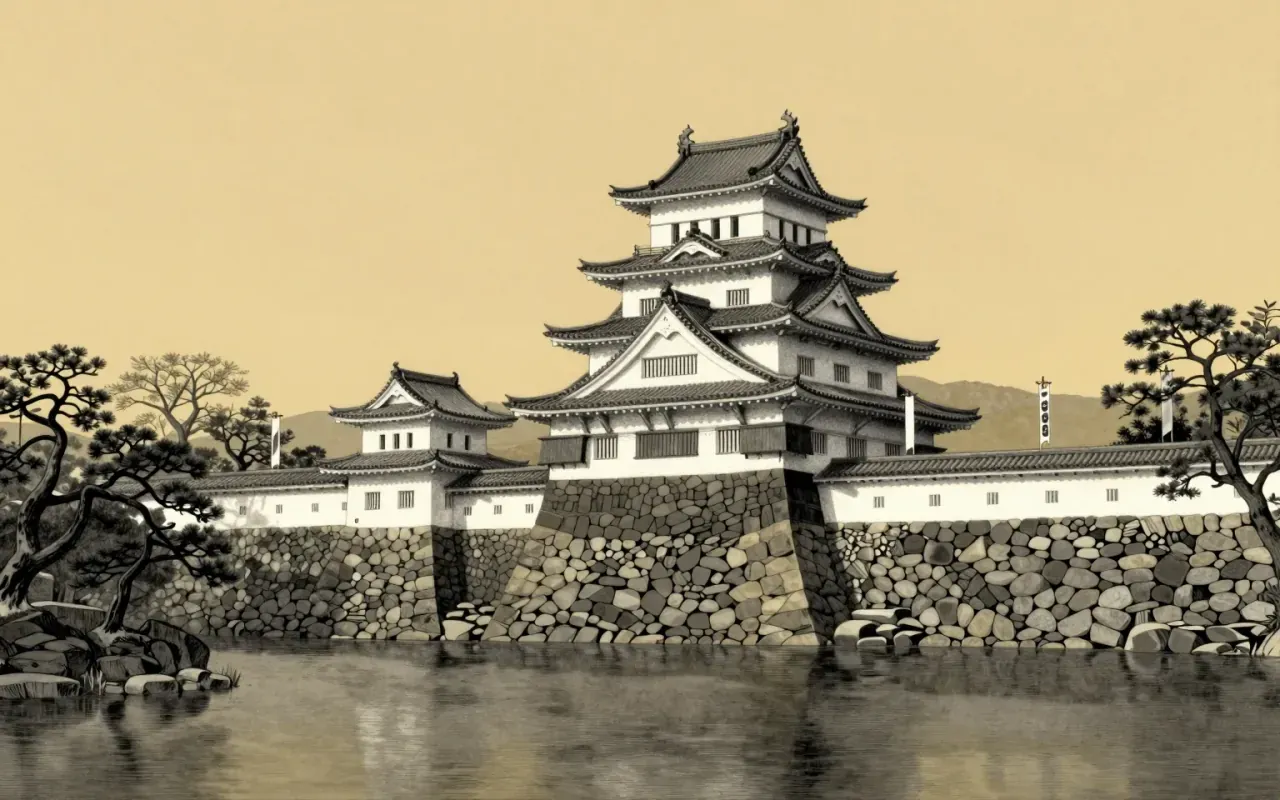
Nobunaga combined genuine administrative innovation, including the promotion of free trade and the construction of Azuchi Castle as both a strategic base and a centre of the Momoyama artistic period, with documented brutality toward organised resistance, most notably his 1571 destruction of the Buddhist monastic complex on Mount Hiei, described in contemporary accounts as turning the entire mountainside into what one source called a great slaughterhouse. By 1581 or 1582 he controlled roughly twenty central Japanese provinces, having achieved this position of dominance through a combination of these harsh campaigns against organised resistance and more constructive policy toward trade and governance in territory already under his control.
Betrayed at Honno-ji, and dead within hours
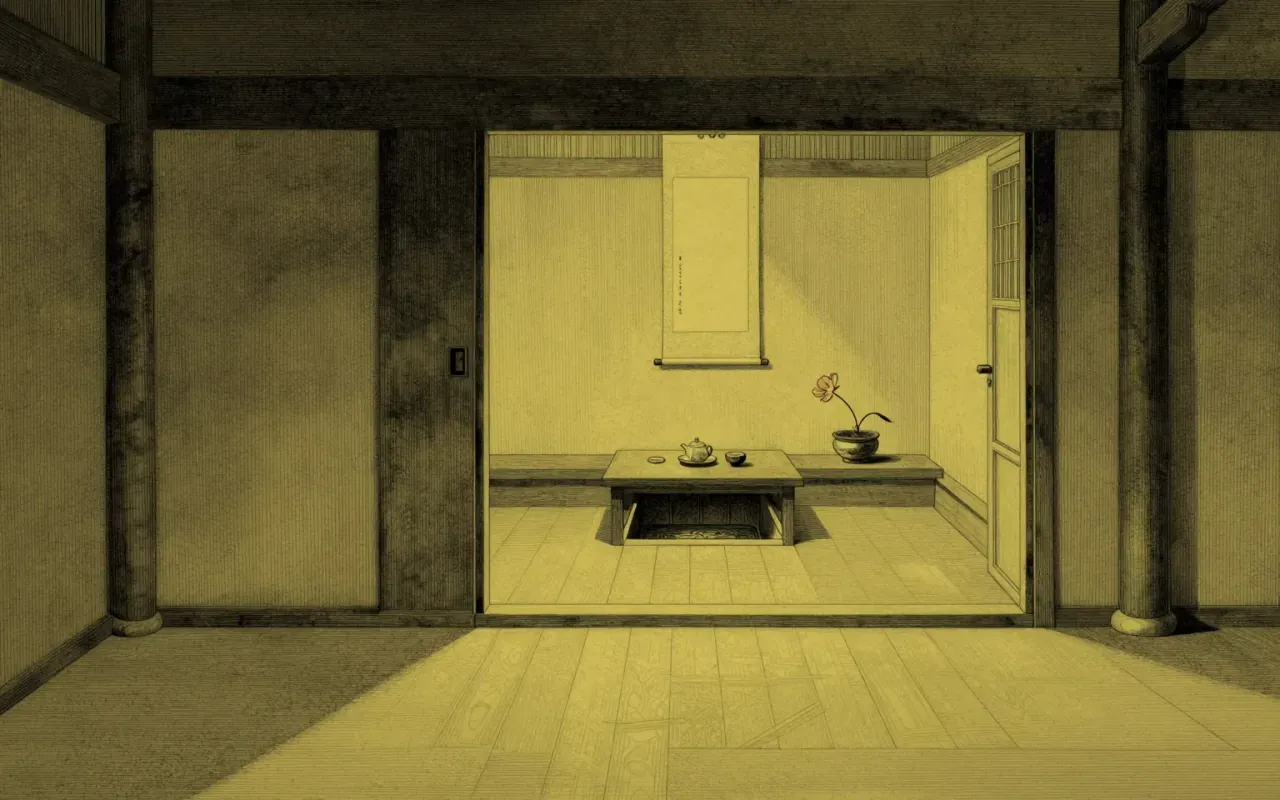
On 21 June 1582, while staying with a minimal guard at the Honno-ji temple in Kyoto during a tea ceremony, Nobunaga was ambushed by his own general Akechi Mitsuhide and, after brief resistance, took his own life rather than surrender. Because Mitsuhide’s forces could not locate and confirm Nobunaga’s body, Mitsuhide was unable to prove the death conclusively, a failure that weakened his own claim to succession and contributed to his defeat within days by Nobunaga’s other leading general, Toyotomi Hideyoshi, an episode remembered in the phrase Mikka Tenka, or three-day reign, referring to the brevity of Mitsuhide’s hold on power.
A unifier worth reading past his own legend
Nobunaga is generally credited as the first of Japan’s three great unifiers, with Hideyoshi and later Tokugawa Ieyasu completing the process he began, and the period named for his castle at Azuchi marks a recognised transition point toward early modern Japan. Readers interested in military history should approach some of the most repeated details of his career, particularly the celebrated Nagashino firing tactic, with the same scepticism modern historians now apply, since the more mundane explanation, superior logistics, has replaced the more dramatic tactical legend in current scholarship. His career rewards attention precisely because it shows how even well-documented, chronicle-supported history can still contain details that later reinterpretation substantially revises.