10:20in productionCh. 1 · A Name Made by Censorship/ 10:20 · ceiling 15 min
20th century · War & conflict
Spanish flu
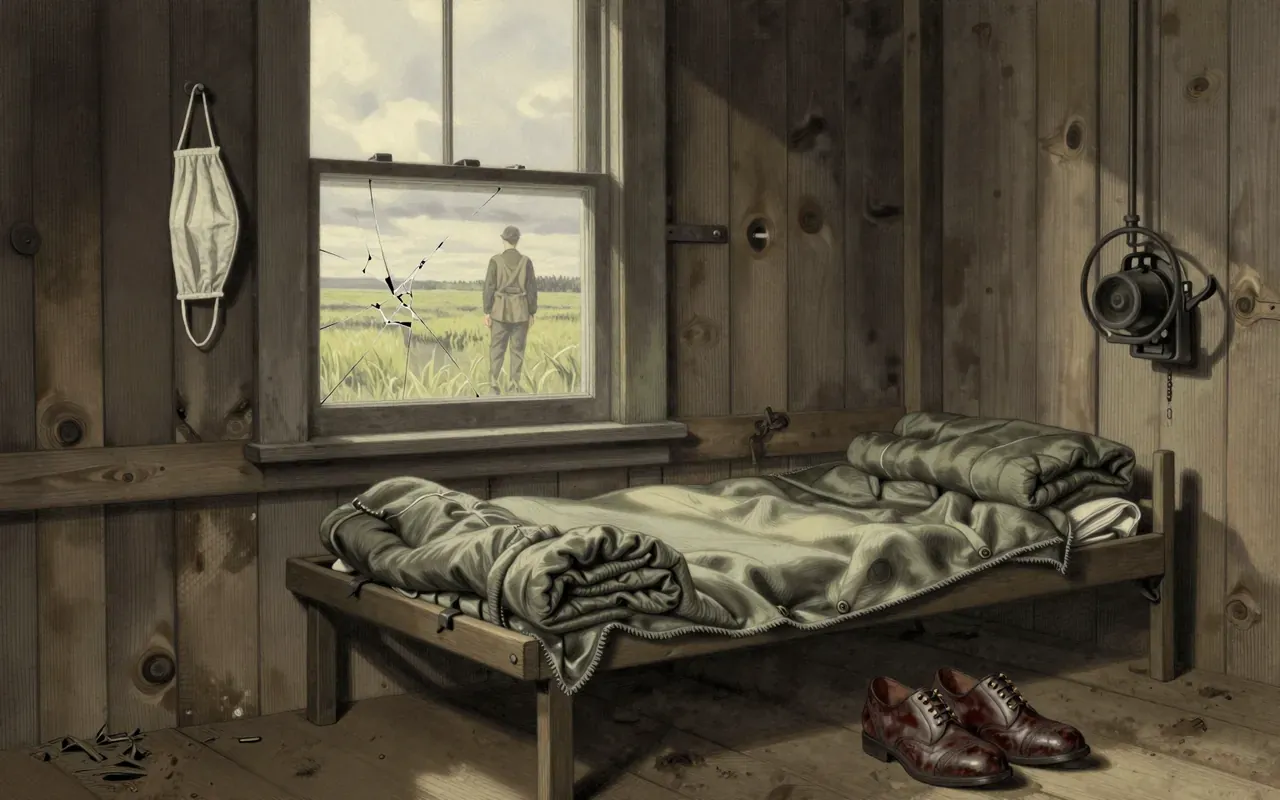
It wasn’t Spanish. It wasn’t mild. And it killed more young adults than any flu before or since — because war made immunity fatal.
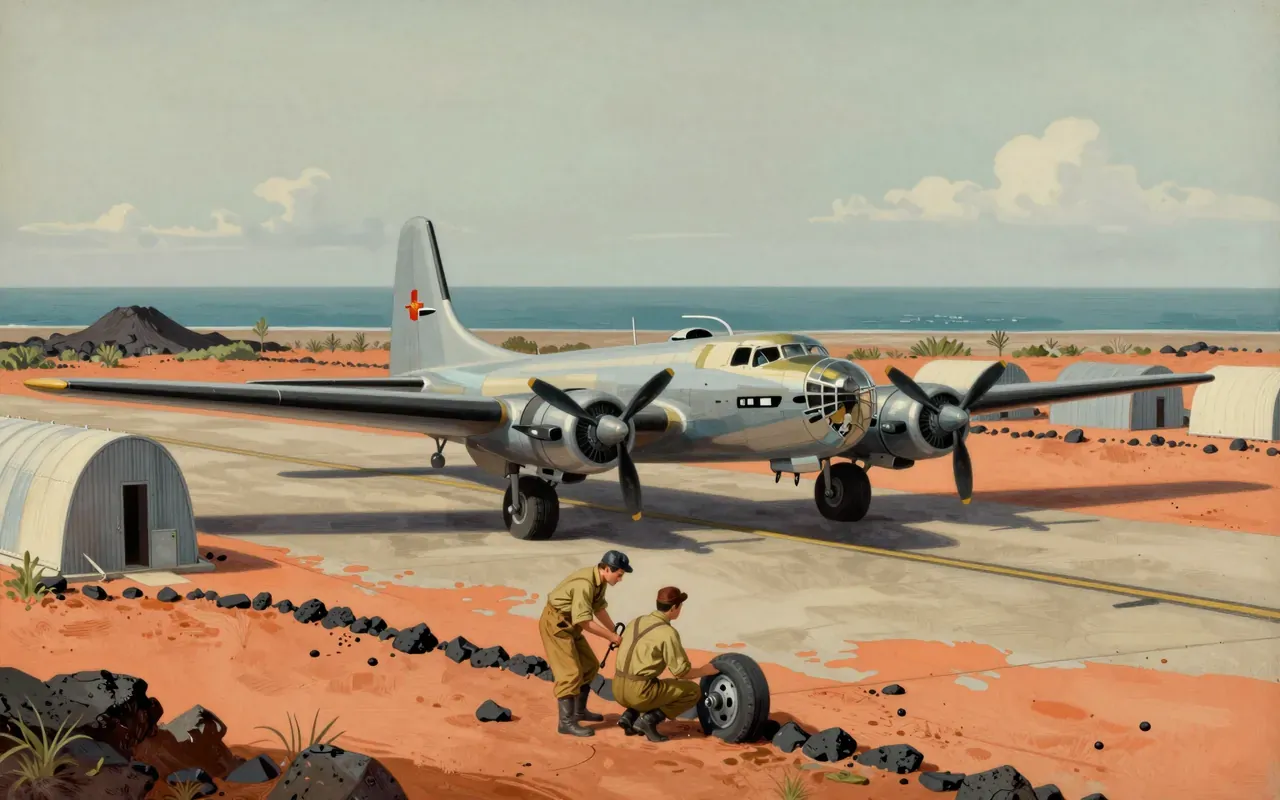
The 1918–1920 flu pandemic was caused by H1N1. Earliest documented cases were in Haskell County, Kansas, in March 1918. It infected ~500 million people. Death estimates range from 17 million to 100 million. Wartime censorship created the false impression that Spain was the origin. Its unusually high mortality among young adults likely resulted from immune overreaction compounded by war-induced malnourishment and overcrowding. Geographic origin remains indeterminate.
The name 'Spanish flu' is a wartime misdirection — not a location, but a censorship artefact.
2:10
Where It Started — And Why We Can’t Be Sure
The first documented cases were in Kansas, but the origin remains unknowable due to fragmented data.
3:03
Why the Young Died First
Young adults died at catastrophic rates because war weakened bodies and immune overreaction turned defence into destruction.
4:20
The Scale We Can’t Pin Down
Half a billion infected. At least 17 million dead. Possibly triple that — the range reflects how little we can count with certainty.
5:38
The Virus Was Known. The Catastrophe Was Not.
It was H1N1 — the same subtype behind later pandemics — but its virulence came from context, not novelty alone.
6:53
How War Weaponised the Flu
Censorship and camp conditions didn’t just spread the virus — they turned it lethal.
Worth your time?
Yes. Study the whole thing.
4.5/ 5
What works
establishes causal links between censorship and delayed response
grounds mortality claims in documented ranges, not single figures
names the virus subtype and documents its behavioural anomaly
identifies war as an amplifier, not a cause
What does not
claims a single origin
states a definitive death toll
attributes motive to actors
uses hedging language
Study it if
readers who need to assess risk in crisis response
historians weighing evidence against narrative
public health professionals comparing intervention efficacy
Skip it if
those seeking moral closure
readers wanting a definitive origin story
audiences looking for heroic or villainous figures
The written brief1 min read
What happened
A global influenza pandemic killed tens of millions between 1918 and 1920. It infected ~500 million people. It struck young adults with exceptional lethality. It spread during World War I under conditions of malnourishment, overcrowding and poor hygiene.
How we know it
Contemporary medical reports, military records and epidemiological reconstructions confirm the H1N1 virus caused the pandemic. Earliest documented cases were in Haskell County, Kansas, in March 1918. Global infection totals (~500 million) and death ranges (17–100 million) derive from demographic modelling of incomplete national registers and colonial health reports.
Why it went that way
Wartime censorship suppressed reporting in belligerent nations, delaying response and distorting perception. Neutral Spain’s open coverage created the false label ‘Spanish flu’. Malnourishment, overcrowding and poor hygiene — all intensified by war — enabled bacterial superinfections, which killed most victims after prolonged illness.
What is still contested
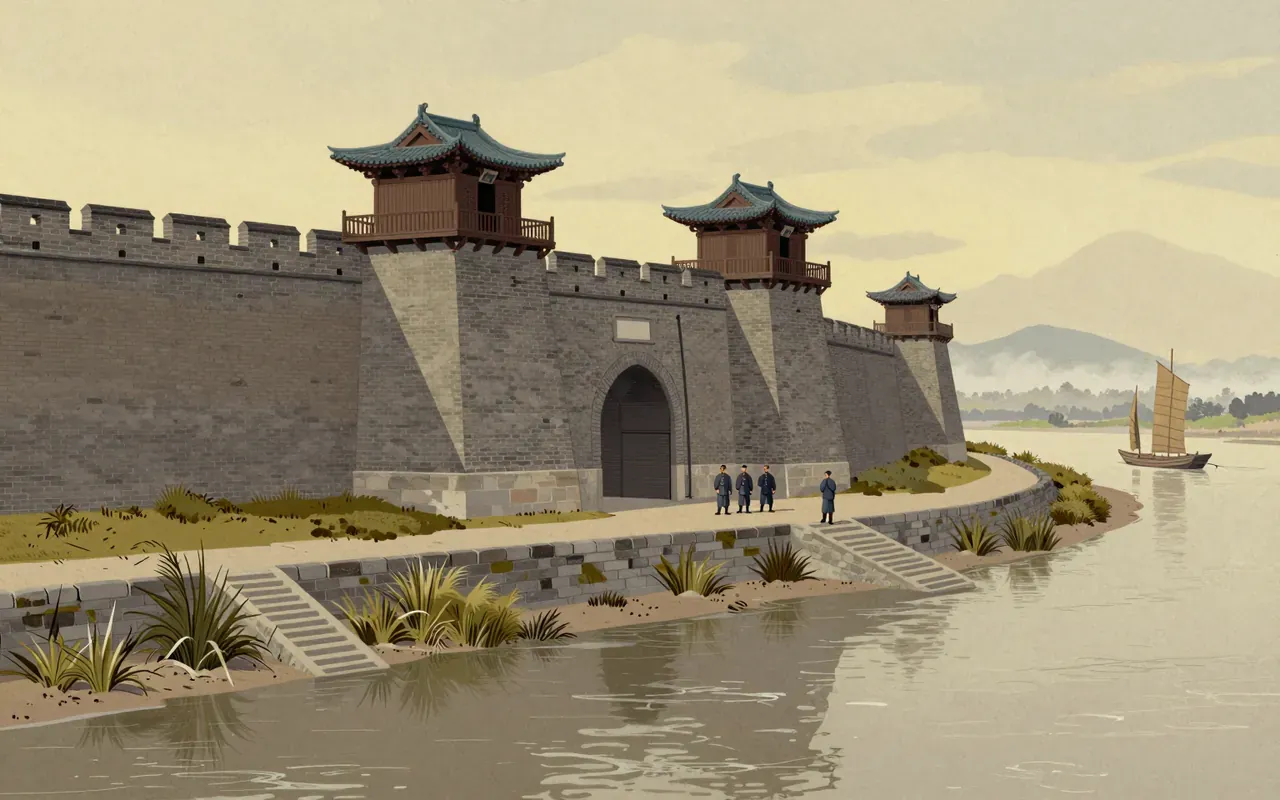
The geographic origin is indeterminate. Competing hypotheses point to the US, Europe (Étaples or Aldershot), or China. No documentary evidence confirms any single source. The cause of high young-adult mortality is inferred from immunological theory — cytokine storm — but no contemporaneous biological samples survive to verify it.
What it changed
It forced adoption of systematic surveillance, quarantine protocols and non-pharmaceutical interventions like face masks and social distancing. These measures cut mortality by up to 50% when applied early and consistently. It discredited the idea that influenza was a minor illness.
Is it worth your time
Yes. It reshaped public health infrastructure, exposed the lethal consequences of wartime censorship, and remains the benchmark for pandemic severity — not because it was unique in kind, but because its mortality pattern and scale are still unmatched in modern record.