historybriefs
Topic

The First World War

The war that ended the nineteenth century, four years late.

10
in history
12:29
average
125 min
in total
39
across the network
The First World War across the network →
All briefs10
10:20

Spanish flu

1918–1920

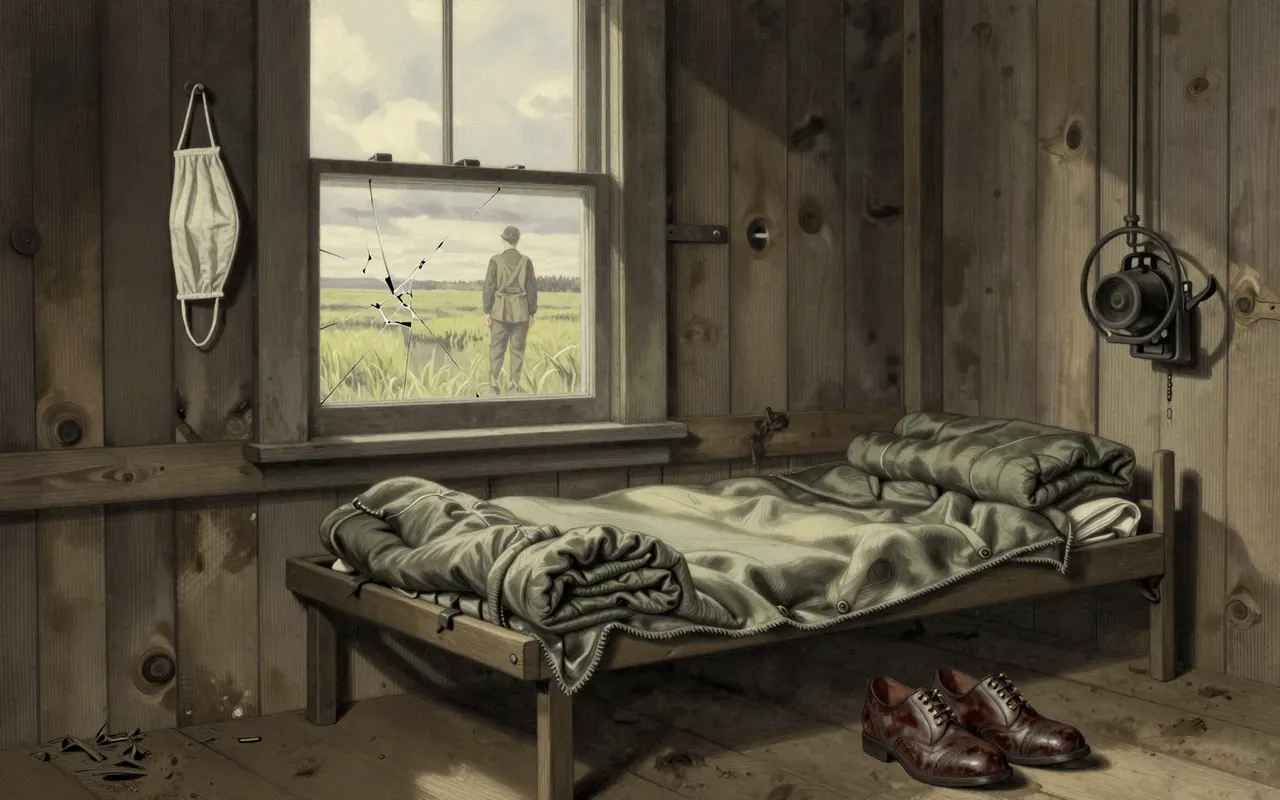
The 1918–1920 flu pandemic was caused by H1N1. Earliest documented cases were in Haskell County, Kansas, in March 1918. It infected ~500 million people. Death estimates range from 17 million to 100 million. Wartime censorship created the false impression that Spain was the origin. Its unusually high mortality among young adults likely resulted from immune overreaction compounded by war-induced malnourishment and overcrowding. Geographic origin remains indeterminate.
10:28

Emmeline Pankhurst

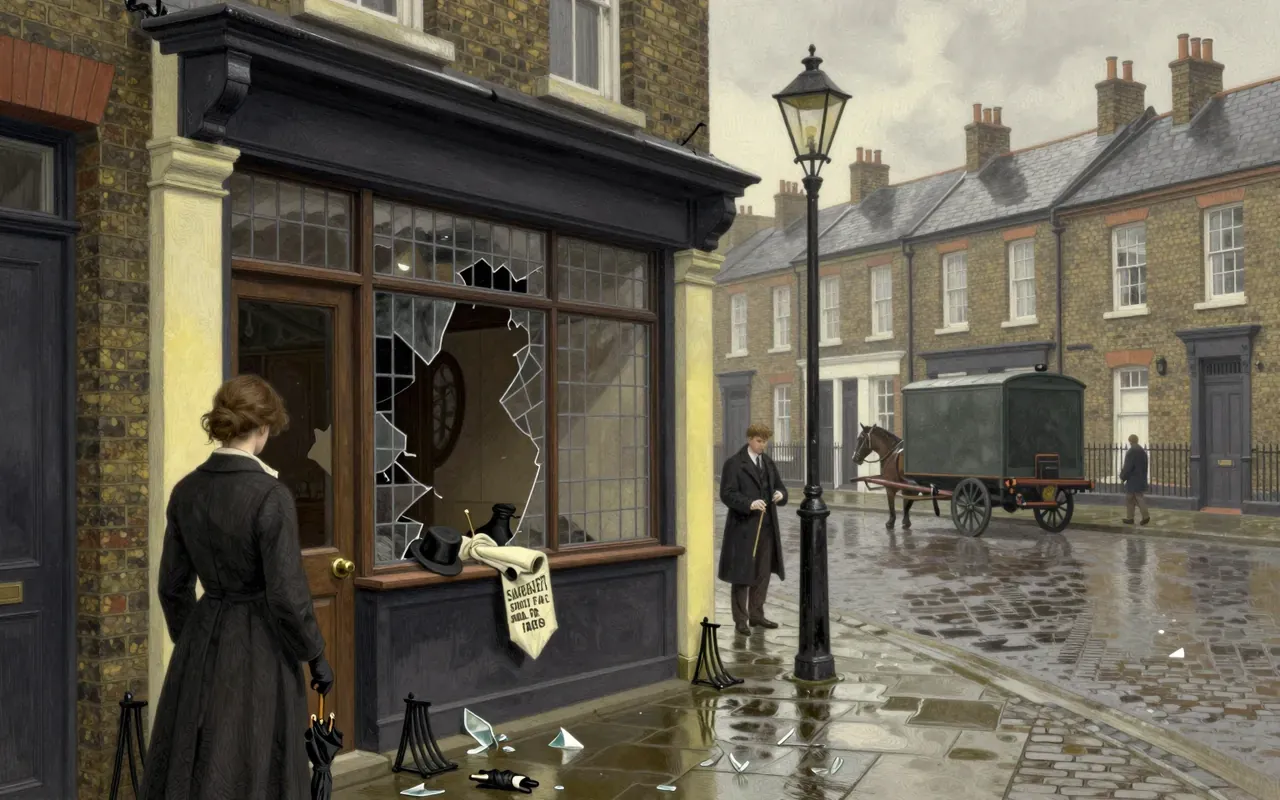
She didn’t win the vote by being reasonable — she won it by being useful after stopping the fight.
13:00

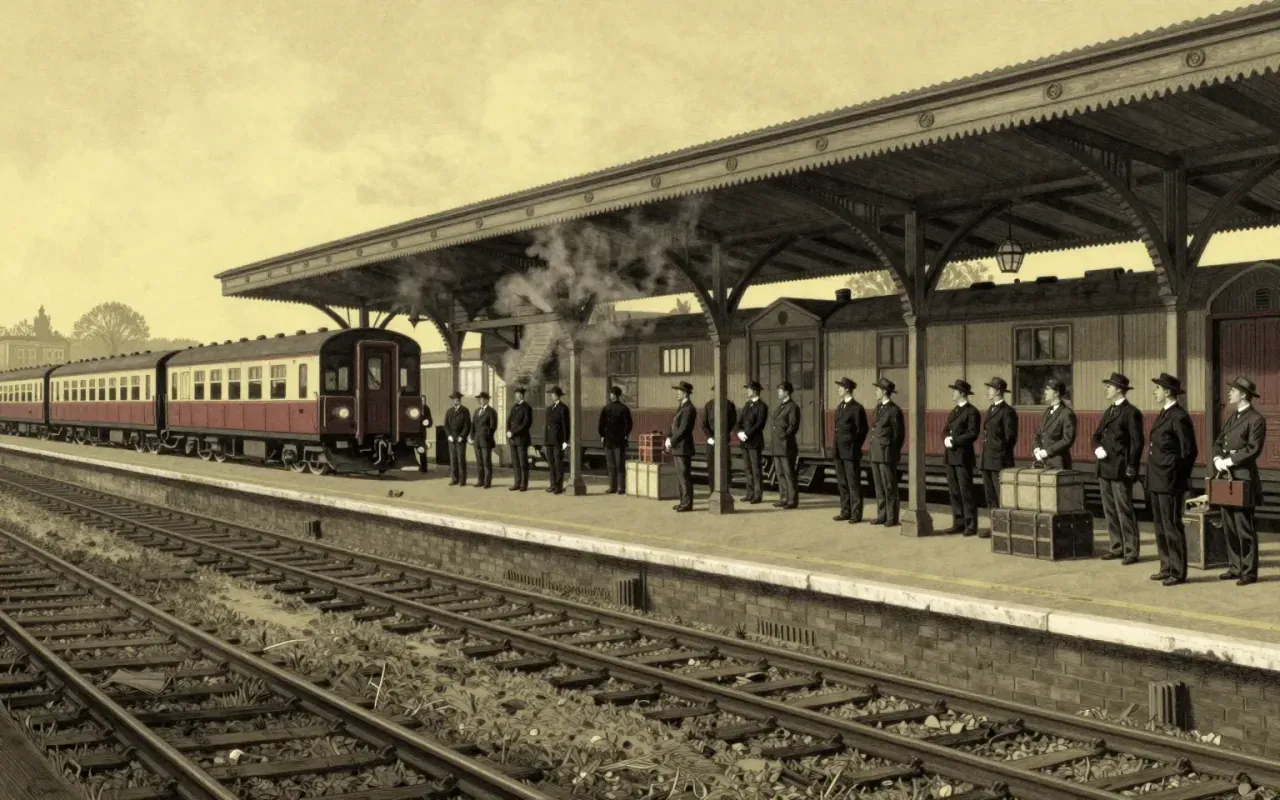
Armistice of 11 November 1918

11 November 1918

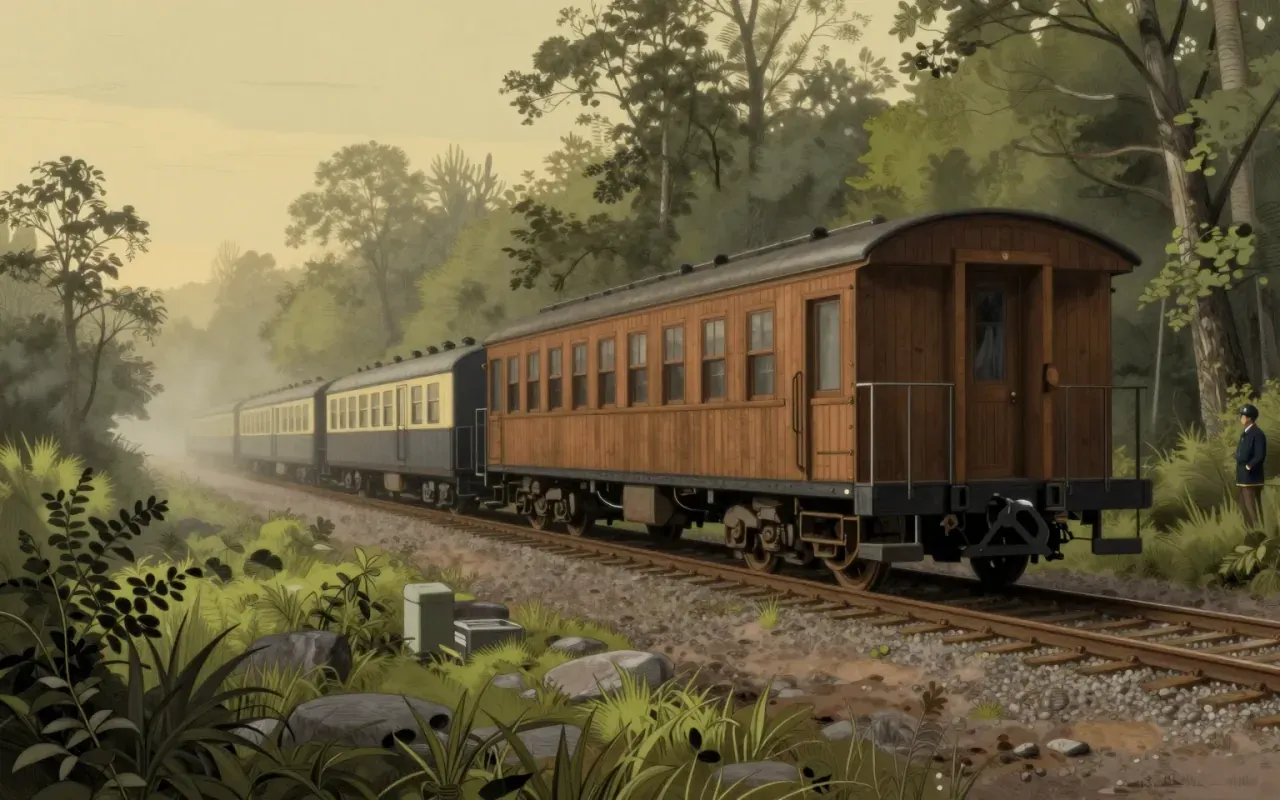
German negotiators, given seventy-two hours and almost no leverage, signed the armistice ending the First World War in a railway carriage near Compiègne at five in the morning on 11 November 1918, with the ceasefire set to take effect six hours later, at the eleventh hour of the eleventh day of the eleventh month. Fighting continued through that gap and killed nearly eleven thousand men on the war's final day, and the armistice itself was only a pause, not a formal peace, one German generals later exploited by claiming their army had never actually been defeated in the field.

13:00

Battle of the Somme

1 July – 17 November 1916

The Battle of the Somme ran from July to November 1916, opening with close to sixty thousand British casualties on its first day and ending, after more than a million combined losses on all sides, with neither the town of Bapaume nor Péronne captured. Douglas Haig commanded the offensive throughout, and his reputation has swung since between the nickname Butcher Haig and a more recent revisionist defence arguing the casualties reflected the era's tactical realities rather than a single commander's incompetence.

13:00

Battle of Verdun

21 February – 18 December 1916

German commander Erich von Falkenhayn planned the assault on Verdun in February 1916 explicitly to bleed French reserves through attrition rather than to win territory outright, opening ten months of fighting that killed or wounded over seven hundred thousand men on both sides. Philippe Pétain's defence, built on rotating units and a supply road that kept ammunition and reinforcements flowing, made him France's most celebrated general of the war, a reputation that makes his later collaboration with Nazi Germany one of the starkest reversals in twentieth-century political memory.

13:00

League of Nations

1919–1946

Founded on 10 January 1920 out of the Paris Peace Conference, the League of Nations was the first standing international body meant to keep peace between states, championed above all by Woodrow Wilson even as the United States Senate refused to ratify American membership. It grew to fifty-eight members at its peak, ran a genuine secretariat and court in Geneva, and did real work on labour and refugee issues, but it failed to stop Japan's seizure of Manchuria in 1931 or Italy's invasion of Abyssinia in 1935, and it sat largely inactive through the Second World War before formally dissolving in 1946 in favour of the United Nations.

13:00

Sinking of RMS Lusitania

7 May 1915

On 7 May 1915 a German submarine torpedoed the Cunard liner Lusitania off the Irish coast, killing roughly twelve hundred of the 1,960 people aboard in eighteen minutes. Three inquiries, in Cork, London and New York, examined what happened, but they disagreed among themselves and with each other about the death toll, the cause of a mysterious second explosion, and whether a liner carrying declared war cargo was a legitimate target. The sinking hardened American opinion against Germany, though the United States did not enter the war for almost two more years.

13:00

Treaty of Brest-Litovsk

3 March 1918

Russia's new Bolshevik government tried to exit the First World War through a negotiating strategy of prolonged delay rather than concession, until a renewed German offensive in February 1918 forced Lenin to accept terms costing Russia roughly a third of its former population and the great majority of its industry and coalfields. The treaty freed a million German soldiers for the Western Front but was annulled within eight months by Germany's own defeat, leaving its territorial losses to be fought over again in the civil war that followed.

13:00

Treaty of Versailles

1920

Negotiated by the Allied powers, chiefly the United States, France, Britain and Italy, at the Paris Peace Conference of 1919 and signed by Germany on 28 June 1919, the Treaty of Versailles required Germany to cede territory, disarm, accept sole responsibility for the war under its Article 231, and pay reparations, while establishing the League of Nations. Historians remain divided over whether the treaty was excessively punitive or insufficiently so, and the record explicitly connects German resentment of its terms to the rise of the Nazi Party and, eventually, the Second World War.

13:00

World War I

1914–1918

World War I ran from 28 July 1914 to 11 November 1918, triggered by the assassination of Archduke Franz Ferdinand and escalating through a web of alliances into a conflict that killed an estimated fifteen to twenty-two million people across the Western, Eastern and several peripheral fronts. It ended with the collapse of the German, Austro-Hungarian, Ottoman and Russian empires and a peace settlement, centred on the Treaty of Versailles, that many historians connect directly to the political conditions enabling the Second World War two decades later.