Two decades before the top job
Chamberlain entered Parliament in 1918 at forty-nine after a business career, and spent the following two decades moving through senior cabinet posts, including Minister of Health and, from 1931 to 1937, Chancellor of the Exchequer, where he managed Britain’s recovery from the Depression and cut war debt interest rates while introducing social welfare measures. He became prime minister in May 1937 at sixty-eight, succeeding Stanley Baldwin, and inherited a foreign policy environment increasingly dominated by the question of how to respond to a rearming, expansionist Nazi Germany, a question his own instincts led him to answer through direct personal negotiation rather than confrontation.
A single pamphlet’s lasting damage
Much of what fixed Chamberlain’s reputation in British memory came not from any official post-war inquiry but from a single polemical pamphlet, Guilty Men, published in July 1940 by a group of journalists writing under a pseudonym, which held him personally responsible for both the Munich settlement and Britain’s military unpreparedness for the war that followed. Winston Churchill’s own later war memoirs reinforced that harsh assessment, meaning the dominant historical account of Chamberlain for decades afterward was shaped substantially by political opponents and by his own successor rather than by neutral archival research, a pattern historians have only more recently begun to correct.
Concession by concession
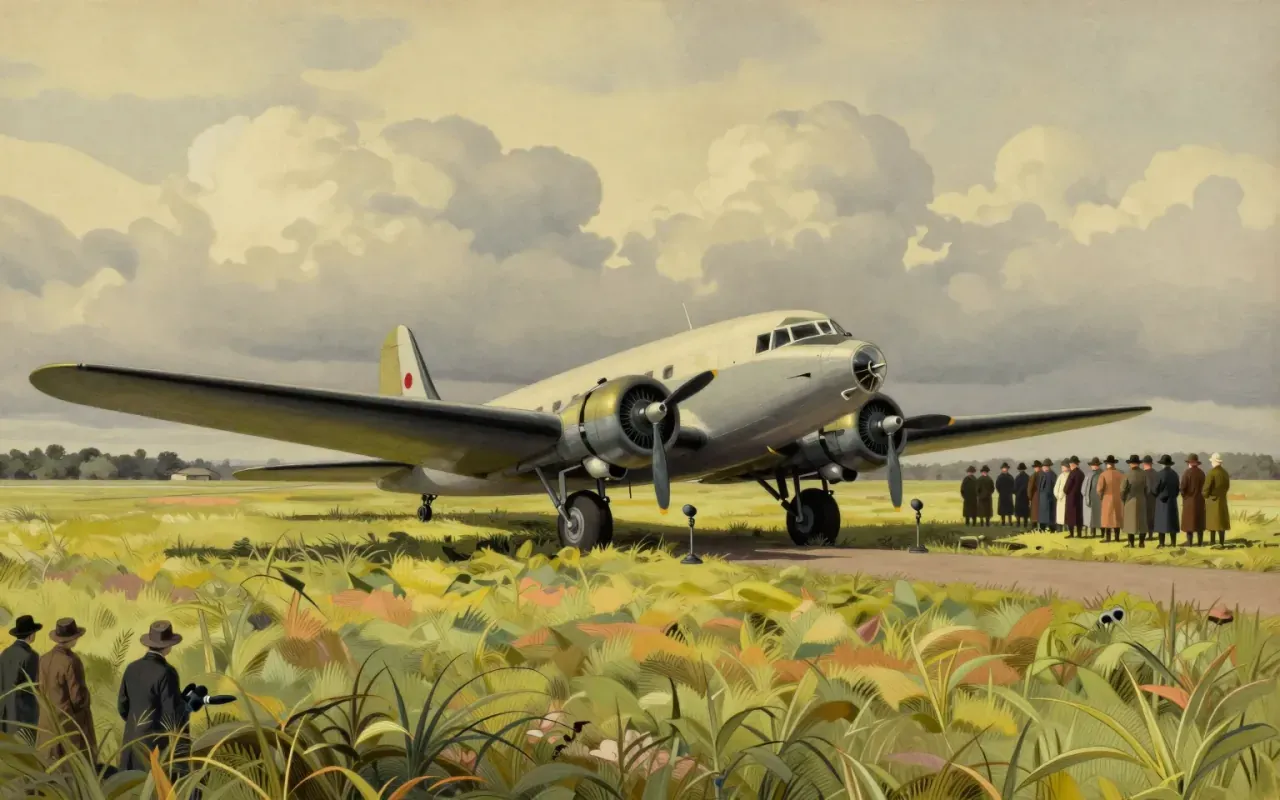
Chamberlain’s diplomacy with Hitler unfolded across three meetings that each ended with Germany’s demands larger than before: at Berchtesgaden in September 1938 Hitler sought the Sudetenland alone and gave assurances of no further territorial ambition, at Bad Godesberg days later he escalated to demand immediate occupation plus concessions to Poland and Hungary, and at the Munich conference itself, alongside France’s Daladier and Italy’s Mussolini, Chamberlain ultimately accepted terms ceding the Sudetenland outright, terms negotiated and agreed without any Czechoslovak representative taking part in the actual talks. Chamberlain flew to Germany in person for these meetings, an approach he called Plan Z, treating direct personal diplomacy as more reliable than working through ambassadors or formal channels alone.
How unready was Britain, really
Chamberlain returned from Munich to genuine, well-documented public enthusiasm, and his declaration of peace for our time reflected real relief rather than isolated naivety, a reception later historians have used to argue that his decision looked far more reasonable to contemporaries than hindsight later allowed. Declassified military assessments from the period, cited by more recent historians in Chamberlain’s partial defence, suggest Britain’s own armed forces were genuinely unprepared for a major war in 1938, giving some support to the argument that the delay bought through appeasement served a real strategic purpose, even though this reassessment has not meaningfully improved his standing in most rankings of British prime ministers.
Eight months of waiting
After Hitler’s invasion of Poland in September 1939, Chamberlain declared war on Germany within two days, but the eight months of largely inactive fighting that followed, known as the Phoney War, exposed the limits of his leadership once actual conflict, rather than negotiation, was required. A failed British campaign in Norway in early 1940 triggered a parliamentary debate that May in which Chamberlain’s government retained only a narrow technical majority, and when the Labour and Liberal parties made clear they would not serve in a coalition under his continued leadership, he resigned on 10 May 1940.
A resignation forced by his own party
Churchill succeeded him that same day, and Chamberlain remained in the new government as Lord President of the Council until failing health forced his final resignation that September; he died of cancer in November 1940, only months after leaving office entirely. His career is worth studying less for any single verdict on Munich itself than for how completely a wartime pamphlet and a successor’s memoirs shaped his subsequent reputation, a case study in how quickly a leader’s contemporary standing can be overwritten by the political needs of the moment that follows him.