historybriefs
Oldest

All briefs

482 briefs · 5812 min · 97–192 on page 2 of 6
13:00

Sigmund Freud

1856–1939

From The Interpretation of Dreams in 1899 through decades of case studies and theoretical works, Sigmund Freud built psychoanalysis into an international movement centred on the unconscious, infantile sexuality and the talking cure. His methodology, including the abandoned seduction theory and the botched treatment of patient Emma Eckstein, has drawn sustained criticism, and his scientific status remains genuinely contested nearly a century after his death in 1939.

13:00

Simón Bolívar

1783–1830

Simon Bolivar led independence campaigns across what is now Venezuela, Colombia, Ecuador, Peru and Bolivia between the 1810s and 1825, entering Caracas in 1813 to the title El Libertador and later serving as president of the short-lived Gran Colombia, dictator of Peru and first president of Bolivia. He also issued and later annulled a Decree of War to the Death, ordering the execution of Spaniards who did not actively support his forces, and he died of tuberculosis in 1830 at forty-seven, disillusioned and stripped of the offices he had once held, a decline the surviving record acknowledges without fully accounting for.
13:00

Socrates

470–399 BC

Socrates spent much of his adult life questioning prominent Athenians in public rather than pursuing wealth or office, a habit that made him enemies in a small city where reputational damage carried real consequences. Tried and executed in 399 BC on charges of impiety and corrupting the young, he left no writing of his own, so everything known about him comes through Plato, Xenophon and Aristophanes, sources that genuinely contradict each other in what scholars call the Socratic problem. Historians remain divided on whether his famous claim to know nothing was sincere humility or rhetorical strategy, whether he was religiously sincere, and whether his trial reflected genuine belief or a political pretext.

13:00

Suleiman the Magnificent

1494–1566

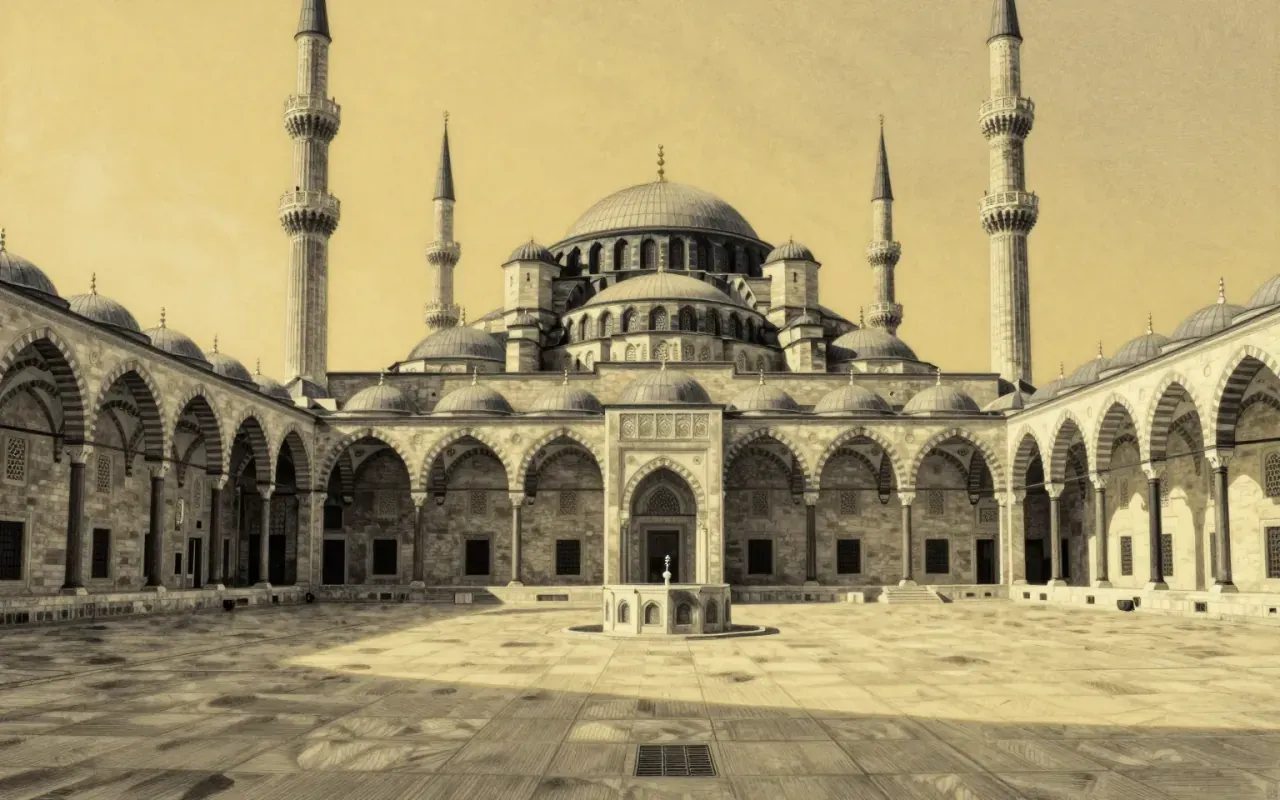
Suleiman I ruled the Ottoman Empire from 1520 to 1566, its longest reign, extending Ottoman territory through campaigns that captured Belgrade, Rhodes and much of Hungary while twice failing to take Vienna, and commissioning architect Mimar Sinan to build hundreds of structures including the Suleymaniye mosque complex. He compiled a unified legal code drawing on nine previous sultans' judgments, earning the Ottoman title Kanuni, or Lawgiver, even as his court saw his wife Hurrem Sultan rise to unprecedented influence and his eldest surviving son, Mustafa, executed on his own order in 1553 amid succession politics.

13:00

Sun Yat-sen

1866–1925

Educated abroad and converted to a republican vision far removed from Qing officialdom, Sun Yat-sen spent most of two decades in exile organising failed uprisings and stitching together revolutionary factions before the 1911 Wuchang mutiny succeeded without his direct involvement. He returned to a brief provisional presidency, then years of political struggle to rebuild influence in southern China. His ideology outlived his limited direct power, and both the Nationalist and Communist governments that later divided China still honour him as their founding figure.

13:00

1906 San Francisco earthquake

18 April 1906

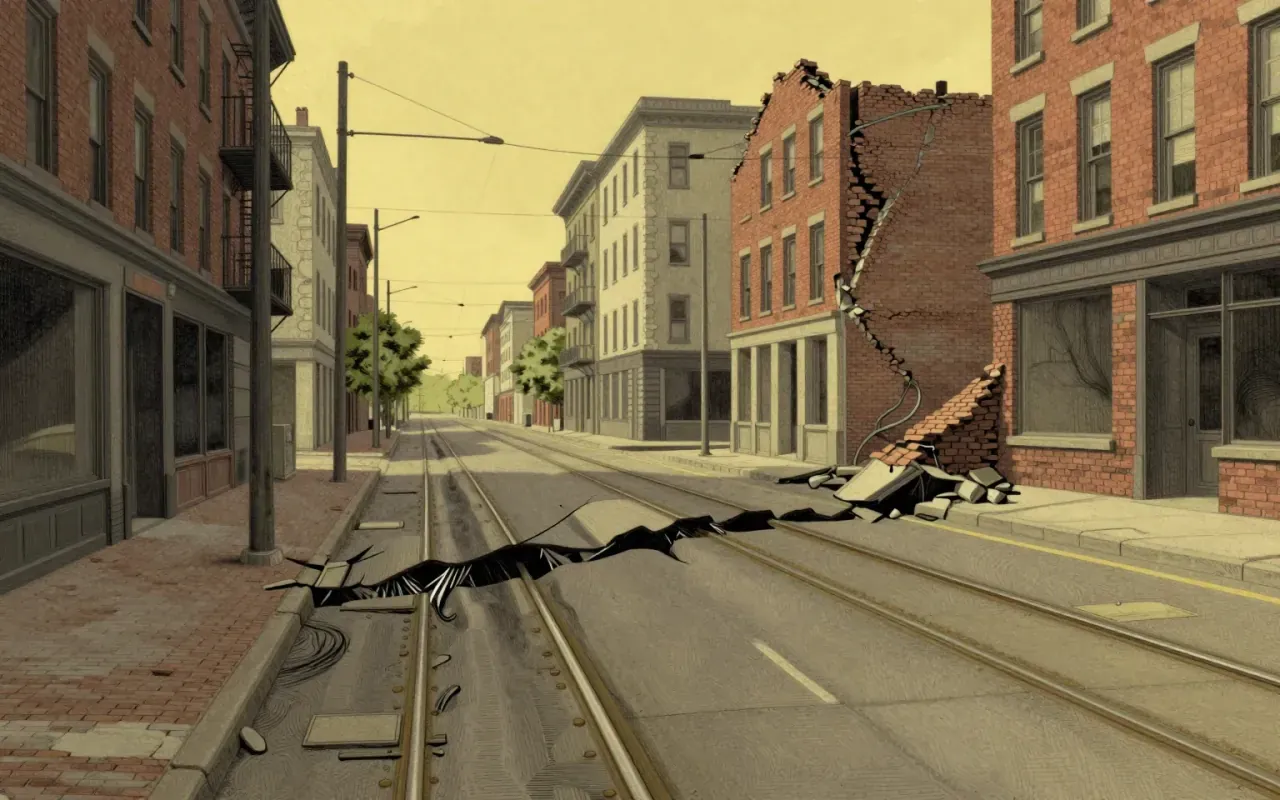
The earthquake that struck San Francisco at 5:12 on the morning of 18 April 1906 registered somewhere between magnitude 7.7 and 8.3 and ruptured close to three hundred miles of the San Andreas Fault, but most of the city's destruction came not from the shaking itself, which is estimated to account for as little as five to twenty percent of the damage, but from the fires that followed and destroyed some twenty-five thousand buildings. Early death tolls of a few hundred left out most of the dead in Chinatown, and San Francisco's Board of Supervisors did not formally acknowledge a toll above three thousand until 2005. The disaster also drove the geologist Andrew Lawson's foundational research connecting the earthquake directly to the fault he had already identified in 1895.

13:00

1989 Loma Prieta earthquake

17 October 1989

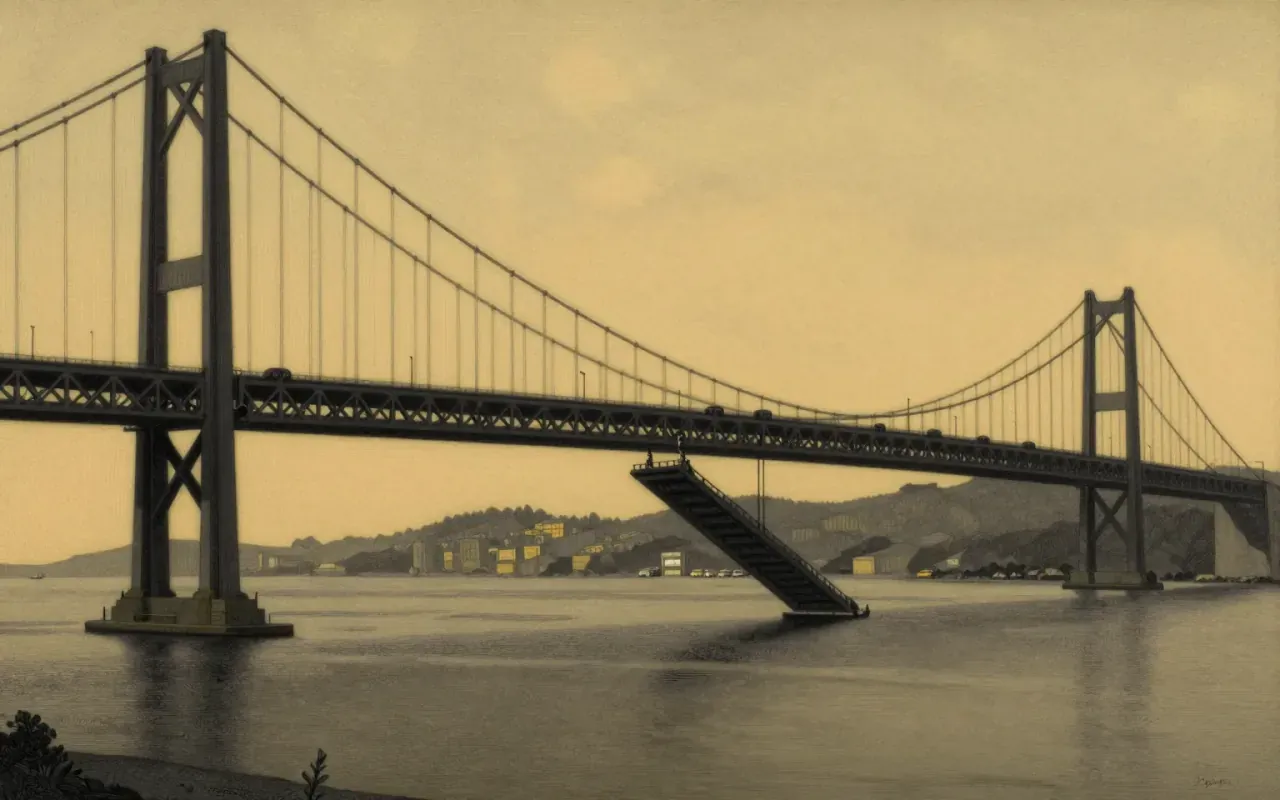
The Loma Prieta earthquake struck the San Francisco Bay Area at 5:04 p.m. on 17 October 1989 with a magnitude of 6.9, killing 63 people, injuring more than 3,700 and causing an estimated 5.6 to 6 billion dollars in damage, its worst single toll coming when a section of the double-deck Cypress Street Viaduct in Oakland collapsed and killed 42 people. The quake struck just before Game 3 of the World Series was due to begin at Candlestick Park, interrupting a live national broadcast and, because many commuters had left work early or stayed to watch the game, leaving area freeways unusually empty at an hour that would otherwise have carried tens of thousands more vehicles into danger.

13:00

2004 Indian Ocean earthquake and tsunami

26 December 2004

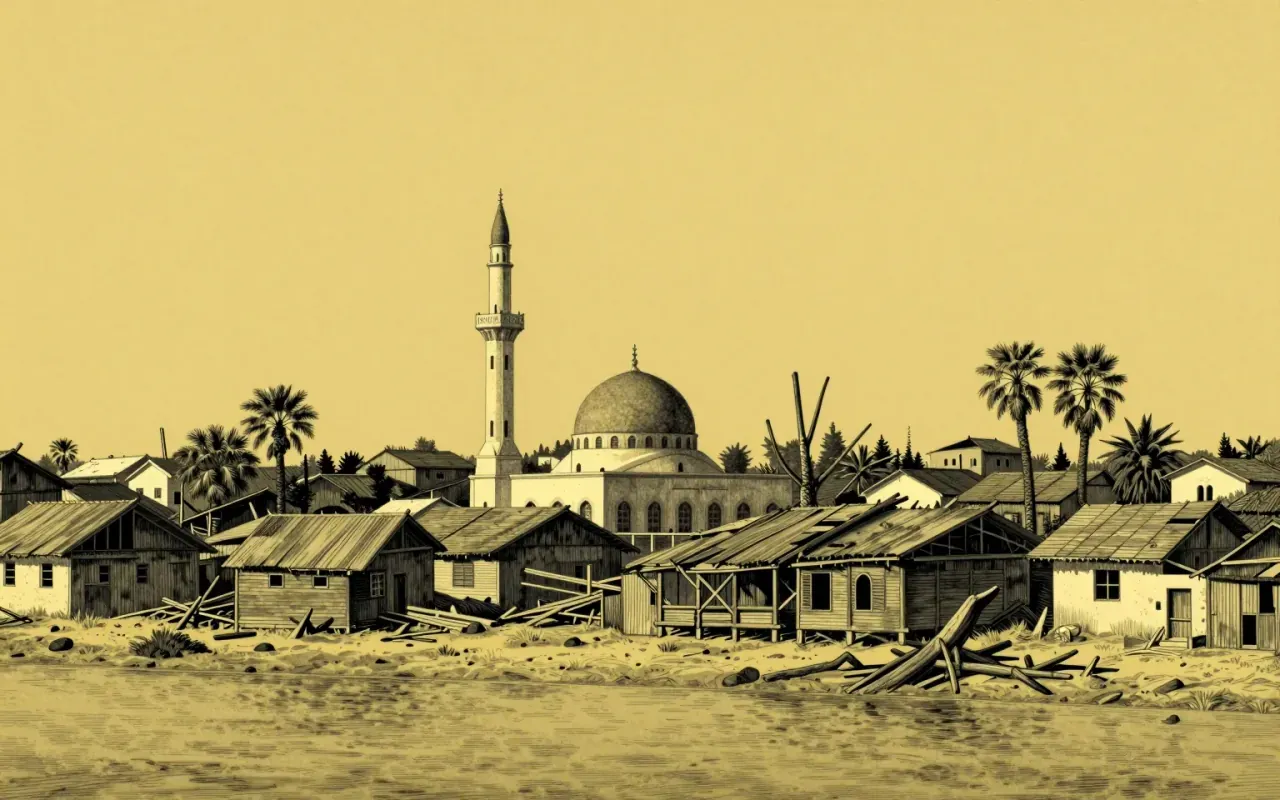
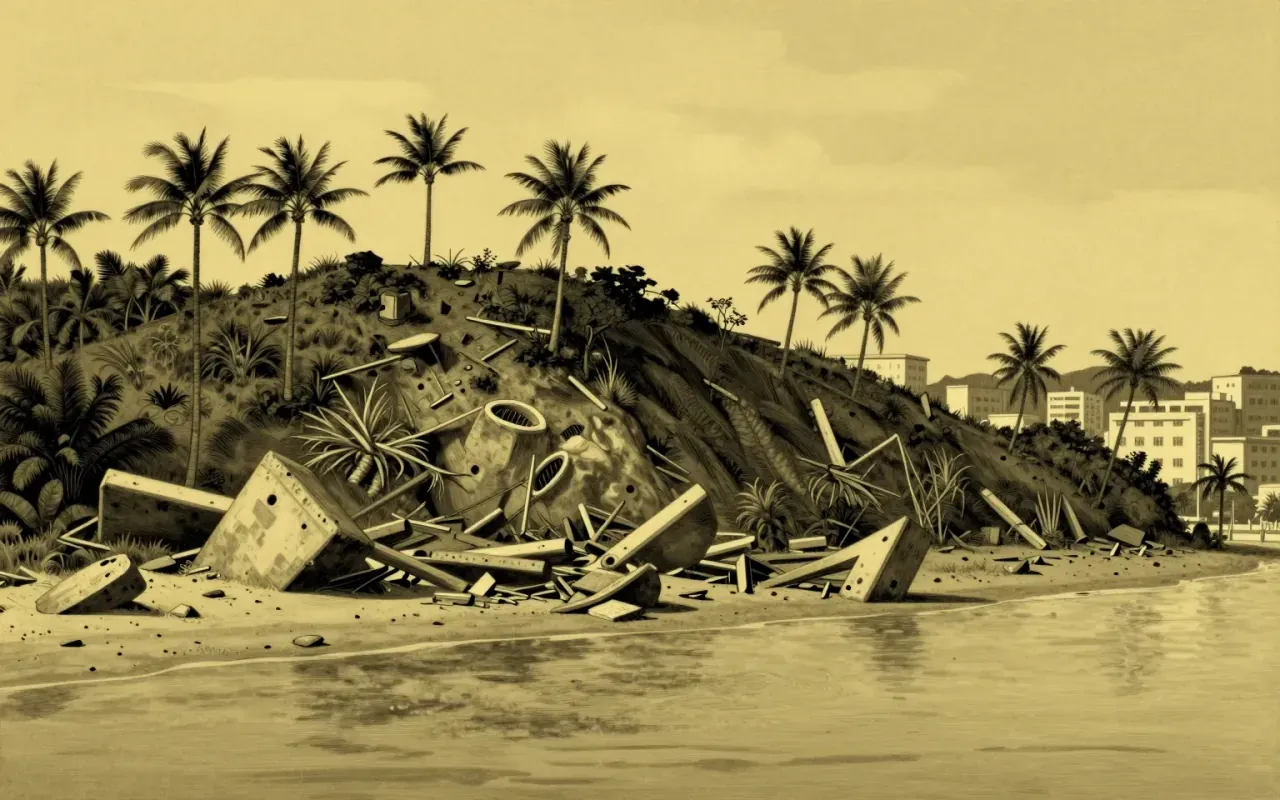
The magnitude 9.2 to 9.3 earthquake off Sumatra on 26 December 2004 ruptured roughly 1,600 kilometres of fault and sent tsunami waves as high as fifty-one metres near Banda Aceh across fourteen countries, killing an estimated 227,898 people in the deadliest tsunami on record. No tsunami warning system existed in the Indian Ocean at the time, since major tsunamis there had been rare since Krakatoa in 1883, so most victims had no warning despite gaps of fifteen minutes to seven hours between the quake and the waves reaching different shores. The response eventually raised over ten billion dollars, though aid officials at the time criticised both slow-moving pledges from wealthy governments and, separately, misdirected donations that left affected countries with unneeded supplies rather than what they actually required.

13:00

2010 Haiti earthquake

12 January 2010

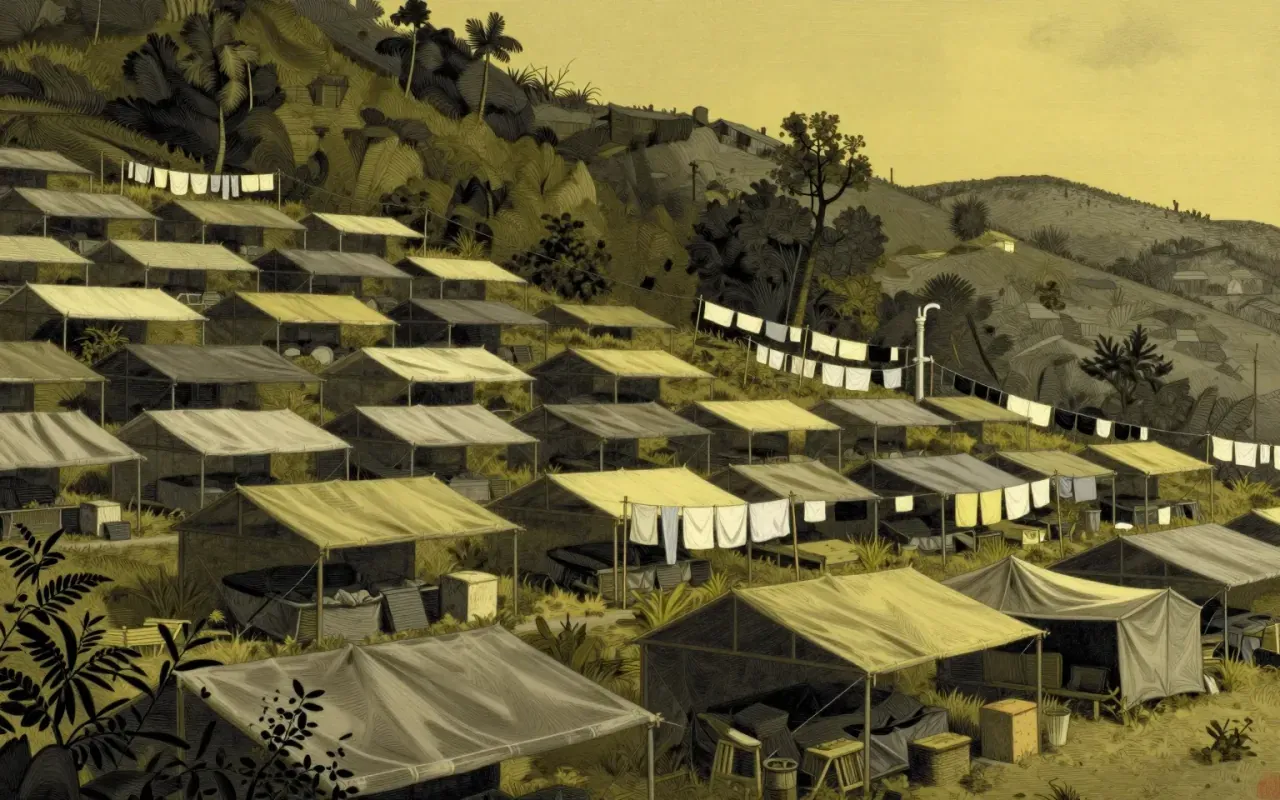
The magnitude 7.0 earthquake that struck near Port-au-Prince on 12 January 2010 lasted under thirty seconds but killed somewhere between roughly 46,000 and 316,000 people, with estimates varying so widely between the Haitian government, USAID, and independent researchers that no single figure commands full agreement. Haiti's near-total absence of building codes, its position as the poorest country in the Western Hemisphere, and a long history of debt and foreign intervention left its buildings unable to withstand the shaking. The international response eventually raised roughly 3.5 billion dollars, yet five years on, more than half a million survivors were still living in temporary shelters without electricity, plumbing, or sewage.

13:00

2011 Tōhoku earthquake and tsunami

11 March 2011

The magnitude 9.0 to 9.1 earthquake that struck off Japan's Oshika Peninsula on 11 March 2011 was the most powerful ever recorded in the country, generating tsunami waves as high as 40.5 metres that reached ten kilometres inland and killed close to twenty thousand people. Total damage exceeded three hundred billion dollars, making it the costliest natural disaster in recorded history even before accounting for the Fukushima Daiichi nuclear accident the tsunami triggered. The earthquake shifted Honshu by 2.4 metres, generated more than thirteen thousand aftershocks, and measurably altered the length of Earth's day, prompting a fundamental rethinking of Japan's disaster prevention policy afterward.

13:00

Typhoon Haiyan

3 November – 11 November 2013

Typhoon Haiyan reached one-minute sustained winds of 315 kilometres an hour before striking the Philippines on 7 November 2013, at the time the strongest tropical cyclone ever recorded by wind speed, and it went on to make six separate landfalls across the Visayas. Its storm surge, reaching 5.2 metres at Tacloban's airport, proved deadlier than the wind itself, destroying an estimated ninety percent of the city and even flooding the evacuation centre meant to shelter residents from the storm. The disaster killed at least 6,300 people, displaced over six million, and caused roughly 2.2 billion dollars in damage, making it the costliest typhoon in Philippine history, while triggering a large international relief effort complicated by damaged infrastructure and, controversially, an initially very small pledge of aid from China.

13:00

April 2015 Nepal earthquake

2015

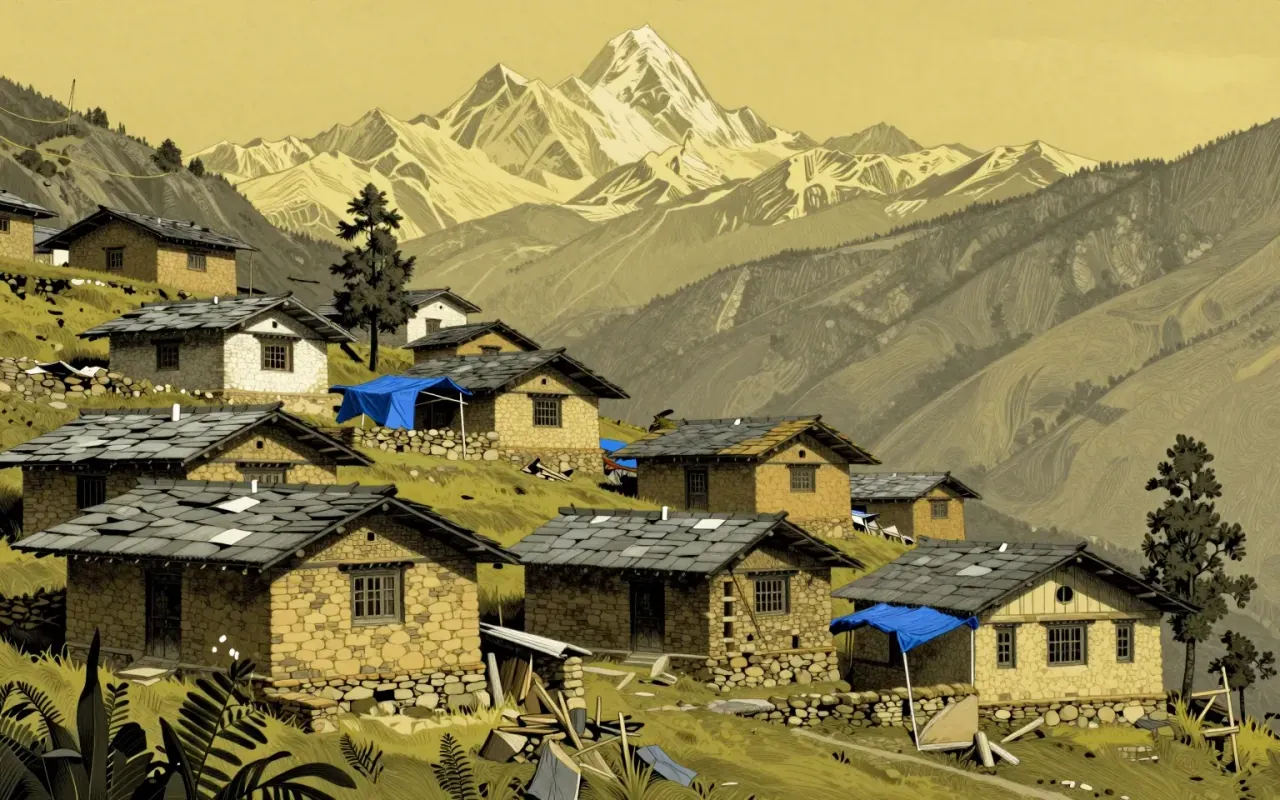
The magnitude 7.8 to 7.9 earthquake that struck central Nepal on 25 April 2015 killed 8,962 people across four countries, most of them in Nepal, and left about 3.5 million people homeless. It toppled the nineteenth-century Dharahara tower and damaged or destroyed more than thirty monuments across the Kathmandu Valley's historic squares, triggered an avalanche on Mount Everest that killed at least nineteen climbers, the deadliest single incident on the mountain's record, and buried the village of Langtang under a slide two to three kilometres wide. Geophysicists had warned for years that the Central Himalayan Gap, unruptured since 1505, held enough accumulated energy for a major quake, and the roughly ten billion dollars in damage this one caused amounted to about half of Nepal's annual economic output.

13:00

September 11 attacks

11 September 2001

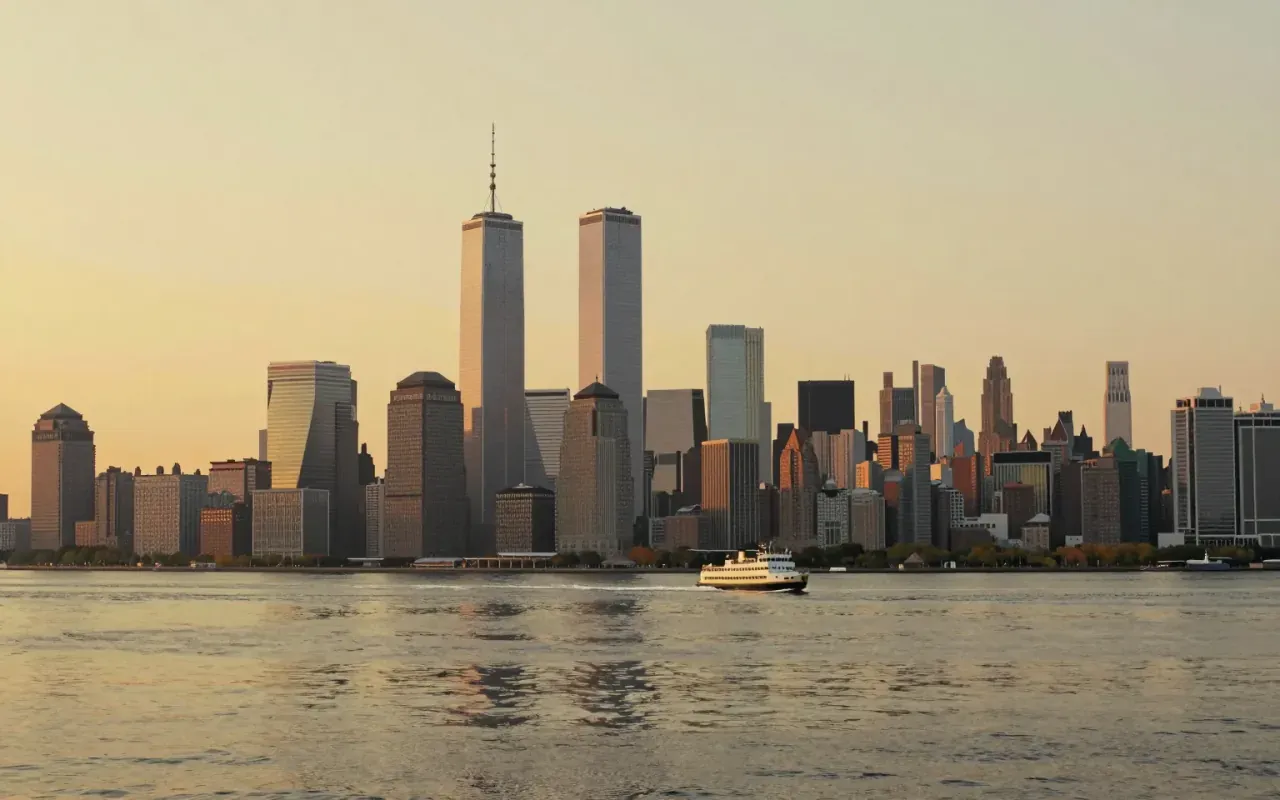
On 11 September 2001, al-Qaeda operatives hijacked four airliners and crashed three of them into the World Trade Center and the Pentagon, with the fourth brought down by passengers over Pennsylvania, killing 2,977 people. The 9/11 Commission's 2004 report established the plot's planning in detail, while the wars in Afghanistan and Iraq that followed are estimated by the Costs of War Project to have contributed to over 4.5 million deaths in the decades since.

13:00

Acts of Union 1707

30 April 1707

The Acts of Union 1707 followed a decade of Scottish economic disaster, most sharply the collapse of the Darien scheme, a failed colonial venture in Panama that lost the country's investors well over £150,000. Negotiators from both parliaments, thirty-one apiece, met in London through the spring and summer of 1706 and produced a twenty-five-article treaty offering Scotland a cash payment known as the Equivalent, parliamentary representation, and guaranteed protection for its church and legal system. The Scottish Parliament ratified the treaty in January 1707 by a vote of 110 to 67, with 123 of its 300 members absent, amid public opposition strong enough to produce riots in several Scottish cities and allegations, still debated, that some votes had been bought.

13:00

Soviet–Afghan War

1979–1989

Soviet forces assassinated Afghan leader Hafizullah Amin and installed a replacement government in December 1979, opening a nine-year war against mujahideen fighters backed by the United States, Pakistan and Saudi Arabia that killed between one and three million Afghan civilians by scholarly consensus. Soviet forces withdrew in February 1989 having failed to secure the country, a defeat historians widely cite as a significant contributing factor to the Soviet Union's own collapse two years later, and the war's foreign fighter networks fed directly into al-Qaeda's later formation.

13:00

Age of Discovery

1500–1800

Running roughly from Portugal's systematic exploration of the African coast in the early fifteenth century to the mid-seventeenth century, the Age of Discovery saw Portuguese, Spanish and later other European voyages reach India, the Americas and the Pacific, driven by the search for direct access to Asian trade goods, religious mission and improved navigational technology. The resulting contact produced the Columbian Exchange of goods, people and disease, alongside colonisation, enslavement and catastrophic population loss among indigenous peoples, and historians increasingly question whether discovery is an honest term for a process better described from more than one side.

13:00

American Civil War

1861–1865

The American Civil War, fought from 1861 to 1865 after eleven Southern states seceded following Abraham Lincoln's election, killed an estimated 616,000 to over a million people through combat, disease and civilian and enslaved deaths whose exact toll remains genuinely uncertain, and ended with Confederate surrender, the abolition of slavery, and a Union preserved under expanded federal authority. Modern historians overwhelmingly identify slavery as the war's central cause, a conclusion the seceding states' own secession documents support directly, in explicit contrast to the later Lost Cause narrative that denied it.

13:00

United States Declaration of Independence

4 July 1776

Congress voted for independence on 2 July 1776 and approved Jefferson's wording two days later, but the parchment copy most people picture, with fifty-six signatures, was not signed by most delegates until 2 August and later still. The gap between the vote, the text, and the signing says something about how founding documents get simplified in memory.

13:00

American Revolution

1775–1783

Sparked by British attempts after 1763 to tighten control and taxation over colonies that had grown accustomed to a policy of salutary neglect, the American Revolution moved from organised political resistance, the Stamp Act Congress of 1765 and the Boston Tea Party of 1773 among its landmarks, into open war after the Battles of Lexington and Concord in April 1775, and culminated in the Declaration of Independence in July 1776 and, after French intervention, British recognition of American sovereignty in the 1783 Treaty of Paris. Historians continue to debate how far ideology, economic interest, or the simple desire to preserve existing self-governance actually drove the revolution.

13:00

Angolan Civil War

1975–2002

Angola's independence in November 1975 immediately fractured into civil war among the MPLA, UNITA and FNLA, drawing Cuban troops, Soviet advisers, South African forces and covert American funding into a conflict that ran, with interruptions, until Jonas Savimbi's death in 2002. Estimated deaths range from 500,000 to 800,000, with Cuba's intervention, launched independently before Soviet involvement deepened, remaining one of the clearer instances of a Cold War client acting ahead of rather than at the direction of its superpower patron.

13:00

Anschluss

13 March 1938

Adolf Hitler annexed Austria in March 1938 after coercing Chancellor Kurt Schuschnigg's resignation and sending German troops in under the pretext of a forged invitation, ending Austrian independence and folding it into the Reich as Ostmark. A plebiscite the following month reported 99.7 percent approval, but arrests, disenfranchisement of political opponents and Jews, and intense propaganda surrounding the vote have left historians divided over how genuine that figure actually was.

13:00

Apache Wars

1849–1924

Beginning after the 1848 US annexation of former Mexican territory, conflict between Apache bands and American forces ran through loosely connected phases for decades, hardened by episodes of betrayal such as the killing of Mangas Coloradas after he came in to negotiate. The final campaign against Geronimo's small band required over five thousand soldiers using coordinated heliograph communication before his 1886 surrender, though scattered incidents continued into the 1920s. The general narrative rests heavily on later military-history synthesis, and while it flags relatively few open disputes, real ambiguities remain around specific acts of betrayal and an Apache treaty Congress never actually ratified.

13:00

Armistice of 11 November 1918

11 November 1918

German negotiators, given seventy-two hours and almost no leverage, signed the armistice ending the First World War in a railway carriage near Compiègne at five in the morning on 11 November 1918, with the ceasefire set to take effect six hours later, at the eleventh hour of the eleventh day of the eleventh month. Fighting continued through that gap and killed nearly eleven thousand men on the war's final day, and the armistice itself was only a pause, not a formal peace, one German generals later exploited by claiming their army had never actually been defeated in the field.

13:00

Edicts of Ashoka

3rd century BC

Across more than thirty rock faces and pillars from Afghanistan to Bangladesh, the Mauryan emperor Ashoka had proclamations on ethical governance carved in the third century BC. Lost to readers once Brahmi script fell out of use, the edicts were only deciphered in the 1830s, and their authorship was confirmed as Ashoka's only in 1915, when an inscription at Maski paired his personal name with the title used elsewhere. They remain the earliest datable written texts from the Indian subcontinent.

13:00

Assassination of John F. Kennedy

22 November 1963

President Kennedy was shot in Dallas on 22 November 1963 and died within the half hour, and his accused killer, Lee Harvey Oswald, was himself shot dead two days later before facing trial. The Warren Commission concluded within ten months that Oswald acted alone, a finding scholarly consensus still broadly supports, but a later congressional investigation found a probable conspiracy without identifying who was involved, and public opinion has never fully aligned with either official inquiry's conclusions.

13:00

Assassination of Martin Luther King Jr.

4 April 1968

Martin Luther King Jr. was shot at the Lorraine Motel in Memphis on 4 April 1968 and died within the hour. James Earl Ray was captured two months later, pleaded guilty, and then recanted within days, spending decades unsuccessfully trying to withdraw his plea. A 1999 civil trial found a Memphis businessman and unnamed others liable for a conspiracy in King's death, a verdict that carried no legal effect on Ray's conviction and left the case formally split between two contradictory findings.

13:00

Tokyo subway sarin attack

20 March 1995

On the morning of 20 March 1995, five members of the Aum Shinrikyo cult released sarin nerve agent on three Tokyo subway lines during rush hour, killing fourteen people and injuring roughly a thousand more, an attack that followed the cult's own earlier, less-publicised sarin attack in Matsumoto in June 1994 that killed eight. Police had already found chemical residue consistent with sarin production near the group's compound the previous October but had no legal basis to act on it, and cult leader Shoko Asahara learned of a planned raid from Self-Defense Force sympathisers in time to accelerate the subway attack, a sequence of missed warnings that later became as central to the event's history as the attack itself.

13:00

Bushfires in Australia

Since 1851

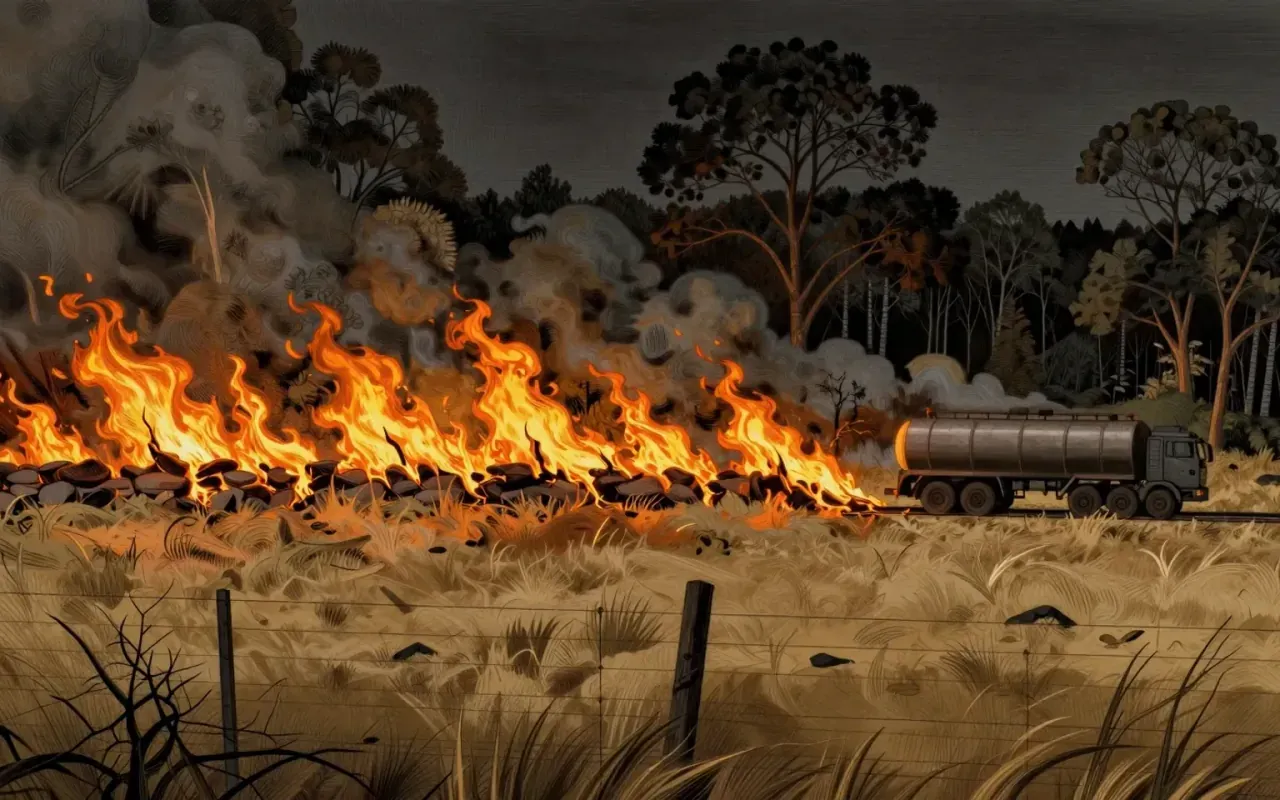
Bushfires have killed roughly eight hundred people in Australia since 1851, through a recurring sequence of major disasters including Black Friday in 1939, Ash Wednesday in 1983, and Black Saturday in 2009, the country's deadliest single fire event with 173 deaths. The Black Summer season of 2019 to 2020 surpassed them all in scale, burning around twenty-four million hectares, killing thirty-three people directly and contributing to a further 417 deaths through smoke inhalation, and causing an estimated 100 billion dollars in damage, making it the costliest natural disaster in Australian history. Roughly forty percent of fires in the country's southeast between 1997 and 2009 were deliberately lit, but Black Summer's scale is tied by the sources to record heat, prolonged drought, and a debate over climate change and fire management that remains unresolved in Australian politics.

13:00

Floods in Australia

Since 1852

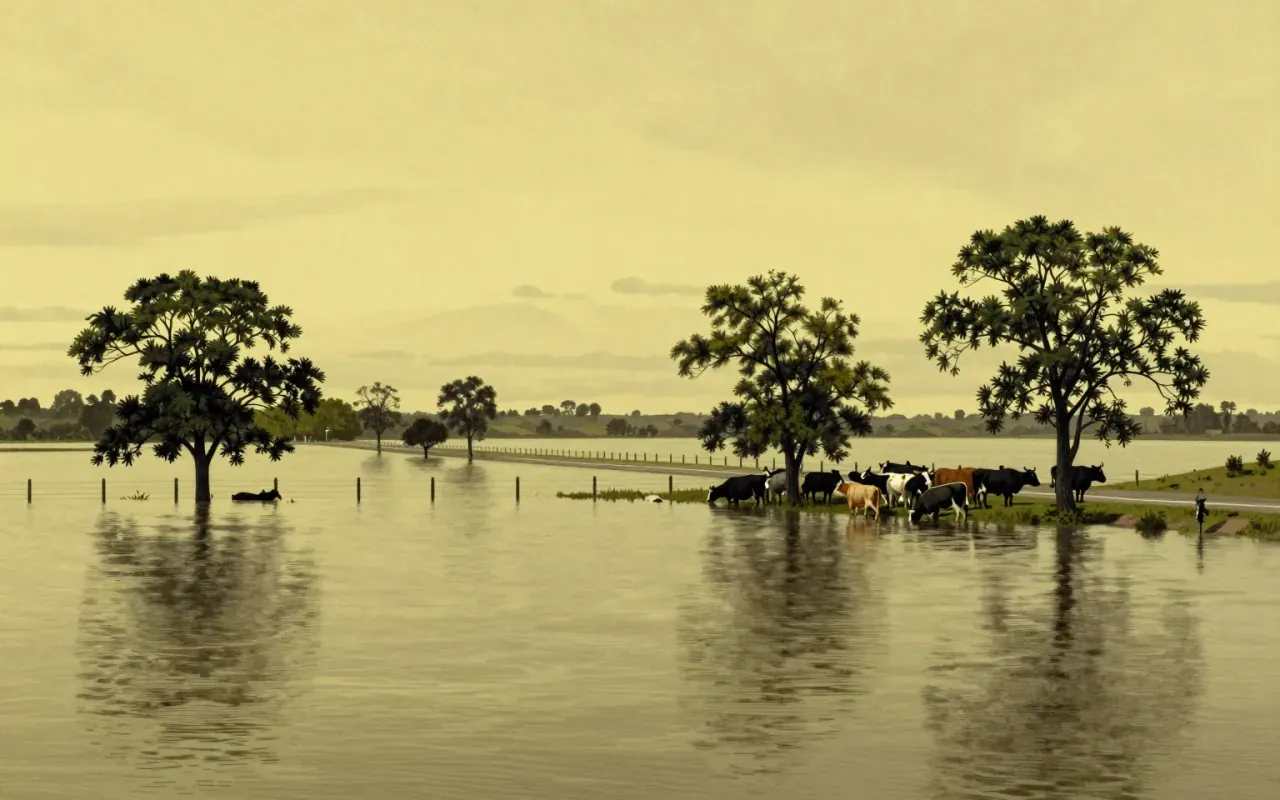
Australia's deadliest recorded flood remains the 1852 Gundagai disaster, which killed 89 people, but the country has continued to suffer serious flooding through the twentieth and twenty-first centuries, including a 1934 Yarra River flood that killed 35 people in Victoria. The 2010 to 2011 Queensland floods, driven by a strong La Niña and Tropical Cyclone Tasha, affected more than 200,000 people and killed 33, including nine in a sudden flash flood at Grantham that Premier Anna Bligh described as an inland tsunami. Total economic costs reached an estimated 14.1 billion Australian dollars, and a subsequent legal battle over whether mismanagement of the Wivenhoe Dam worsened Brisbane's flooding ran until the High Court declined a final appeal in 2022.

13:00

Aztec Empire

1367

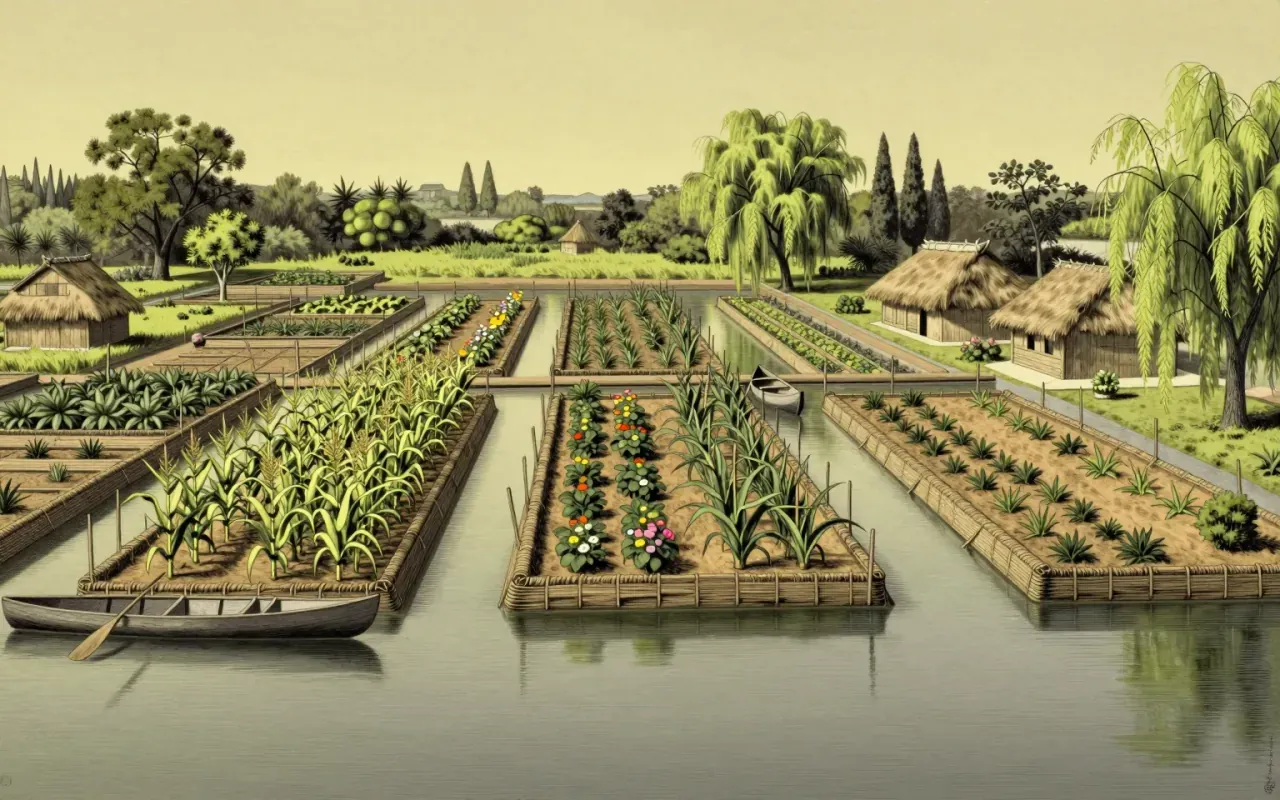
Three Nahua city-states, Tenochtitlan, Texcoco and Tlacopan, formed the Triple Alliance around 1428 after a civil war, building an empire that dominated central Mexico by the early sixteenth century before Hernán Cortés and his indigenous allies destroyed it between 1519 and 1521. Much of the empire's own documentary record may have been deliberately destroyed by one of its own administrators, leaving historians dependent on a mix of surviving pictographic codices, Spanish conquistador accounts, and archaeology to reconstruct its history.

13:00

Bank of England

Founded 1694

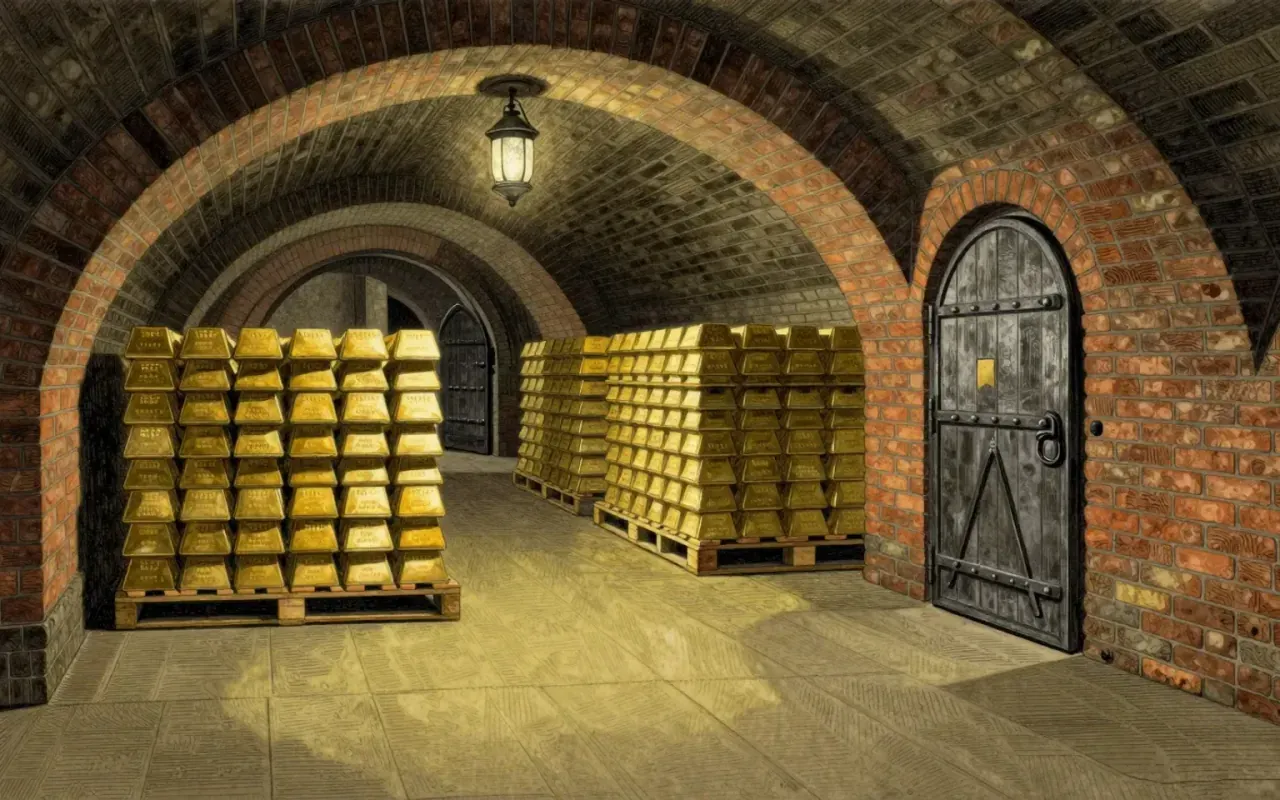
Founded in 1694 to raise money for naval rebuilding after defeat at the Battle of Beachy Head, the Bank of England began as a private institution lending to the Crown at interest, secured by shipping duties. It stayed in private hands for more than two and a half centuries until the postwar Attlee government nationalised it in 1946, and it did not gain formal independence to set its own interest rates until the late 1990s. Along the way it weathered the end of the gold standard, sterling devaluations, decimalisation, and the 2008 financial crisis, which prompted new regulatory bodies under its umbrella.

13:00

Battle of Adwa

1 March 1896

On 1 March 1896, an overextended and poorly coordinated Italian army was decisively defeated by Emperor Menelik's larger, better-armed Ethiopian force near Adwa, one of the heaviest reverses a European colonial power suffered in Africa. The battle is documented from both sides in unusual depth, yet historians still dispute troop numbers, casualty figures, the cause of Italy's fatal column split, and whether Menelik's decision not to pursue the retreat reflected wisdom or hesitation. Italy's government collapsed within days, and the resulting treaty secured Ethiopian sovereignty for four decades, making Adwa a lasting reference point for anti-colonial resistance across Africa.

13:00

Battle of Bạch Đằng (938)

938

In 938, the Vietnamese general Ngo Quyen ended roughly a millennium of Chinese administrative control by luring a Southern Han invasion fleet onto iron-tipped stakes concealed in the Bach Dang River, then attacking as the tide dropped and stranded the ships. What survives of the battle comes largely from near-contemporary Chinese chronicles and much later Vietnamese legendary collections written for nation-building purposes. Ngo Quyen proclaimed himself king the following spring, though his own dynasty collapsed into succession disputes within decades.

13:00

Battle of Britain

10 July – 31 October 1940

From July to October 1940 the Royal Air Force and Germany's Luftwaffe fought for control of the skies over southern Britain, a contest Hitler had made a precondition for any invasion. Britain's radar-linked defence system, built under Air Chief Marshal Hugh Dowding, let a numerically stretched Fighter Command meet each wave of attacks; Germany's shift in September to bombing cities came after it failed to destroy that defence outright. The invasion, Operation Sea Lion, was postponed and then abandoned. Dowding himself was removed from command within weeks of the victory, a decision historians still argue over.

13:00

Battle of Karbala

10 October 680

In 680, Husayn ibn Ali, grandson of the Prophet Muhammad, was intercepted and killed near Karbala after marching toward Kufa on the promise of support that failed to materialise. The core account descends from a single compiler working within two decades of the battle, preserved through later historians, and shows signs that soldiers from the winning army softened the record out of guilt. The killing transformed a political dispute over leadership into the foundation of a distinct Shia religious identity, still commemorated annually by tens of millions.

13:00

Battle of Marathon

12 September 490 BC

In September 490 BC, an outnumbered Athenian force under Miltiades defeated a Persian invasion army at Marathon, ending Darius I's first attempt to conquer mainland Greece. The account rests almost entirely on Herodotus, writing decades later in what amounted to a genuinely new form of historical inquiry, and while his broad narrative is trusted, his specific troop and casualty figures are treated with real scepticism. The battle's most famous element, a dying messenger announcing victory in Athens, does not appear in Herodotus at all and was assembled centuries later from separate, unrelated stories, eventually inspiring the modern Olympic marathon.

13:00

Battle of Sedan

1 September – 2 September 1870

German forces trapped Napoleon III's Army of Châlons at Sedan on 1 and 2 September 1870, taking over a hundred thousand French prisoners and forcing the emperor's own surrender, a defeat so total it collapsed the Second French Empire within two days once news reached Paris. The war Bismarck had manoeuvred France into continued for five more months under a new republican government, but Sedan itself was decisive enough that Germans marked its anniversary as a national holiday for close to fifty years afterward.

13:00

Battle of Stalingrad

1942–1943

The Battle of Stalingrad, fought from July 1942 to February 1943, ended with the surrender of Germany's Sixth Army after Soviet forces encircled it in Operation Uranus that November, a defeat that ended Germany's 1942 summer offensive and shifted the strategic initiative on the Eastern Front permanently toward the Soviet Union. Total deaths across both sides are estimated at somewhere between 1.1 and over 3 million, a range reflecting genuine and substantial disagreement among historians, including between rival Soviet casualty analysts Krivosheev and Pereslegin, over how losses should be classified and counted.

13:00

Battle of the Somme

1 July – 17 November 1916

The Battle of the Somme ran from July to November 1916, opening with close to sixty thousand British casualties on its first day and ending, after more than a million combined losses on all sides, with neither the town of Bapaume nor Péronne captured. Douglas Haig commanded the offensive throughout, and his reputation has swung since between the nickname Butcher Haig and a more recent revisionist defence arguing the casualties reflected the era's tactical realities rather than a single commander's incompetence.

13:00

Battle of Thermopylae

11 August 480 BC

In 480 BC, roughly seven thousand Greek defenders, including three hundred Spartans under Leonidas, held the narrow pass at Thermopylae against a vastly larger Persian invasion force for two days before a betrayed mountain path let Persian troops outflank them, and the rearguard fought to the death. The battle survives almost entirely through Herodotus, whose narrative is broadly trusted even as his Persian troop figures, running into the millions, are universally rejected by modern historians in favour of far lower estimates. Whether the delay meaningfully shaped the subsequent Greek naval victory at Salamis remains disputed, and the battle's cultural fame now rests more on its moral example than on its military outcome.

13:00

Battle of Tours

10 October 732

In October 732, Frankish infantry under Charles Martel held off an Umayyad raiding force near Tours, and the death of the Umayyad commander during the fighting prompted a withdrawal rather than renewed battle. Modern estimates put both armies far below the inflated figures later chroniclers reported, and the notorious casualty count of hundreds of thousands appears to have been recycled from an earlier battle at Toulouse. Historians remain sharply divided over whether the battle saved European Christendom or has been dramatically overstated as a mostly local, if consequential, Frankish victory.

13:00

Battle of Verdun

21 February – 18 December 1916

German commander Erich von Falkenhayn planned the assault on Verdun in February 1916 explicitly to bleed French reserves through attrition rather than to win territory outright, opening ten months of fighting that killed or wounded over seven hundred thousand men on both sides. Philippe Pétain's defence, built on rotating units and a supply road that kept ammunition and reinforcements flowing, made him France's most celebrated general of the war, a reputation that makes his later collaboration with Nazi Germany one of the starkest reversals in twentieth-century political memory.

13:00

Beer Hall Putsch

8 November – 9 November 1923

Hitler's attempt to seize power in Munich on 8 and 9 November 1923 collapsed within hours once a police cordon met his marching supporters with gunfire, killing sixteen Nazis and four police officers before Hitler was arrested two days later. His trial gave him national publicity he had not had before, his sentence amounted to comfortable fortress confinement rather than harsh imprisonment, and the nine months he actually served produced Mein Kampf and a deliberate strategic shift from armed putsch to the legal route that brought him to power a decade later.

13:00

Bengal famine of 1943

1943–1944

The Bengal famine of 1943 killed somewhere between 800,000 and 3.8 million people, with most historians now converging on a figure near 2.1 million, following a combination of a cyclone that struck in October 1942, the loss of Burmese rice imports after Japan's invasion, wartime demand from Allied troops, and British colonial policies including the confiscation of tens of thousands of boats and the removal of surplus grain from coastal districts judged vulnerable to invasion. More than half the deaths came in 1944 from disease rather than outright starvation. Whether the underlying cause was genuine scarcity or a failure of distribution, and how much responsibility rests with Winston Churchill's wartime government, remain disputed among historians.

13:00

Berlin Blockade

1948–1949

On 24 June 1948, the Soviet Union cut all rail, road and canal access to the Western-controlled sectors of Berlin, an enclave inside its own occupation zone, after Western powers introduced a new currency in their zones of Germany. The United States, Britain and their allies responded with the Berlin Airlift, flying over 2.3 million tons of supplies across 278,000 flights until the blockade was lifted on 12 May 1949, an operation that cost 101 lives in accidents and left West Berlin permanently tied to Western support.

13:00

Berlin Wall

1961–1989

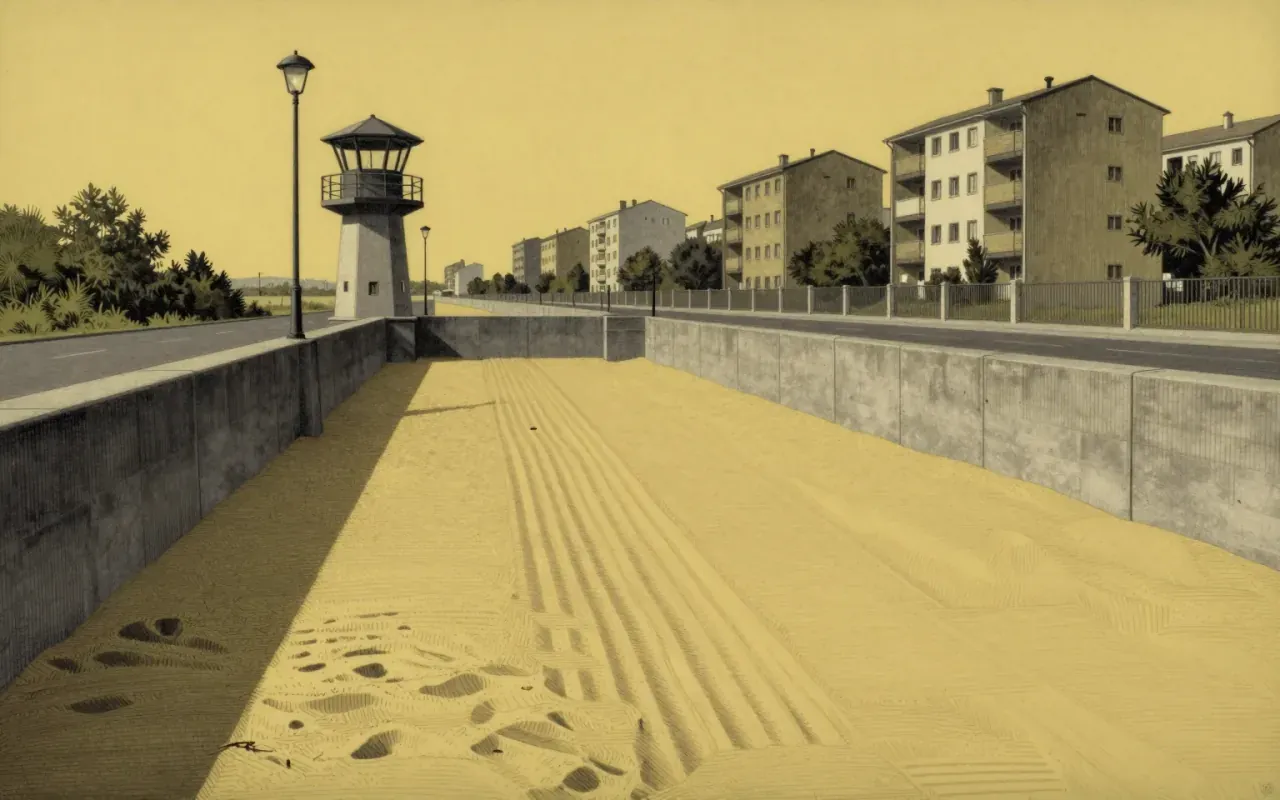
East Germany closed its border with West Berlin overnight on 13 August 1961, building the wall in response to the departure of roughly 3.5 million citizens, disproportionately young and educated, since the country's founding. The wall stood until it was opened on 9 November 1989, a moment triggered less by policy than by a confused press conference, and its full demolition took until 1994. Estimates of how many died attempting to cross range from 136 to over 200.

13:00

Beslan school siege

1 September – 3 September 2004

Around thirty-two militants from the Riyad-us Saliheen Brigade seized a school in Beslan, North Ossetia, on 1 September 2004, holding more than 1,100 hostages, including 777 children, in the gymnasium for fifty-two hours. The siege collapsed into chaos on 3 September after explosions of disputed origin brought down the gymnasium roof, and Russian special forces stormed the building with tanks and thermobaric weapons in a roughly twelve-hour battle that left 334 hostages dead, 186 of them children. Russian authorities faced sustained criticism for understating hostage numbers to the captors, allowing a premature assault despite ongoing negotiation, and responding with force that many observers judged disproportionate to the goal of protecting the hostages inside.

13:00

Spread of Islam

610–632

Islam took shape in early seventh-century Arabia around the teaching of Muhammad, who reported his first revelation around 610, migrated from Mecca to Medina in 622, and by his death in 632 had brought most of the Arabian Peninsula under Muslim rule. The earliest full biography was written well over a century later, and historians continue to debate how much of it, and of the hadith literature recording his sayings, reflects reliable transmission rather than material composed afterward to support later theological and legal positions.

13:00

Black Death

1346–1352

The Black Death reached Europe through Crimea in 1347 and, over the following six years, killed an estimated quarter to three-fifths of the continent's population, though contemporary records kept no census and modern historians' own population baselines vary enough to make precise mortality figures unreliable. Even the mechanism of its spread, long assumed to run mainly through rat fleas, is now disputed by researchers who argue human fleas and lice, or straightforward person-to-person transmission, better explain how fast it moved through cooler parts of Europe.

13:00

The Blitz

1940–1941

German bombing of London and other British cities ran from September 1940 to May 1941, killing around forty thousand civilians and destroying or damaging two million homes without ever achieving its strategic aim of breaking British war production or morale. The unified Blitz spirit later celebrated in popular memory sits awkwardly against wartime survey data showing most people simply stayed home rather than sheltering together, and showing real anxiety, prejudice, and social friction beneath the surface resilience contemporaries and later histories preferred to emphasise.

13:00

Second Boer War

1899–1902

Gold discovered at the Witwatersrand in 1884 turned tension between Britain and the Boer republics into open war by October 1899, a conflict that moved from conventional battles the Boers initially won, through a British counteroffensive that captured both capitals, into more than a year of guerrilla warfare Britain answered with scorched-earth tactics and concentration camps. Those camps killed over twenty-six thousand Boer civilians and an uncertain but substantial number of Black African internees, a death toll historians still argue was either deliberate policy or catastrophic administrative failure.

13:00

Srebrenica massacre

11 July – 22 July 1995

Bosnian Serb forces under General Ratko Mladić overran the UN-declared safe area of Srebrenica in July 1995, killing more than eight thousand Bosniak men and boys over an eleven-day span while roughly 370 lightly armed Dutch peacekeepers stood unable to stop them, and forcibly displacing a further 25,000 to 30,000 Bosniak women and children. Both the International Criminal Tribunal for the former Yugoslavia in 2004 and the International Court of Justice in 2007 ruled that the killings constituted genocide, the first such legal finding in Europe since the Second World War, and Mladić himself was convicted of genocide in 2017 alongside Bosnian Serb political leader Radovan Karadžić. Nearly seven thousand victims had been identified through DNA analysis by 2020, and the United Nations designated 11 July as an annual day of international commemoration in 2024.

13:00

Bosnian War

1992–1995

When Bosnia and Herzegovina voted for independence in 1992, its Serb population rejected the result and, backed by Serbia, fought a three-year war against Bosniak and Croat forces that killed over 100,000 people and displaced 2.2 million more. The siege of Sarajevo and the Srebrenica massacre became its defining atrocities, and the war ended only after NATO air strikes and American-brokered negotiations produced the Dayton Accords in late 1995.

13:00

Boxer Indemnity Scholarship

Roosevelt returned part of an indemnity extracted after a rebellion, and called it friendship while telling Congress it was also the surest way to keep China out of Japan's orbit.
13:00

Boxer Rebellion

1899–1901

The Boxer Rebellion grew through 1899 and 1900 from economic distress, foreign encroachment and resentment of missionary privilege in northern China, as members of the Society of Righteous and Harmonious Fists, believing rituals made them invulnerable to bullets, besieged foreign legations in Beijing for fifty-five days from 20 June to 14 August 1900. An Eight-Nation Alliance of roughly 51,000 troops relieved the siege and then carried out extensive looting and reprisal killings across Beijing and the surrounding countryside, and the resulting Boxer Protocol of September 1901 imposed an indemnity of 450 million taels of silver payable over 39 years, a sum exceeding the Qing government's annual tax revenue and a debt that historians credit with accelerating the reforms that led to the dynasty's collapse a decade later.

13:00

East India Company

1600–1874

Chartered by Elizabeth I in 1600 with a monopoly on English trade east of the Cape of Good Hope, the East India Company spent its first century as a trading concern before turning, after the 1757 Battle of Plassey, into the effective ruler of large parts of India, funded by taxation of the people it governed and defended by an army that at its peak outnumbered Britain's own. Its opium trade with China, its tax policies during the Bengal famine of 1770, and its use of torture to extract revenue are all part of the documented record. The Indian Rebellion of 1857 ended Company rule outright; the Crown assumed direct control the following year, and the Company itself was formally dissolved in 1874.

13:00

British Empire

1583–1997

Beginning with tentative fifteenth-century voyages and expanding through Atlantic colonisation, the loss of the American colonies in 1783, and a subsequent pivot toward Asia, Africa and the Pacific, the British Empire reached its territorial peak around 1920, covering roughly 35.5 million square kilometres and governing close to a quarter of the world's population. Decolonisation accelerated after the Second World War, culminating symbolically in the 1997 handover of Hong Kong, and the empire's legacy remains genuinely disputed between its constitutional and linguistic influence and its foundational reliance on slavery, extraction and violent suppression of colonised peoples.

13:00

2016 Brussels bombings

22 March 2016

On 22 March 2016, three suicide bombers from the same Brussels-based ISIS cell responsible for the November 2015 Paris attacks struck Brussels Airport and the city's Maelbeek metro station, killing 32 civilians and injuring more than three hundred. All five attackers involved that day had also helped plan and carry out the Paris attacks, and Belgian investigators believe the arrest of Paris attacker Salah Abdeslam just four days earlier may have accelerated the Brussels operation before the cell was fully prepared. A parliamentary inquiry later found serious failures in Belgian security coordination and information-sharing, and separate trials in Paris and Brussels eventually convicted the cell's surviving members, sentencing several, including Abdeslam, to life imprisonment.

13:00

Second plague pandemic

1340–1880

The second plague pandemic began with the Black Death, which reached Europe in 1346 and is estimated to have killed between 75 and 200 million people across Eurasia within a few years, before the disease became endemic and returned in recurring outbreaks including the Great Plague of London in 1665 and 1666 and a final wave in Ottoman territory as late as 1813 and 1814. Historians reconstruct its spread from parish and tax records, contemporary accounts such as Boccaccio's Decameron, and, more recently, DNA extracted from victims' teeth, evidence that has confirmed Yersinia pestis as the cause while leaving the pandemic's precise geographic origin and eventual decline still not fully explained.

13:00

Burning of books and burying of scholars

213 BC

According to Sima Qian's Records of the Grand Historian, written about a century after the events it describes, Qin Shi Huang ordered the burning of rival philosophical texts in 213 BC on the advice of his chancellor Li Si and had more than 460 scholars killed the following year after alchemists he had employed to seek immortality fled his court. Modern historians including Michael Nylan and Ulrich Neininger have raised serious doubts about this traditional account, noting that no source earlier than Sima Qian mentions the killings, that texts supposedly burned continued to be quoted in Qin and early Han writing, and that the label of persecuted Confucian martyrs appears to be a later Han-dynasty embellishment layered onto a real but more limited campaign against politically inconvenient texts and individuals.

13:00

Byzantine Empire

395–1453

The Byzantine Empire was the continuation of the Roman state centred on Constantinople after the western empire's collapse, reaching its greatest extent under Justinian in the sixth century, surviving devastating territorial losses to Arab conquest in the seventh century, and enduring in reduced form until the Ottoman conquest of Constantinople in 1453. Historians disagree on when to date its beginning, and note that the empire's own inhabitants never called themselves Byzantine, a label applied only after the state had ceased to exist.

13:00

Cahokia

Founded 1050

Beginning around 1050, a settlement across the Mississippi from present-day St Louis grew explosively into a city of thousands, its inhabitants moving millions of cubic feet of earth by hand to build over a hundred mounds. Because Cahokians left no written records, everything known about the city comes from excavation, radiocarbon dating and soil analysis rather than testimony, leaving population estimates and the causes of its abandonment by 1350 genuinely disputed among archaeologists. Long misattributed to a vanished non-Native civilisation, the site is now recognised as ancestral heritage by multiple Indigenous nations and holds UNESCO World Heritage status.

13:00

California gold rush

1848–1854

James Marshall's discovery of gold at Sutter's Mill in January 1848 drew roughly three hundred thousand people to California within seven years, most of whom made little or no profit while merchants supplying them, and California itself, gained wealth and statehood by 1850. The boom also brought organised violence against Native Californians on a scale some historians now describe as genocide, a consequence the gold rush's popular memory has generally left out.

13:00

Charge of the Light Brigade

25 October 1854

At Balaclava on 25 October 1854, roughly six hundred and seventy British cavalrymen charged into a valley ringed by Russian artillery after an order meant for a different set of guns was passed down through officers who disagreed about what it meant. More than half the brigade became casualties within minutes; the aide who delivered the order was killed almost immediately, and the surviving commanders spent years publicly blaming each other for a mistake no single surviving account can fully explain.

13:00

Cherokee removal

1838–1839

Following the 1828 Georgia gold rush and the 1830 Indian Removal Act, a minority Cherokee faction signed the Treaty of New Echota in 1835, ceding tribal land against the wishes of the elected leadership and over sixteen thousand petitioning Cherokee. When voluntary emigration fell short, federal troops forcibly removed roughly fifteen thousand five hundred Cherokee people in 1838 and 1839, a journey historians estimate killed between two and six thousand people, figures that cannot be fixed precisely from the surviving records. Historians remain divided over whether the policy amounted to genocide, ethnic cleansing, or a catastrophic outcome of paternalistic but non-murderous intent.

13:00

Chinese Communist Revolution

1927–1949

Between the founding of the Chinese Communist Party in 1921 and the proclamation of the People's Republic in 1949, China passed through warlordism, a fractured alliance with the Nationalists, a Japanese invasion, and a civil war that the Communists eventually won. The victory owed as much to Nationalist collapse and rural discontent as to any single Communist strategy, and the party's own founding date is only one of several plausible starting points historians use for the story.

13:00

Cold War

1945–1991

The Cold War ran from roughly 1947 to the Soviet Union's dissolution in December 1991, pitting the United States and its allies against the Soviet Union and the communist bloc. It never produced direct combat between the two superpowers but shaped proxy wars in Korea, Vietnam and elsewhere, an arms race, and a divided Europe, and historians still disagree over how much blame for its outbreak belongs to Soviet expansion versus American containment policy.

13:00

Pike's Peak gold rush

1858

A Georgian prospector's 1858 discovery near present-day Denver drew an estimated hundred thousand people into the southern Rockies, fast enough to justify creating Colorado Territory in 1861, years before the region had otherwise earned that status. The same wave of settlement fed the tensions that produced the Sand Creek Massacre in 1864, an atrocity historians treat as a direct consequence of the demographic pressure the gold rush created, even though the Wikipedia record of the rush itself says comparatively little about that connection.

13:00

Communist International

1919–1943

Lenin founded the Communist International in Moscow in March 1919 to coordinate a world communist movement around Bolshevik leadership, binding member parties to twenty-one strict conditions adopted the following year. Under Stalin the organisation was steadily subordinated to Soviet state interests, first through a sectarian policy in the late 1920s and early 1930s that branded social democrats as fascists, then through a reversal into broad anti-fascist popular fronts after 1934, even as many of its own foreign officials were swept up and executed in the Great Purge. Stalin dissolved the Comintern in 1943 as a wartime gesture to his Western allies.

13:00

Congress of Vienna

1814–1815

Diplomats from more than two hundred states met in Vienna from September 1814 to June 1815, redrawing Europe's map after Napoleon's defeat under the direction of Austria's Klemens von Metternich, Britain's Castlereagh, Russia's Tsar Alexander, and France's Talleyrand. Contemporaries mocked it as a congress that danced rather than worked; a century later historians remain divided on whether its conservative settlement should be credited with a long peace or blamed for suppressing the liberal and national movements that eventually broke it apart.

13:00

Gallic Wars

58–51 BC

Between 58 and 50 BC, Julius Caesar subdued Gaul in a series of campaigns against Celtic and Germanic peoples, culminating in the defeat of a unified Gallic revolt under Vercingetorix at the siege of Alesia. The war's main record is Caesar's own Commentaries, written and circulated during the fighting to build his political standing at Rome, and its startling casualty figures are now treated by historians as propaganda rather than count.

13:00

Spanish conquest of the Aztec Empire

1519–1521

Hernan Cortes landed on the Gulf coast of Mexico in 1519 and, through alliances with Aztec tributary peoples resentful of imperial rule, marched on Tenochtitlan, where an initial peaceful reception collapsed into violence, a chaotic Spanish retreat, and a devastating smallpox epidemic before the capital finally fell after siege in August 1521. Spanish accounts dominate the surviving record, though indigenous testimony recorded after the conquest under colonial supervision offers a partial counterweight. Historians now doubt several staples of the traditional story, including the belief that Moctezuma saw Cortes as a returning god, tracing that idea only to European writing from the 1540s.

13:00

Spanish conquest of the Inca Empire

1532–1572

A smallpox epidemic killed the Inca emperor Huayna Capac around 1525 and triggered a civil war between his sons that was still raging when Francisco Pizarro landed with roughly a hundred and eighty men in 1532. Pizarro ambushed and captured the victorious Atahualpa at Cajamarca, collected an enormous ransom, then executed him anyway, and organised Inca resistance continued in diminishing form until 1572. Most surviving accounts derive from Spanish chroniclers, and historians still dispute how much credit for the conquest belongs to Spanish technology versus the empire's prior weakness, while disease ultimately killed far more people than any battle did.

13:00

Constitutional Convention (United States)

25 May – 17 September 1787

Delegates from twelve states met in Philadelphia from May to September 1787, intending only to revise the Articles of Confederation and instead writing an entirely new constitution, with the size-versus-population dispute settled by the Connecticut Compromise and slavery accommodated through the three-fifths clause. The convention's secrecy was deliberate and effective; James Madison's notes, the most complete record of the debates, were not published until 1840, decades after the document itself had already taken effect.

13:00

Israeli Declaration of Independence

14 May 1948

David Ben-Gurion proclaimed the State of Israel on 14 May 1948 as British rule over Palestine ended, in a declaration whose drafters deliberately left the new state's borders undefined. Arab states invaded the next day, beginning a war that ran into 1949, displaced more than 700,000 Palestinians in what they call the Nakba, and ended with armistice lines rather than a negotiated peace. Historians still disagree sharply over how much of that displacement resulted from expulsion versus flight.

13:00

Crimean War

1853–1856

A dispute over which church controlled Christian holy sites in Ottoman Palestine escalated, through Russian ambitions and British and French fears of Russian expansion, into a war fought mainly around Sevastopol between 1854 and 1856 that killed several hundred thousand people, most of them to disease rather than combat. The war exposed British and Russian military and medical failures so starkly that it produced Florence Nightingale's nursing reforms and helped push Russia toward freeing its serfs, a case where a badly managed war left a more durable mark through its failures than through anything it settled militarily.

13:00

Crusader states

1098–1291

The First Crusade established four Christian territories in the eastern Mediterranean between 1098 and 1109: Edessa, Antioch, Tripoli and the Kingdom of Jerusalem, which survived until the Mamluks captured the last mainland strongholds in 1291. Their persistence for nearly two centuries owed as much to divisions between Sunni and Shia Muslim powers as to Crusader strength, and historians have long debated whether nineteenth-century comparisons of these states to modern European colonies hold up under scrutiny.

13:00

Crusades

1095–1291

Beginning with Pope Urban II's call in 1095 and running in various forms into the thirteenth century, the Crusades sent waves of Western European Christians toward the eastern Mediterranean, capturing Jerusalem in 1099 and establishing Crusader states that Muslim forces, first under Saladin and later the Mamluks, gradually reconquered, with the fall of Acre in 1291 ending mainland Crusader rule. Historians disagree over how far religious conviction, economic opportunity and political calculation each drove participation, and over how coherent the term crusade even was to contemporaries.

13:00

Cuban Missile Crisis

14 October – 28 October 1962

The Cuban Missile Crisis unfolded between 16 and 28 October 1962, after American reconnaissance confirmed Soviet nuclear missiles being installed in Cuba. President Kennedy's administration responded with a naval blockade rather than the invasion his military advisers preferred, and the crisis ended with a negotiated withdrawal that included a secret, unpublicised American concession over missiles in Turkey. It is remembered as the closest the Cold War came to direct nuclear conflict.

13:00

Cuban Revolution

1953

The Cuban Revolution ran from the failed Moncada Barracks attack in July 1953 to Fulgencio Batista's flight from Havana on New Year's Eve 1958, led by Fidel Castro and a small core of allies including his brother Raúl and Che Guevara. It grew out of economic inequality, unemployment and political repression under Batista, and historians still debate whether the movement was communist from the outset or became so only after it took power.

13:00

Cultural Revolution

1966–1976

Mao Zedong launched the Cultural Revolution in May 1966 to purge rivals and eliminate what he saw as capitalist and traditional influence within Chinese society, mobilising Red Guards against officials, intellectuals and cultural institutions. It ran for a decade, until his death in September 1976, disrupting education, displacing millions of urban youth to the countryside, and killing an estimated one to two million people, before the Communist Party's own 1981 verdict formally condemned it as catastrophic.

13:00

Dayton Agreement

14 December 1995

Negotiated at Wright-Patterson Air Force Base in November 1995 after intense American-led shuttle diplomacy, the Dayton Agreement ended the Bosnian War by dividing the country into two semi-autonomous entities under a complex power-sharing constitution. Scholars credit it with successfully stopping the fighting, but criticise its entrenchment of the ethnic partition it was meant to overcome, an assessment sharpened by the loss of original signed copies from both Serbian and Bosnian archives in the years since.

13:00

Death of Diana, Princess of Wales

31 August 1997

Diana, Princess of Wales, died in the early hours of 31 August 1997 after the car carrying her through Paris's Pont de l'Alma tunnel crashed at high speed, with driver Henri Paul found to have a blood alcohol level over three times the legal limit. Both a 1999 French judicial inquiry and Britain's own multi-year Operation Paget investigation rejected conspiracy theories advanced by Mohamed Al-Fayed, concluding the crash resulted from grossly negligent driving rather than any orchestrated plot.

13:00

Deepwater Horizon oil spill

2010

An explosion aboard the Deepwater Horizon drilling rig on 20 April 2010 killed eleven workers and began the largest marine oil spill in history, releasing an estimated 4.9 million barrels of oil into the Gulf of Mexico over eighty-seven days before the well was finally capped. The flow rate BP initially reported, one to five thousand barrels a day, turned out to understate the true figure of roughly 62,000 barrels a day by more than tenfold. BP pleaded guilty to eleven counts of manslaughter in 2012 and was later found grossly negligent, culminating in a 2016 settlement of 20.8 billion dollars, the largest environmental damage settlement in American history, on top of total costs that had reached over 65 billion dollars by 2018.

13:00

Breakup of Yugoslavia

1991–1992

Yugoslavia, a federation of six republics held together for thirty-five years partly by Josip Broz Tito's authority, began unravelling after his death in 1980 amid mounting foreign debt, unemployment and the rise of Slobodan Milosevic in Serbia. Slovenia and Croatia declared independence on 25 June 1991, followed by Macedonia and Bosnia and Herzegovina, and the wars that followed over the next decade killed an estimated 130,000 to 140,000 people and displaced more than four million, ending the country historians still argue over how to explain.

13:00

Dreyfus affair

1894–1906

Alfred Dreyfus, a Jewish artillery officer, was wrongly convicted of treason in 1894 on the strength of disputed handwriting evidence and imprisoned on Devil's Island, while the army suppressed subsequent proof identifying the real culprit. Émile Zola's 1898 open letter J'Accuse galvanised public opinion, and Dreyfus was eventually pardoned in 1899 and fully exonerated in 1906, an affair that split French society and exposed institutional antisemitism at the highest levels of the military.

13:00

Dust Bowl

1930–1936

Severe drought combined with farming practices that had stripped the Great Plains of native grasses produced a decade of catastrophic dust storms through the 1930s, peaking with the storm known as Black Sunday in April 1935. Federal programmes under Franklin Roosevelt's New Deal introduced soil conservation measures that cut blowing soil by roughly two-thirds by 1938, but recent scholarship has challenged the popular image of a mass exodus, arguing migration out of the Plains rose only slightly compared with the previous decade.

13:00

Dutch East India Company

1602–1799

Chartered in 1602 as a state-backed merger of rival Dutch trading firms, the VOC pioneered the joint-stock company, raising capital from shareholders while holding the power to wage war, sign treaties, and mint currency. Its spice monopoly and Asian trading network made it hugely profitable for close to two centuries, but that same monopoly was enforced with documented violence, including the destruction of much of the Banda Islands' population in the 1620s. Debt, war losses, and corruption brought the company down; its charter expired in 1799, and its territories became a Dutch state colony that lasted until Indonesian independence in the twentieth century.

13:00

Easter Rising

24 April – 30 April 1916

Roughly fifteen hundred republican volunteers seized key buildings across Dublin over Easter week 1916, holding out for six days against a British garrison that grew to over sixteen thousand before Patrick Pearse surrendered to prevent further civilian deaths. Public opinion in Dublin was initially hostile to the rising, but the execution of sixteen leaders that May reversed that sentiment so thoroughly that it helped produce Sinn Féin's landslide in the 1918 election, a shift historians treat as the rising's real historical consequence rather than anything it achieved militarily.

13:00

Edict of Milan

February 313

In February 313, Constantine and Licinius agreed at Milan to grant Christians legal standing and restore confiscated property, a policy Licinius then circulated to eastern governors that June. Known today only through two later, differing accounts, it granted toleration rather than establishment, a status Christianity would not formally gain for another sixty-seven years.

13:00

Edict of Nantes

April 1598 to October 1685

Issued in April 1598 to end decades of the French Wars of Religion, the Edict of Nantes gave French Protestants freedom of worship in specified areas, access to public office, state-funded schools, and control of fortified towns including La Rochelle, while leaving them subject to Catholic tithes and holidays. Henry IV, who had converted to Catholicism himself in 1593 after years fighting as a Protestant leader, signed it to secure a fragile peace, and provincial parlements delayed its registration for years. His grandson Louis XIV revoked it through the Edict of Fontainebleau in October 1685, triggering an exodus of roughly 400,000 Huguenots that religious freedom in France would not formally match again until 1787.

13:00

1994 South African general election

26 April – 29 April 1994

Between 26 and 29 April 1994, South Africans of every race voted together for the first time, and the African National Congress won just under 63 percent, enough to make Nelson Mandela president without the two-thirds majority that would have let his party govern alone. The vote followed four years of negotiation, boycotts and mass violence since Mandela's release in 1990, and it produced a compromise government sharing power with the outgoing National Party and the Inkatha Freedom Party.

13:00

Cold War (1985–1991)

1985–1991

Mikhail Gorbachev's reforms from 1985, combined with a series of summits with Ronald Reagan and the Soviet abandonment of the Brezhnev Doctrine, opened the way for Eastern European communist governments to collapse peacefully through 1989, culminating in German reunification and the Soviet Union's own dissolution by December 1991. Historians remain divided over whether Soviet economic decay, Gorbachev's genuine ideological conviction, or Western pressure deserves primary credit, a debate the evidence supports multiple readings of rather than settling definitively.

13:00

English Civil War

1642–1651

Fought between 1642 and 1651 as part of a wider conflict across England, Scotland and Ireland, the English Civil War pitted King Charles I against a Parliament unwilling to accept his authority unchecked, ending in Charles's execution and a short-lived republic. Historians remain divided over its basic character, with Whig, Marxist and revisionist interpretations all drawing on the same surviving pamphlets and parliamentary records to reach quite different conclusions about what really caused it.

13:00

Age of Enlightenment

1700–1820

The Enlightenment is conventionally dated somewhere between the late seventeenth century and 1789, though scholars propose starting points as early as Descartes' 1637 treatise and end points as late as Kant's death in 1804. Thinkers including Voltaire, Rousseau, Locke and Kant promoted reason, empirical method and individual liberty through salons, academies and printed works like the Encyclopédie, but historians remain divided over whether this amounted to one coherent movement or several distinct, sometimes conflicting, strands of thought.

13:00

Eruption of Mount Vesuvius in 79 AD

24 August 79

In 79 AD, Mount Vesuvius buried Pompeii, Herculaneum and neighbouring towns under ash and superheated volcanic flows over roughly two days, killing an unknown but substantial number of people. The event is known chiefly through two letters Pliny the Younger wrote to Tacitus a quarter-century later, and through the archaeology itself, which has recently pushed the long-accepted August date toward autumn instead.