historybriefs
Highest rated

All briefs

482 briefs · 5812 min · 1–96 on page 1 of 6
13:00

Final Solution

1941–1945

The Final Solution, the Nazi programme to murder Europe's Jewish population, killed around six million people through mobile shooting units operating from mid-1941 and then through gas chambers at dedicated camps from late 1941 onward, formalised administratively at the Wannsee Conference in January 1942. Historians remain divided over whether Hitler issued a single early master plan for total extermination or whether the policy escalated in stages through competing bureaucratic pressures, a debate complicated by the fact that no written order from Hitler himself has ever surfaced.
13:00

Great Famine (Ireland)

1845–1852

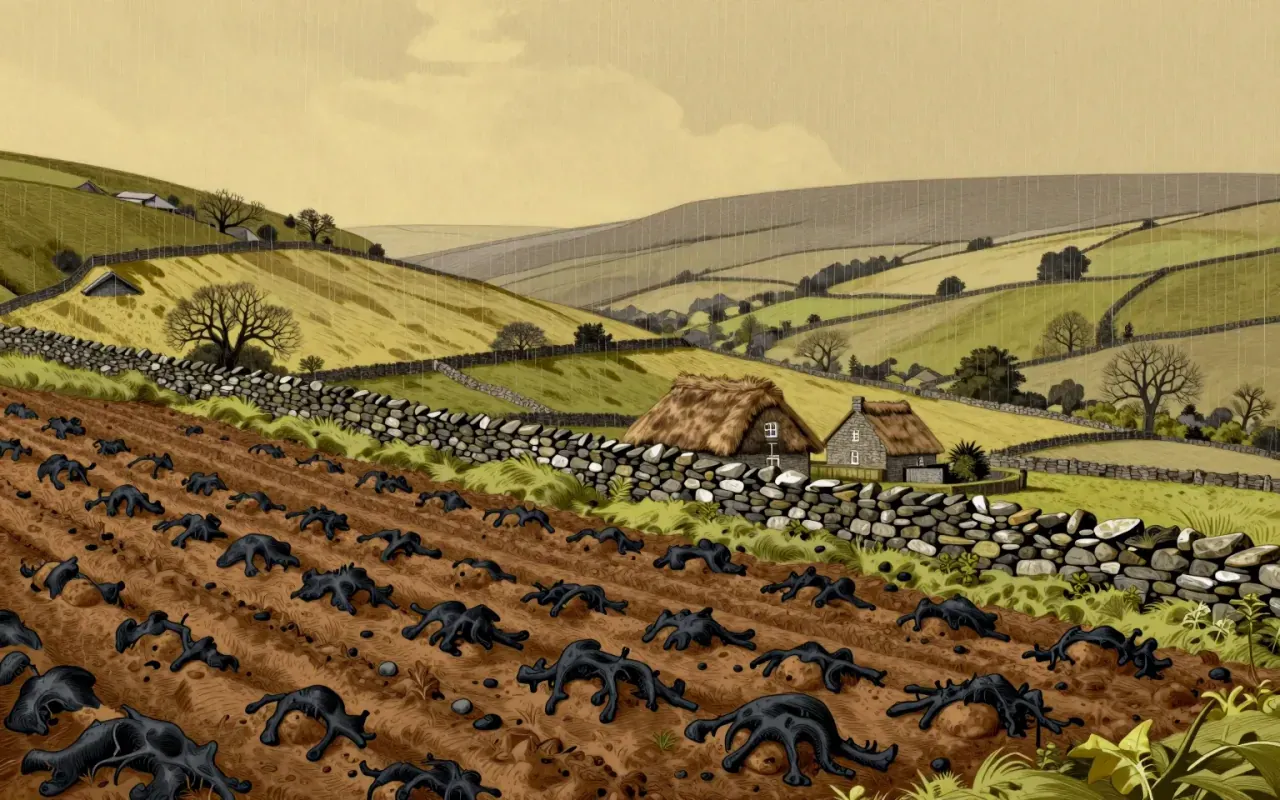
A potato blight that destroyed most of Ireland's harvest in 1846 became a famine that killed around a million people and drove more than two million to emigrate, worsened by a British government that leaned on laissez-faire economics and refused to halt food exports even as people starved. Historians still argue over whether that response amounts to policy failure or something closer to deliberate neglect, an argument the contested name for the event, famine, great hunger, or worse, reflects directly.

13:00

The Holocaust

1933–1945

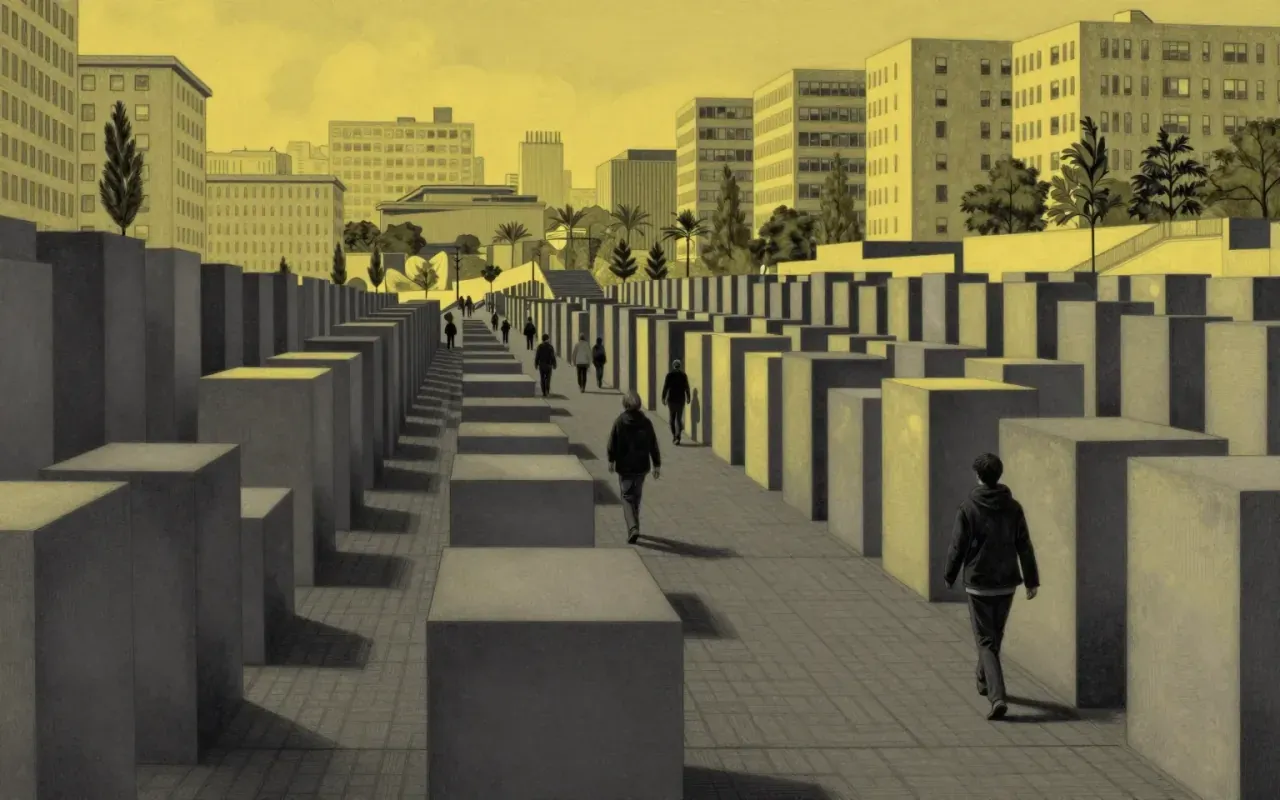
The Holocaust, the systematic murder of approximately six million Jews by Nazi Germany and its collaborators between 1941 and 1945, proceeded through mass shootings, ghettoization and purpose-built extermination camps including Auschwitz-Birkenau and Treblinka, formalised at the January 1942 Wannsee Conference, alongside the murder of millions of others including Soviet prisoners of war, Roma and Sinti people, and people with disabilities. Historians divide over the intentionalist and functionalist interpretations of when and how the decision for total extermination was actually made, a debate that remains unresolved even as the scale and mechanics of the genocide itself are not in dispute.

11:36

Ancient Greece

Ancient Greece isn’t a place or a nation — it’s the first time history became a written argument about power.
12:27

Samarkand

329 BC

Samarkand at -800 BC is archaeologically verifiable, institutionally attested, and geographically explicable — but its ‘founding’ remains a scholarly estimate, not a recorded event.

11:49

Atomic bombings of Hiroshima and Nagasaki

6 and 9 August 1945

The atomic bombings of Hiroshima and Nagasaki were deliberate, authorised, and executed military operations using newly developed nuclear weapons. Their scale, method, and human impact are well-documented in the source. Their causal relationship to Japan’s surrender is asserted only as ‘precipitation’—not proof of necessity or sufficiency. No claim about motives, alternatives, or internal Japanese decision-making appears in the material.

9:37

Battle of Talikota

23 January 1565

The Battle of Talikota was a decisive military defeat for Vijayanagara, caused by coalition warfare and military asymmetry — not civilizational conflict. Its legacy lies in how early-modern South Asian states negotiated power, not in mythic binaries.

10:09

2014 Russian annexation of Crimea

February and March 2014

The 2014 Russian annexation of Crimea was a coordinated military and political operation executed without formal declaration, relying on unmarked forces, coerced legislative action, and a referendum stripped of legitimacy by occupation and exclusion of the status quo. It altered Black Sea maritime claims, triggered sustained Western sanctions, and remains internationally condemned as a violation of Ukraine’s sovereignty and the UN Charter. No credible evidence supports the referendum’s fairness or voluntariness. Its legal and geopolitical consequences endure.

10:34

Gulf War

2 August 1990

The Gulf War was a short, sharply bounded conflict defined by UN authorisation, phased military execution, and unprecedented media access — but the record says nothing about its aftermath, costs, or contested legacies.

11:06

Haitian Declaration of Independence

1 January 1804

The Haitian Declaration of Independence is a foundational rupture—not in rhetoric, but in precedent. It established the first Black-led post-slavery state, yet refused the language of rights that defined other Atlantic revolutions. Its authority derived not from consent or constitution, but from military victory and collective sanction. It changed the map, but not the grammar, of sovereignty.

9:34

2022 Russian invasion of Ukraine

24 February 2022

The 2022 Russian invasion of Ukraine was a full-scale assault launched on 24 February 2022. It failed its core objective — rapid decapitation and conquest — by April 2022. Ukraine’s resistance halted the northern advance on Kyiv. Russia retained occupation in the southeast and later unilaterally annexed four oblasts. The plan, reportedly designed for victory in ten days, exposed critical flaws in Russian military execution while revealing Ukraine’s adaptive, battle-hardened defence.

10:20

Spanish flu

1918–1920

The 1918–1920 flu pandemic was caused by H1N1. Earliest documented cases were in Haskell County, Kansas, in March 1918. It infected ~500 million people. Death estimates range from 17 million to 100 million. Wartime censorship created the false impression that Spain was the origin. Its unusually high mortality among young adults likely resulted from immune overreaction compounded by war-induced malnourishment and overcrowding. Geographic origin remains indeterminate.

9:35

Suez Crisis

1956

A tripartite invasion that won every battle and lost every argument.

10:48

1911 Revolution

10 October 1911

The 1911 Revolution ended the Qing dynasty and founded the Republic of China. Its success rested on military defection, not mass mobilisation. Its institutions collapsed because they lacked independent authority — Yuan Shikai controlled the army, not the constitution. It changed the form of rule but not the distribution of power.

12:35

Baghdad

762 AD

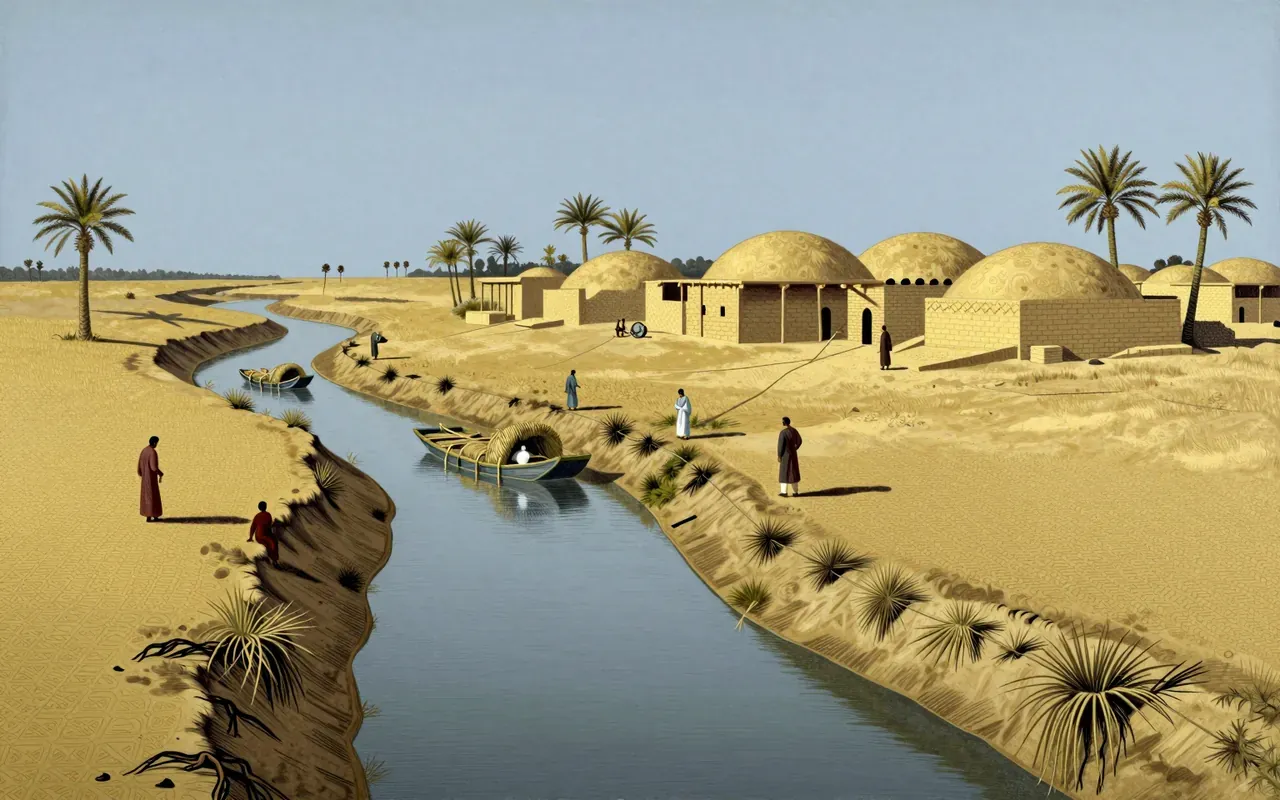
Baghdad’s founding in 762 was a decisive, documented act of imperial design — not evolution, not accident. It created a new kind of capital: planned, symbolic, and engineered for intellectual and administrative dominance. Its scale, longevity and influence are verifiable. Its motives and internal politics are not.

10:32

Betty Friedan

She didn’t discover women’s discontent — she measured it, named it, and marched with it.
9:42

Catherine the Great

1762–1796

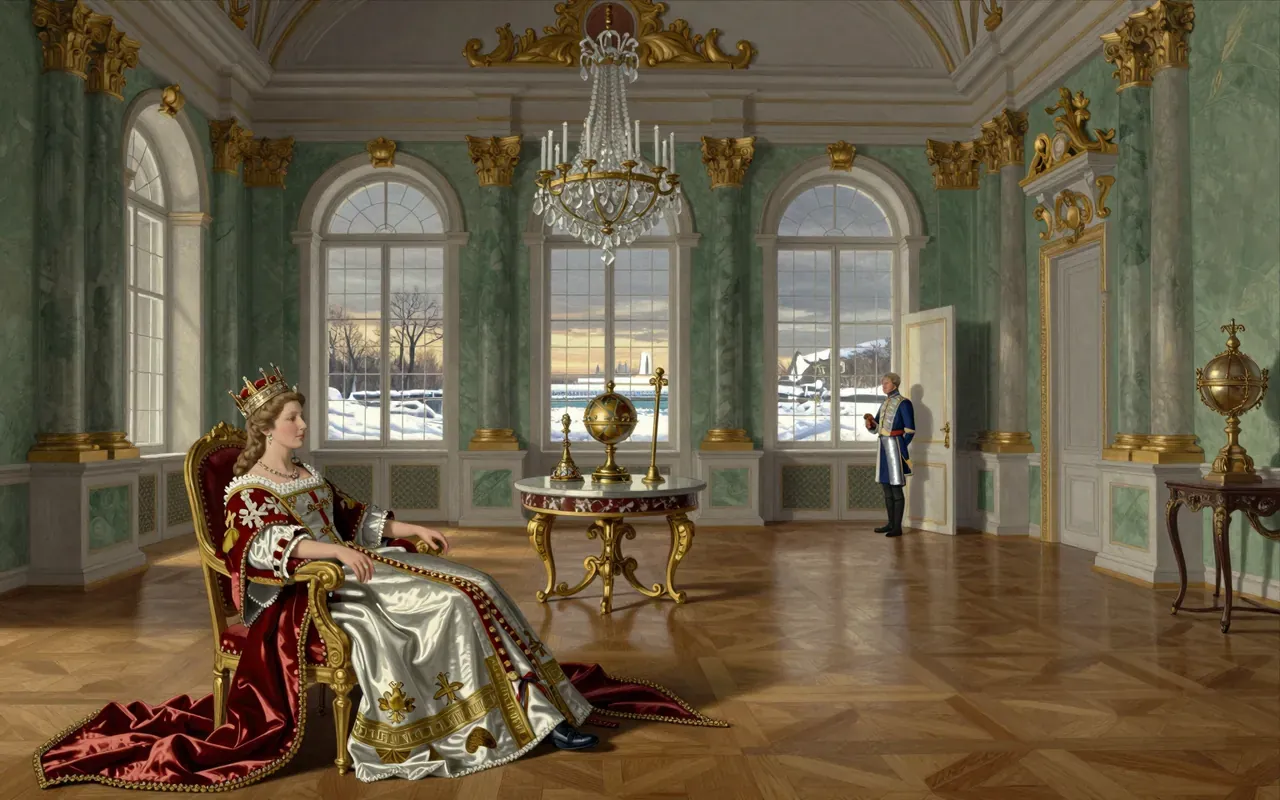
Catherine the Great’s reign was defined by method, not motive: coup, favouritism, military appointment, and diplomatic intervention produced imperial expansion and cultural renaissance — and elevated Russia to great-power status — without requiring Enlightenment ideals to be operationalised in governance.

10:42

Easter Island

April 5, 1722

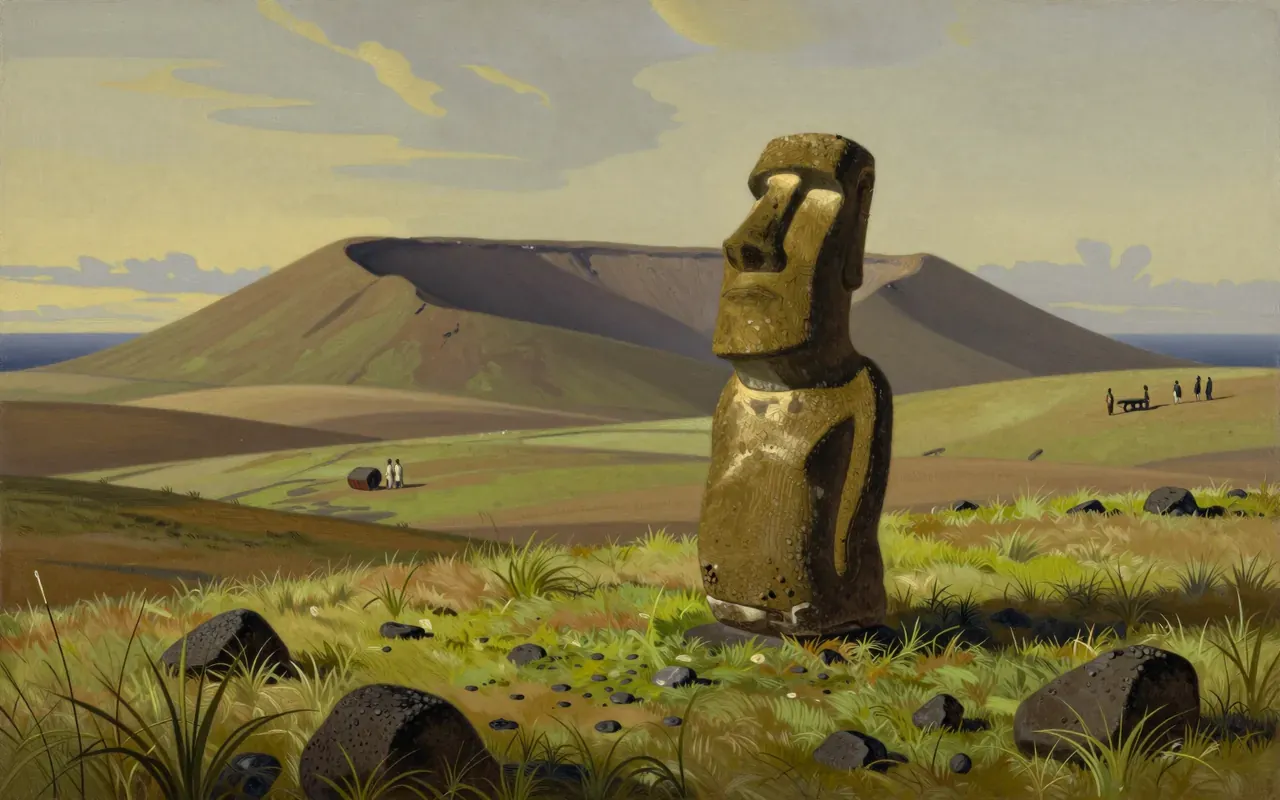
1722 is the hinge — not between isolation and connection, but between self-determined time and imposed chronology. Roggeveen did not find a blank slate. He sighted a society that had already shaped its landscape, language, and cosmology over centuries — and whose moai predated his arrival by up to 600 years. The event changed nothing on the island that day. But it guaranteed that everything after would be measured against European time.

10:46

Eleanor Roosevelt

1933 to 1945

Eleanor Roosevelt redefined the first lady’s role through sustained public engagement, media innovation, and advocacy — including leading the drafting and adoption of the Universal Declaration of Human Rights. Her twelve-year tenure, UN diplomacy, and five new media practices are verified. Arthurdale is explicitly labelled a failure. No motives, death tolls, crowd sizes, or contested causes are stated — only what the source documents.

11:19

Frederick Douglass

Douglass didn’t rise by inspiration—he built his authority brick by brick: a fist, a book, a constitution, a sentence.
11:20

Gloria Steinem

Steinem didn’t invent second-wave feminism — she built the first national broadcast system for it.
11:30

Hangzhou

221 BC

Hangzhou is a record of governance as iterative repair — not a story of rise and fall, but of wall, lake, capital, fire, and algorithm, each layer responding to a documented crisis.

10:15

Harriet Tubman

September 17, 1849

Harriet Tubman’s documented actions redefine what was possible for an enslaved woman in 19th-century America — not through myth or retrospective praise, but through three verifiable, high-stakes operations: 13 rescues, armed intelligence work, and a 700-person military liberation.

12:16

Ho Chi Minh

1945

A tightly sourced, action-focused account of Ho Chi Minh’s documented political output — no speculation, no omission of violence, no celebration without evidence.

10:20

Istanbul

6 October 1923

This brief treats only what the sources verify: Istanbul’s 20th-century political reconstitution. The year 1453 appears only as a footnote in a song lyric—cited solely to date the composition of 'Istanbul (Not Constantinople)', not to assert historical causation. No claim connects 1453 to the city’s modern governance, demography, infrastructure, or naming. To centre 1453 would be to ignore the evidence.

11:17

John, King of England

1166/7–1216

John’s reign is the hinge between Angevin transnational rule and English constitutional monarchy — but only because the record shows it collapsed under its own weight, not because John was uniquely flawed.

11:04

Mahatma Gandhi

Gandhi didn’t invent nonviolence — he built an operating system for it, and it crashed on the question of partition.
10:34

Maria Theresa

20 October 1740

Maria Theresa’s accession in 1740 exposed the hollowness of diplomatic guarantees divorced from military and fiscal reality. Her survival depended not on inherited legitimacy but on real-time negotiation — especially with Hungary — and decades of reform that entrenched central control while excluding dissenters. It changed who ruled, how the state functioned, and what territory it held — but not its foundational inequalities.

10:22

Mikhail Gorbachev

11 March 1985

Gorbachev’s leadership was defined by deliberate, irreversible institutional concessions — not negotiation. His policies had no exit ramp. The record shows he did not foresee dissolution. It does not show he welcomed it.

9:26

Pol Pot

1925–1998

Pol Pot’s rule was a deliberate, ideologically driven dismantling of Cambodian society — not a chaotic collapse. Its end came via foreign invasion, not internal reform. The scale and method of killing remain documented, but the motives behind key decisions do not.

11:09

Raja Ram Mohan Roy

He didn’t just oppose sati — he built the schools, wrote the grammar, and founded the societies that made its abolition possible.
9:40

Rosa Parks

Rosa Parks didn’t sit down by accident — she sat down to start a war of attrition against segregation, and won.
11:26

Sojourner Truth

c. 1797 – November 26, 1883

Sojourner Truth’s documented actions — legal, rhetorical, organisational, and bodily — show a consistent pattern of using available institutions to assert Black women’s personhood and agency. The record confirms specific victories and methods, but not their systemic outcomes or contested reception.

11:54

Steve Jobs

Jobs didn’t invent the personal computer—but he weaponised its interface, turning GUIs into gateways and Apple into a template for tech-led corporate resurrection.
13:04

Teotihuacan

100 BCE to 250 CE

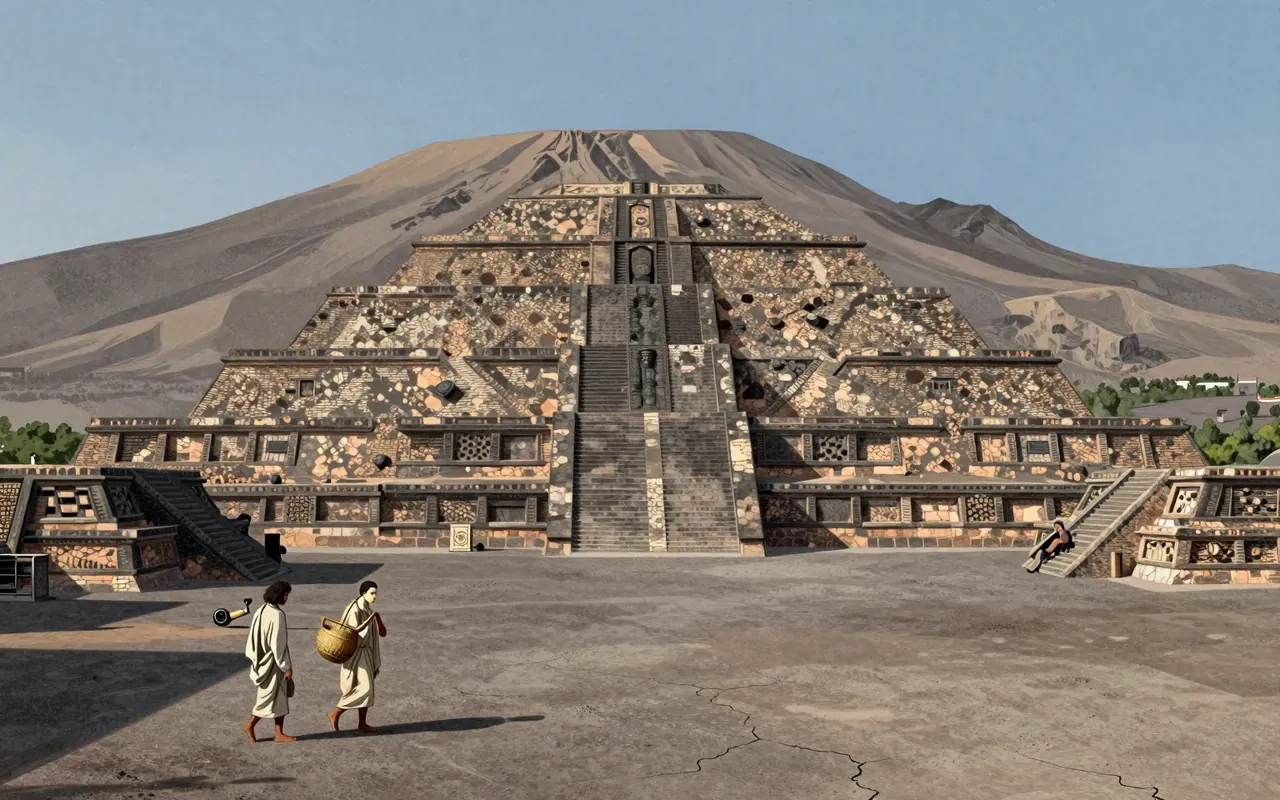
Teotihuacan was the largest city in the Americas before 500 CE. Its monuments were built over 350 years. Its central structures were burned around 550 CE. It housed ~100,000 people — 80–90% of the Valley of Mexico’s population. It ended between the 7th and 8th centuries CE. We know none of its rulers’ names. We do not know why it burned. We do not know what its people called it.

13:33

1931 China floods

June to August 1931

The 1931 China floods were a meteorologically driven, multi-phase disaster spanning June–August 1931 across China — especially Wuhan and Nanjing — culminating in a dike breach at Lake Gaoyou on 25 August. Verified evidence includes hydrological extremes (record water levels, nine cyclones in July, >600 mm rainfall), systematic fatality estimation (University of Nanking survey, official reports), institutional responses (National Flood Relief Commission, League of Nations, Lindbergh aerial survey), and disease outcomes (31,974 cholera deaths in 1932). Disputed claims include total death tolls: Buck’s survey estimated 150,000 drowned — less than a quarter of all fatalities in the first 100 days — while an official report claimed 140,000 drowned and 2 million dead from drowning or starvation. No source reconciles these figures with the verified cholera toll or provides demographic corroboration. The event exposed limits of Kuomintang governance and flood-control infrastructure but did not trigger structural reform.

9:52

Albigensian Crusade

1209–1229

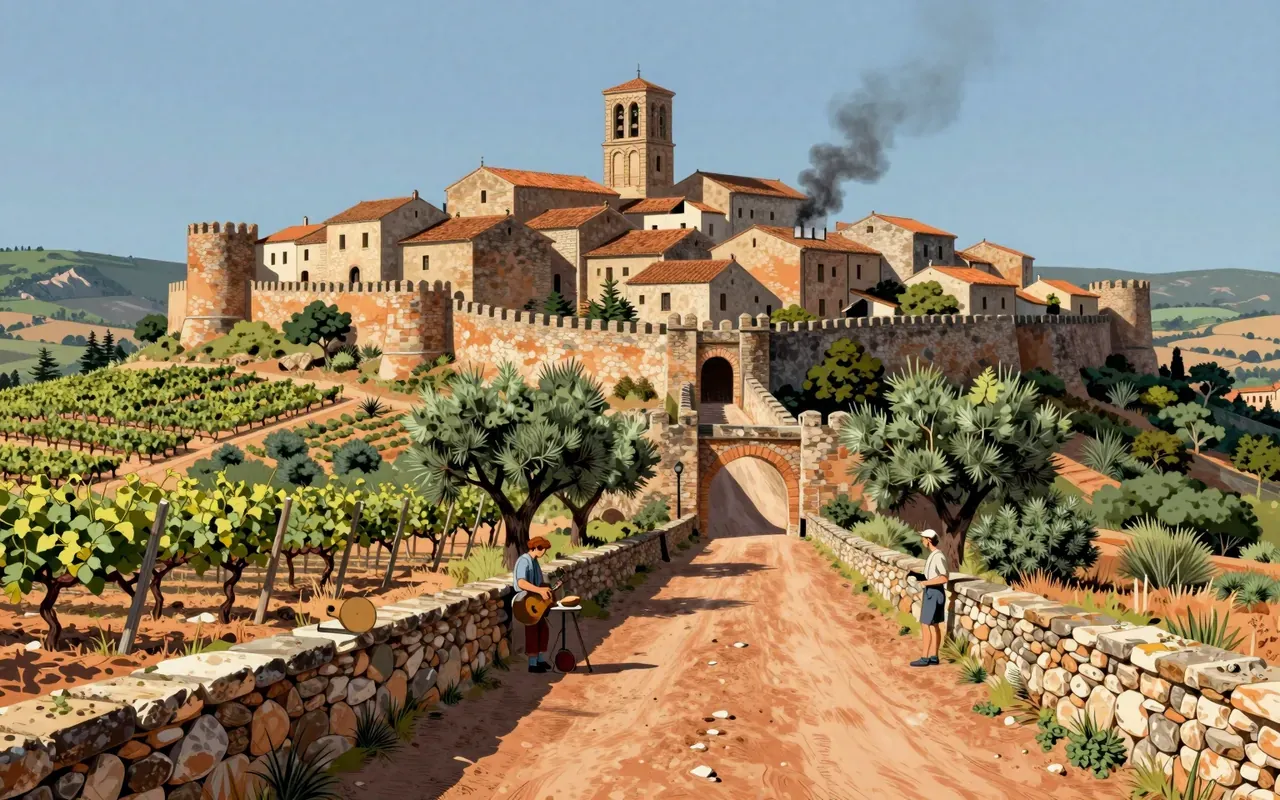
The Albigensian Crusade was a 1209–1229 papally initiated, French royally executed campaign against Catharism in Languedoc. It succeeded militarily in phases, realigned Toulouse with the French crown, diminished regional culture, and aided the institutional rise of the Dominicans and Inquisition. Its record is coherent but narrow: no dissent, no numbers, no motives beyond those stated.

10:09

Bandung Conference

18–24 April 1955

The Bandung Conference was the first large-scale diplomatic gathering of newly independent Asian and African states. It produced a unanimous 10-point declaration condemning colonialism in all forms, affirming peaceful coexistence, and committing to mutual technical and economic cooperation. Twenty-nine countries participated — representing 54% of the world’s population. Organised by Indonesia, Burma, India, Ceylon, and Pakistan, it asserted a collective voice outside Cold War binaries and laid groundwork for later South–South cooperation frameworks.

11:27

Battle of Hastings

14 October 1066

The Battle of Hastings was not a turning point because of prophecy or heroism — it was won by deliberate, repeatable tactics applied against a rigid formation. Its consequences were immediate, systematic, and legible in documents within twenty years. No other English battle so directly remade the state’s personnel, language, law, and landholding in a single generation.

10:21

Bay of Pigs Invasion

April 1961

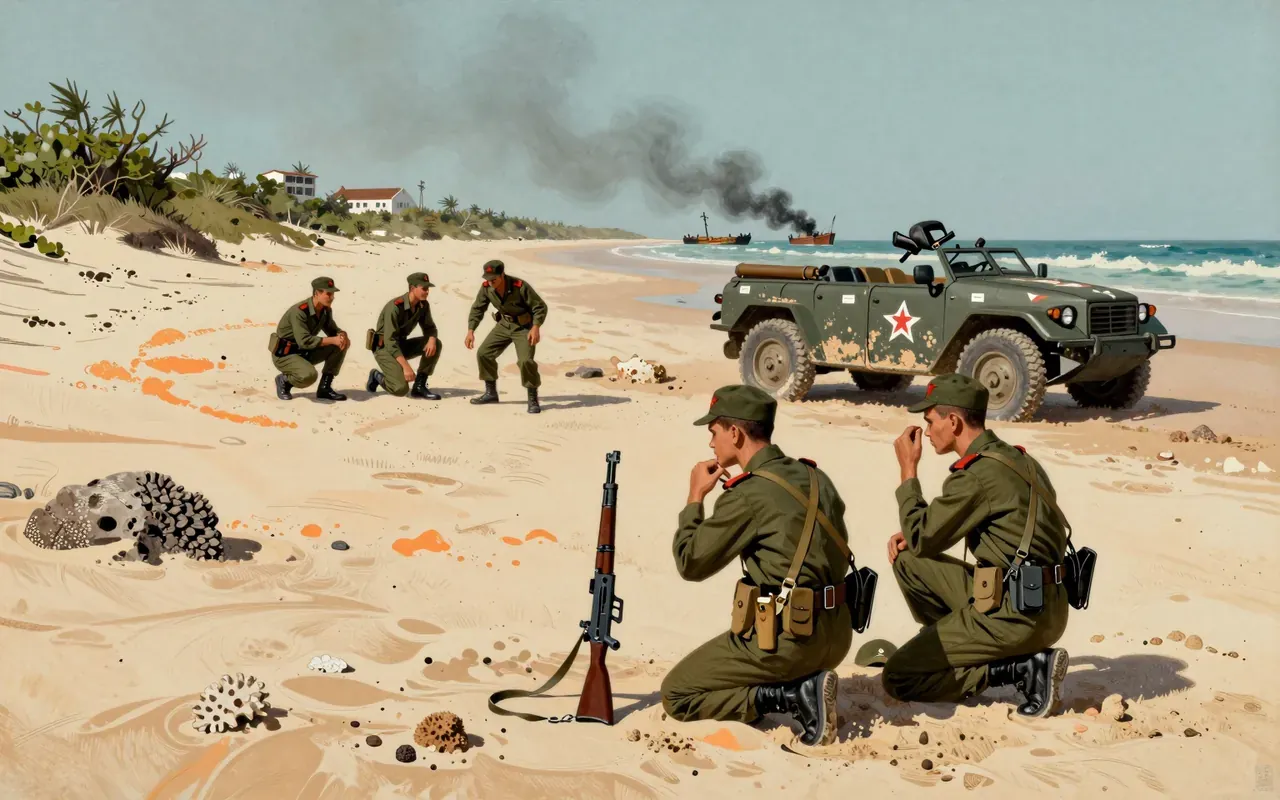
The Bay of Pigs Invasion was a U.S.-backed military operation conducted by over 1,400 Cuban exiles against Fidel Castro's government in April 1961. It began with airstrikes on Cuban airfields on 15 April, followed by the main amphibious landing at Playa Girón on 17 April. Initial success against local militia was reversed when U.S. President John F. Kennedy withheld promised air support, leaving the invaders critically under-resourced. The Cuban Revolutionary Armed Forces defeated the force within three days; it surrendered on 20 April. Most survivors were imprisoned, interrogated, and tried. The operation occurred at the height of the Cold War and marked a major U.S. foreign policy failure.
10:08

Boston Tea Party

December 16, 1773

The Boston Tea Party was a deliberate, lawful-looking violation of imperial authority—staged to expose contradiction, not conceal intent. It succeeded in provoking exactly the response its organisers anticipated: punitive overreach that alienated moderates and united colonies. Its legacy is procedural, not patriotic.

10:58

Carrington Event

1–2 September 1859

The Carrington Event is the only historical episode with contemporaneous, instrumented, and visual evidence tying solar activity directly to terrestrial electromagnetic disruption. It did not prove the solar–terrestrial link — that came later — but it forced astronomers to take it seriously. Its intensity remains unmatched. Its mechanism — a double-CME sequence — is plausible but not confirmed. It changed nothing in 1859 beyond prompting suspicion. Today, it anchors worst-case planning for grid failure — yet no modern system has been tested against anything like it.
11:46

Chernobyl disaster

26 April 1986

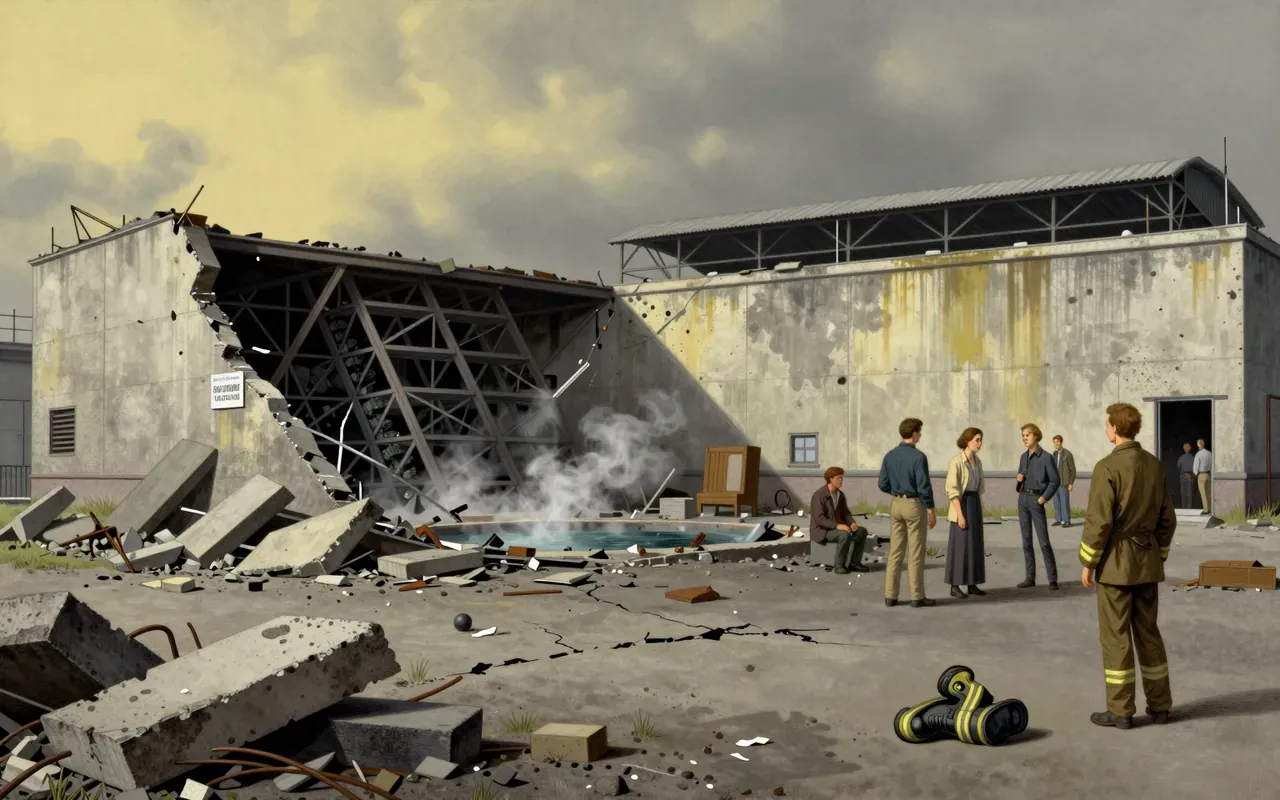
The Chernobyl disaster was a cascade of physical failures triggered by a safety test conducted under unstable conditions — not human error alone, but design flaws made manifest. The Soviet state responded with delay, staging and silence until external detection compelled admission. The record establishes sequence, scale and official action — nothing more.

11:52

Code of Hammurabi

c. 1753 BC

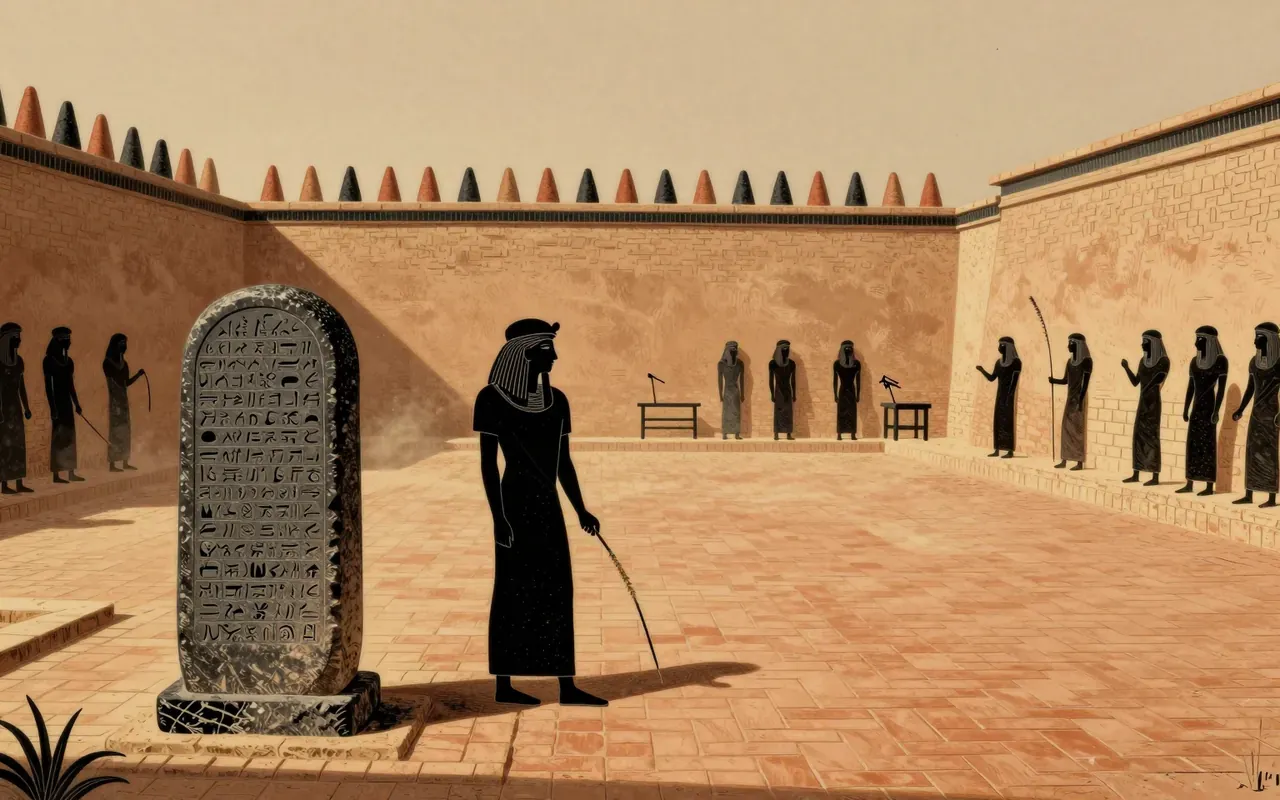
The Code of Hammurabi is the earliest complete, datable, and materially intact legal code — a monument to royal authority, not a manual for courts. It declares intent, not practice. Its survival rests on one stele, one language, one date, and one claim: that justice flows from the king through the gods. That claim is legible. Its implementation is not.

10:07

First Council of Nicaea

May–July 325

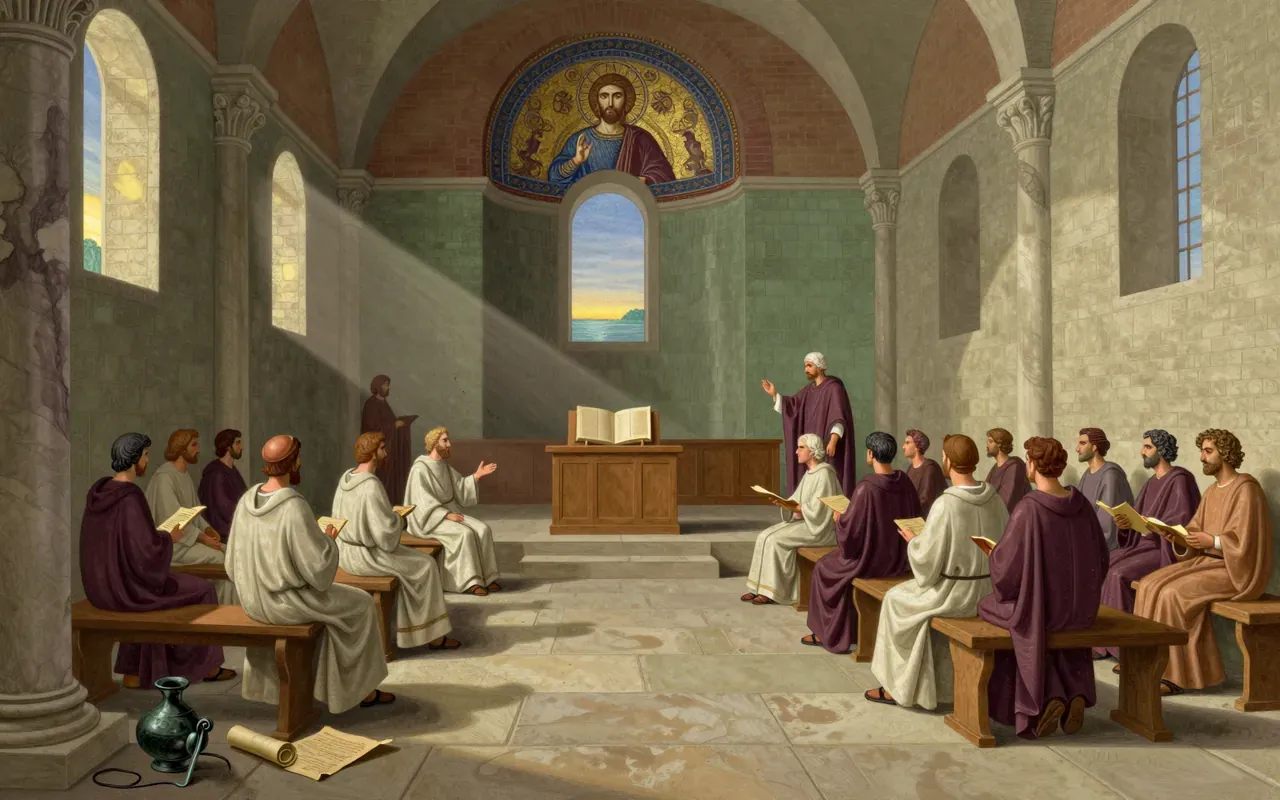
The First Council of Nicaea was the first empire-backed attempt to standardise Christian doctrine by assembly. It succeeded procedurally — nearly all bishops signed — but the record reveals nothing about internal debate, enforcement, or theological nuance. Its legacy is structural, not doctrinal.

10:32

Dissolution of the Soviet Union

December 26, 1991

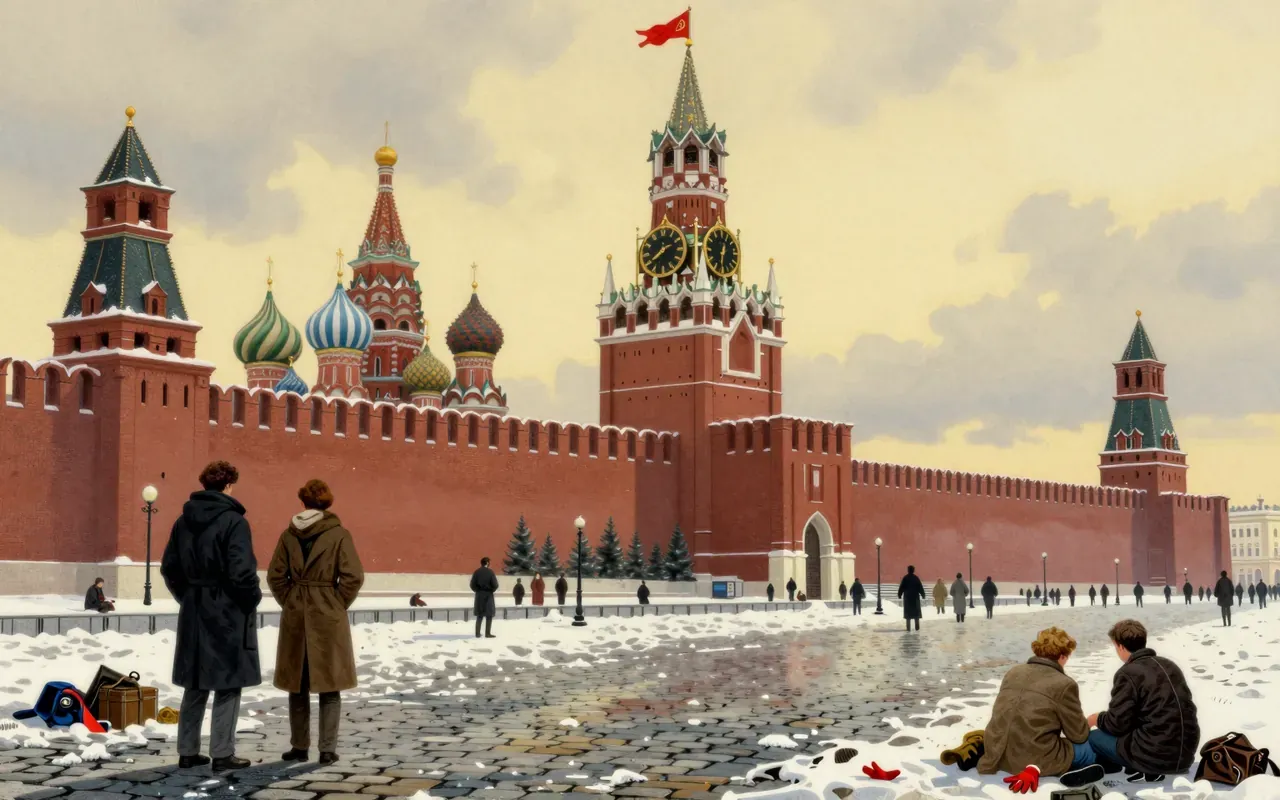
The Soviet Union was formally dissolved on 26 December 1991 — not by uprising or invasion, but by inter-republic treaty, presidential resignation, and parliamentary decree. Its end was legal, deliberate, and televised.

9:57

Negotiations to end apartheid in South Africa

1990–1993

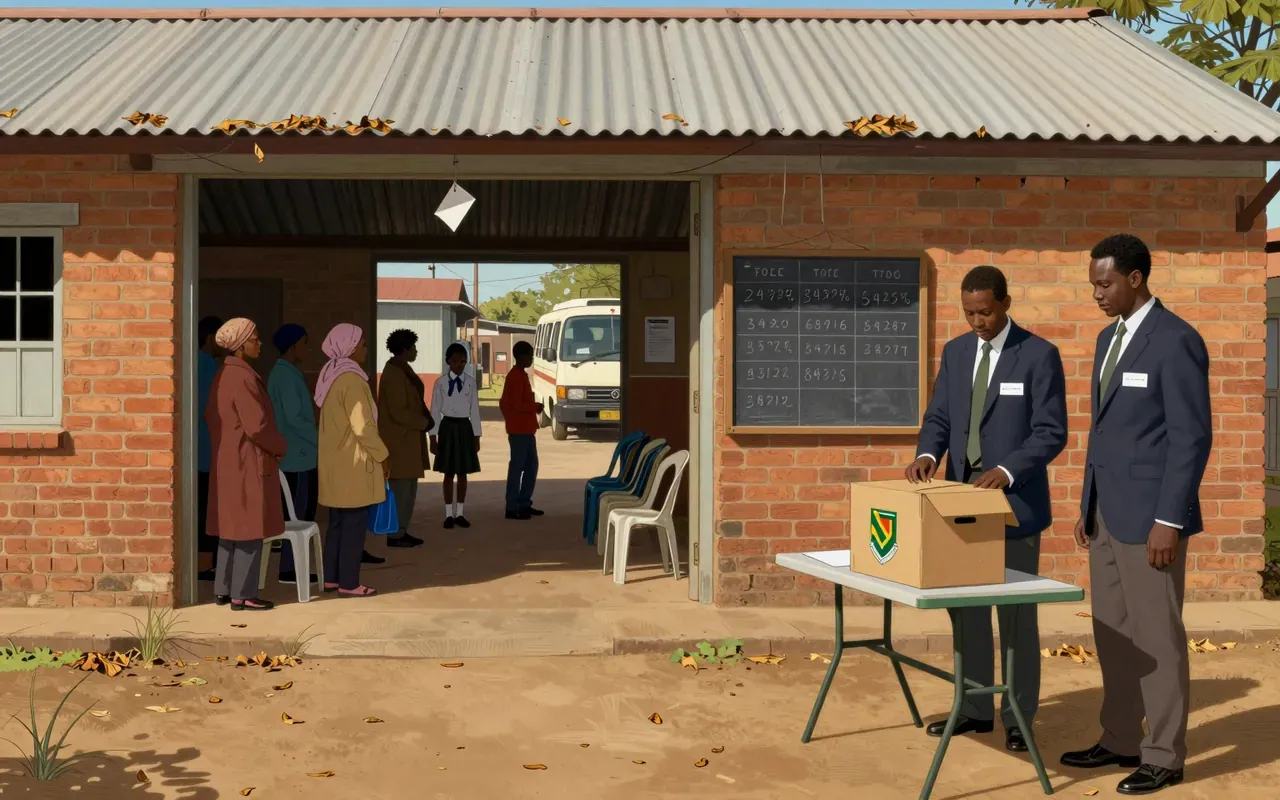
The negotiations to end apartheid were a deliberate, documented, stage-gated process — not a spontaneous uprising or a top-down decree. They succeeded because both sides accepted that negotiation was the only remaining option. But the record does not confirm who forced whom to the table, or why violence recurred when talks paused.

11:21

Fall of Saigon

30 April 1975

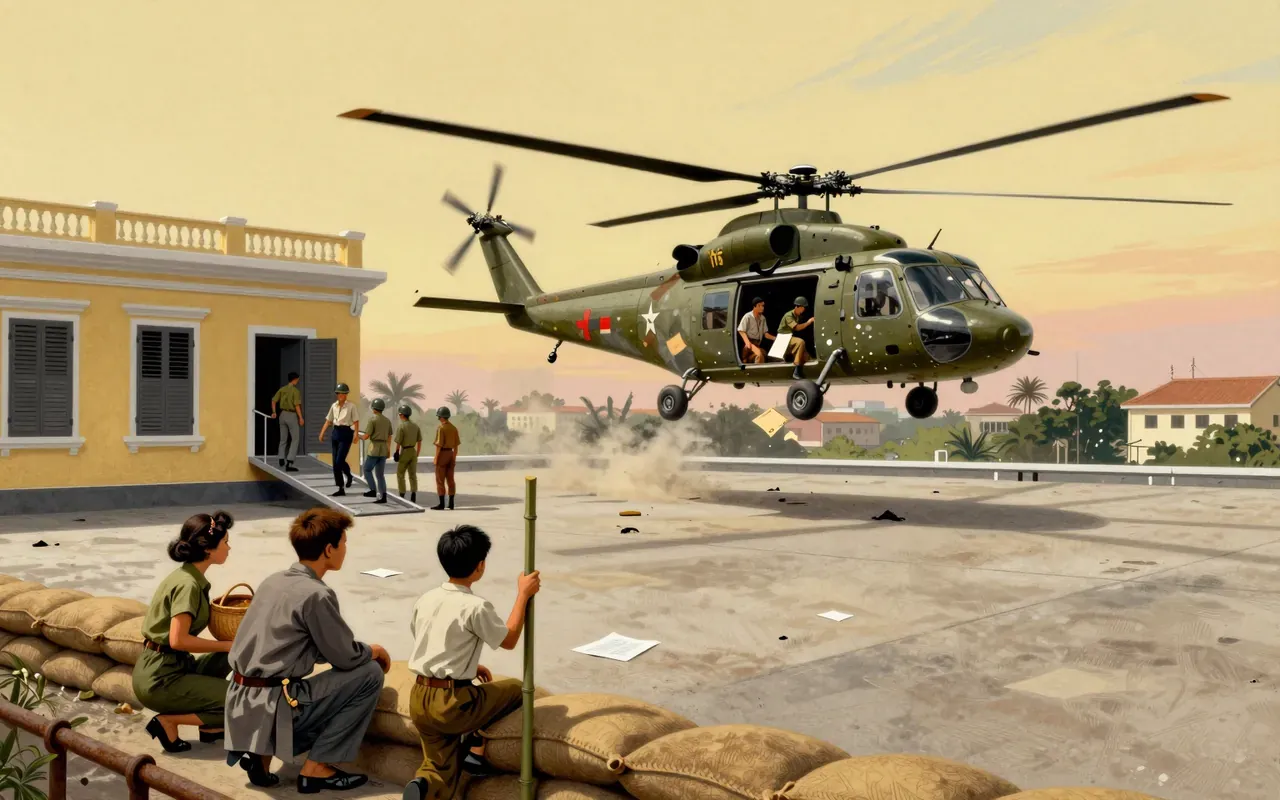
The Fall of Saigon was the conclusive military event of the Vietnam War: North Vietnam captured the city on 30 April 1975, dissolving South Vietnam and unifying the country under one regime for the first time since 1954. Its speed and finality stemmed from the prior U.S. withdrawal and ARVN’s rapid disintegration — not battlefield indecision or last-minute diplomacy. The record is clear on what happened, when, and who carried it out. What remains outside the source — casualty figures, refugee totals, internal debates — stays contested.

9:34

Fall of the Berlin Wall

9 November 1989

The Berlin Wall fell on 9 November 1989 when East Berlin transit restrictions collapsed. Harald Jäger opened the Bornholmer Straße crossing without orders. Crowds poured through. Mauerspechte began chipping away at the Wall that same night. Official dismantling began on 13 June 1990. This event helped trigger the fall of the inner German border, the Malta Summit’s Cold War declaration in early December 1989, and German reunification on 3 October 1990. It was one event in a series that started communism’s fall across Central and Eastern Europe. The source gives two times for Jäger’s decision but no reason for it. It names no other actors, documents no policy change, and does not specify how the Wall’s fall caused wider political change.

9:54

First Intifada

December 1987–1991

The First Intifada was a locally led, mixed-method uprising beginning in December 1987 in the Jabalia refugee camp, combining non-violent civil resistance (strikes, boycotts, tax refusal) with violent tactics (stone-throwing, Molotov cocktails, graffiti, barricading), and lasting until at least 1991.

11:55

French Revolution

1789–1799

The French Revolution was a period of political and societal change in France that began with the Estates General of 1789 and ended with the Coup of 18 Brumaire on 9 November 1799.

10:26

Iraqi invasion of Kuwait

2 August 1990

The Iraqi invasion of Kuwait was a swift, centrally ordered act of annexation — verified by its codename, timing, troop composition, and administrative reorganisation. It triggered the first major test of UN collective security after the Cold War. The record shows no ambiguity in sequence or outcome — but also no evidence of motive, dissent, or alternative interpretations. Its legacy is procedural: it proved the Security Council could unify and enforce borders — but only once, under narrow conditions.

9:38

Khmer Rouge

1975–1979

The Khmer Rouge was not a spontaneous uprising but a deliberately constructed, externally supported, and strategically rebranded insurgency — one whose name, origins, alliances, and methods are all attested in a single authoritative record.

11:28

Meiji Restoration

1868

The Meiji Restoration was a top-down political transfer of power in 1868 that ended feudalism, abolished the shogunate, and launched Japan’s rapid industrialisation and westernisation under imperial authority. It laid the foundations of the Empire of Japan—and its institutions enabled colonial expansion. No evidence is given for popular involvement, democratic intent, or internal dissent beyond the Saga and Satsuma Rebellions, which are cited only as backlash, not as competing visions.

10:14

Night of the Long Knives

30 June to 2 July 1934

The Night of the Long Knives was not a spontaneous outburst. It was a calculated, multi-day purge ordered by Hitler and executed by Nazi security organs to eliminate rivals and win over the army — then legally ratified by Germany’s own courts and cabinet. It established that legality could be weaponised, not just suspended.

10:50

Non-Aligned Movement

1961

The Non-Aligned Movement was not a spontaneous reaction but a deliberately constructed diplomatic architecture—forged in the shadow of the Korean War, named at the UN, grounded in Bandung, and launched across two stages: Brijuni in 1956 and Belgrade in 1961. It gave 120 developing nations a shared voice without requiring them to choose sides—a structural innovation in Cold War geopolitics.

10:17

Great Pyramid of Giza

c. 2600 BC

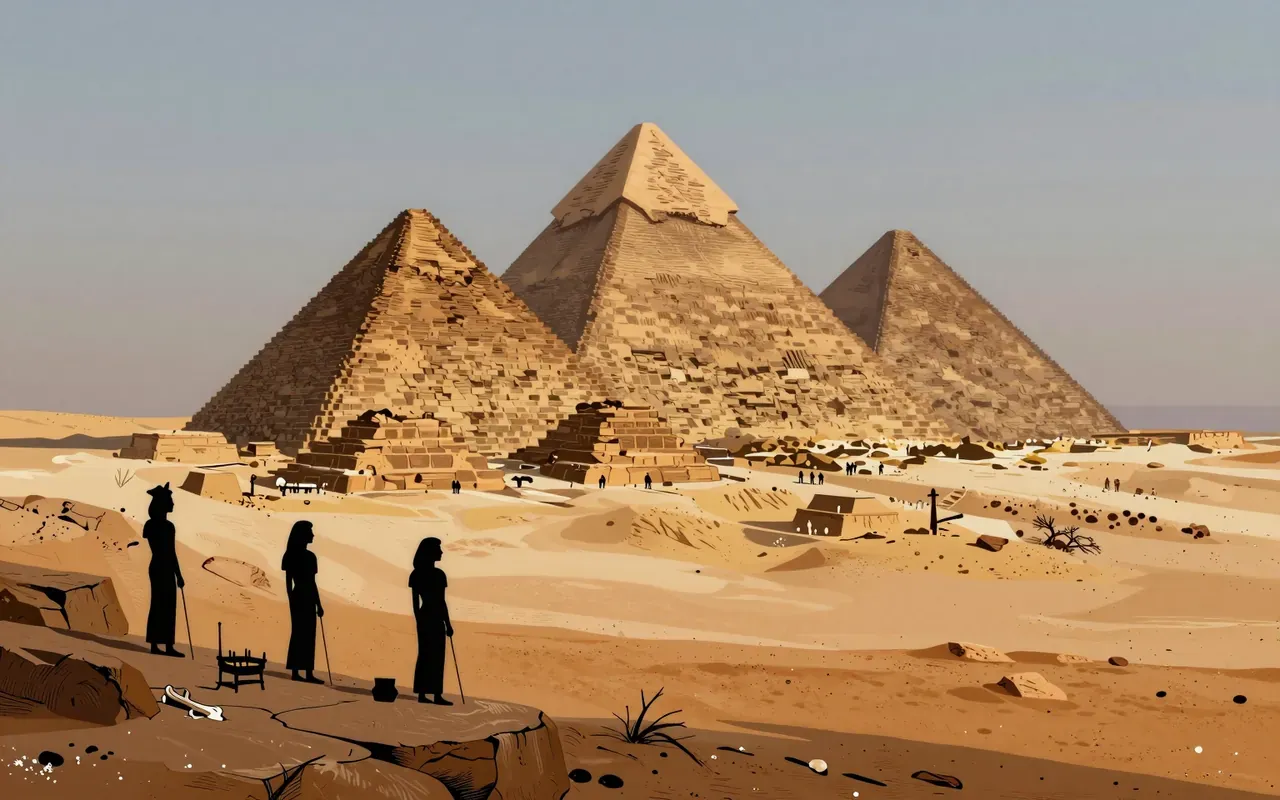
The Great Pyramid of Giza is the oldest and only largely intact Wonder of the Ancient World. Built c. 2600 BC as Khufu’s tomb, it stood 146.6 m tall for over 3,700 years. Its dimensions — 230.3 m per side, 2.6 million m³ volume — are precisely measured. What remains visible today is the underlying core structure, after most of its smooth white limestone casing was removed.

10:18

Reichstag fire

27 February 1933

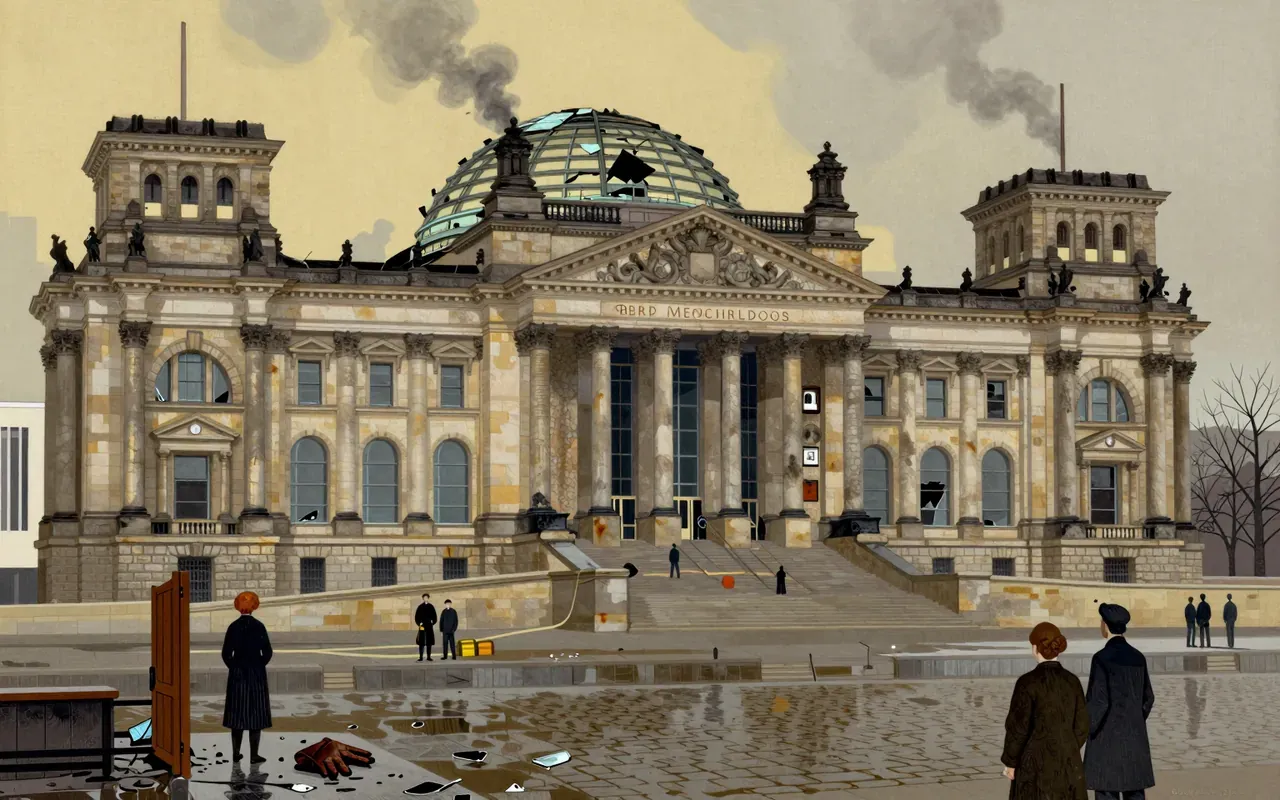
The Reichstag fire was an arson attack on 27 February 1933 in Berlin. It was reported at 9:00 p.m., extinguished by 11:30 p.m., and gutted most of the building. Van der Lubbe was arrested inside. Twenty unburned firelighters were found. The Nazi government used it within 24 hours to suspend civil liberties. Who started it remains contested. The record proves method and consequence — not motive, conspiracy or sole agency.

8:16

Salt March

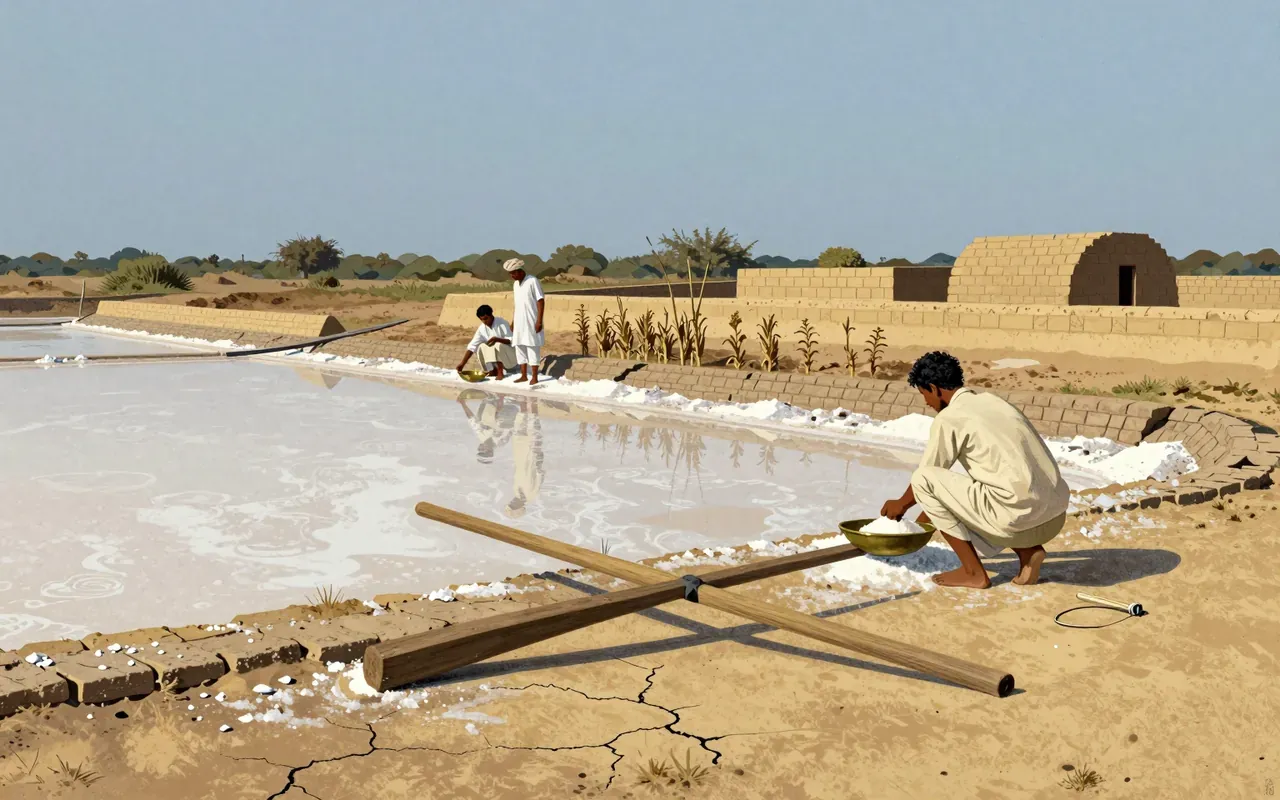
A 387-kilometre walk broke no laws until the last step — and that single act jailed 60,000 people without winning a single concession.
10:48

Spanish Civil War

1936 to 1939

The Spanish Civil War was a domestically rooted civil conflict (1936–1939) between Republicans defending the Popular Front government and Nationalists launching a failed coup. It ended with Nationalist victory and Franco’s authoritarian regime — lasting until 1975. Evidence confirms militia mobilisation, Franco’s October 1936 appointment as supreme leader, organised purges in conquered zones, and Casado’s March 1939 coup fracturing Republican resistance. What remains contested includes the scale, coordination and motives behind Republican executions — the source only states local authority involvement 'varied by location'. The war changed Spain’s constitutional order permanently and demonstrated how foreign powers weaponise civil wars as ideological proxies.

11:35

Three Mile Island accident

March 28, 1979

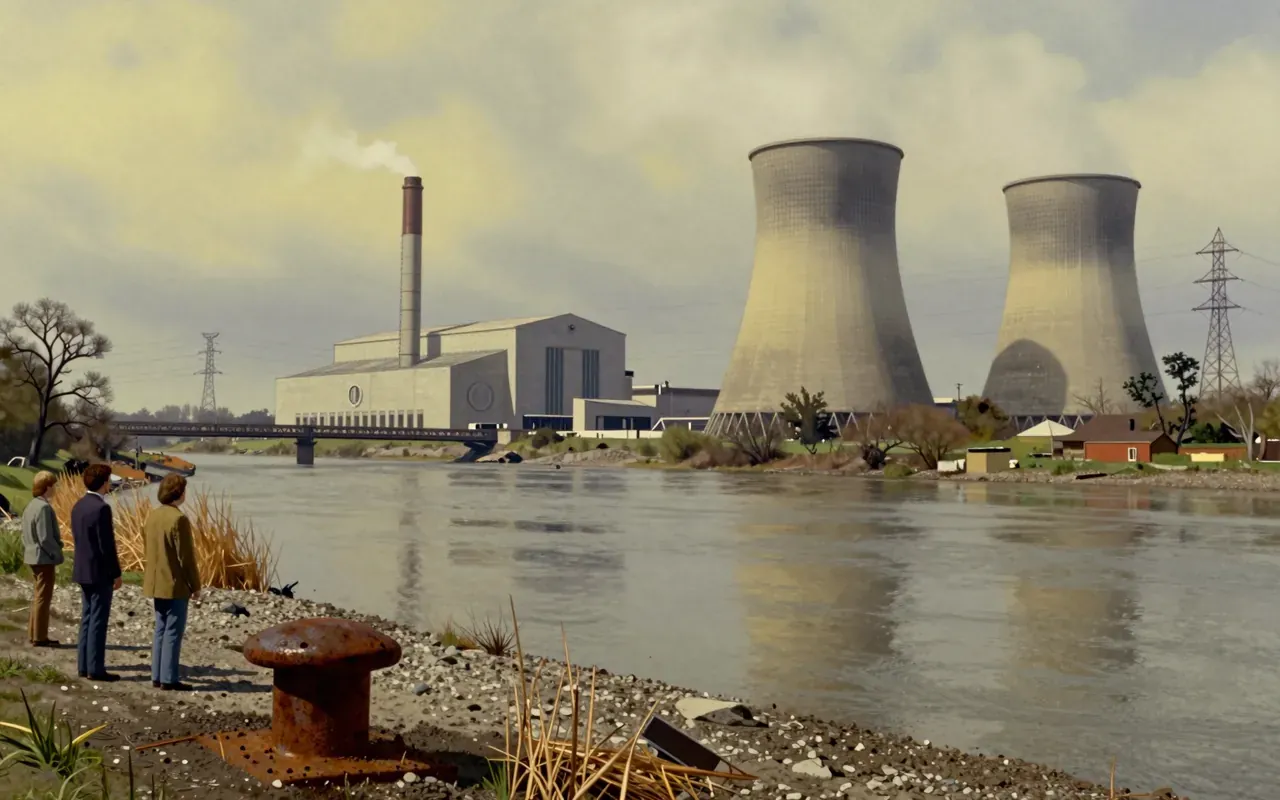
The Three Mile Island accident was a partial nuclear meltdown of the TMI-2 reactor beginning at 4:00 a.m. on March 28, 1979, releasing radioactive gases and iodine; it is rated Level 5 on the International Nuclear Event Scale and remains the worst U.S. commercial nuclear power plant accident. The event originated in the non-nuclear secondary system and involved a stuck-open pilot-operated relief valve causing coolant loss, compounded by operator failure to recognize a loss-of-coolant accident due to inadequate training and procedures.

9:04

Universal Declaration of Human Rights

10 December 1948

The Universal Declaration of Human Rights established a shared vocabulary for rights — but not a shared understanding of their source, scope, or enforcement.

10:47

Yalta Conference

4–11 February 1945

The Yalta Conference was a decisive wartime coordination meeting—not a peace settlement—that formalised Allied control over postwar Germany and pledged democratic self-determination for liberated Europe. Its outcomes were concrete: occupation zones, a French role, and a written declaration. Its limits were structural: no enforcement mechanism, no input from affected nations, and no record of dissent or doubt in the source material.

10:22

Thurgood Marshall

Marshall didn’t just win cases — he rebuilt how courts measure equality, one plain-spoken, evidence-led opinion at a time.
13:00

Akbar

1542–1605

Akbar ruled the Mughal Empire from 1556 to 1605, expanding its territory from Bengal to Kabul and Kashmir through campaigns that included the four-month siege of Chittorgarh in 1567 and 1568, while building an administrative system of ranked military-civil officers and a revenue system based on a ten-year average of production. He abolished the tax on non-Muslims, married into Rajput noble families on terms that preserved the women's status, and promoted a syncretic court faith drawing on Islam, Hinduism and other traditions, a record known largely through the court chronicle of his minister Abul Fazl, which modern historians read with considerably more scepticism than it was originally intended to invite.

13:00

Al-Azhar University

Founded 1961

Founded by the Fatimid caliphate between 970 and 972 to promote Ismaili Shia teaching in newly conquered Egypt, Al-Azhar was repurposed after Saladin's twelfth-century conquest into a Sunni Shafi'ite institution, a transition that reportedly involved destroying a large part of its original library. Mamluk patronage and Ottoman-era prestige built it into the leading centre of Sunni Islamic learning, and Gamal Abdel Nasser's 1961 reforms added secular faculties, turning a traditional madrasa into a modern university that today oversees a national school network reaching some two million students.

13:00

Augustus

63 BC–14

Born Gaius Octavius, Augustus rose from Julius Caesar's teenage heir to sole ruler of Rome, defeating rivals in successive stages before accepting the title Augustus from the Senate in 27 BC and governing for four more decades. He kept republican forms intact while concentrating power in his own hands, and the fullest accounts of how he managed it come either from his own self-justifying record or from biographers writing a century or more after his death.

13:00

Bartolomé de las Casas

1474–1566

Bartolome de las Casas arrived in the Caribbean in 1502 as a colonist who held enslaved Native labourers under the encomienda system, before a 1514 reading of scripture convinced him Spanish treatment of Indigenous peoples was fundamentally unjust. He spent the following decades as a Dominican friar and eventually bishop, writing A Short Account of the Destruction of the Indies and debating Juan Gines de Sepulveda at Valladolid in 1550 and 1551 over whether Indigenous peoples could be justly subjugated, work that helped shape Spain's 1542 New Laws and later fed into the broader Black Legend narrative about Spanish colonial brutality.

13:00

Constantine the Great

272–337

Constantine won sole control of the Roman Empire by 324 after nearly two decades of war against rival claimants, founded the new capital of Constantinople, and convened bishops at Nicaea in 325 to settle a dispute over the nature of Christ. Nearly every surviving account of him was written by Christian admirers or later ecclesiastical writers with their own doctrinal stakes, leaving his personal beliefs, and the details of his most famous conversion story, genuinely uncertain.

13:00

Normandy landings

6 June – 29 August 1944

The Allied invasion of Normandy on 6 June 1944, the opening of Operation Overlord, put roughly 160,000 troops ashore across five beaches on a single day, supported by nearly 5,000 vessels and a 1,200-plane airborne assault, after a monthslong deception campaign, Operation Bodyguard, convinced German commanders the main landing would come at Calais. Allied casualties on the day itself totalled at least 10,000, with 4,414 confirmed dead, and the broader Normandy campaign that followed committed over a million troops before liberating Paris on 25 August 1944.

13:00

David Hume

1711–1776

David Hume argued that reason alone cannot justify our confidence that the future will resemble the past, pushing empiricist philosophy toward a scepticism about causation and personal identity that unsettled many contemporaries, while making his public reputation chiefly as a bestselling historian rather than as a philosopher. A 2014 discovery of correspondence touching on Caribbean slavery, along with a disputed footnote on race in one of his essays, has left his personal record more genuinely contested than his tidy autobiographical account suggests.

13:00

Ferdinand Magellan

1480–1521

Ferdinand Magellan proposed a westward route to the Spice Islands, secured Spanish backing after falling out of favour in his native Portugal, and led an expedition that found a passage through South America and crossed the Pacific before his death in the Philippines in 1521. The voyage's completion, and the fuller credit for its most reliable record, belong respectively to his subordinate Juan Sebastian Elcano and to the crew member Antonio Pigafetta rather than to Magellan alone.

13:00

Gamal Abdel Nasser

1918–1970

Gamal Abdel Nasser rose through a secret military faction to help overthrow Egypt's monarchy in 1952, then out-manoeuvred his own revolutionary partner to become sole ruler by 1954, surviving an assassination attempt that year that only strengthened his popular standing. His 1956 nationalisation of the Suez Canal and subsequent political survival against British, French, and Israeli attack made him the era's dominant Arab nationalist figure, a reputation that never fully recovered from Egypt's crushing defeat in the 1967 Six-Day War, and one historians still weigh against an authoritarian domestic record that set a lasting template for military rule in Egypt.

13:00

Hannibal

247–183 BC

Hannibal led Carthaginian forces across the Alps into Italy in 218 BC and won a string of victories, most famously at Cannae, before spending over a decade occupying southern Italy without ever taking Rome itself. Recalled to Africa, he was defeated at Zama in 202 BC, and everything known about his campaigns and motives comes from Greek and Roman historians rather than any surviving Carthaginian source.

13:00

Hiroshima

6 August 1945

Founded as a castle town in 1589, Hiroshima grew into a regional military and industrial centre before the United States dropped an atomic bomb on it on 6 August 1945. Immediate deaths ran into the tens of thousands, with the toll continuing to climb from injury and radiation for months afterward, and occupation censorship kept much of the detail from the Japanese public for years. The rebuilt city has since made remembrance its civic purpose, formalised as a City of Peace in 1949.

13:00

Immanuel Kant

1724–1804

Immanuel Kant spent his entire career at the University of Konigsberg, publishing the Critique of Pure Reason in 1781 to reconcile rationalist and empiricist philosophy before developing his categorical imperative as a foundation for ethics grounded in reason alone. Several familiar details of his biography, including his believed Scottish ancestry and the legend of his clockwork daily walks, have not held up under later scrutiny, and his own religious and racial views remain genuinely disputed by historians.

13:00

Joan of Arc

1412–1431

A peasant girl from Domremy, Joan of Arc reported religious visions that led her to the French court in 1429, where she helped break the siege of Orleans and see Charles VII crowned before her capture and execution for heresy in 1431. Her trial and a later rehabilitation hearing preserve unusually detailed testimony in her own words, though what her visions actually were remains a question the sources describe without settling.

13:00

Julius Caesar

100–44 BC

Julius Caesar rose through Roman political and military office in the first century BC, conquered Gaul in the 50s BC, and then led an army against the Senate and his former ally Pompey in a civil war that made him dictator of Rome. He was assassinated by a group of senators, including Brutus and Cassius, on the Ides of March in 44 BC. The fullest evidence for his career comes partly from his own self-justifying commentaries and partly from biographers writing more than a century later.

13:00

Kublai Khan

1215–1294

Kublai Khan, a grandson of Genghis Khan, won a civil war against his brother to become Great Khan in 1260, founded the Yuan dynasty in 1271 by moving the Mongol capital to modern Beijing, and completed the conquest of Southern Song China by 1279 to become the first non-Han ruler of all China. He governed through a deliberate blend of Chinese administrative practice and Mongol tradition that satisfied neither group fully, issued some of the earliest widespread paper currency before inflation undermined it, and launched two failed invasions of Japan, in 1274 and 1281, the second involving roughly 4,400 ships and 140,000 troops, that a modern archaeologist has argued failed partly because the fleet was built in a fraction of the time such construction normally required.

13:00

Leonardo da Vinci

1452–1519

Leonardo da Vinci trained as a painter's apprentice in Florence, worked for patrons including the Duke of Milan and the King of France, and produced a small surviving body of paintings, among them the Mona Lisa and the Last Supper, alongside extensive notebooks covering anatomy, engineering and natural philosophy that he never published in his lifetime. Much of the familiar personal narrative about him comes from Giorgio Vasari's biography, written decades after Leonardo's death in 1519, which modern historians treat as containing apocryphal or unverifiable episodes alongside genuine information.

13:00

Machu Picchu

1450–1572

Inca ruler Pachacutec commissioned Machu Picchu as a royal estate following his conquest of the Urubamba region, with traditional dating placing construction around 1450, though 2021 radiocarbon analysis pushed occupation as early as 1420. The site housed a genetically diverse population of roughly 750 support staff before being abandoned around the Spanish conquest, and though the Peruvian farmer Agustin Lizarraga reached the ruins in 1902, American historian Hiram Bingham's 1911 visit and subsequent writing established him as the site's credited discoverer, a framing Bingham himself later hardened despite initially acknowledging Lizarraga.

13:00

Mao Zedong

1893–1976

From a Hunan peasant household to chairman of the Chinese Communist Party for over three decades, Mao Zedong built his power on a rural strategy Marxist orthodoxy had dismissed, then used control of propaganda and education to shape how his rule would be remembered. His decades in office combined rapid industrialisation and literacy gains with famine and political purges whose full toll remains disputed. Assessments of his legacy still split sharply between accounts of a nation-builder and a mass killer.

13:00

Marcus Aurelius

121–180

Adopted as heir in 138 and made emperor in 161, Marcus Aurelius spent much of his nineteen-year reign fighting wars in the east and along the Danube while a severe epidemic killed millions across the empire. His private notebook, the Meditations, records a Stoic-trained mind working through the burdens of rule, but the actual chronicle of his reign rests on other, less personal sources whose own reliability historians still weigh carefully.

13:00

Michael Collins (Irish leader)

1890–1922

Michael Collins escaped execution after the 1916 Easter Rising through what his biographer calls sheer luck, then built an intelligence network so effective during Ireland's War of Independence that it reached deep into the British administration itself. He went on to negotiate the 1921 treaty that created the Irish Free State, telling a British official he might have signed his own death warrant in doing so, a prediction that came true eight months later when anti-treaty forces killed him in an ambush in his native County Cork.

13:00

Michelangelo

1475–1564

Michelangelo trained as a painter before becoming the era's defining sculptor, producing the Pieta, David and the Sistine Chapel ceiling for a series of Medici and papal patrons across nearly seven decades of work. His two earliest biographies were written by admirers, one with his own direct input, and both are now understood to have shaped his public image, including by obscuring the men to whom he addressed much of his surviving love poetry.

13:00

Nelson Mandela

1918–2013

Nelson Mandela moved from law student and African National Congress organiser to leader of an armed resistance wing, then spent twenty-seven years in prison after the 1964 Rivonia Trial before his 1990 release and his election as South Africa's first Black president in 1994. His single term prioritised reconciliation over retribution, most visibly through the Truth and Reconciliation Commission, and he declined a second term, an unusual choice among leaders who had spent decades fighting for power.

13:00

Otto von Bismarck

1815–1898

Otto von Bismarck engineered three wars in six years to unify Germany under Prussian leadership, then spent nearly two decades as chancellor building a European balance-of-power system credited with preventing major war during his tenure while suppressing Catholics and socialists at home. Historians remain split on how much responsibility his diplomatic architecture, however successful while he ran it, deserves for the less stable arrangement that followed his forced resignation in 1890 and eventually produced the war it had been built to avoid.

13:00

Peter the Great

1672–1725

Peter I ruled Russia as tsar from 1682 and as its first emperor from 1721 until his death in 1725, transforming the country through an eighteen-month tour of Western Europe in 1697 and 1698, victory over Sweden in the Great Northern War culminating at Poltava in 1709, and the founding of St Petersburg in 1703 as a new, Western-facing capital. His reforms came paired with severe repression, including the torture and execution of roughly 1,182 rebel Streltsy soldiers after a 1698 uprising, a record that has left historians divided between crediting him as Russia's essential modernizer and condemning the violence his state-building consistently relied on.

13:00

Pompeii

AD 79

Mount Vesuvius erupted over roughly two days, first burying Pompeii under nearly eighteen hours of falling pumice that let many residents flee, then killing those who remained with pyroclastic flows hot enough to be fatal even at a distance of ten kilometres. Pliny the Younger's eyewitness letters, written years afterward, long placed the eruption in August, but a 2022 study using seasonal produce, clothing and coin evidence redated it to late October, correcting a chronology that had stood for centuries.

13:00

Qin Shi Huang

259–210 BC

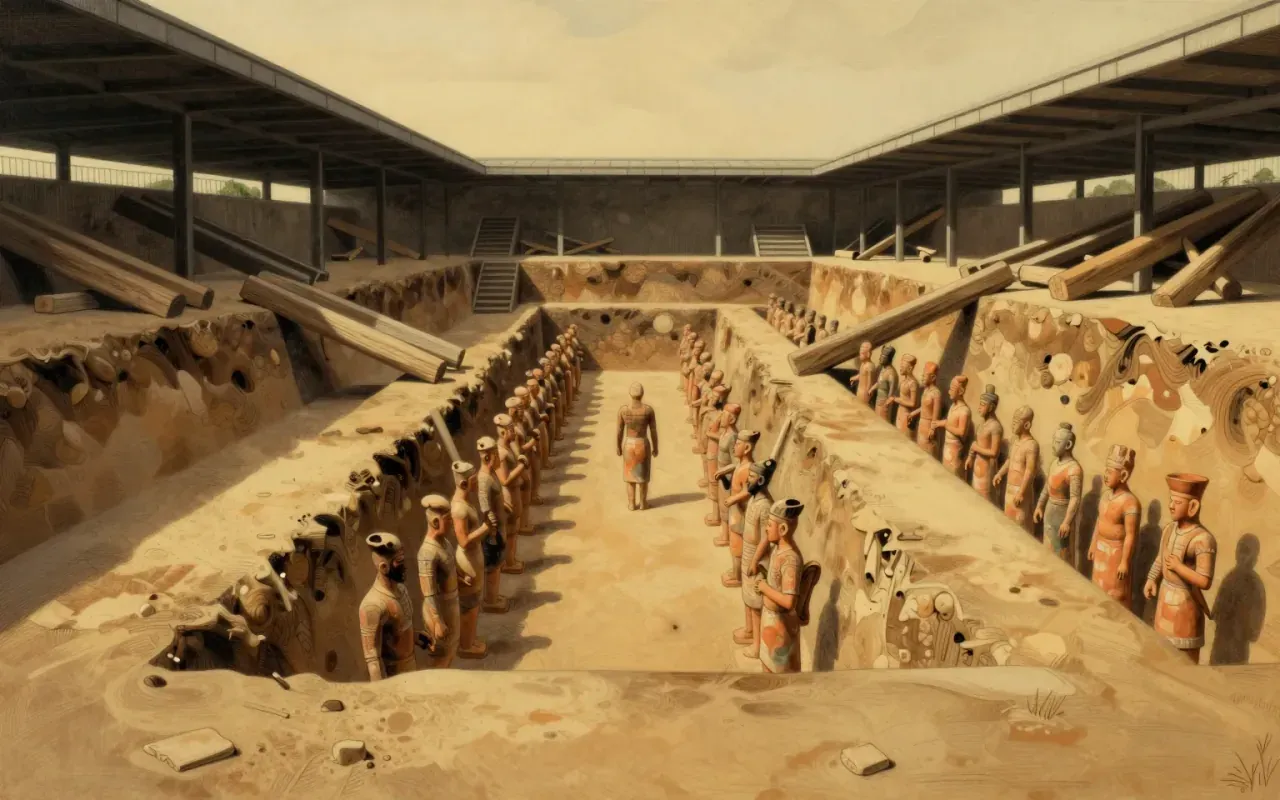
Qin Shi Huang unified China by 221 BC after conquering the six remaining Warring States, took the newly created title of emperor, and standardised the empire's writing, currency, weights and measures while organising it into centrally administered commanderies rather than hereditary fiefs, reforms whose influence Sinologist Michael Loewe has argued shaped Chinese history until 1911. He also conscripted enormous labour forces for the early Great Wall and his own vast mausoleum, discovered in part through the Terracotta Army unearthed in 1974, and died in 210 BC, probably in his forty-ninth year, while still searching for an elixir of immortality, leaving behind a reputation as a brutal tyrant that historians now trace largely to Sima Qian's history, written roughly a century later for the dynasty that had replaced his own.

13:00

Socrates

470–399 BC

Socrates spent much of his adult life questioning prominent Athenians in public rather than pursuing wealth or office, a habit that made him enemies in a small city where reputational damage carried real consequences. Tried and executed in 399 BC on charges of impiety and corrupting the young, he left no writing of his own, so everything known about him comes through Plato, Xenophon and Aristophanes, sources that genuinely contradict each other in what scholars call the Socratic problem. Historians remain divided on whether his famous claim to know nothing was sincere humility or rhetorical strategy, whether he was religiously sincere, and whether his trial reflected genuine belief or a political pretext.

13:00

Suleiman the Magnificent

1494–1566

Suleiman I ruled the Ottoman Empire from 1520 to 1566, its longest reign, extending Ottoman territory through campaigns that captured Belgrade, Rhodes and much of Hungary while twice failing to take Vienna, and commissioning architect Mimar Sinan to build hundreds of structures including the Suleymaniye mosque complex. He compiled a unified legal code drawing on nine previous sultans' judgments, earning the Ottoman title Kanuni, or Lawgiver, even as his court saw his wife Hurrem Sultan rise to unprecedented influence and his eldest surviving son, Mustafa, executed on his own order in 1553 amid succession politics.

13:00

1906 San Francisco earthquake

18 April 1906

The earthquake that struck San Francisco at 5:12 on the morning of 18 April 1906 registered somewhere between magnitude 7.7 and 8.3 and ruptured close to three hundred miles of the San Andreas Fault, but most of the city's destruction came not from the shaking itself, which is estimated to account for as little as five to twenty percent of the damage, but from the fires that followed and destroyed some twenty-five thousand buildings. Early death tolls of a few hundred left out most of the dead in Chinatown, and San Francisco's Board of Supervisors did not formally acknowledge a toll above three thousand until 2005. The disaster also drove the geologist Andrew Lawson's foundational research connecting the earthquake directly to the fault he had already identified in 1895.

13:00

2004 Indian Ocean earthquake and tsunami

26 December 2004

The magnitude 9.2 to 9.3 earthquake off Sumatra on 26 December 2004 ruptured roughly 1,600 kilometres of fault and sent tsunami waves as high as fifty-one metres near Banda Aceh across fourteen countries, killing an estimated 227,898 people in the deadliest tsunami on record. No tsunami warning system existed in the Indian Ocean at the time, since major tsunamis there had been rare since Krakatoa in 1883, so most victims had no warning despite gaps of fifteen minutes to seven hours between the quake and the waves reaching different shores. The response eventually raised over ten billion dollars, though aid officials at the time criticised both slow-moving pledges from wealthy governments and, separately, misdirected donations that left affected countries with unneeded supplies rather than what they actually required.