Ancient Greece
Ancient Greece isn’t a place or a nation — it’s the first time history became a written argument about power.
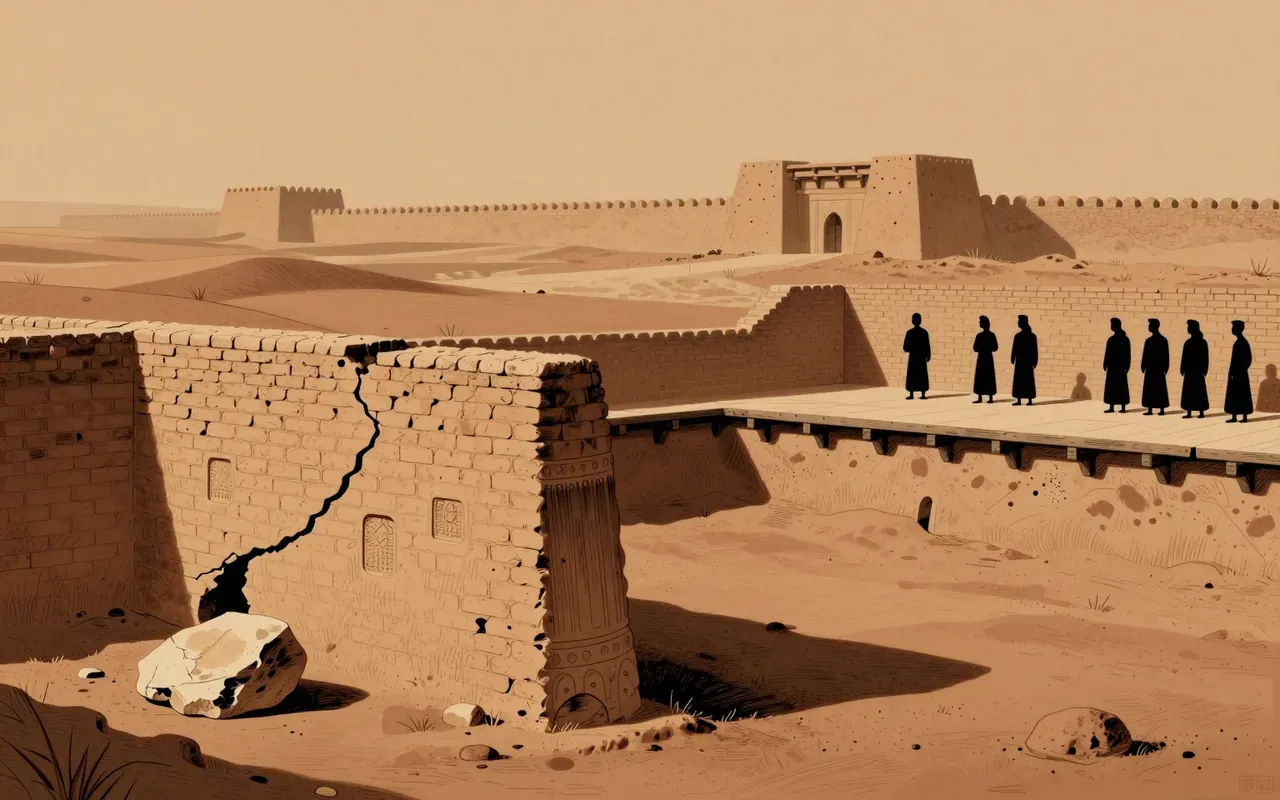
Samarkand at -800 BC is archaeologically verifiable, institutionally attested, and geographically explicable — but its ‘founding’ remains a scholarly estimate, not a recorded event.
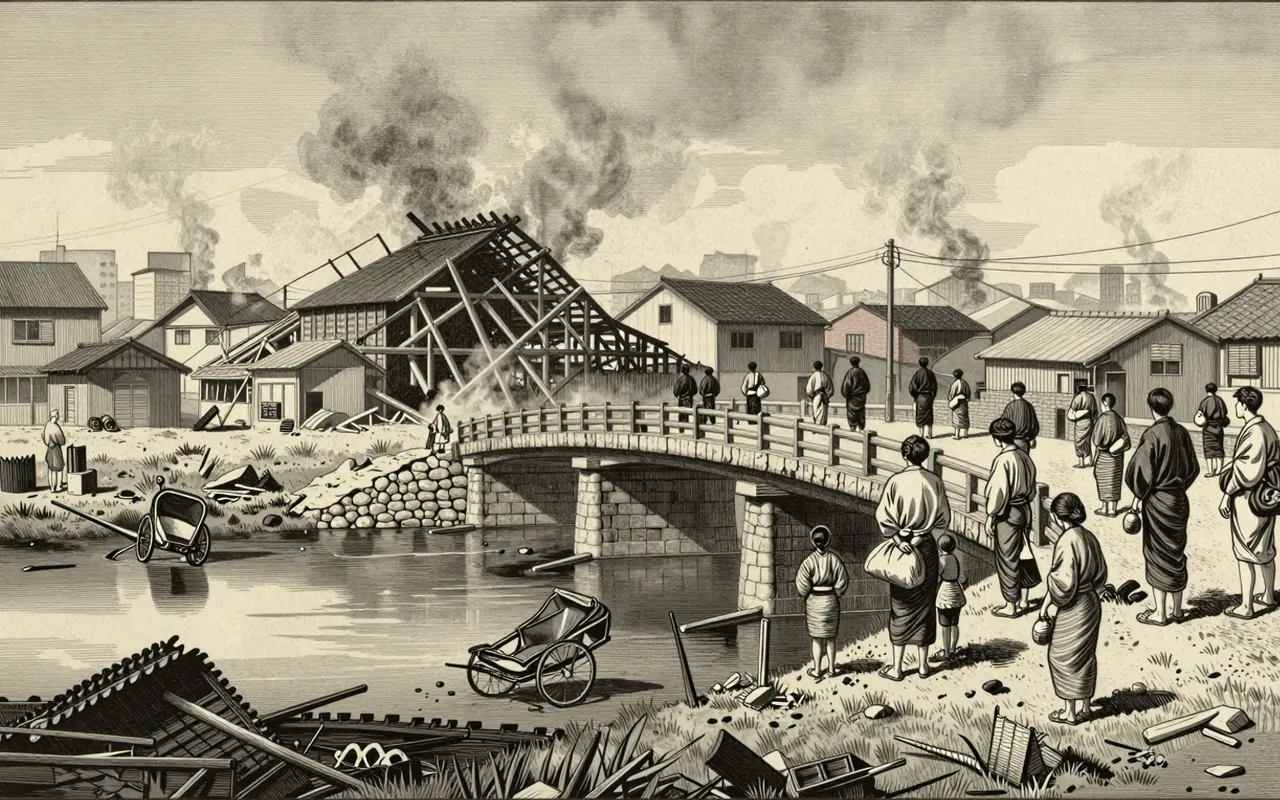
The atomic bombings of Hiroshima and Nagasaki were deliberate, authorised, and executed military operations using newly developed nuclear weapons. Their scale, method, and human impact are well-documented in the source. Their causal relationship to Japan’s surrender is asserted only as ‘precipitation’—not proof of necessity or sufficiency. No claim about motives, alternatives, or internal Japanese decision-making appears in the material.
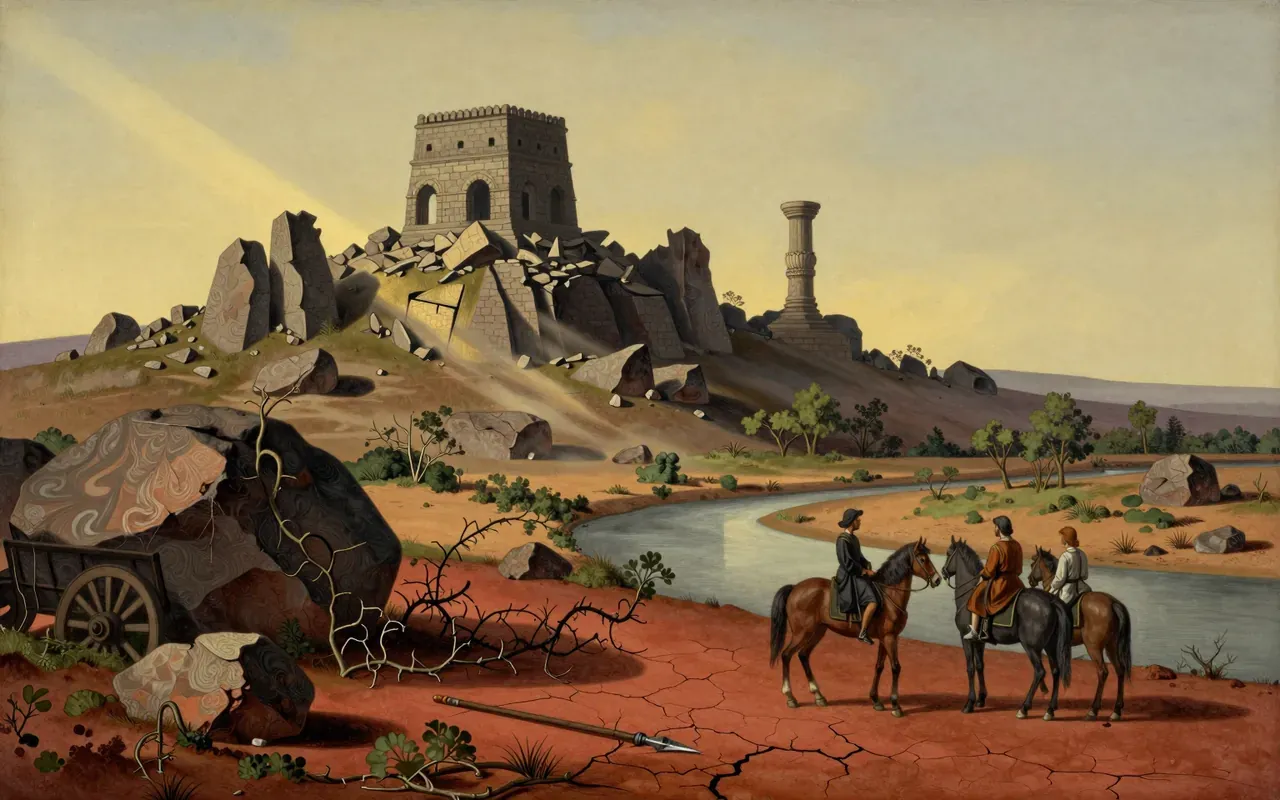
The Battle of Talikota was a decisive military defeat for Vijayanagara, caused by coalition warfare and military asymmetry — not civilizational conflict. Its legacy lies in how early-modern South Asian states negotiated power, not in mythic binaries.
A legally non-binding referendum produced a narrow Leave majority — triggering Brexit through political promise, not statute. Its authority rested on convention, not law. That gap remains unbridged.
The 2014 Russian annexation of Crimea was a coordinated military and political operation executed without formal declaration, relying on unmarked forces, coerced legislative action, and a referendum stripped of legitimacy by occupation and exclusion of the status quo. It altered Black Sea maritime claims, triggered sustained Western sanctions, and remains internationally condemned as a violation of Ukraine’s sovereignty and the UN Charter. No credible evidence supports the referendum’s fairness or voluntariness. Its legal and geopolitical consequences endure.

The Gulf War was a short, sharply bounded conflict defined by UN authorisation, phased military execution, and unprecedented media access — but the record says nothing about its aftermath, costs, or contested legacies.
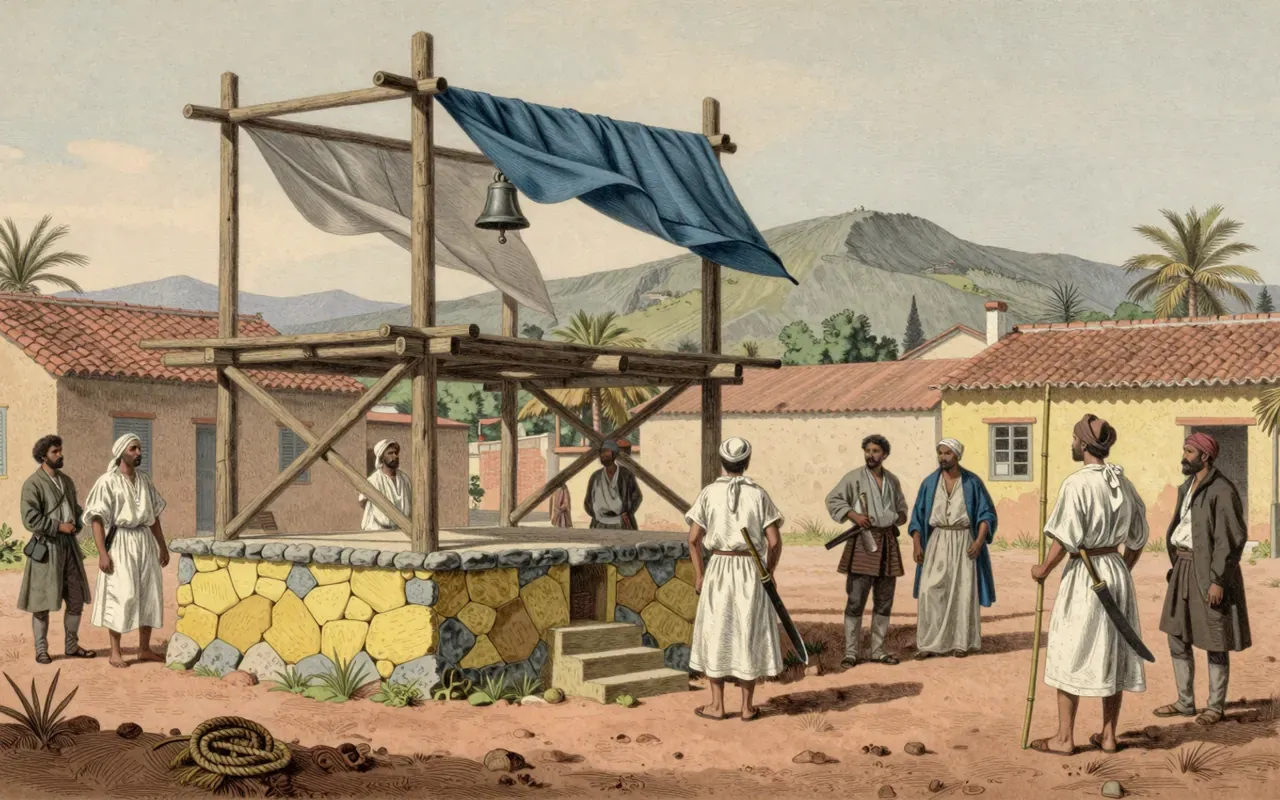
The Haitian Declaration of Independence is a foundational rupture—not in rhetoric, but in precedent. It established the first Black-led post-slavery state, yet refused the language of rights that defined other Atlantic revolutions. Its authority derived not from consent or constitution, but from military victory and collective sanction. It changed the map, but not the grammar, of sovereignty.

The 2022 Russian invasion of Ukraine was a full-scale assault launched on 24 February 2022. It failed its core objective — rapid decapitation and conquest — by April 2022. Ukraine’s resistance halted the northern advance on Kyiv. Russia retained occupation in the southeast and later unilaterally annexed four oblasts. The plan, reportedly designed for victory in ten days, exposed critical flaws in Russian military execution while revealing Ukraine’s adaptive, battle-hardened defence.
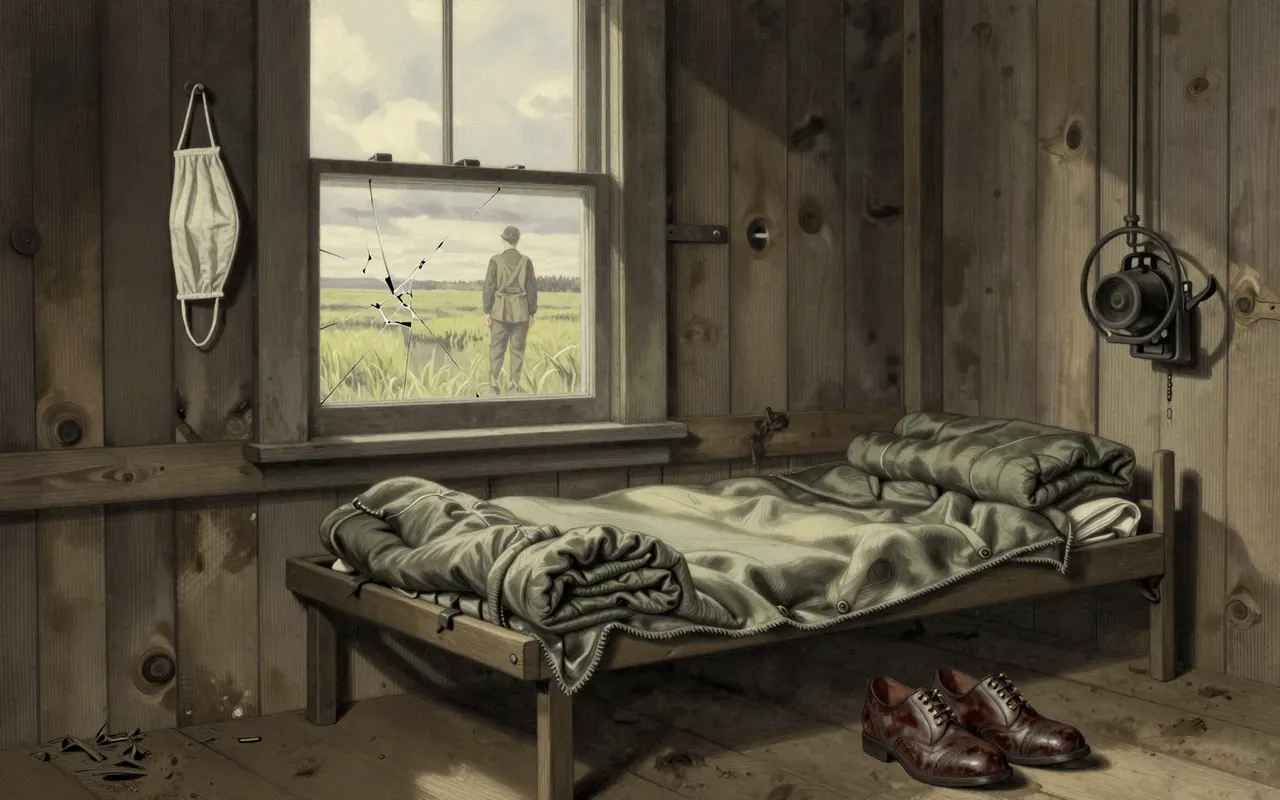
The 1918–1920 flu pandemic was caused by H1N1. Earliest documented cases were in Haskell County, Kansas, in March 1918. It infected ~500 million people. Death estimates range from 17 million to 100 million. Wartime censorship created the false impression that Spain was the origin. Its unusually high mortality among young adults likely resulted from immune overreaction compounded by war-induced malnourishment and overcrowding. Geographic origin remains indeterminate.
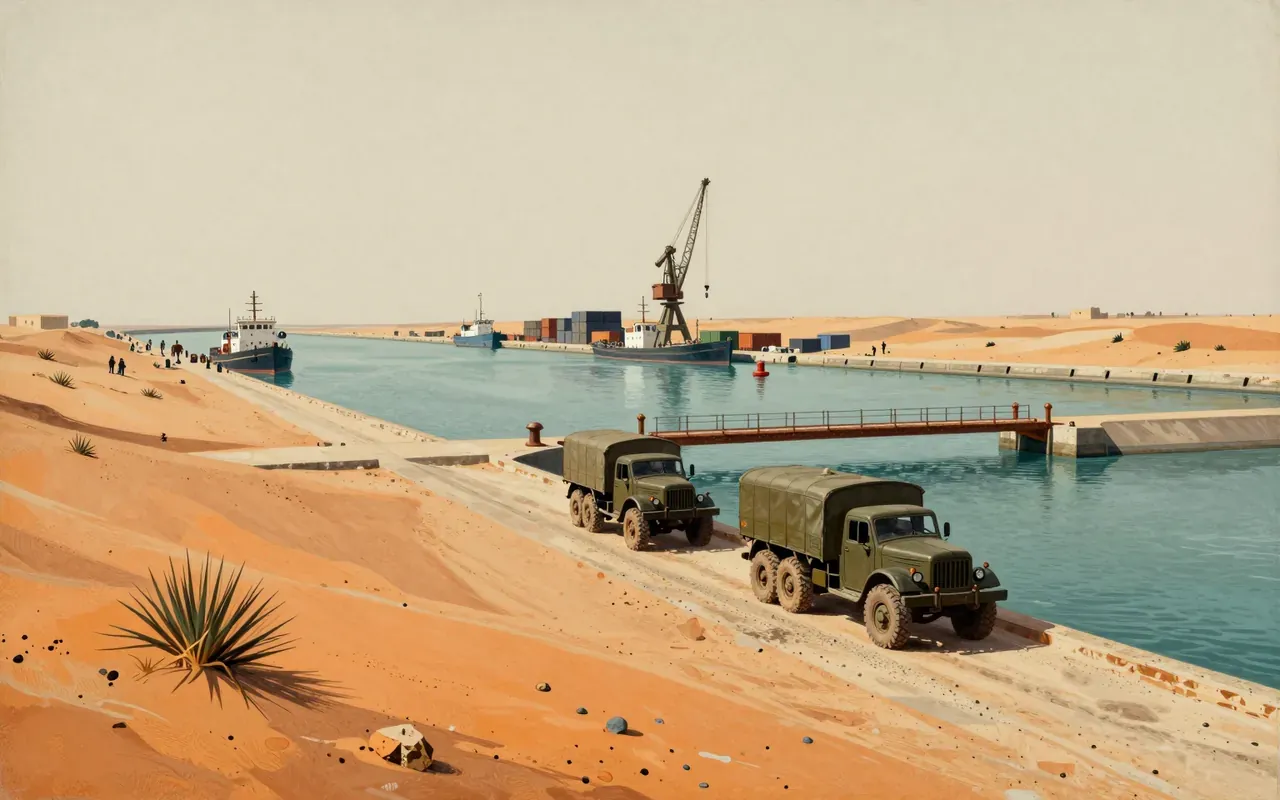
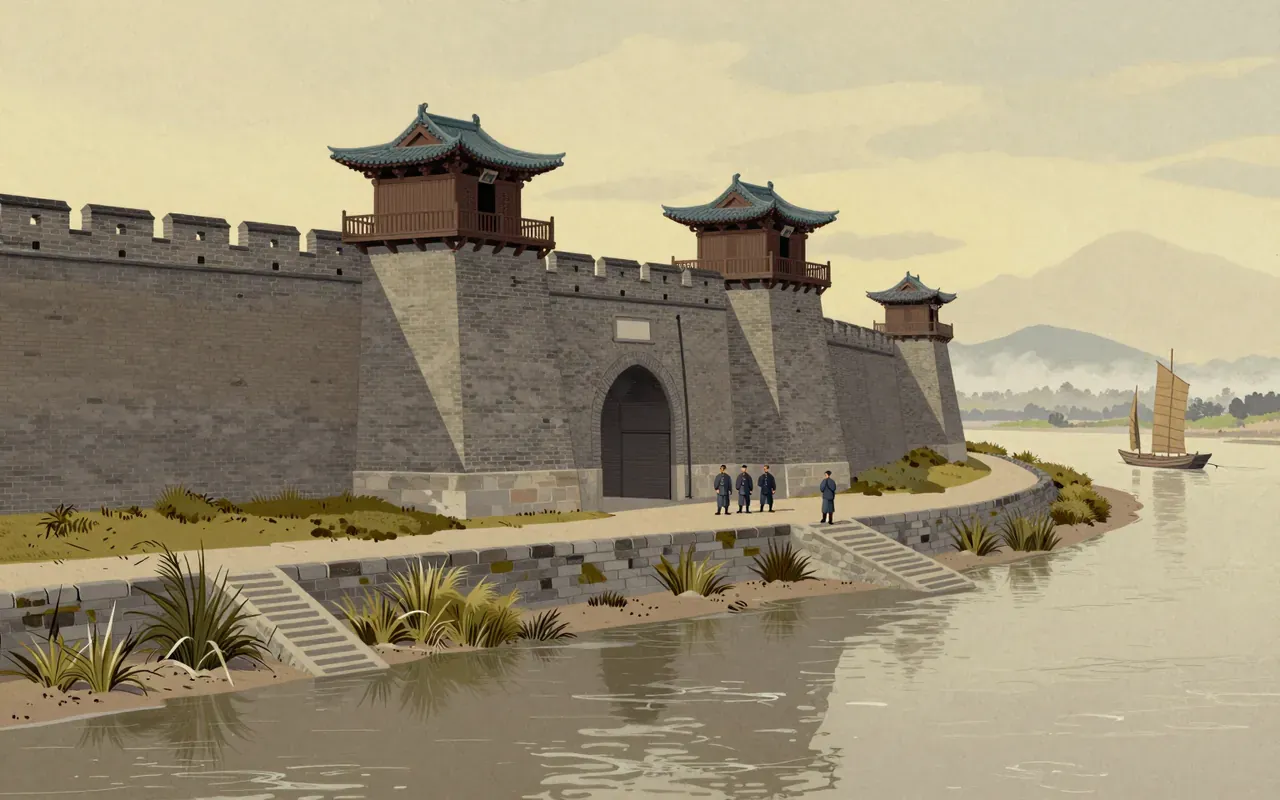
The 1911 Revolution ended the Qing dynasty and founded the Republic of China. Its success rested on military defection, not mass mobilisation. Its institutions collapsed because they lacked independent authority — Yuan Shikai controlled the army, not the constitution. It changed the form of rule but not the distribution of power.
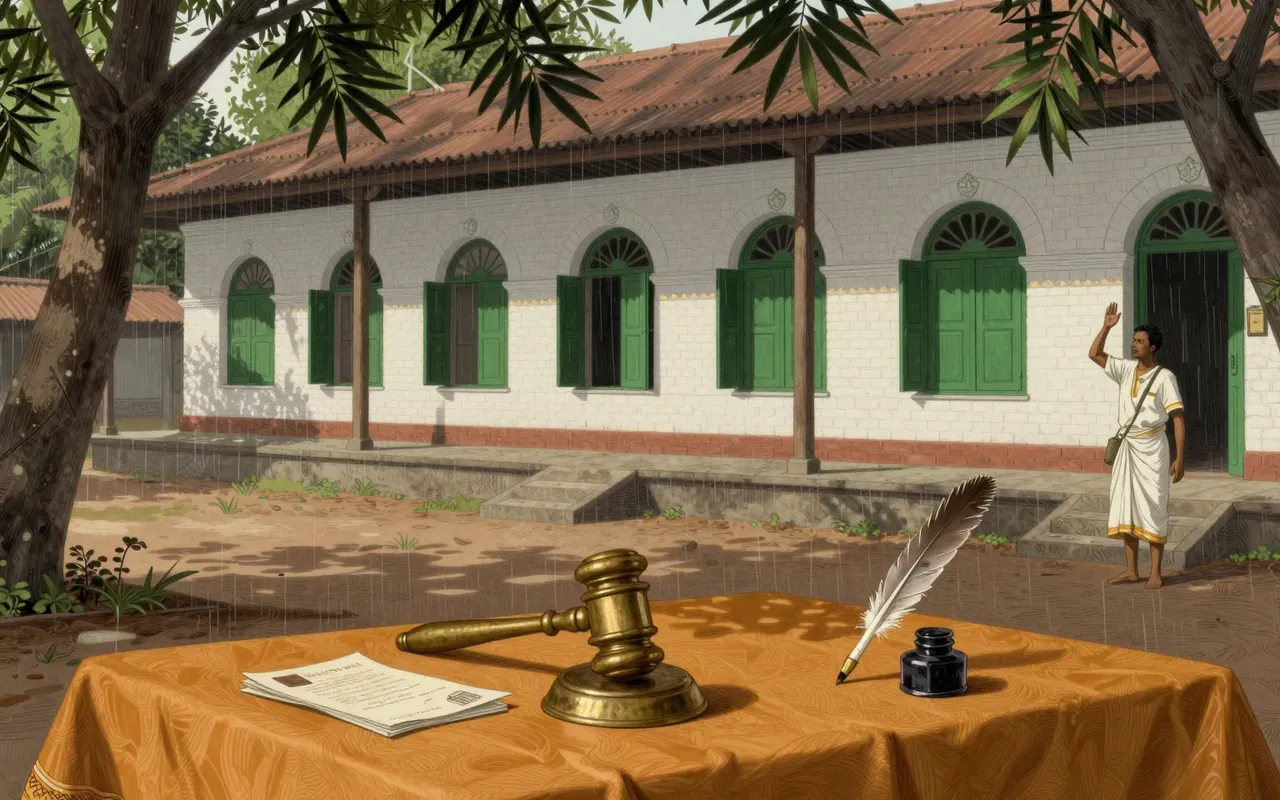
Keshub Chandra Sen was a doctrinal entrepreneur who built institutions and doctrines in rapid succession—school, association, sect, creed—each anchored in a documented act or statement. His work shows no mass following, no legislative effect, and no settled interpretation. What remains is a sequence of deliberate, dated interventions in Bengal’s religious and civic life.
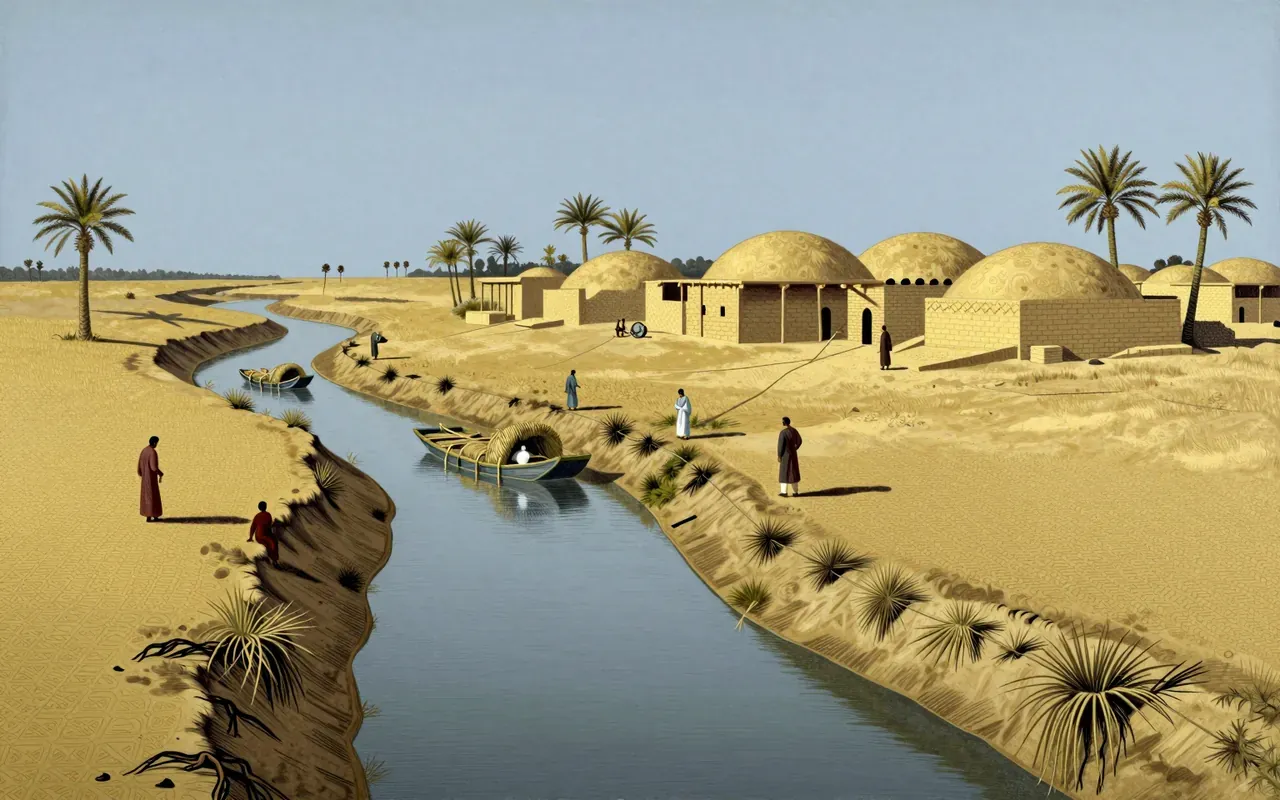
Baghdad’s founding in 762 was a decisive, documented act of imperial design — not evolution, not accident. It created a new kind of capital: planned, symbolic, and engineered for intellectual and administrative dominance. Its scale, longevity and influence are verifiable. Its motives and internal politics are not.

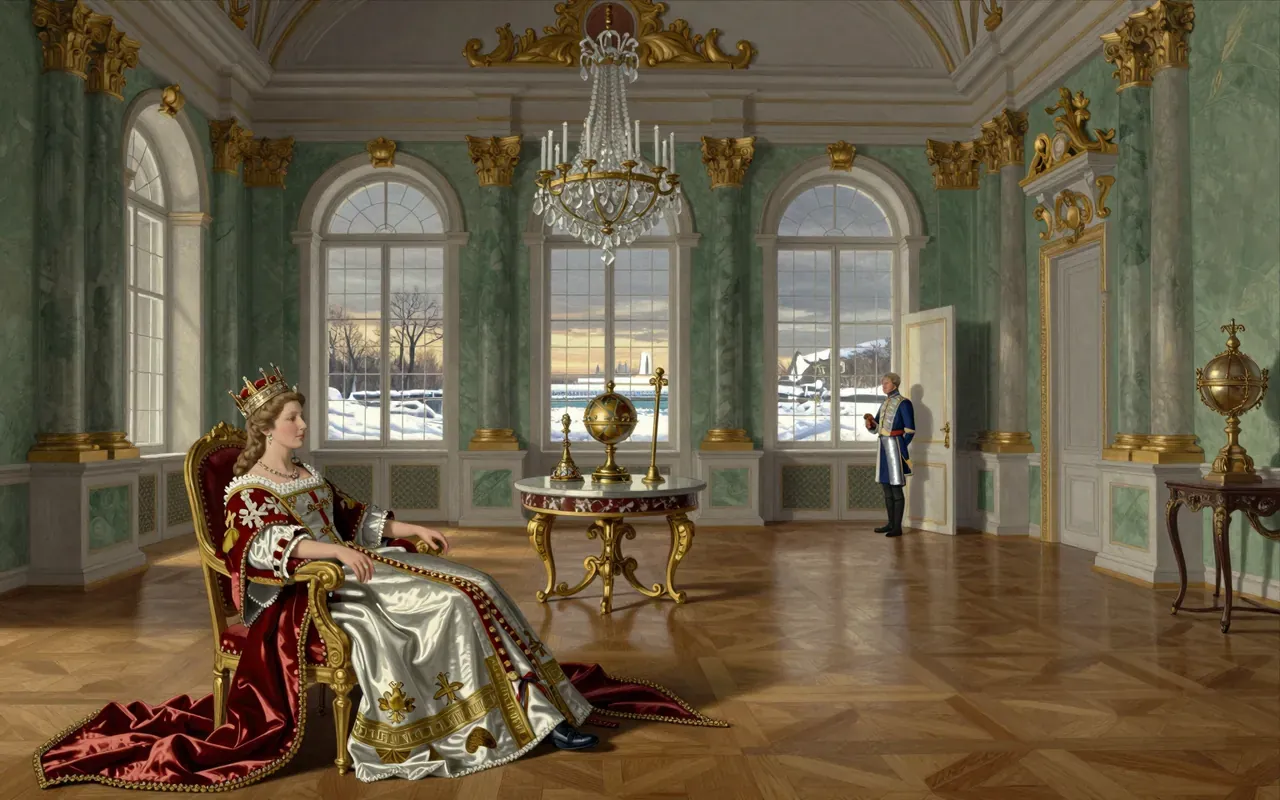
Catherine the Great’s reign was defined by method, not motive: coup, favouritism, military appointment, and diplomatic intervention produced imperial expansion and cultural renaissance — and elevated Russia to great-power status — without requiring Enlightenment ideals to be operationalised in governance.
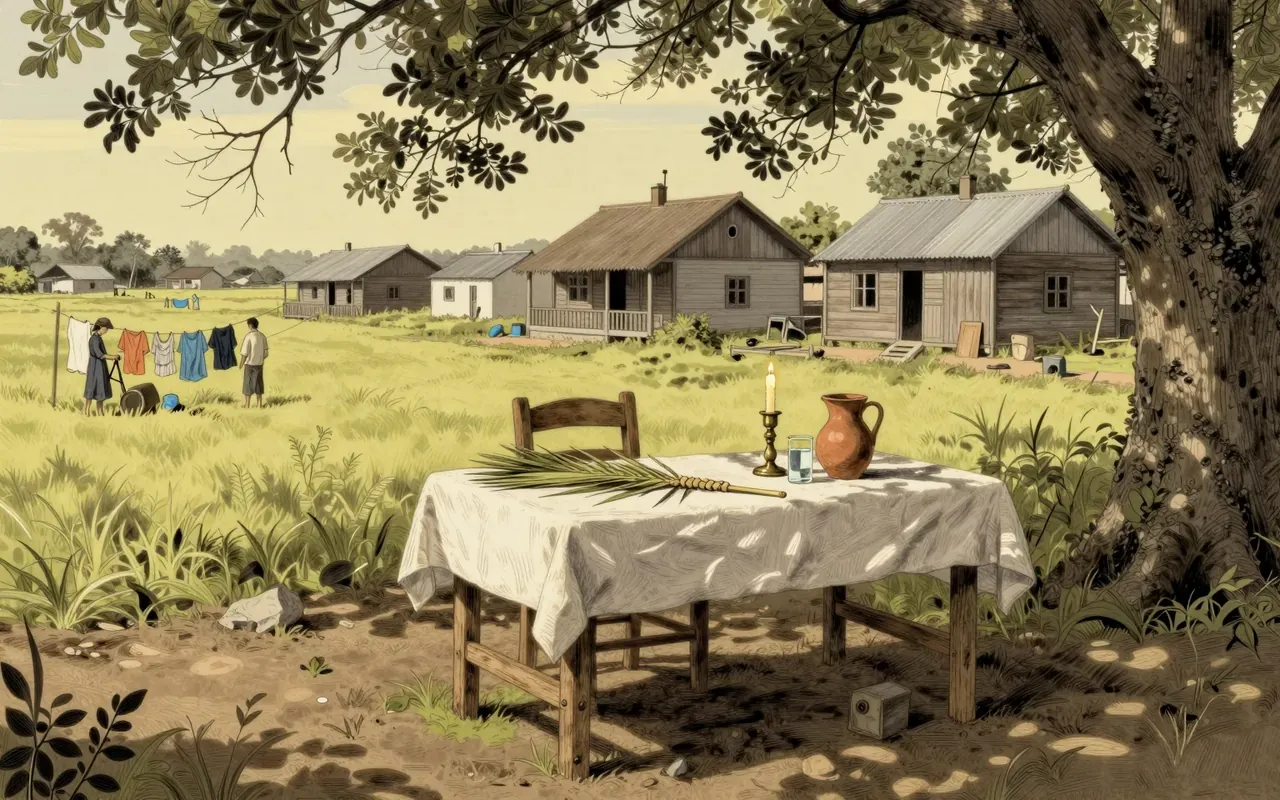
Cesar Chavez co-founded the National Farm Workers Association in Delano, California in 1962. He launched an insurance scheme, credit union, and El Malcriado newspaper. He led the Delano grape strike from 1965 to 1970. His NFWA merged with Larry Itliong’s Agricultural Workers Organizing Committee in 1967 to form the United Farm Workers. He used nonviolent resistance — picketing, boycotting, public processions, Masses, and fasts — inspired by Gandhi and infused with Catholic symbolism. In the early 1970s, he opened UFW branches outside California.
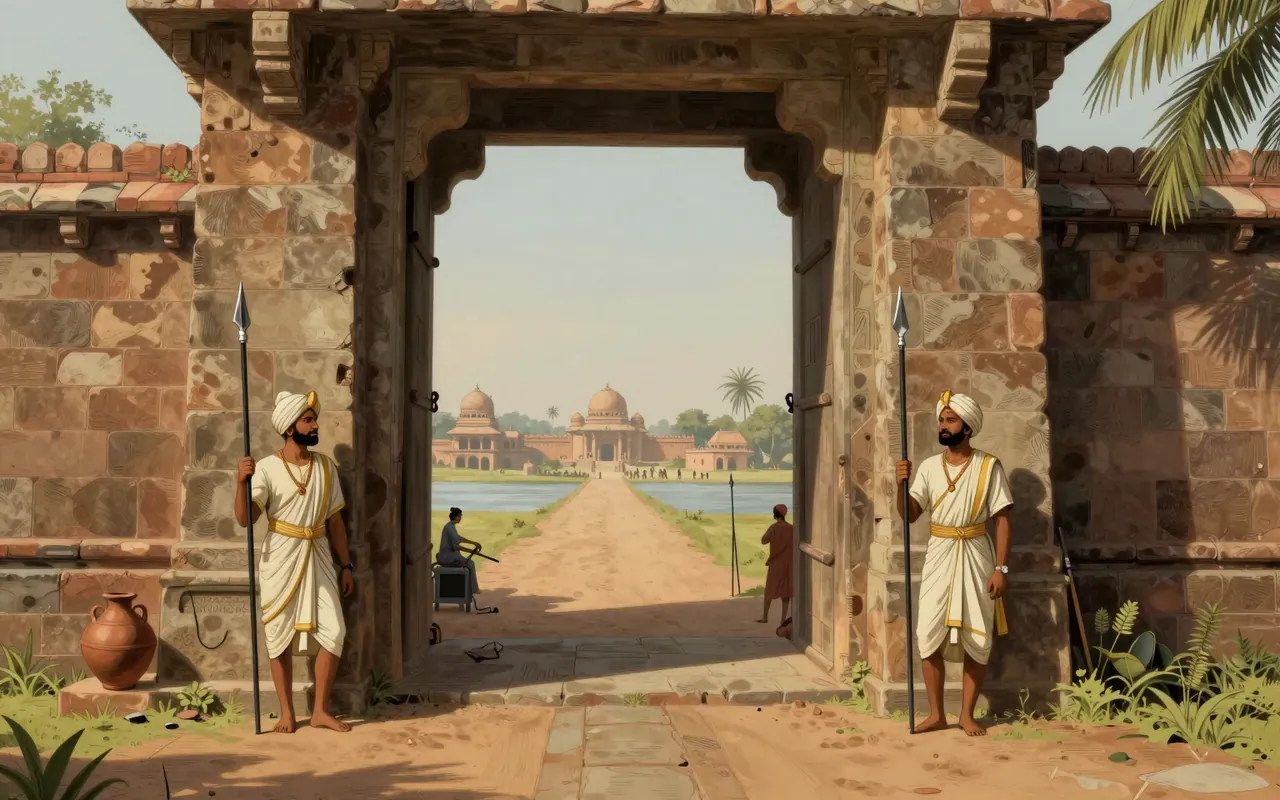


Clara Barton’s documented life establishes a direct line from childhood caregiving to wartime triage to institutional foundation — all without formal credentials, and all before women held civic power. The record shows method, scale and timing — but nothing about dissent, implementation, or impact beyond founding.

1722 is the hinge — not between isolation and connection, but between self-determined time and imposed chronology. Roggeveen did not find a blank slate. He sighted a society that had already shaped its landscape, language, and cosmology over centuries — and whose moai predated his arrival by up to 600 years. The event changed nothing on the island that day. But it guaranteed that everything after would be measured against European time.

Eleanor Roosevelt redefined the first lady’s role through sustained public engagement, media innovation, and advocacy — including leading the drafting and adoption of the Universal Declaration of Human Rights. Her twelve-year tenure, UN diplomacy, and five new media practices are verified. Arthurdale is explicitly labelled a failure. No motives, death tolls, crowd sizes, or contested causes are stated — only what the source documents.


Ferdinand de Lesseps built the Suez Canal — a sea-level maritime link between the Mediterranean and Red Seas — opening it in 1869 after beginning construction at Port Said in 1859. He raised over half its capital via French public subscriptions. In the 1880s, he repeated the model for Panama: a sea-level canal approved by a 1879 Paris congress. But tropical disease, technical challenges and financial collapse led to bankruptcy in December 1888. The record establishes these events, methods and outcomes — but says nothing about motives, dissent, or wider consequences.




Hangzhou is a record of governance as iterative repair — not a story of rise and fall, but of wall, lake, capital, fire, and algorithm, each layer responding to a documented crisis.
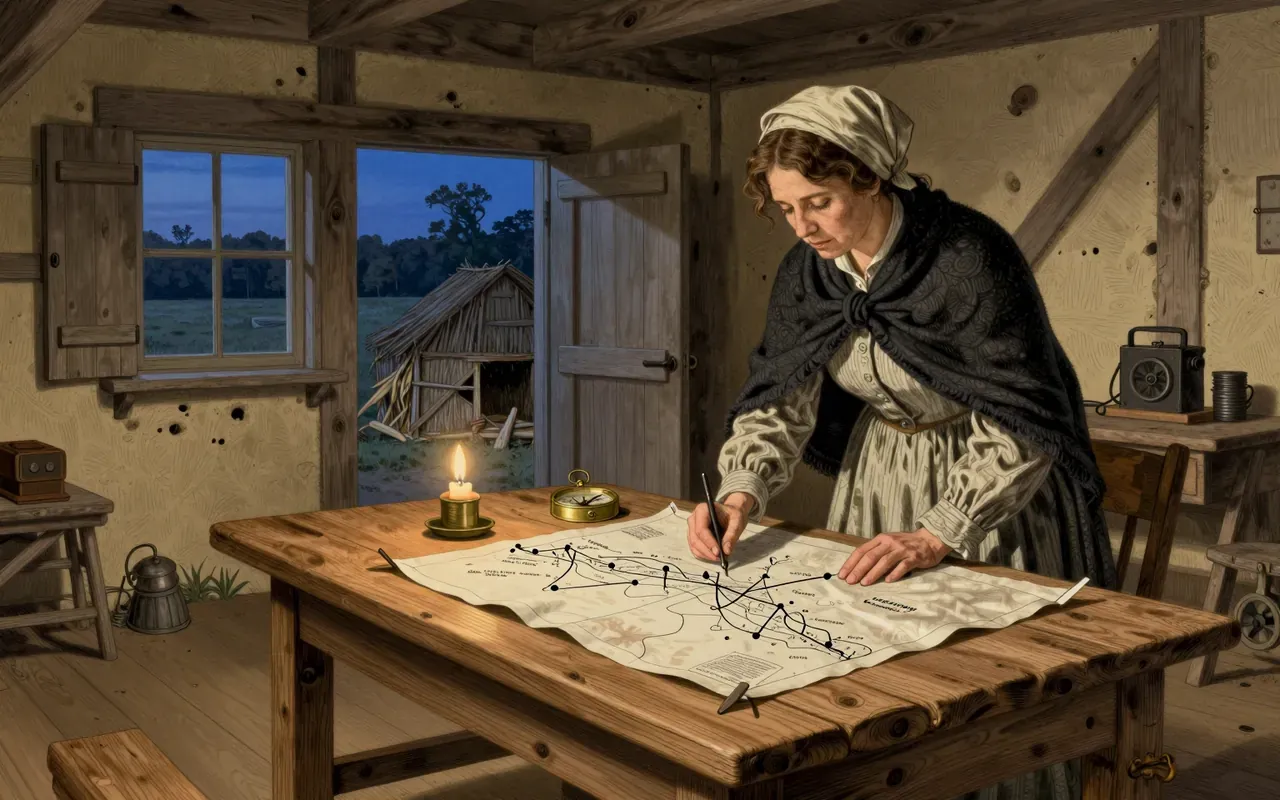
Harriet Tubman’s documented actions redefine what was possible for an enslaved woman in 19th-century America — not through myth or retrospective praise, but through three verifiable, high-stakes operations: 13 rescues, armed intelligence work, and a 700-person military liberation.

A tightly sourced, action-focused account of Ho Chi Minh’s documented political output — no speculation, no omission of violence, no celebration without evidence.
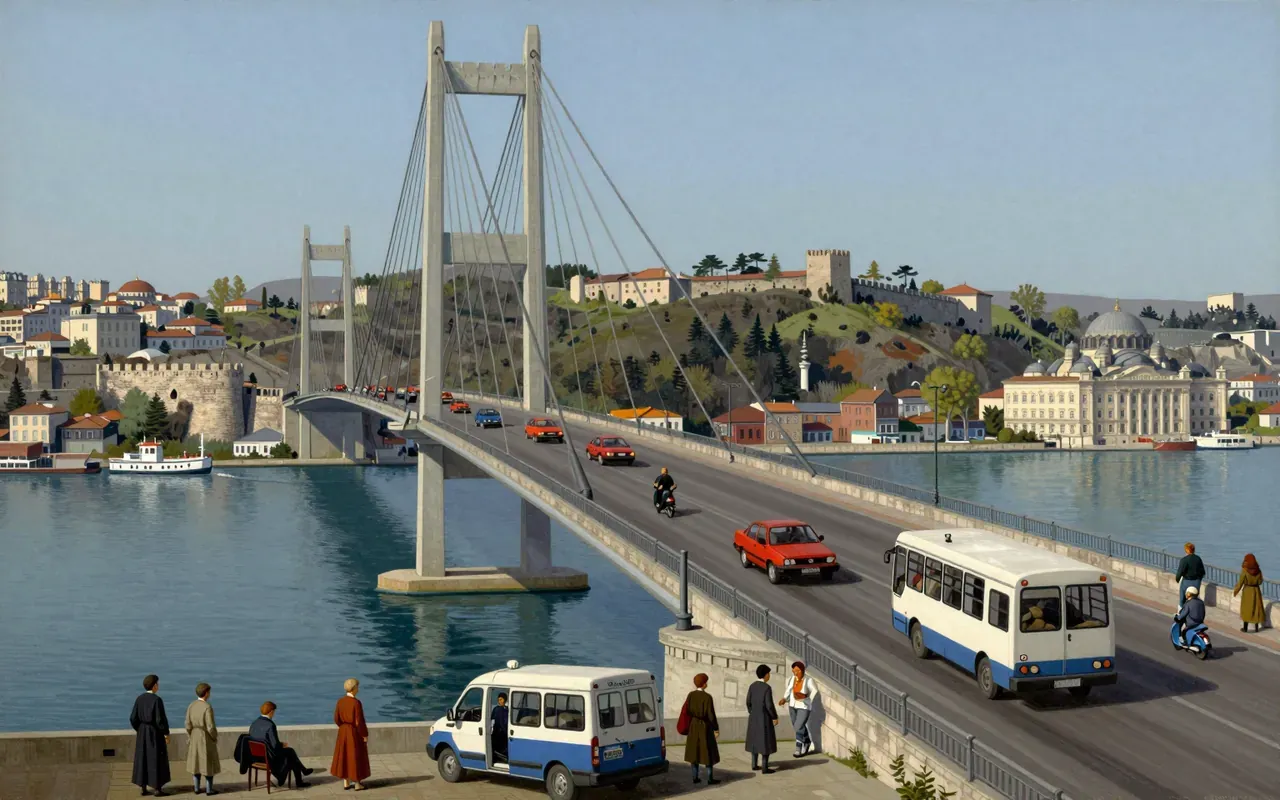
This brief treats only what the sources verify: Istanbul’s 20th-century political reconstitution. The year 1453 appears only as a footnote in a song lyric—cited solely to date the composition of 'Istanbul (Not Constantinople)', not to assert historical causation. No claim connects 1453 to the city’s modern governance, demography, infrastructure, or naming. To centre 1453 would be to ignore the evidence.

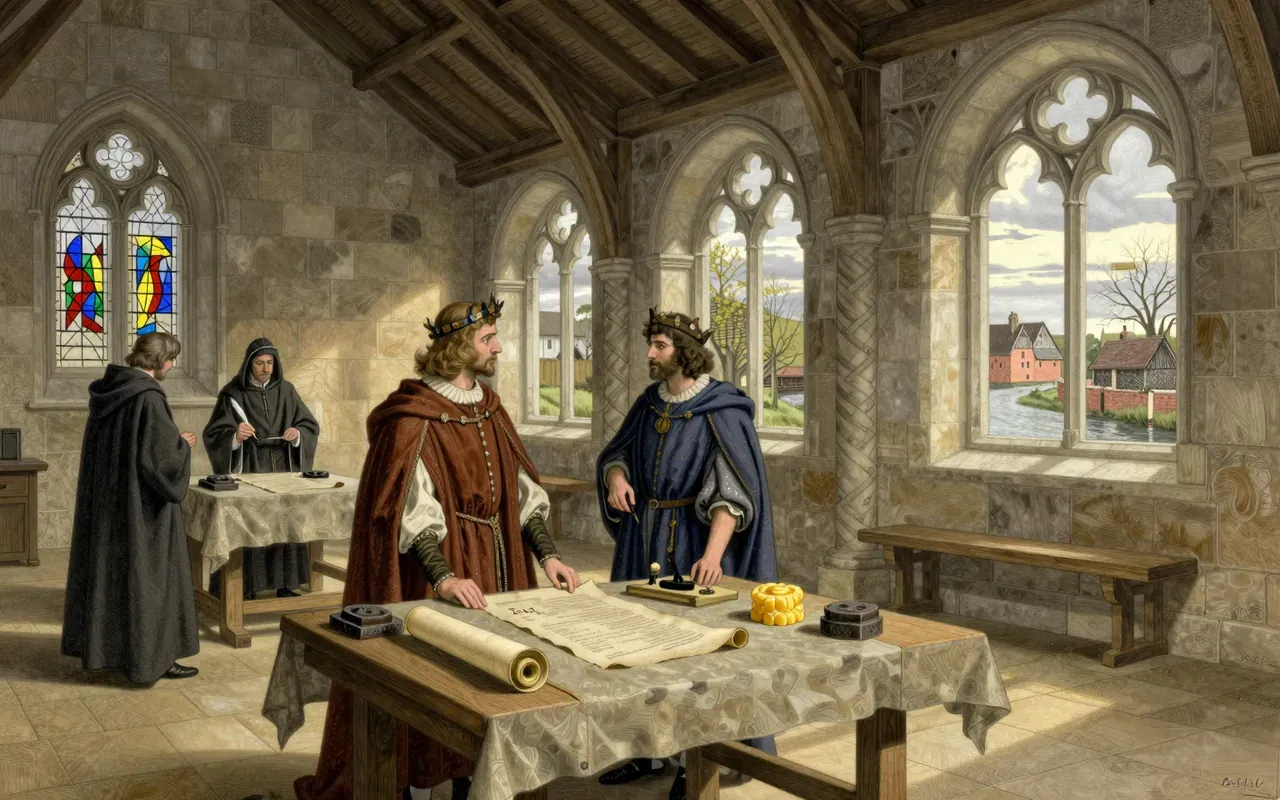
John’s reign is the hinge between Angevin transnational rule and English constitutional monarchy — but only because the record shows it collapsed under its own weight, not because John was uniquely flawed.

Maria Theresa’s accession in 1740 exposed the hollowness of diplomatic guarantees divorced from military and fiscal reality. Her survival depended not on inherited legitimacy but on real-time negotiation — especially with Hungary — and decades of reform that entrenched central control while excluding dissenters. It changed who ruled, how the state functioned, and what territory it held — but not its foundational inequalities.
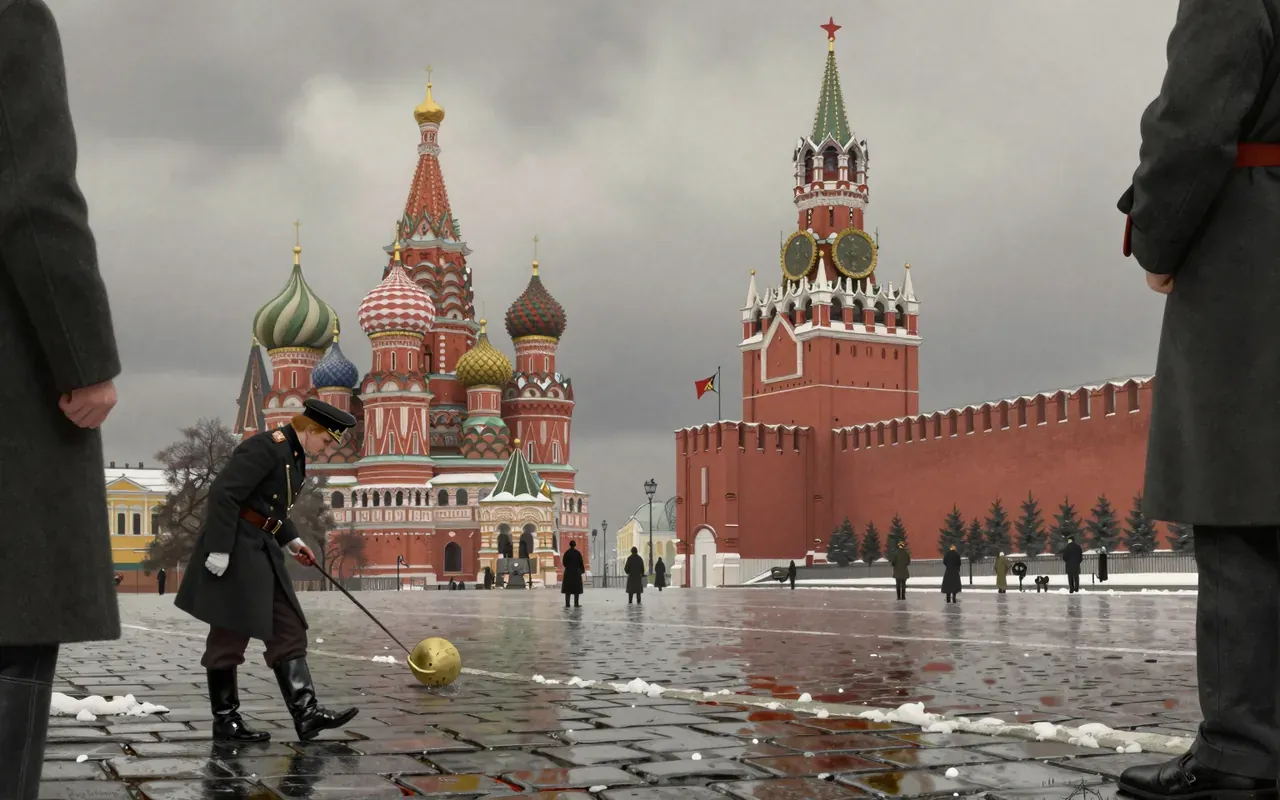
Gorbachev’s leadership was defined by deliberate, irreversible institutional concessions — not negotiation. His policies had no exit ramp. The record shows he did not foresee dissolution. It does not show he welcomed it.
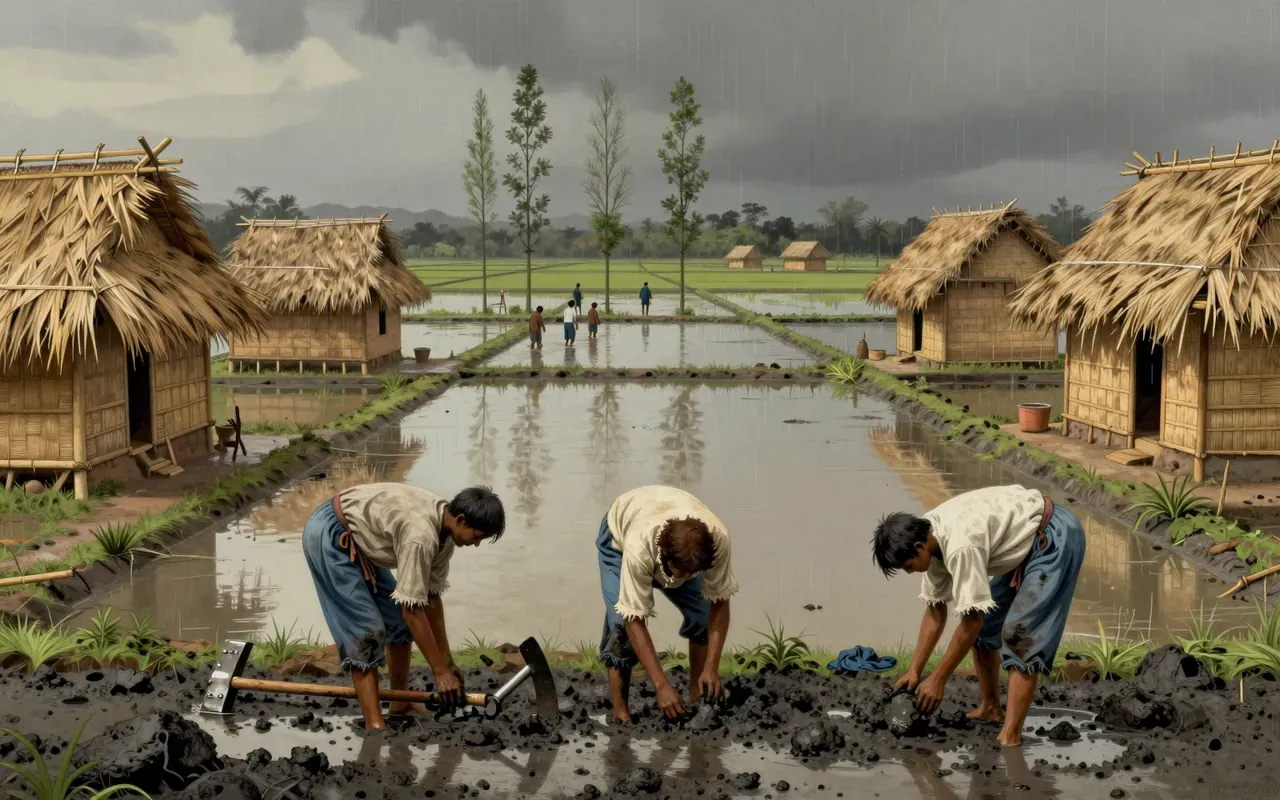
Pol Pot’s rule was a deliberate, ideologically driven dismantling of Cambodian society — not a chaotic collapse. Its end came via foreign invasion, not internal reform. The scale and method of killing remain documented, but the motives behind key decisions do not.
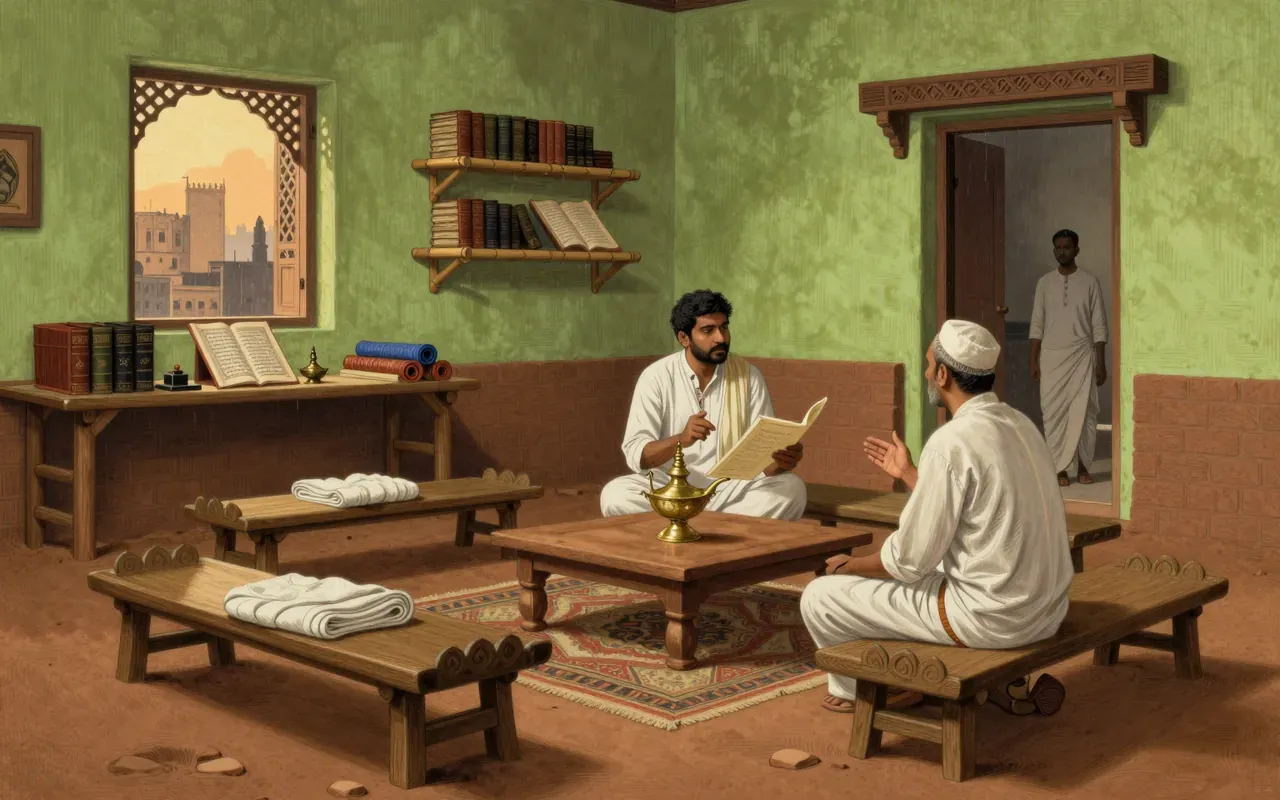


Sojourner Truth’s documented actions — legal, rhetorical, organisational, and bodily — show a consistent pattern of using available institutions to assert Black women’s personhood and agency. The record confirms specific victories and methods, but not their systemic outcomes or contested reception.

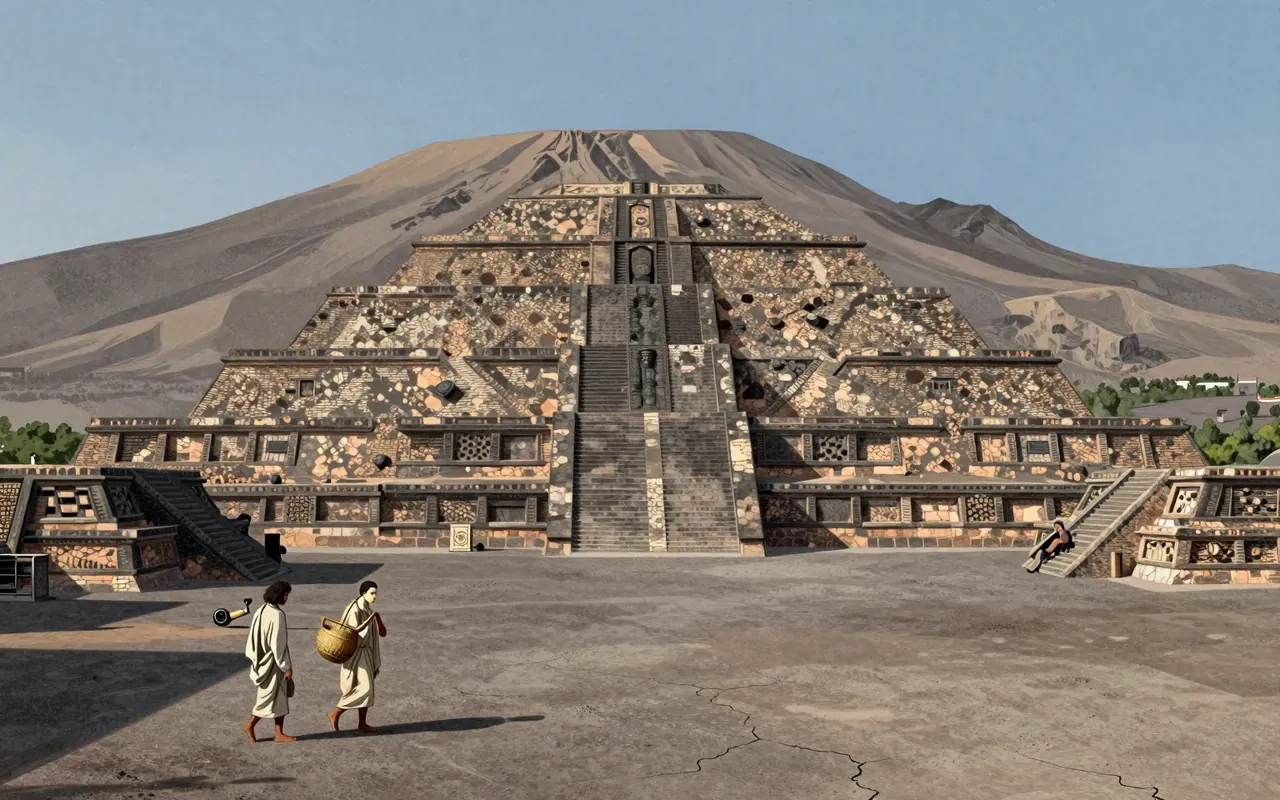
Teotihuacan was the largest city in the Americas before 500 CE. Its monuments were built over 350 years. Its central structures were burned around 550 CE. It housed ~100,000 people — 80–90% of the Valley of Mexico’s population. It ended between the 7th and 8th centuries CE. We know none of its rulers’ names. We do not know why it burned. We do not know what its people called it.

The 1931 China floods were a meteorologically driven, multi-phase disaster spanning June–August 1931 across China — especially Wuhan and Nanjing — culminating in a dike breach at Lake Gaoyou on 25 August. Verified evidence includes hydrological extremes (record water levels, nine cyclones in July, >600 mm rainfall), systematic fatality estimation (University of Nanking survey, official reports), institutional responses (National Flood Relief Commission, League of Nations, Lindbergh aerial survey), and disease outcomes (31,974 cholera deaths in 1932). Disputed claims include total death tolls: Buck’s survey estimated 150,000 drowned — less than a quarter of all fatalities in the first 100 days — while an official report claimed 140,000 drowned and 2 million dead from drowning or starvation. No source reconciles these figures with the verified cholera toll or provides demographic corroboration. The event exposed limits of Kuomintang governance and flood-control infrastructure but did not trigger structural reform.
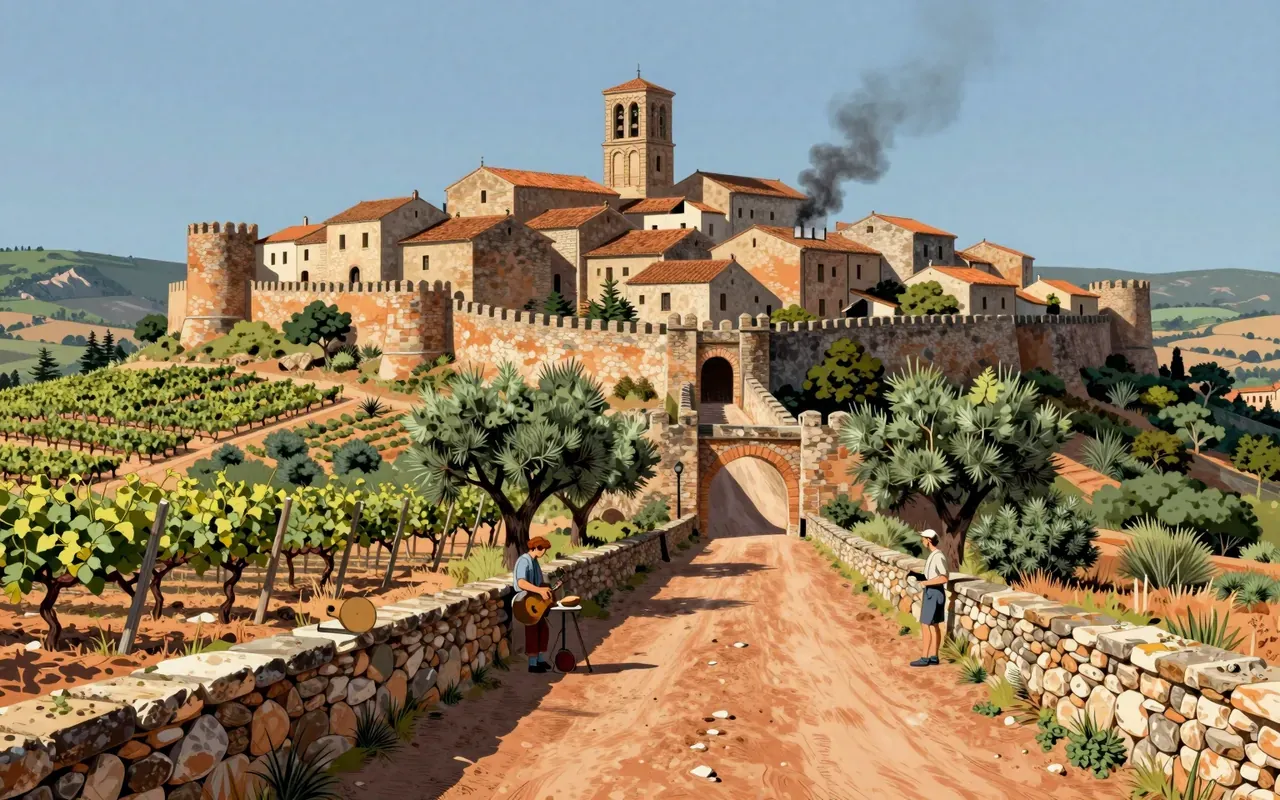
The Albigensian Crusade was a 1209–1229 papally initiated, French royally executed campaign against Catharism in Languedoc. It succeeded militarily in phases, realigned Toulouse with the French crown, diminished regional culture, and aided the institutional rise of the Dominicans and Inquisition. Its record is coherent but narrow: no dissent, no numbers, no motives beyond those stated.
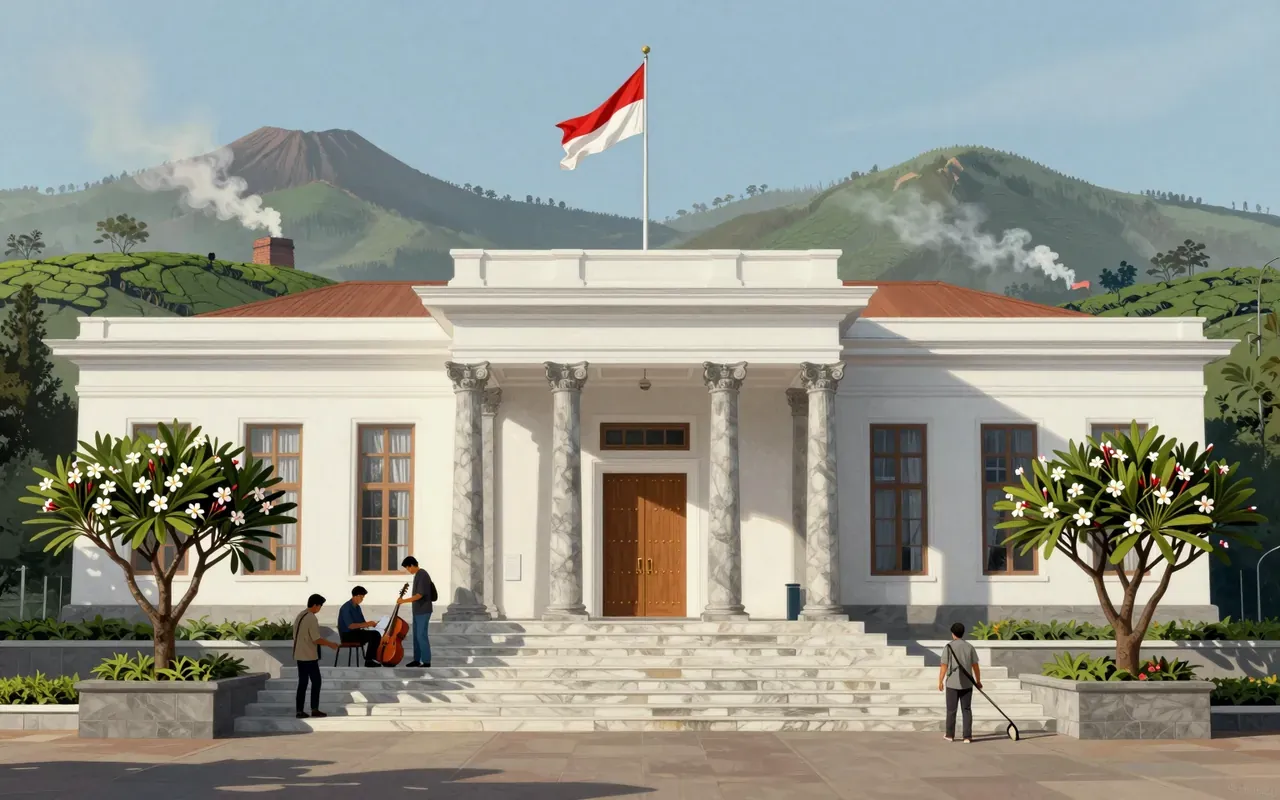
The Bandung Conference was the first large-scale diplomatic gathering of newly independent Asian and African states. It produced a unanimous 10-point declaration condemning colonialism in all forms, affirming peaceful coexistence, and committing to mutual technical and economic cooperation. Twenty-nine countries participated — representing 54% of the world’s population. Organised by Indonesia, Burma, India, Ceylon, and Pakistan, it asserted a collective voice outside Cold War binaries and laid groundwork for later South–South cooperation frameworks.
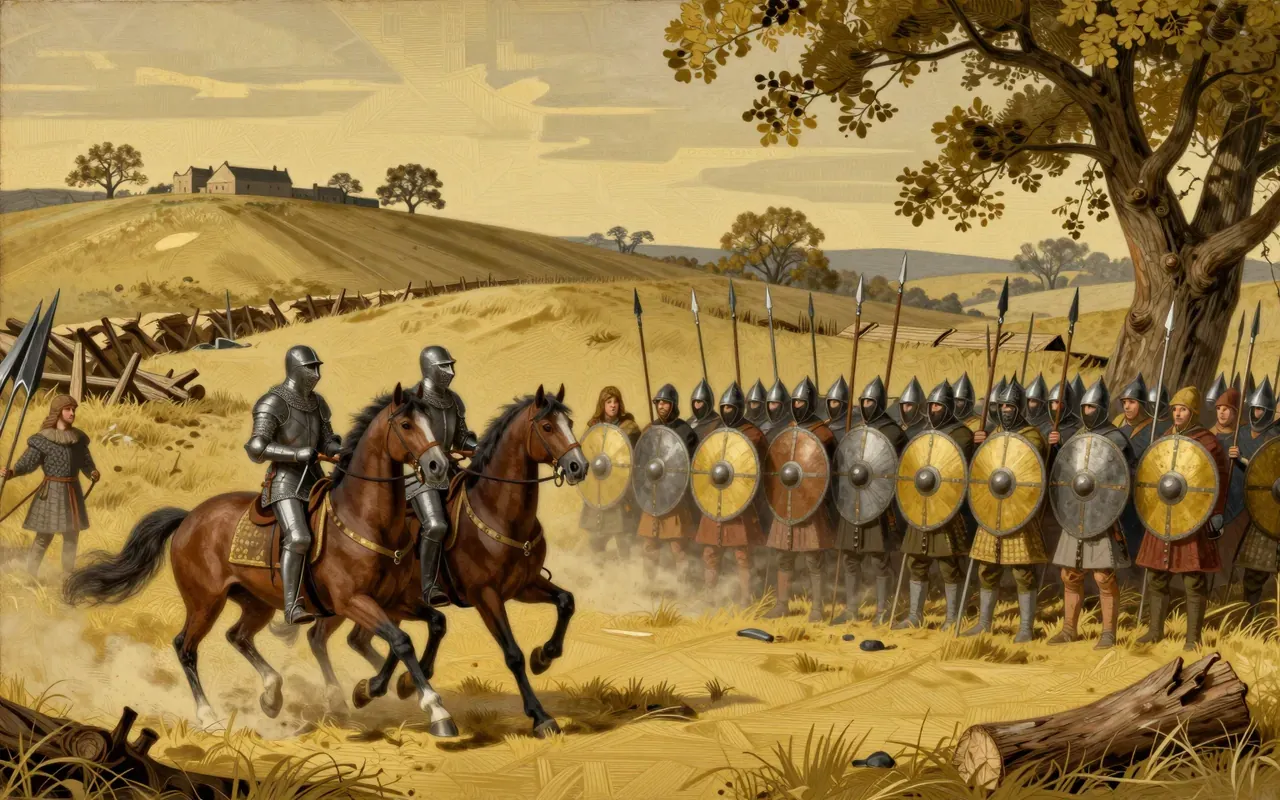
The Battle of Hastings was not a turning point because of prophecy or heroism — it was won by deliberate, repeatable tactics applied against a rigid formation. Its consequences were immediate, systematic, and legible in documents within twenty years. No other English battle so directly remade the state’s personnel, language, law, and landholding in a single generation.
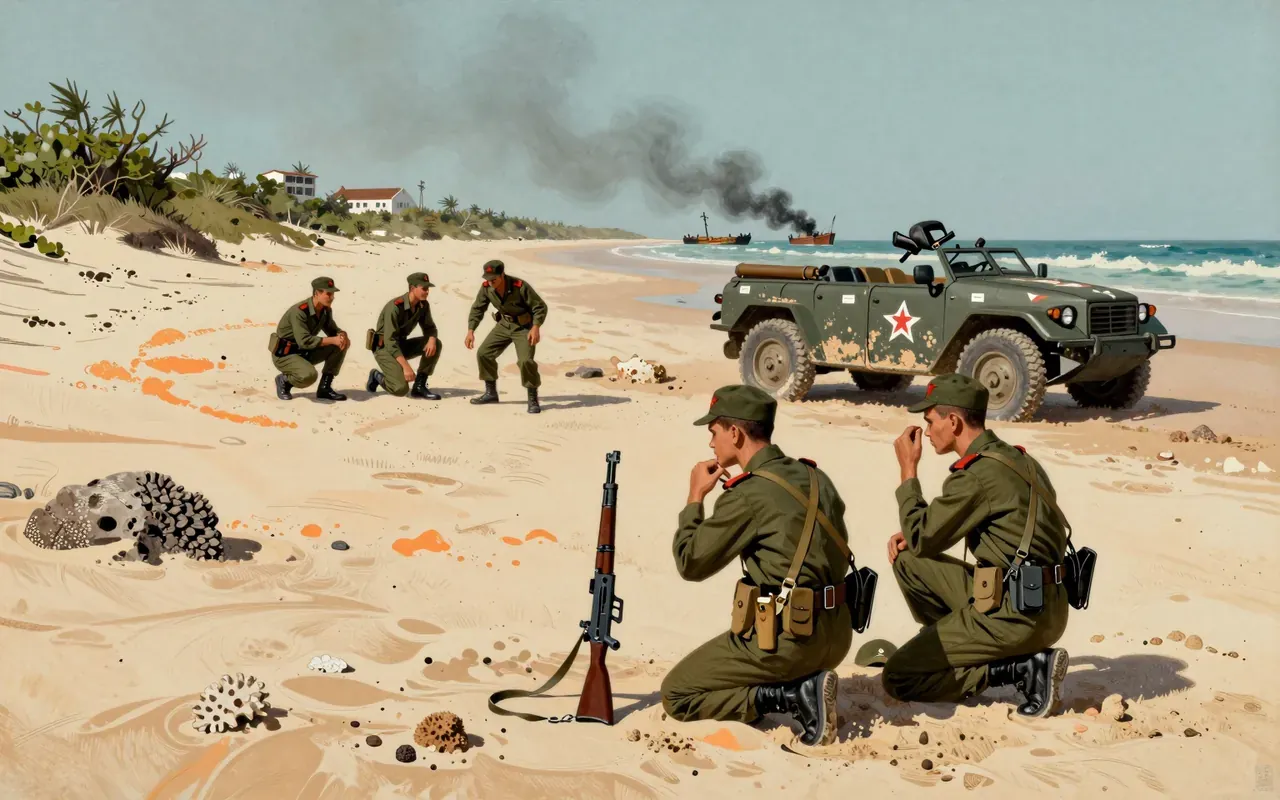
The Bay of Pigs Invasion was a U.S.-backed military operation conducted by over 1,400 Cuban exiles against Fidel Castro's government in April 1961. It began with airstrikes on Cuban airfields on 15 April, followed by the main amphibious landing at Playa Girón on 17 April. Initial success against local militia was reversed when U.S. President John F. Kennedy withheld promised air support, leaving the invaders critically under-resourced. The Cuban Revolutionary Armed Forces defeated the force within three days; it surrendered on 20 April. Most survivors were imprisoned, interrogated, and tried. The operation occurred at the height of the Cold War and marked a major U.S. foreign policy failure.
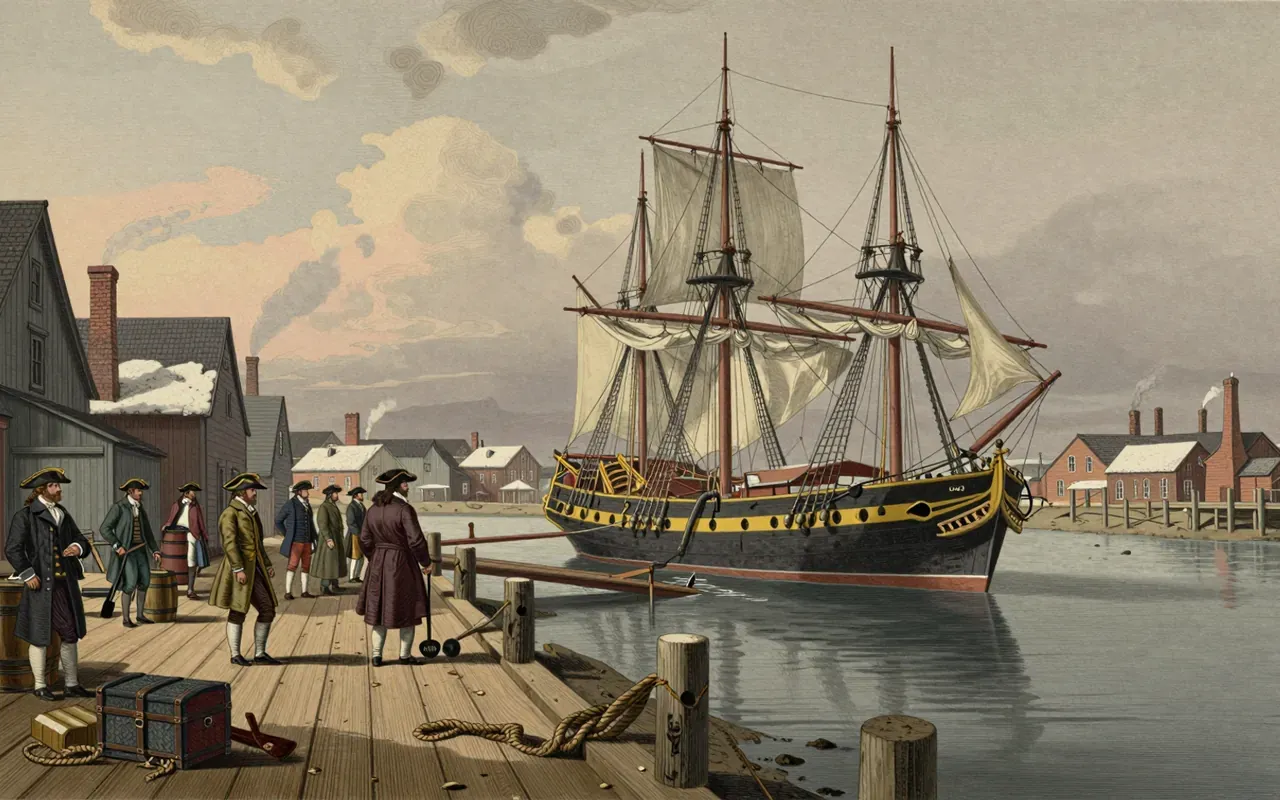
The Boston Tea Party was a deliberate, lawful-looking violation of imperial authority—staged to expose contradiction, not conceal intent. It succeeded in provoking exactly the response its organisers anticipated: punitive overreach that alienated moderates and united colonies. Its legacy is procedural, not patriotic.

The Carrington Event is the only historical episode with contemporaneous, instrumented, and visual evidence tying solar activity directly to terrestrial electromagnetic disruption. It did not prove the solar–terrestrial link — that came later — but it forced astronomers to take it seriously. Its intensity remains unmatched. Its mechanism — a double-CME sequence — is plausible but not confirmed. It changed nothing in 1859 beyond prompting suspicion. Today, it anchors worst-case planning for grid failure — yet no modern system has been tested against anything like it.

A 2013 TV movie dramatises Richard Feynman’s investigation into the 1986 Challenger explosion. It establishes cold-temperature-induced O-ring failure as the cause, shows Feynman discovering he has cancer mid-inquiry, and highlights institutional resistance—but offers no evidence of what changed afterward, no contested interpretations, and no insight into the astronauts’ experience beyond their likely death at takeoff.
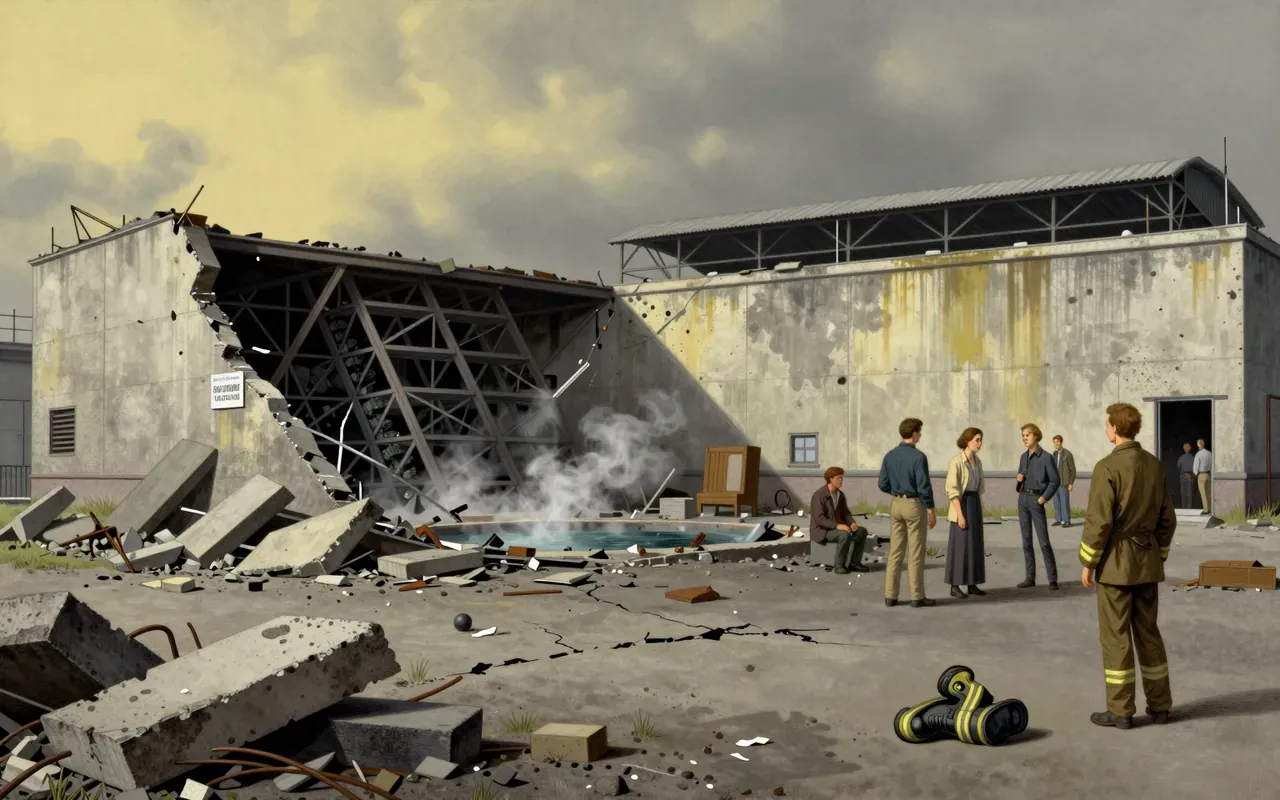
The Chernobyl disaster was a cascade of physical failures triggered by a safety test conducted under unstable conditions — not human error alone, but design flaws made manifest. The Soviet state responded with delay, staging and silence until external detection compelled admission. The record establishes sequence, scale and official action — nothing more.
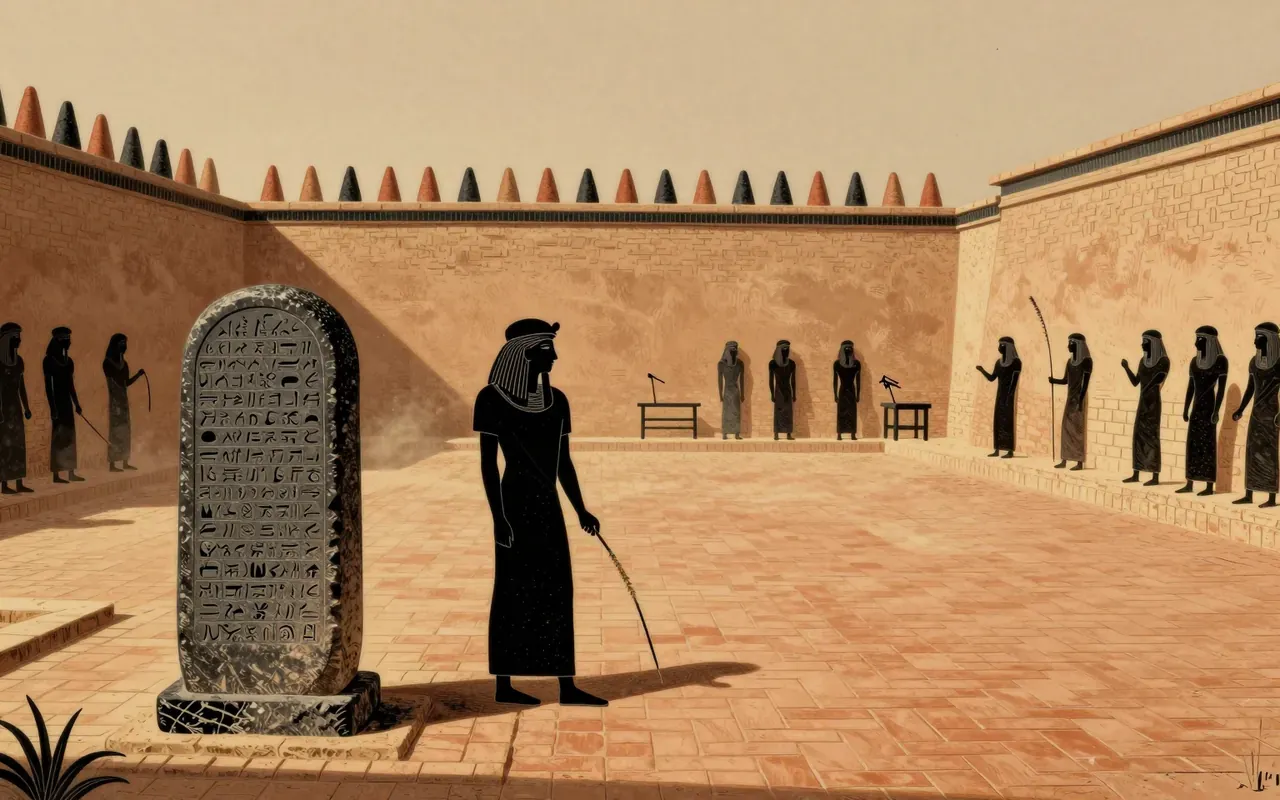
The Code of Hammurabi is the earliest complete, datable, and materially intact legal code — a monument to royal authority, not a manual for courts. It declares intent, not practice. Its survival rests on one stele, one language, one date, and one claim: that justice flows from the king through the gods. That claim is legible. Its implementation is not.
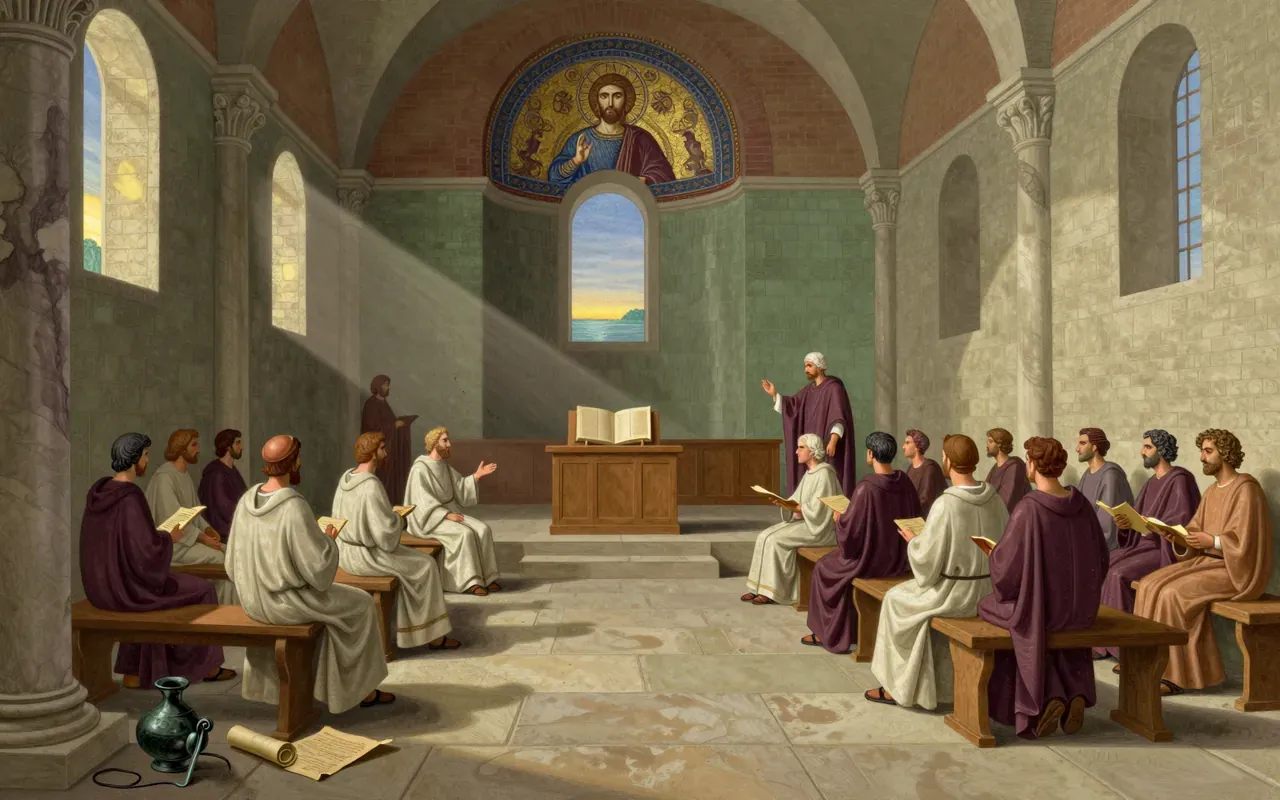
The First Council of Nicaea was the first empire-backed attempt to standardise Christian doctrine by assembly. It succeeded procedurally — nearly all bishops signed — but the record reveals nothing about internal debate, enforcement, or theological nuance. Its legacy is structural, not doctrinal.
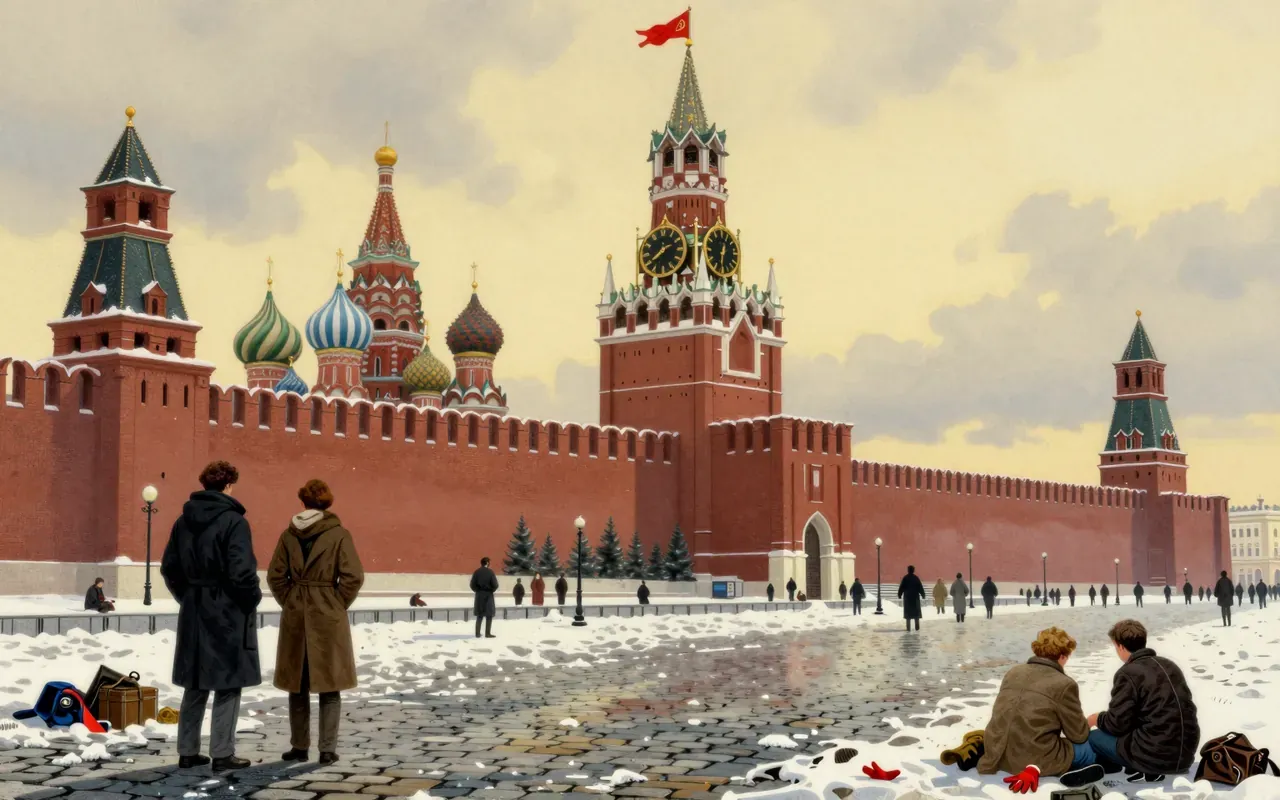
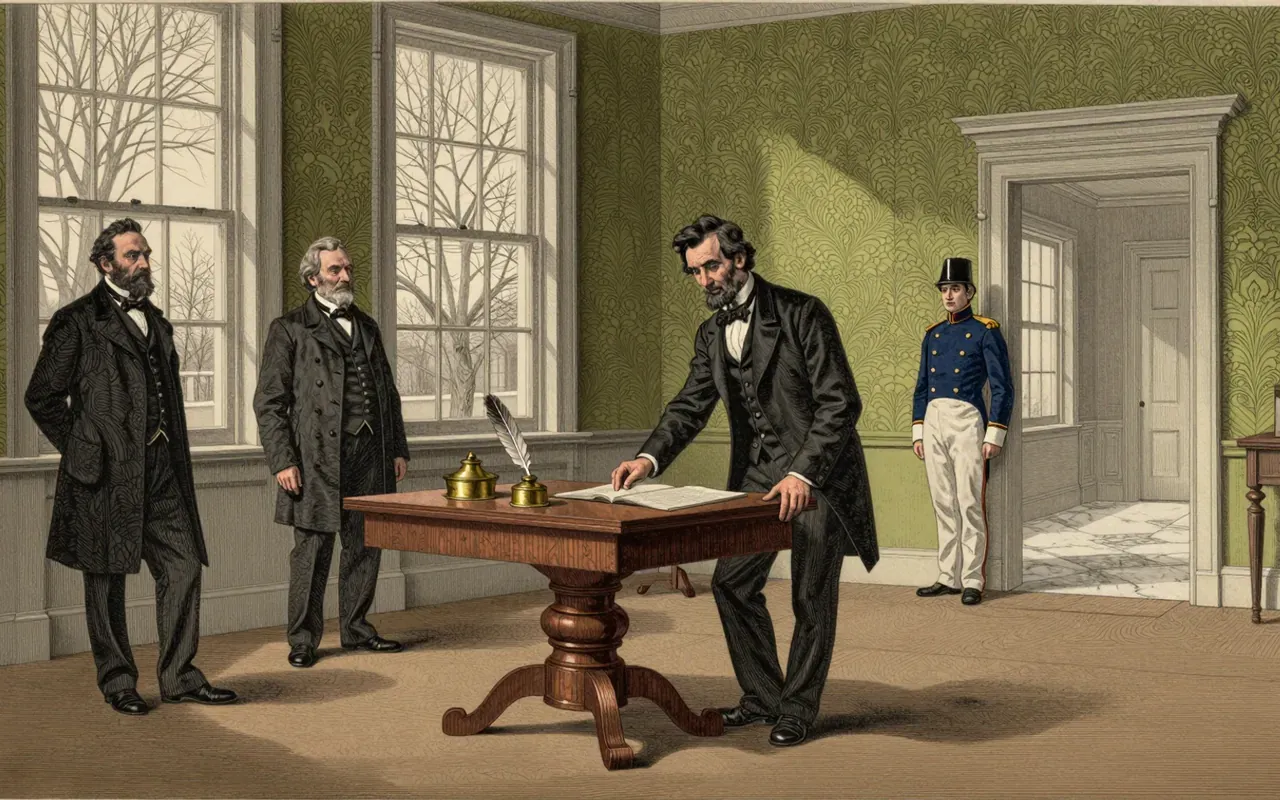
The Soviet Union was formally dissolved on 26 December 1991 — not by uprising or invasion, but by inter-republic treaty, presidential resignation, and parliamentary decree. Its end was legal, deliberate, and televised.

The negotiations to end apartheid were a deliberate, documented, stage-gated process — not a spontaneous uprising or a top-down decree. They succeeded because both sides accepted that negotiation was the only remaining option. But the record does not confirm who forced whom to the table, or why violence recurred when talks paused.
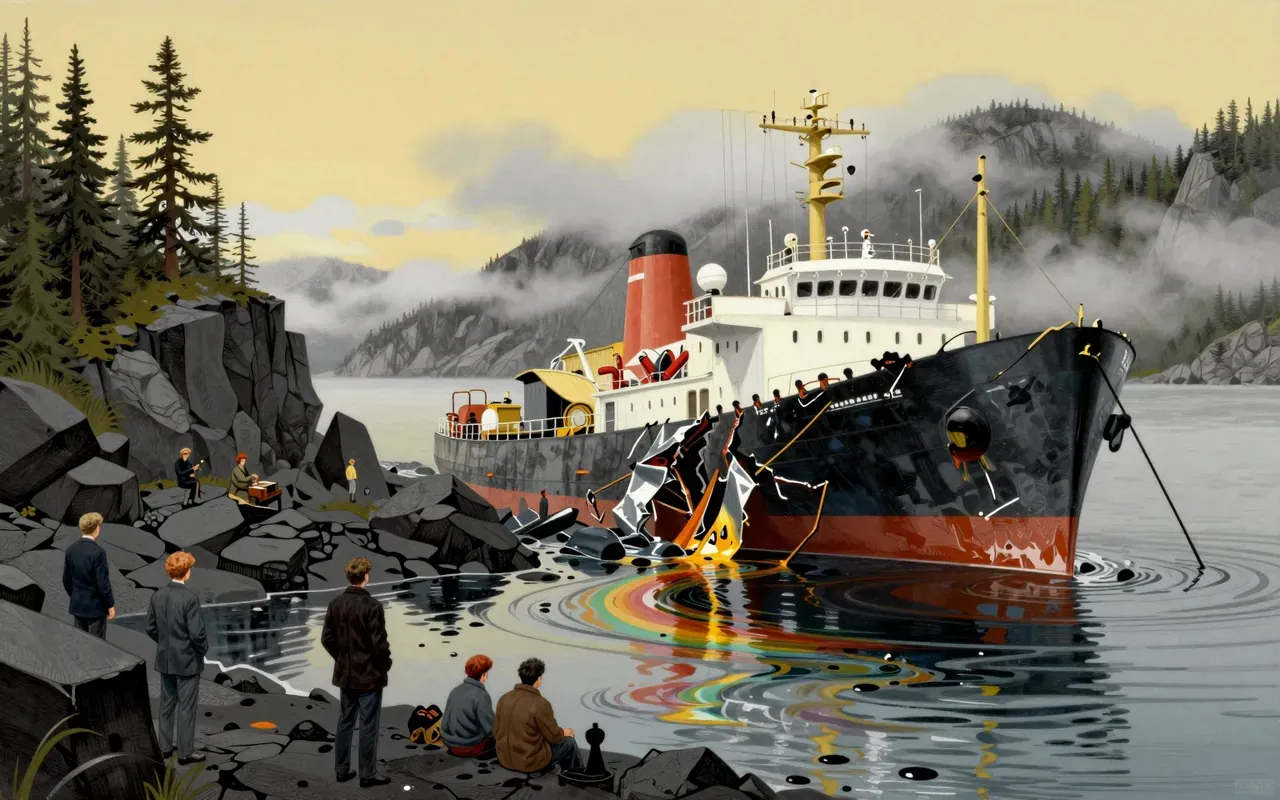
The Exxon Valdez oil spill was a major environmental disaster caused by the grounding of the Exxon Valdez on Bligh Reef in Prince William Sound, Alaska, on March 24, 1989. Approximately 10.8 million US gallons of crude oil spilled, making it the second-largest oil spill in U.S. waters by volume and the costliest disaster ever with no direct human fatalities.
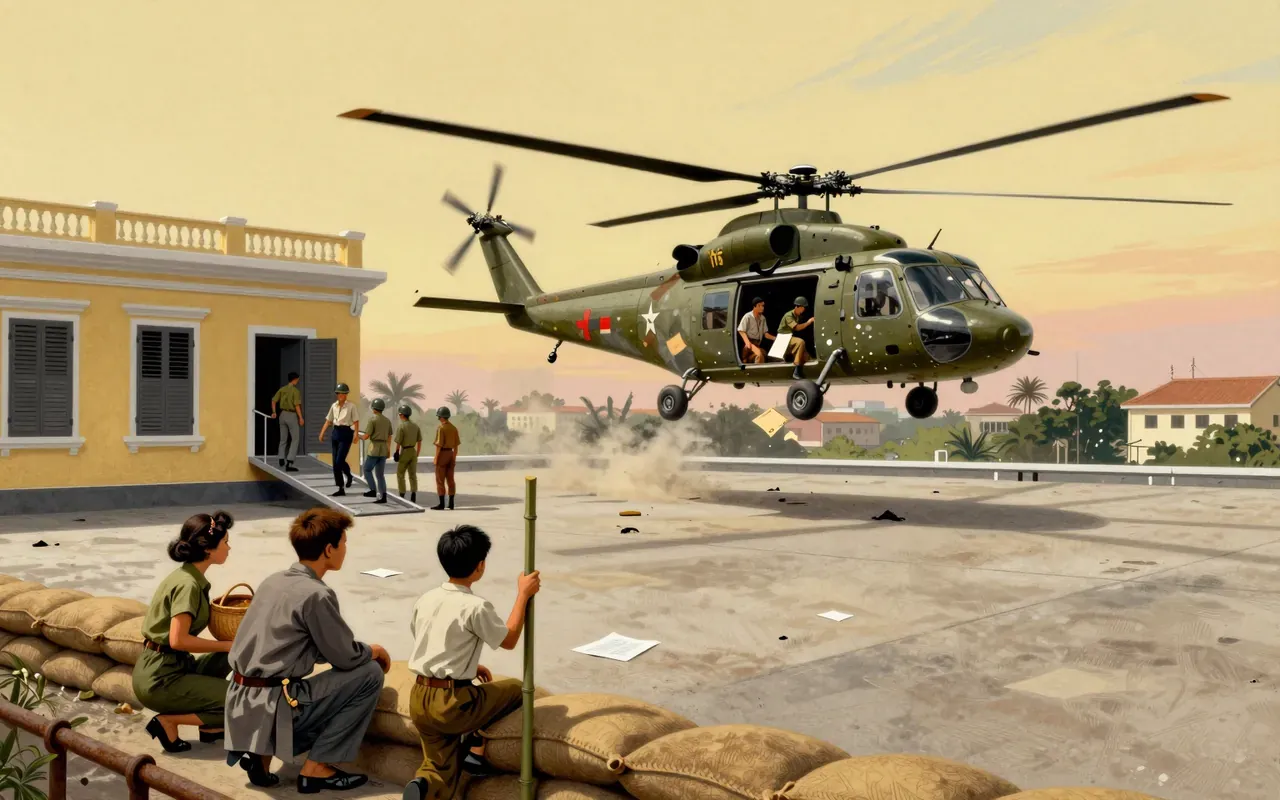
The Fall of Saigon was the conclusive military event of the Vietnam War: North Vietnam captured the city on 30 April 1975, dissolving South Vietnam and unifying the country under one regime for the first time since 1954. Its speed and finality stemmed from the prior U.S. withdrawal and ARVN’s rapid disintegration — not battlefield indecision or last-minute diplomacy. The record is clear on what happened, when, and who carried it out. What remains outside the source — casualty figures, refugee totals, internal debates — stays contested.

The Berlin Wall fell on 9 November 1989 when East Berlin transit restrictions collapsed. Harald Jäger opened the Bornholmer Straße crossing without orders. Crowds poured through. Mauerspechte began chipping away at the Wall that same night. Official dismantling began on 13 June 1990. This event helped trigger the fall of the inner German border, the Malta Summit’s Cold War declaration in early December 1989, and German reunification on 3 October 1990. It was one event in a series that started communism’s fall across Central and Eastern Europe. The source gives two times for Jäger’s decision but no reason for it. It names no other actors, documents no policy change, and does not specify how the Wall’s fall caused wider political change.

The First Intifada was a locally led, mixed-method uprising beginning in December 1987 in the Jabalia refugee camp, combining non-violent civil resistance (strikes, boycotts, tax refusal) with violent tactics (stone-throwing, Molotov cocktails, graffiti, barricading), and lasting until at least 1991.
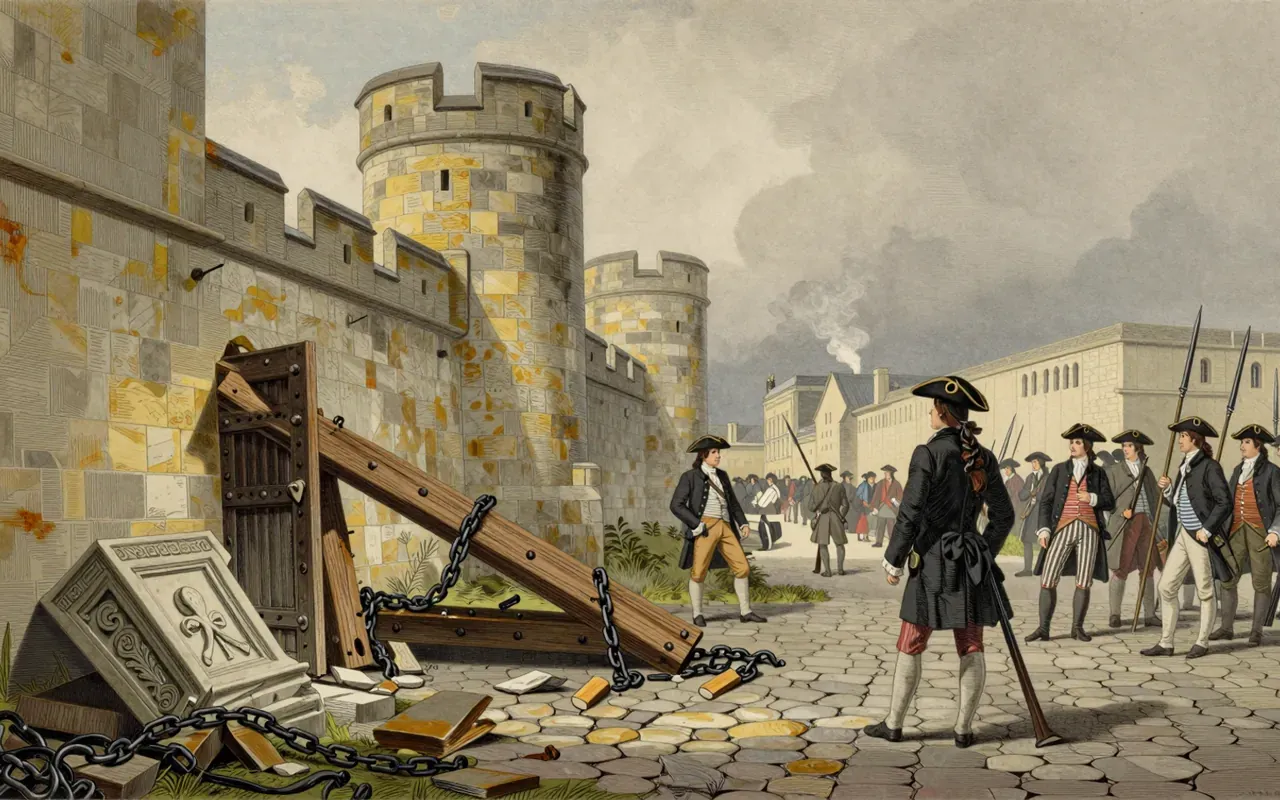
The French Revolution was a period of political and societal change in France that began with the Estates General of 1789 and ended with the Coup of 18 Brumaire on 9 November 1799.

The 2009 phase of the global financial crisis produced the first partial nationalisation of a German financial institution — Commerzbank — following its merger with Dresdner Bank and subsequent reliance on the SoFFin fund. The record shows that official explanations for state intervention shifted under pressure, and that market reaction preceded and shaped the aid. No broader systemic conclusions — about causes, contagion, or policy coherence — can be drawn from this material alone.

The Iraqi invasion of Kuwait was a swift, centrally ordered act of annexation — verified by its codename, timing, troop composition, and administrative reorganisation. It triggered the first major test of UN collective security after the Cold War. The record shows no ambiguity in sequence or outcome — but also no evidence of motive, dissent, or alternative interpretations. Its legacy is procedural: it proved the Security Council could unify and enforce borders — but only once, under narrow conditions.

The Khmer Rouge was not a spontaneous uprising but a deliberately constructed, externally supported, and strategically rebranded insurgency — one whose name, origins, alliances, and methods are all attested in a single authoritative record.
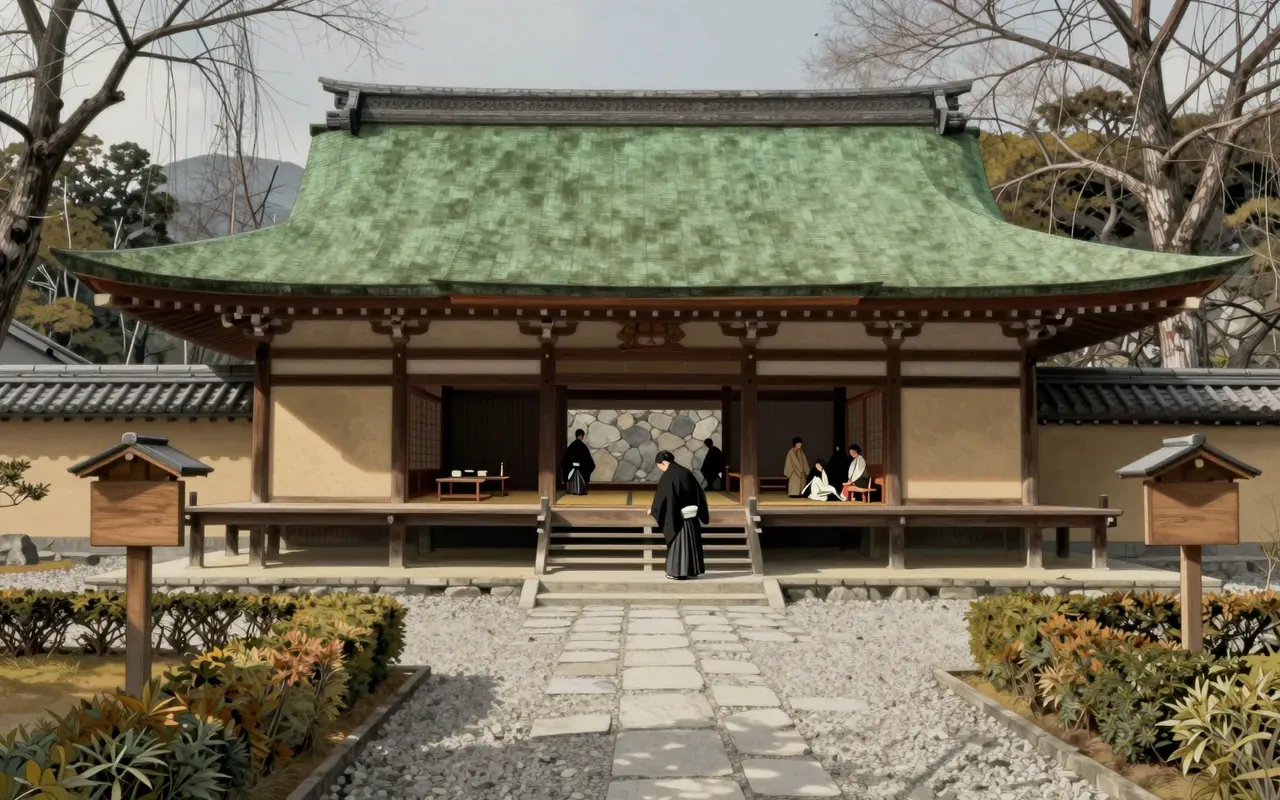
The Meiji Restoration was a top-down political transfer of power in 1868 that ended feudalism, abolished the shogunate, and launched Japan’s rapid industrialisation and westernisation under imperial authority. It laid the foundations of the Empire of Japan—and its institutions enabled colonial expansion. No evidence is given for popular involvement, democratic intent, or internal dissent beyond the Saga and Satsuma Rebellions, which are cited only as backlash, not as competing visions.
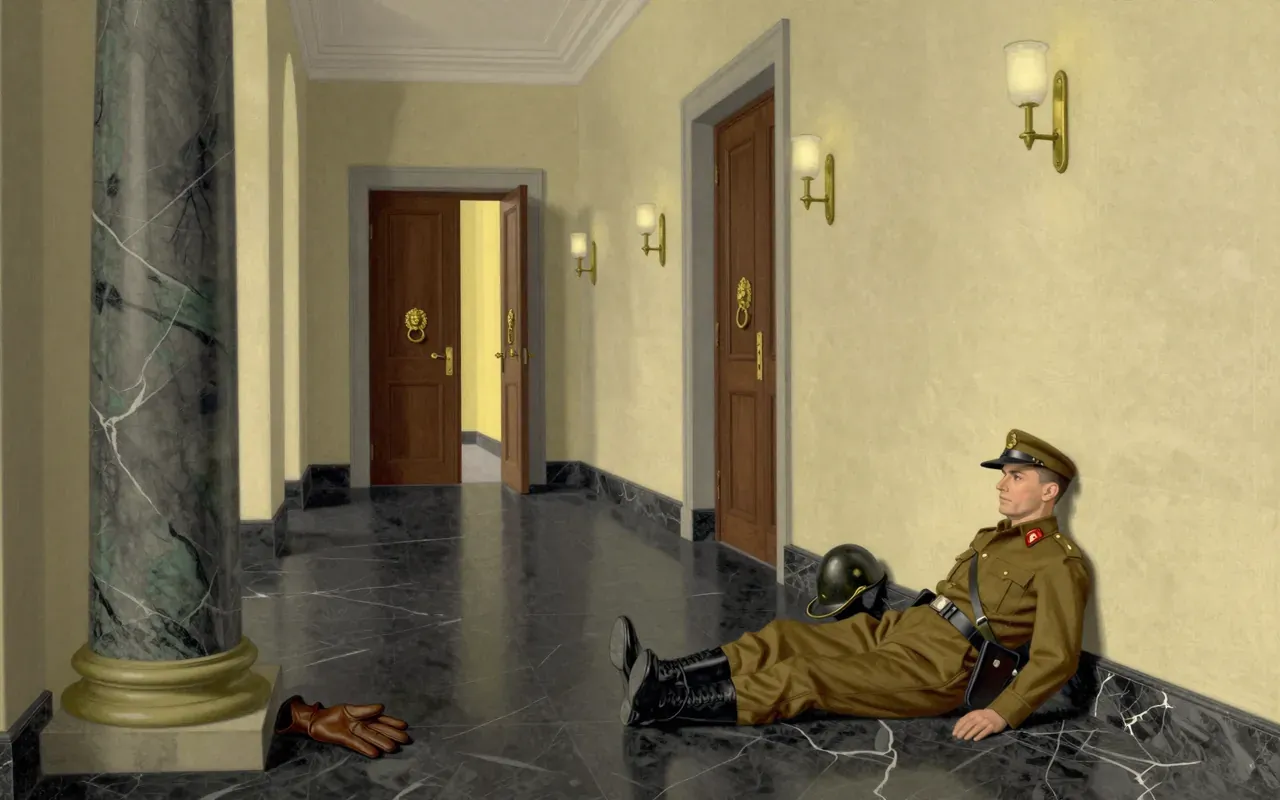
The Night of the Long Knives was not a spontaneous outburst. It was a calculated, multi-day purge ordered by Hitler and executed by Nazi security organs to eliminate rivals and win over the army — then legally ratified by Germany’s own courts and cabinet. It established that legality could be weaponised, not just suspended.

The Non-Aligned Movement was not a spontaneous reaction but a deliberately constructed diplomatic architecture—forged in the shadow of the Korean War, named at the UN, grounded in Bandung, and launched across two stages: Brijuni in 1956 and Belgrade in 1961. It gave 120 developing nations a shared voice without requiring them to choose sides—a structural innovation in Cold War geopolitics.
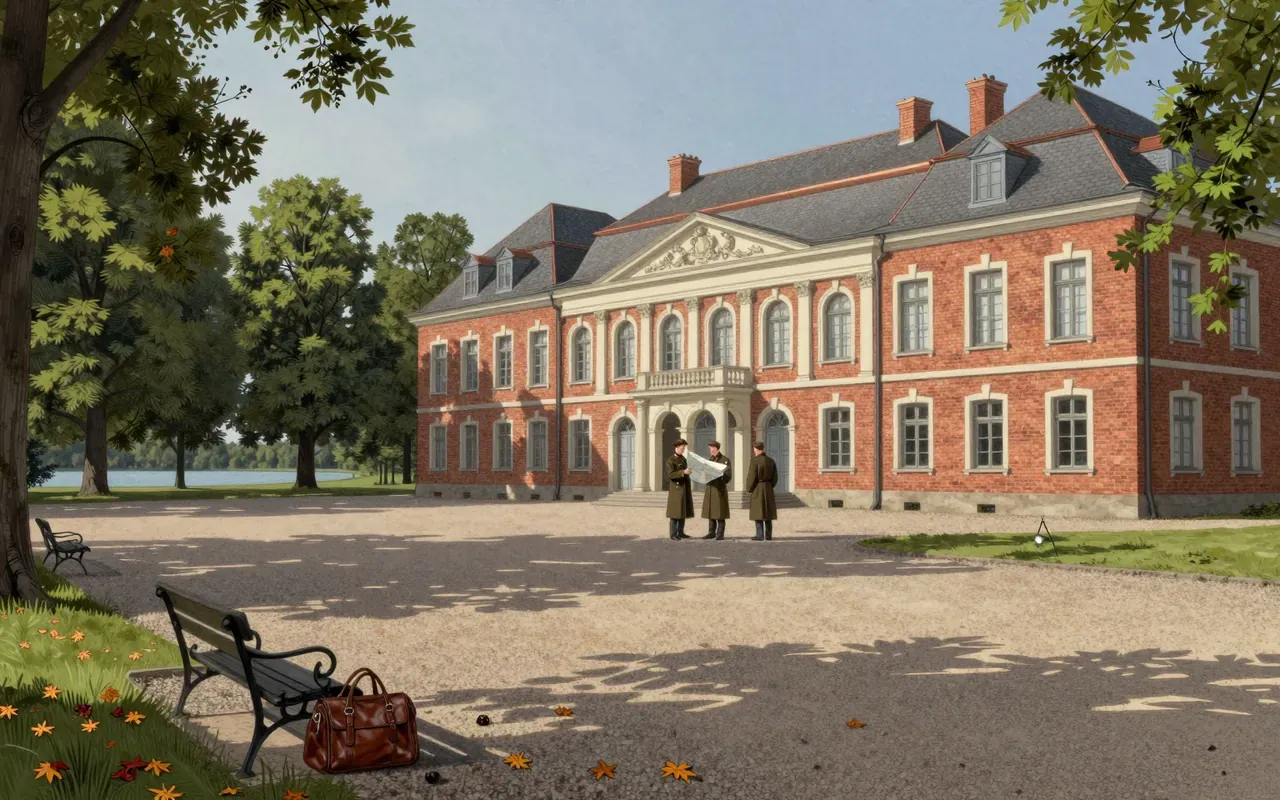
The Potsdam Conference was a tightly bounded, procedurally self-conscious effort to manage postwar Germany — not to end the war (that had happened), nor to build peace (no treaties were signed), nor to reconcile allies (disagreements are unrecorded). Its significance lies in its method: scheduled, interrupted, adaptive, and shadowed by a weapon no one named aloud.

The Great Pyramid of Giza is the oldest and only largely intact Wonder of the Ancient World. Built c. 2600 BC as Khufu’s tomb, it stood 146.6 m tall for over 3,700 years. Its dimensions — 230.3 m per side, 2.6 million m³ volume — are precisely measured. What remains visible today is the underlying core structure, after most of its smooth white limestone casing was removed.
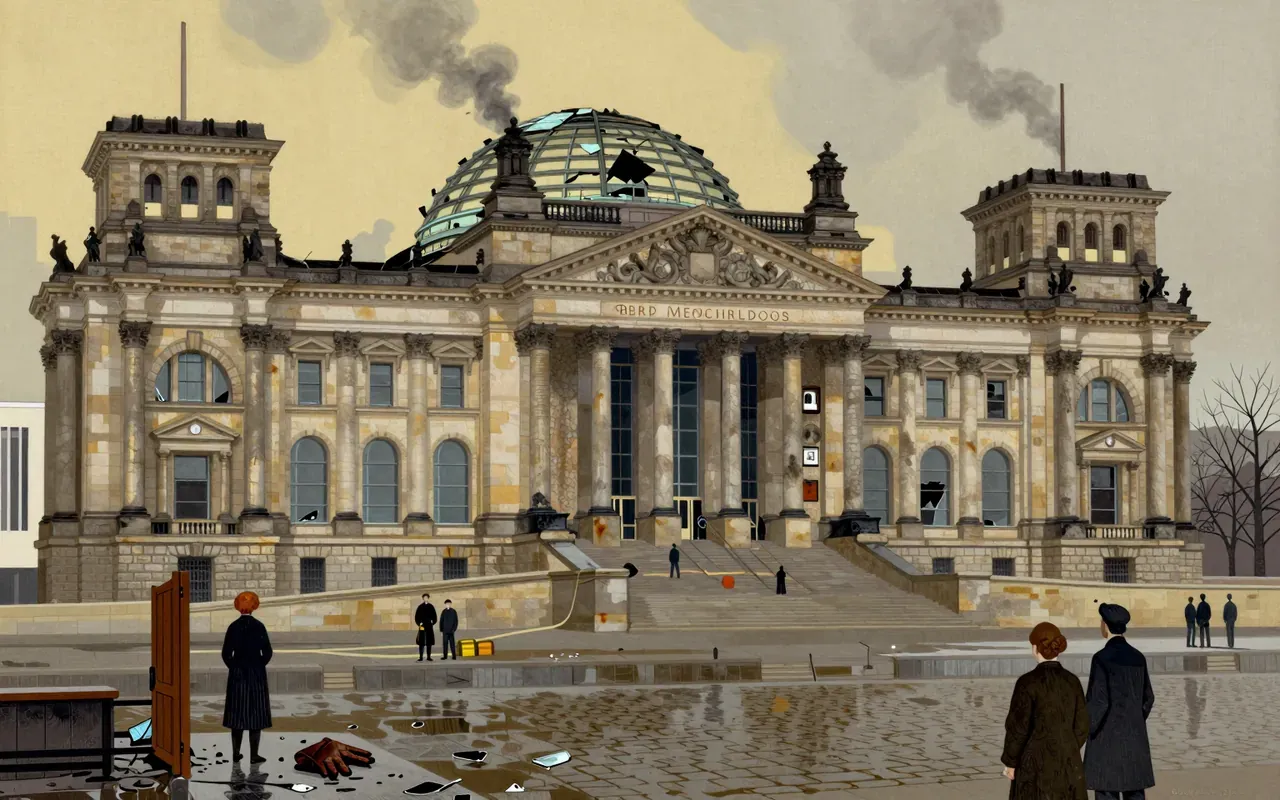
The Reichstag fire was an arson attack on 27 February 1933 in Berlin. It was reported at 9:00 p.m., extinguished by 11:30 p.m., and gutted most of the building. Van der Lubbe was arrested inside. Twenty unburned firelighters were found. The Nazi government used it within 24 hours to suspend civil liberties. Who started it remains contested. The record proves method and consequence — not motive, conspiracy or sole agency.


The Spanish Civil War was a domestically rooted civil conflict (1936–1939) between Republicans defending the Popular Front government and Nationalists launching a failed coup. It ended with Nationalist victory and Franco’s authoritarian regime — lasting until 1975. Evidence confirms militia mobilisation, Franco’s October 1936 appointment as supreme leader, organised purges in conquered zones, and Casado’s March 1939 coup fracturing Republican resistance. What remains contested includes the scale, coordination and motives behind Republican executions — the source only states local authority involvement 'varied by location'. The war changed Spain’s constitutional order permanently and demonstrated how foreign powers weaponise civil wars as ideological proxies.
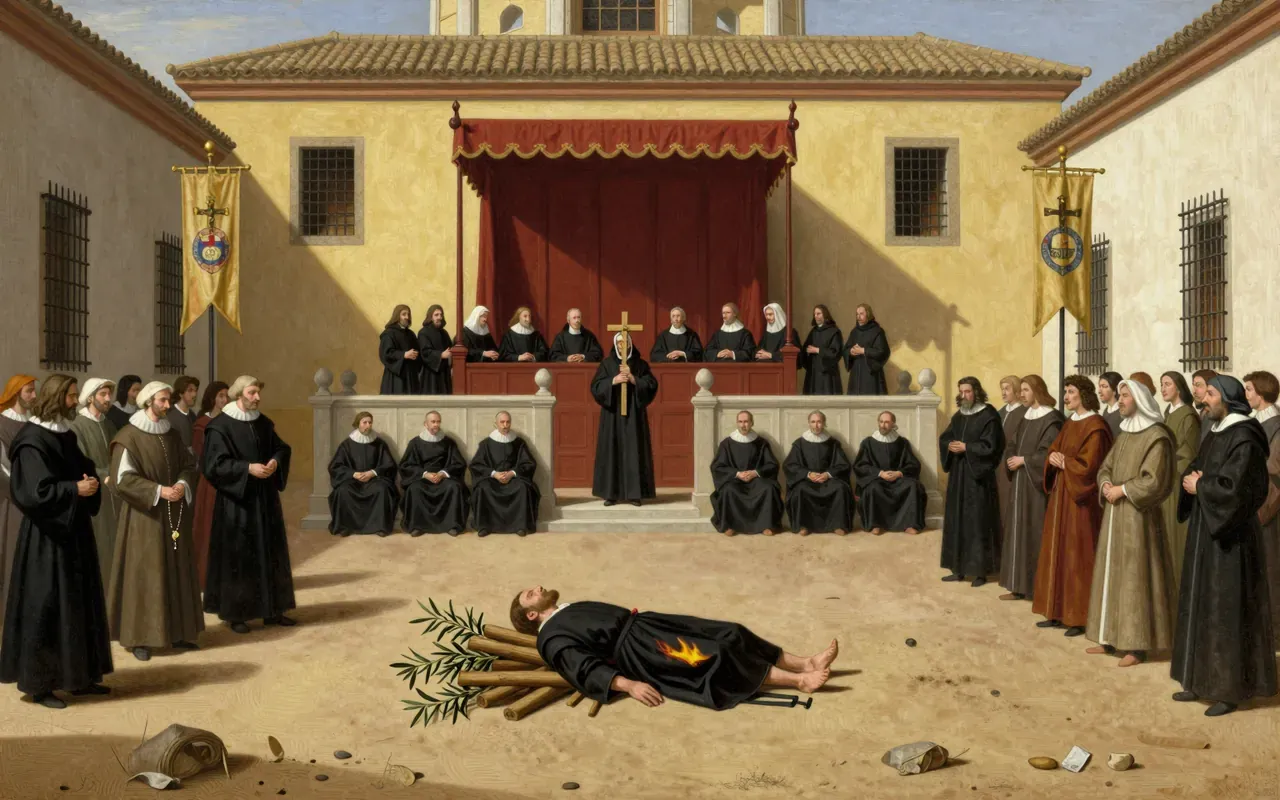
The Spanish Inquisition was a centrally directed, royally staffed, financially incentivised tribunal targeting converted Jews and Muslims. It operated from 1480 to 1834. Its first fifty years saw the highest execution rate—3,000–5,000 people burned—and systematic property confiscation. It replaced Papal oversight with Crown control. It enforced post-1492 and 1502 conversion decrees. It prosecuted ~150,000 people. Its methods included torture, public shaming, and lifelong penalties. Its legacy is administrative, not spiritual.
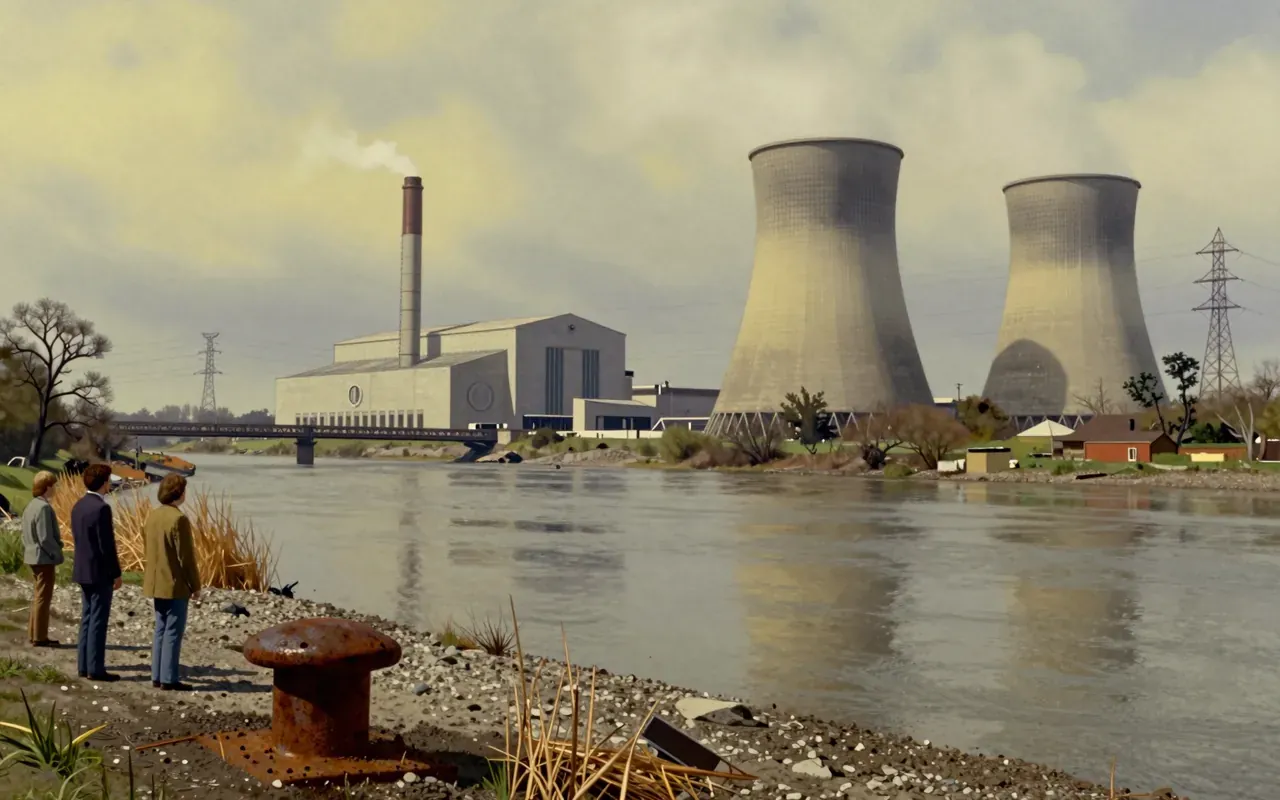
The Three Mile Island accident was a partial nuclear meltdown of the TMI-2 reactor beginning at 4:00 a.m. on March 28, 1979, releasing radioactive gases and iodine; it is rated Level 5 on the International Nuclear Event Scale and remains the worst U.S. commercial nuclear power plant accident. The event originated in the non-nuclear secondary system and involved a stuck-open pilot-operated relief valve causing coolant loss, compounded by operator failure to recognize a loss-of-coolant accident due to inadequate training and procedures.

The Universal Declaration of Human Rights established a shared vocabulary for rights — but not a shared understanding of their source, scope, or enforcement.
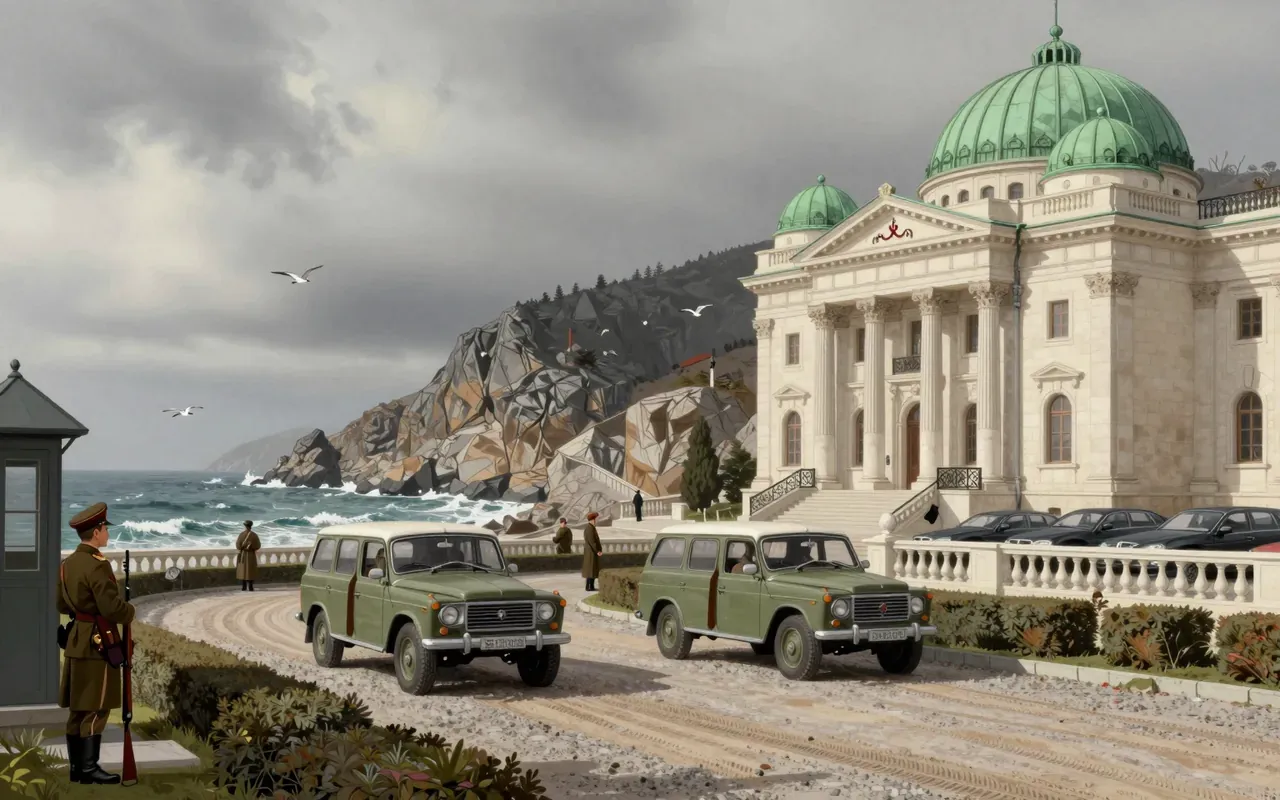
The Yalta Conference was a decisive wartime coordination meeting—not a peace settlement—that formalised Allied control over postwar Germany and pledged democratic self-determination for liberated Europe. Its outcomes were concrete: occupation zones, a French role, and a written declaration. Its limits were structural: no enforcement mechanism, no input from affected nations, and no record of dissent or doubt in the source material.

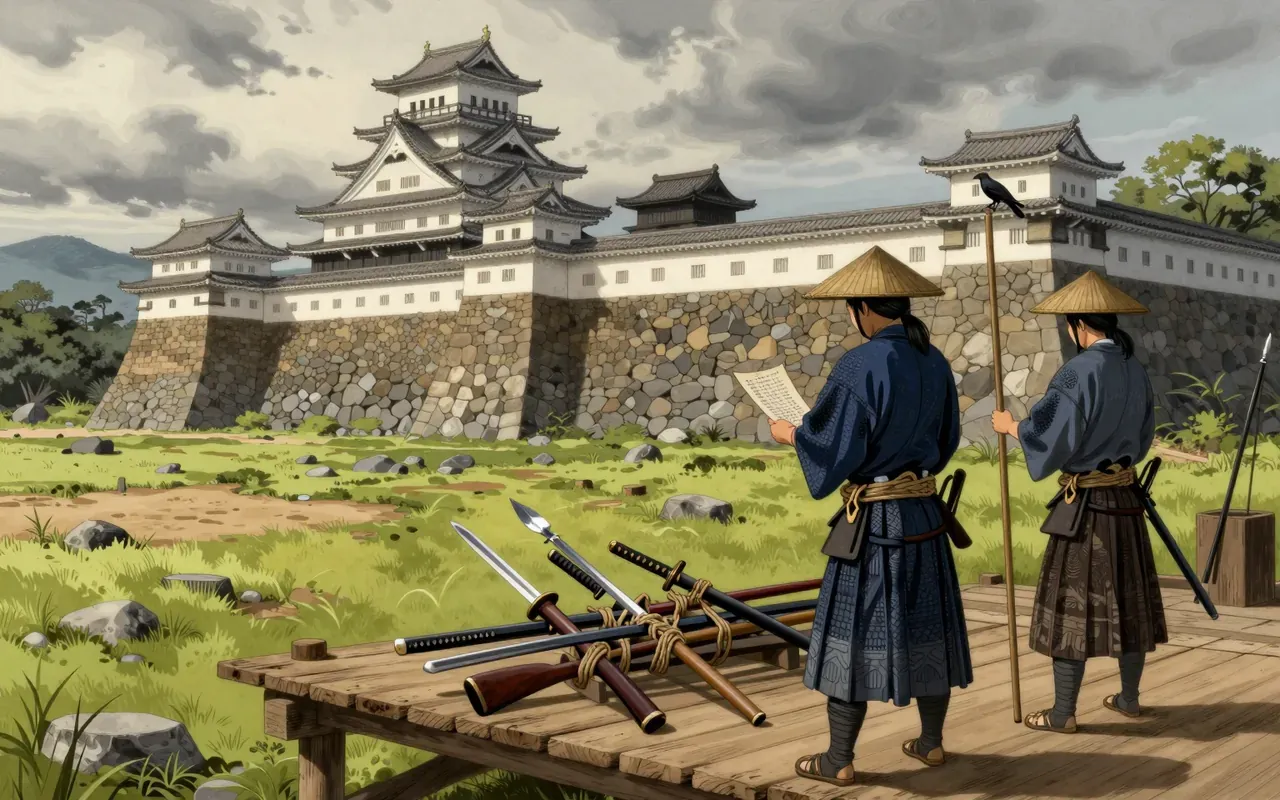
Hideyoshi’s rise and rule are documented as a sequence of dated, geolocated acts: battles won, provinces subdued, names granted, weapons seized. The record shows method—not motive. It confirms institutional shifts—not their social reach. It names factions—but not their ideologies or grievances. It reports outcomes—but omits dissent, debate, or delay.
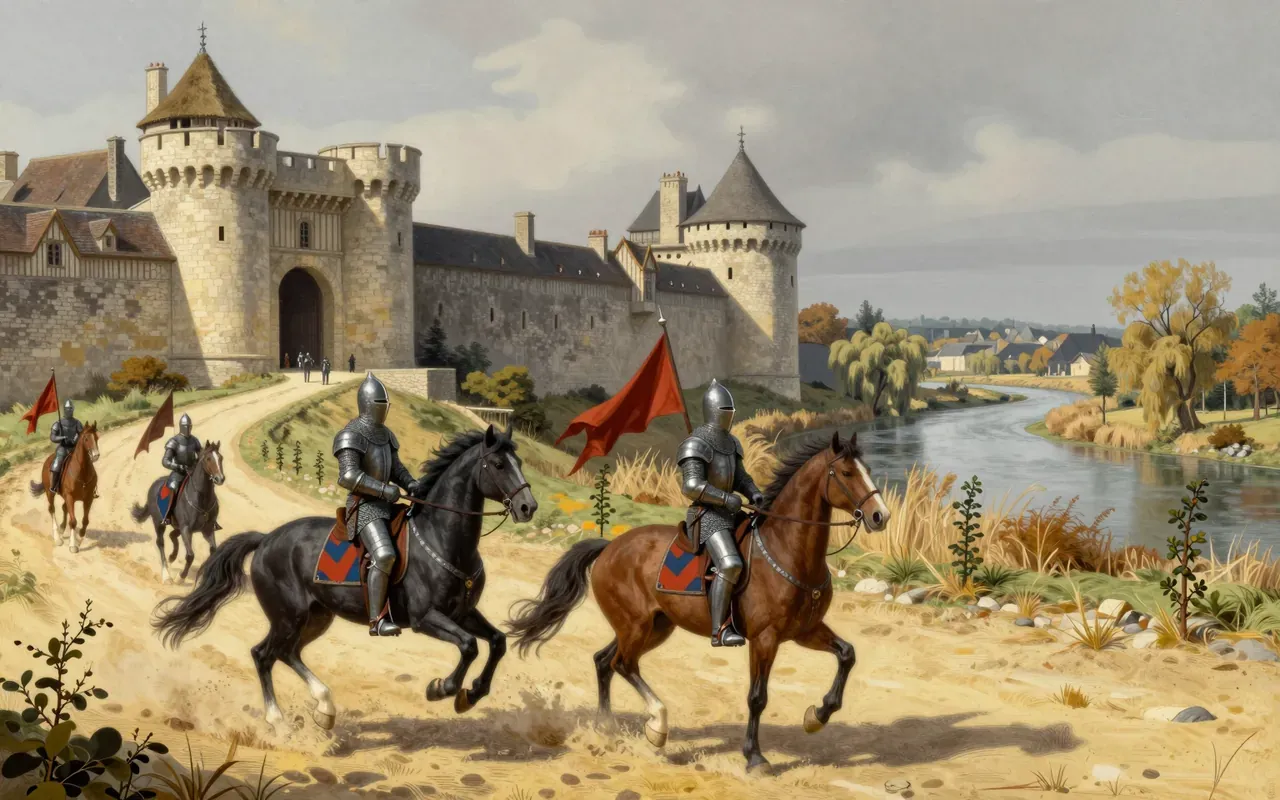
William the Conqueror is the founding figure of Norman rule in England. The source documents his titles, dates, military action, coronation, suppression of revolt, and commissioning of the Domesday Book. It makes no claims about motive, ideology, resistance scale, or cultural impact beyond administration. It treats consolidation as chronological fact — not contested process.