historybriefs
Topic

Hinduism

The world's oldest living tradition, and one that resists being a single thing.

5
in history
12:23
average
62 min
in total
12
across the network
Hinduism across the network →
All briefs5
11:44

Keshub Chandra Sen

1783–1844

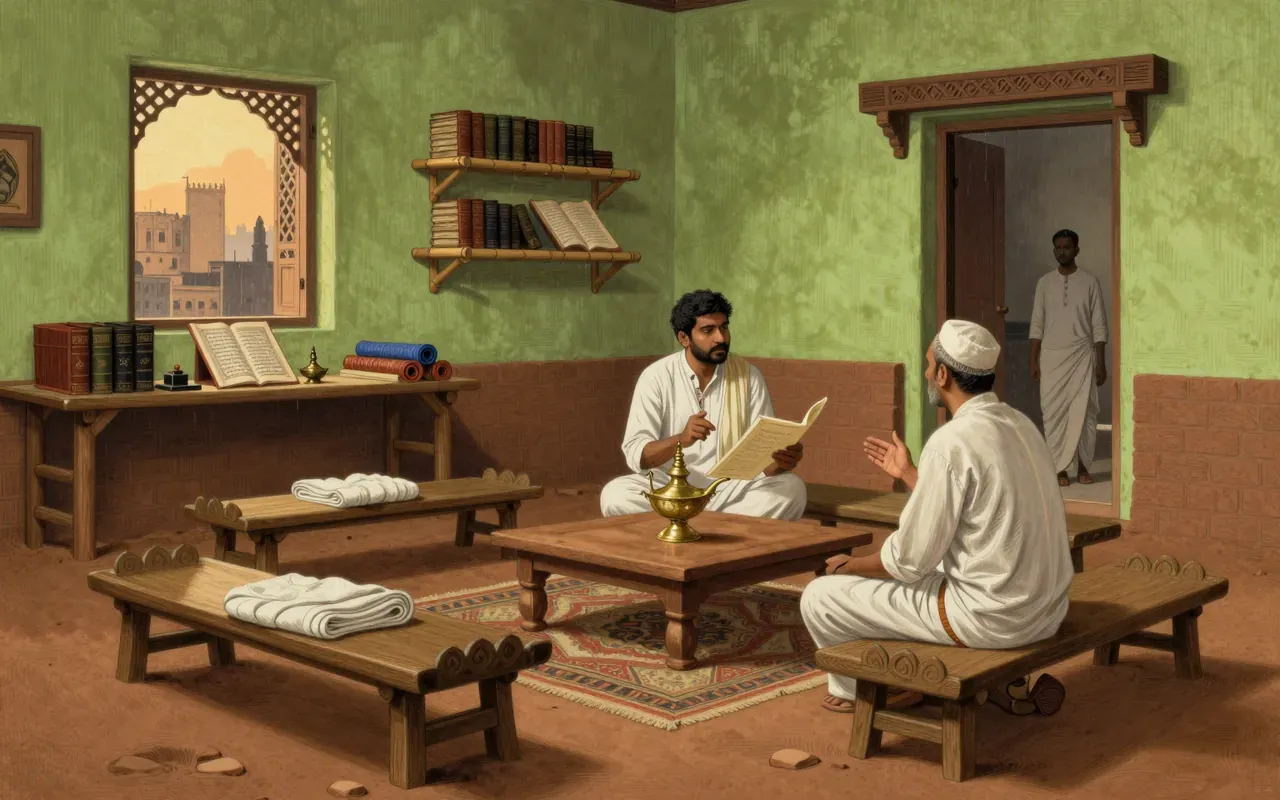
Keshub Chandra Sen was a doctrinal entrepreneur who built institutions and doctrines in rapid succession—school, association, sect, creed—each anchored in a documented act or statement. His work shows no mass following, no legislative effect, and no settled interpretation. What remains is a sequence of deliberate, dated interventions in Bengal’s religious and civic life.
11:09

Raja Ram Mohan Roy

He didn’t just oppose sati — he built the schools, wrote the grammar, and founded the societies that made its abolition possible.
13:00

Angkor Thom

Founded late 12th century

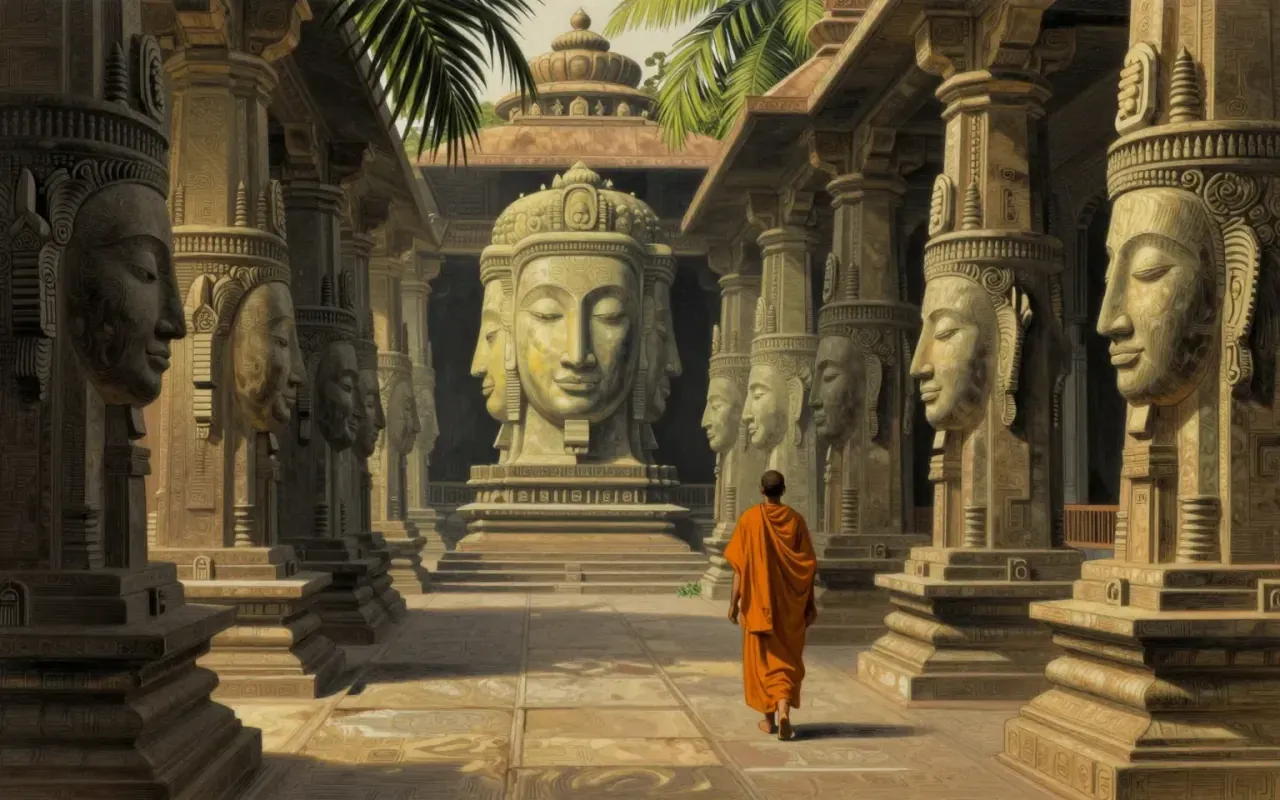
Angkor Thom was the last great capital of the Khmer Empire, laid out by Jayavarman VII in the late twelfth century as a walled square nine kilometres in area, centred on the many-faced towers of the Bayon temple. Building continued until 1295, after which the city's fortunes tracked the empire's decline, ending in abandonment following an Ayutthaya sack that pushed Khmer rule toward Phnom Penh. What survives is known mainly through its own inscriptions and through the French colonial-era survey work that first mapped and restored it.

13:00

Angkor Wat

Founded 802

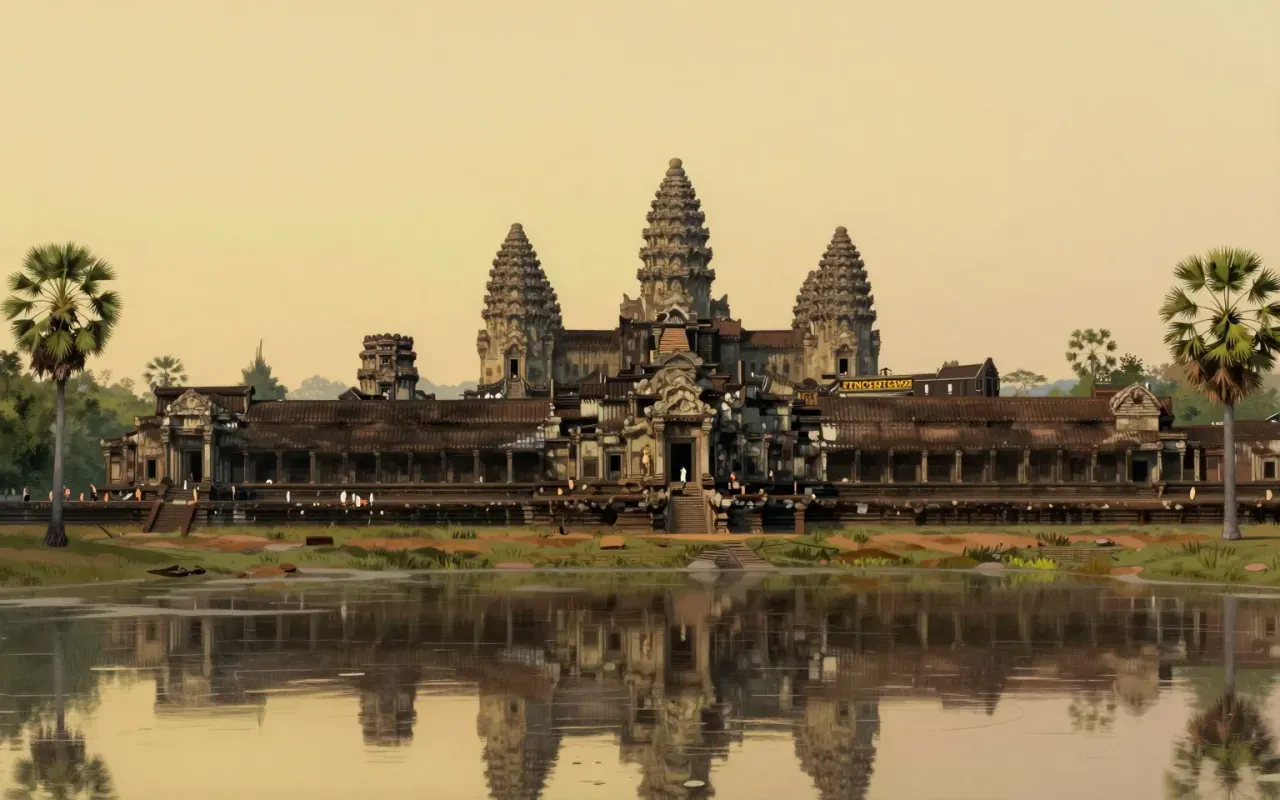
King Suryavarman II commissioned Angkor Wat around 1113, building it as a Hindu temple dedicated to Vishnu, and construction continued until his death around 1150 left some of its bas-relief carving unfinished. Decades later King Jayavarman VII, following his wife's faith, oversaw the temple's gradual conversion toward Buddhist use, and though the site was never fully abandoned, no surviving inscription records the name its builders actually gave it, leaving even that basic fact to scholarly inference.

13:00

Jayavarman VII

1122–1218

Jayavarman VII took the Khmer throne in 1181 after leading the recovery from a devastating Cham invasion, then built Angkor Thom, the Bayon and a network of hospitals and roads across a thirty-seven-year reign. Almost all surviving evidence for his rule comes from inscriptions and bas-reliefs he commissioned himself, since no independent chronicle or personal account survives. Historians caution against reading his monuments as literal proof of administrative reach, and his Buddhist religious programme did not outlast his own reign.