Columbus died still insisting he had reached Asia, and the continent he crossed the Atlantic to find ended up named after a different Italian entirely.
Pasteur kept his laboratory notebooks sealed for a century, and when historians finally opened them they found a scientist who sometimes shaded the truth about his own discoveries.
The Meditations show Marcus Aurelius arguing with himself about duty in the middle of a war he never asked for, but the notebook carries almost no dates and cannot serve as its own history.
Freud built an entire theory of the mind from case histories whose patients he sometimes treated with the same certainty he applied to his conclusions about them.
Plague pits in Siena were dug so deep the chronicler said dogs dragged out the dead, but nobody recording the disaster could say how many people the plague actually killed.
Genetic testing on teeth from medieval graves finally confirmed in 2010 what centuries of chroniclers had only described in symptoms, that a single bacterium caused a pandemic whose recurring waves lasted from the 1340s into the early nineteenth century.
The idea that Moctezuma took Cortes for a returning god only appears in European writing decades after the conquest, undercutting the legend that supernatural dread paralysed Aztec resistance.
Disease and civil war had already gutted the empire before Pizarro's ambush; steel and horses finished what a smallpox epidemic and a succession war had already begun.
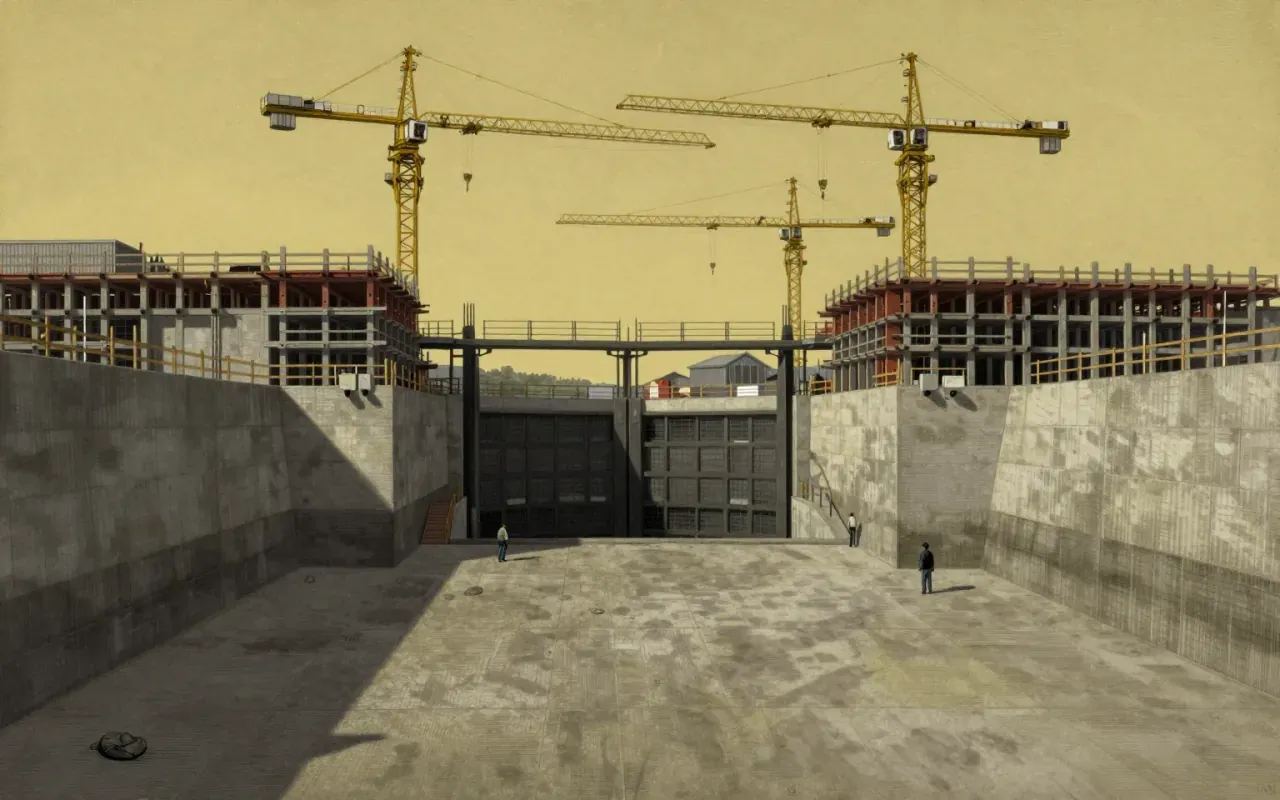
France's canal effort killed an estimated 22,000 workers and bankrupted 800,000 investors before America even began digging its own version of the same idea.