historybriefs
Topic

Buddhism

A method for ending suffering that became a religion on the way.

5
in history
13:00
average
65 min
in total
28
across the network
Buddhism across the network →
All briefs5
13:00

Angkor Wat

Founded 802

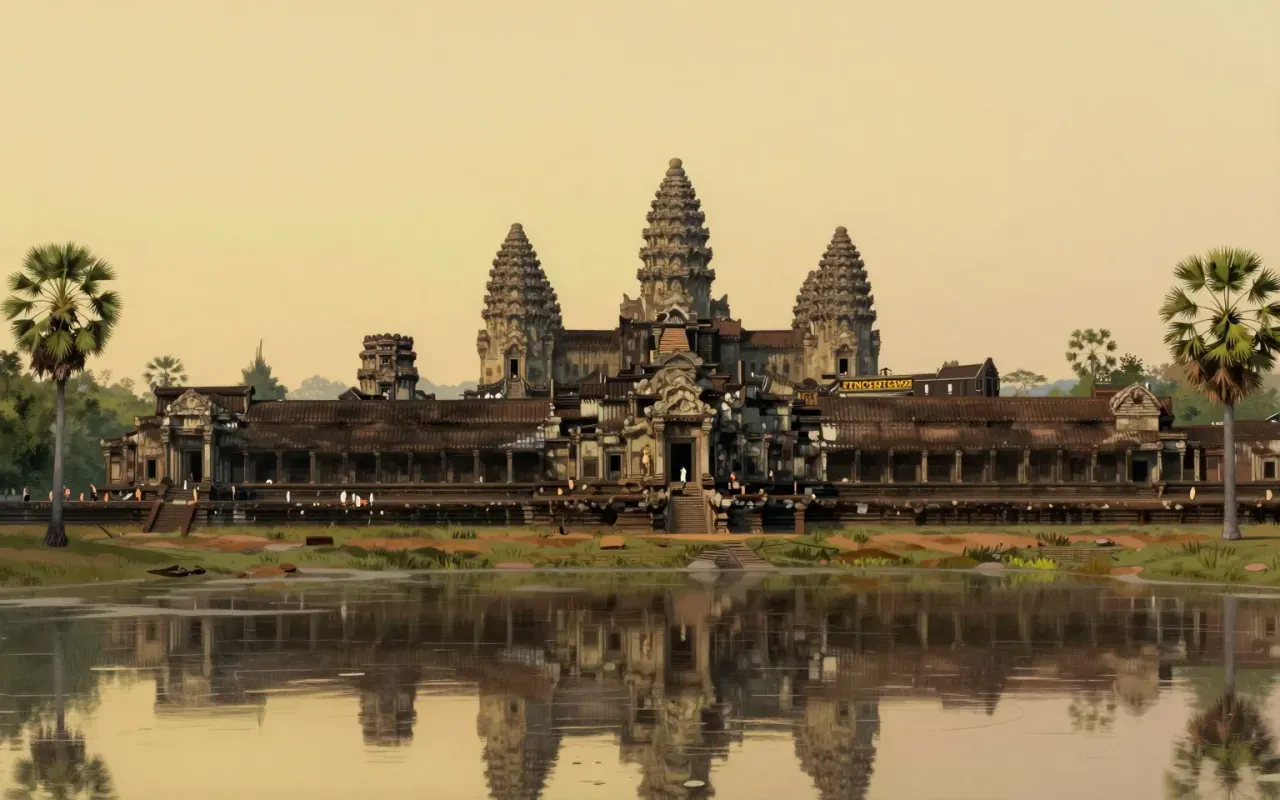
King Suryavarman II commissioned Angkor Wat around 1113, building it as a Hindu temple dedicated to Vishnu, and construction continued until his death around 1150 left some of its bas-relief carving unfinished. Decades later King Jayavarman VII, following his wife's faith, oversaw the temple's gradual conversion toward Buddhist use, and though the site was never fully abandoned, no surviving inscription records the name its builders actually gave it, leaving even that basic fact to scholarly inference.

13:00

Ashoka

304–232 BC

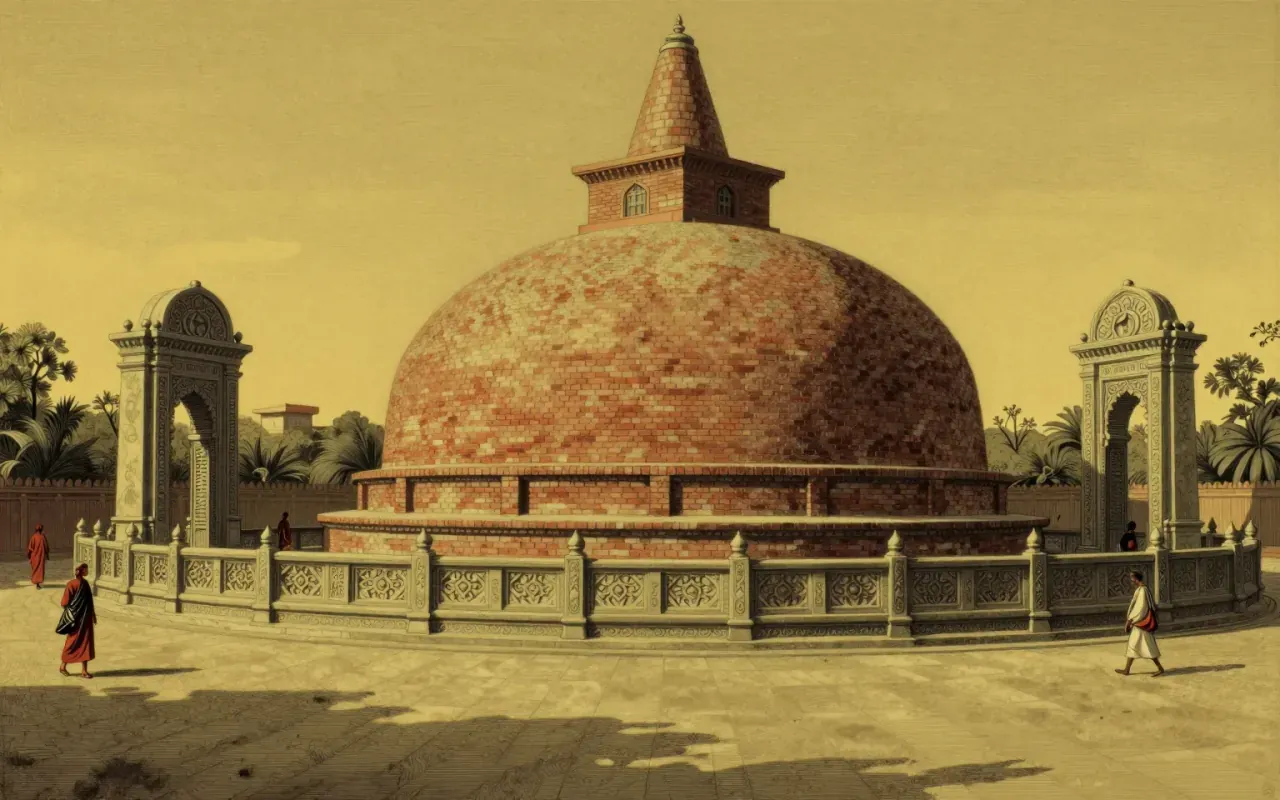
Ashoka took the Mauryan throne in the third century BC and conquered the kingdom of Kalinga at enormous human cost before turning, over subsequent years, toward an ethical code he called dhamma and eventually Buddhism. His own edicts are the only contemporary evidence for his reign; the dramatic stories of fratricide and conversion come from Buddhist chronicles composed centuries afterward, and the two surviving legendary traditions disagree with each other. His empire declined quickly after his death, and he was largely forgotten until nineteenth-century decipherment restored him to history.

13:00

Jayavarman VII

1122–1218

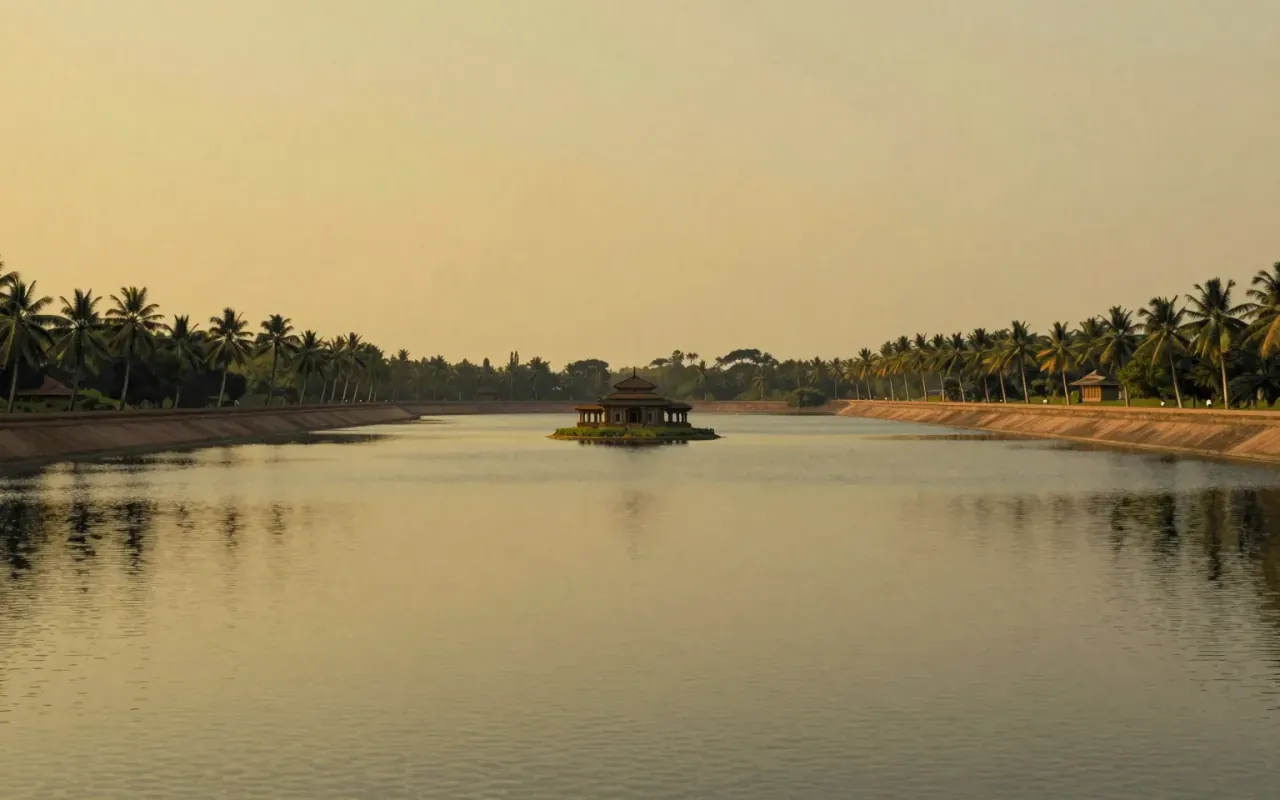
Jayavarman VII took the Khmer throne in 1181 after leading the recovery from a devastating Cham invasion, then built Angkor Thom, the Bayon and a network of hospitals and roads across a thirty-seven-year reign. Almost all surviving evidence for his rule comes from inscriptions and bas-reliefs he commissioned himself, since no independent chronicle or personal account survives. Historians caution against reading his monuments as literal proof of administrative reach, and his Buddhist religious programme did not outlast his own reign.

13:00

Nalanda mahavihara

Founded c. 427

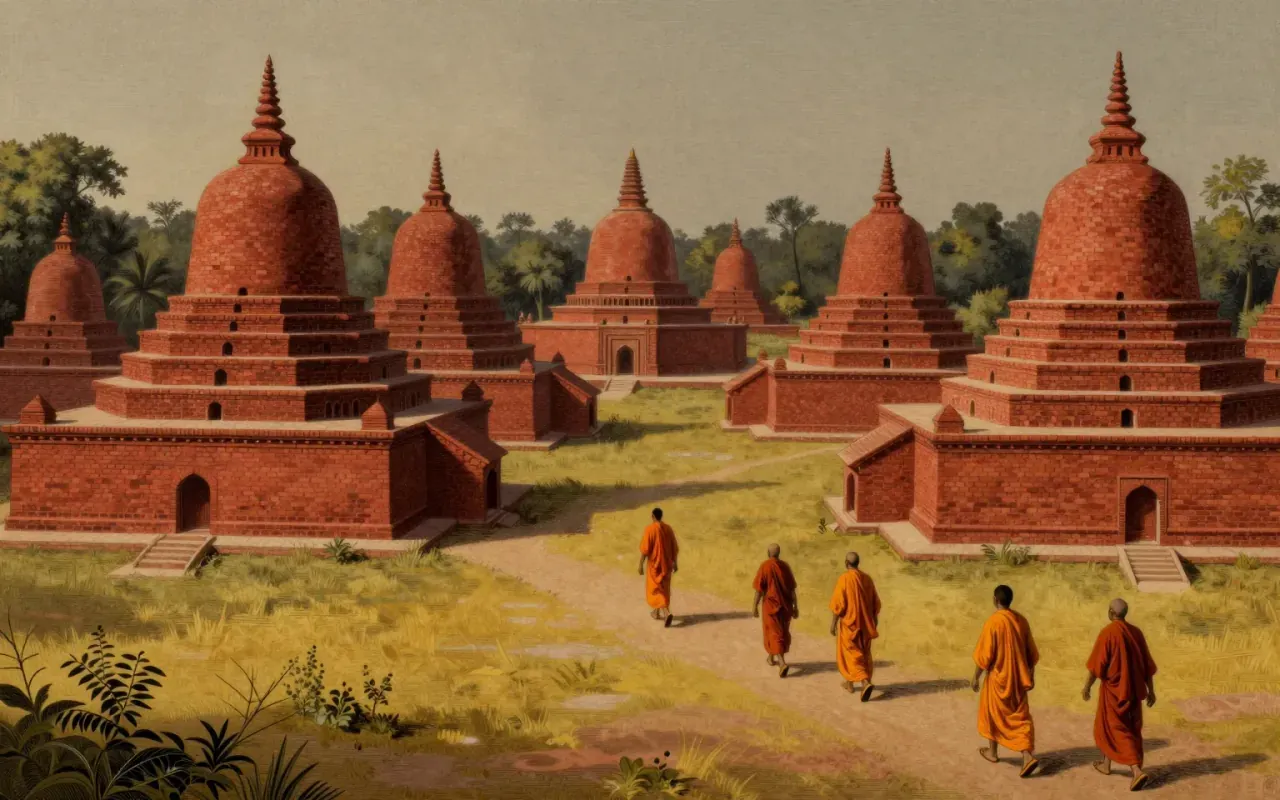
Nalanda, founded around 427 under the Gupta emperor Kumaragupta I, grew into a major Buddhist centre of learning that at its height supported over 1,500 faculty on revenue from a hundred villages, according to the Chinese pilgrim Xuanzang, who studied there for roughly two years from 637 and later left an account mixing careful observation with unverifiable legend. The institution was burned by Muhammad Bakhtiyar Khalji's forces around 1200, though it did not vanish immediately, with reduced scholarly activity continuing for some decades and its traditions carried onward into Tibetan Buddhism through fleeing monks.

13:00

Edicts of Ashoka

3rd century BC

Across more than thirty rock faces and pillars from Afghanistan to Bangladesh, the Mauryan emperor Ashoka had proclamations on ethical governance carved in the third century BC. Lost to readers once Brahmi script fell out of use, the edicts were only deciphered in the 1830s, and their authorship was confirmed as Ashoka's only in 1915, when an inscription at Maski paired his personal name with the title used elsewhere. They remain the earliest datable written texts from the Indian subcontinent.