historybriefs
Topic

Aviation

A century of flight, and the safest way to travel by a wide margin.

4
in history
13:00
average
52 min
in total
79
across the network
Aviation across the network →
All briefs4
13:00

Battle of Britain

10 July – 31 October 1940

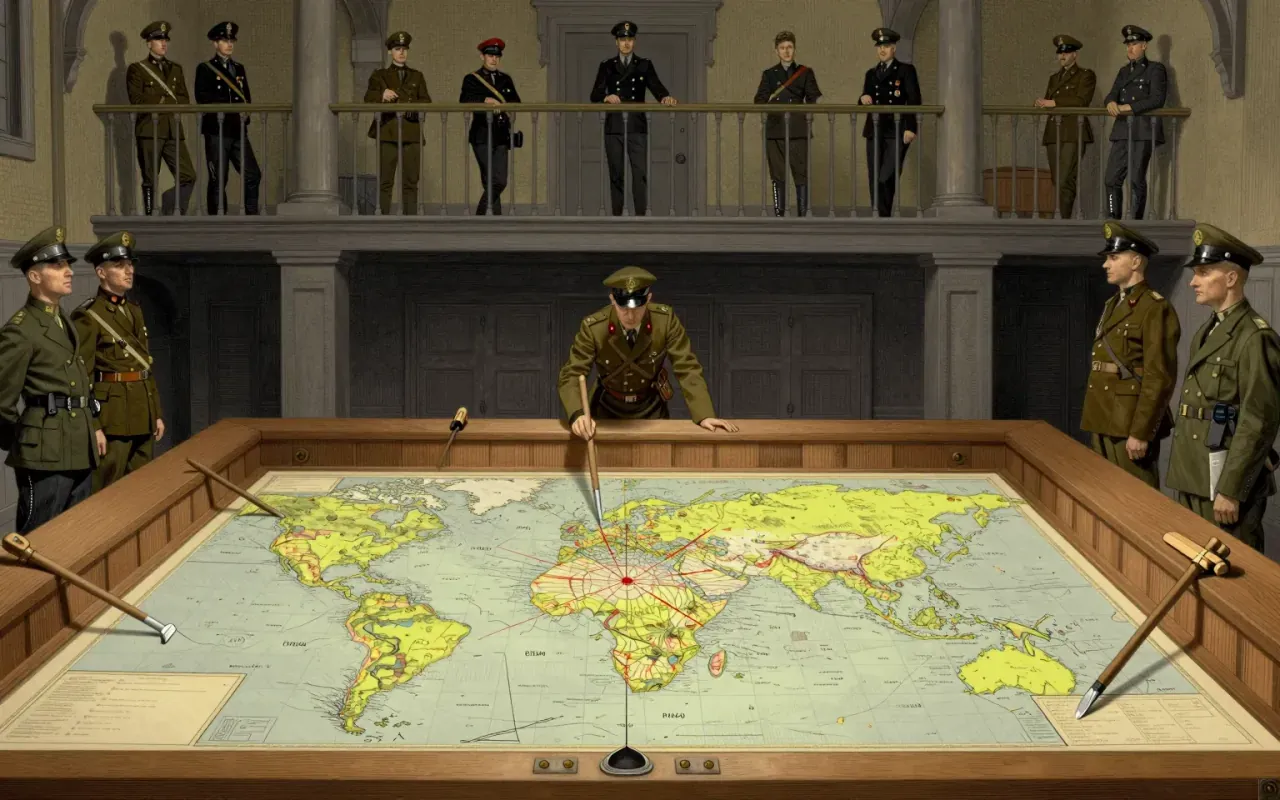
From July to October 1940 the Royal Air Force and Germany's Luftwaffe fought for control of the skies over southern Britain, a contest Hitler had made a precondition for any invasion. Britain's radar-linked defence system, built under Air Chief Marshal Hugh Dowding, let a numerically stretched Fighter Command meet each wave of attacks; Germany's shift in September to bombing cities came after it failed to destroy that defence outright. The invasion, Operation Sea Lion, was postponed and then abandoned. Dowding himself was removed from command within weeks of the victory, a decision historians still argue over.
13:00

Hindenburg disaster

6 May 1937

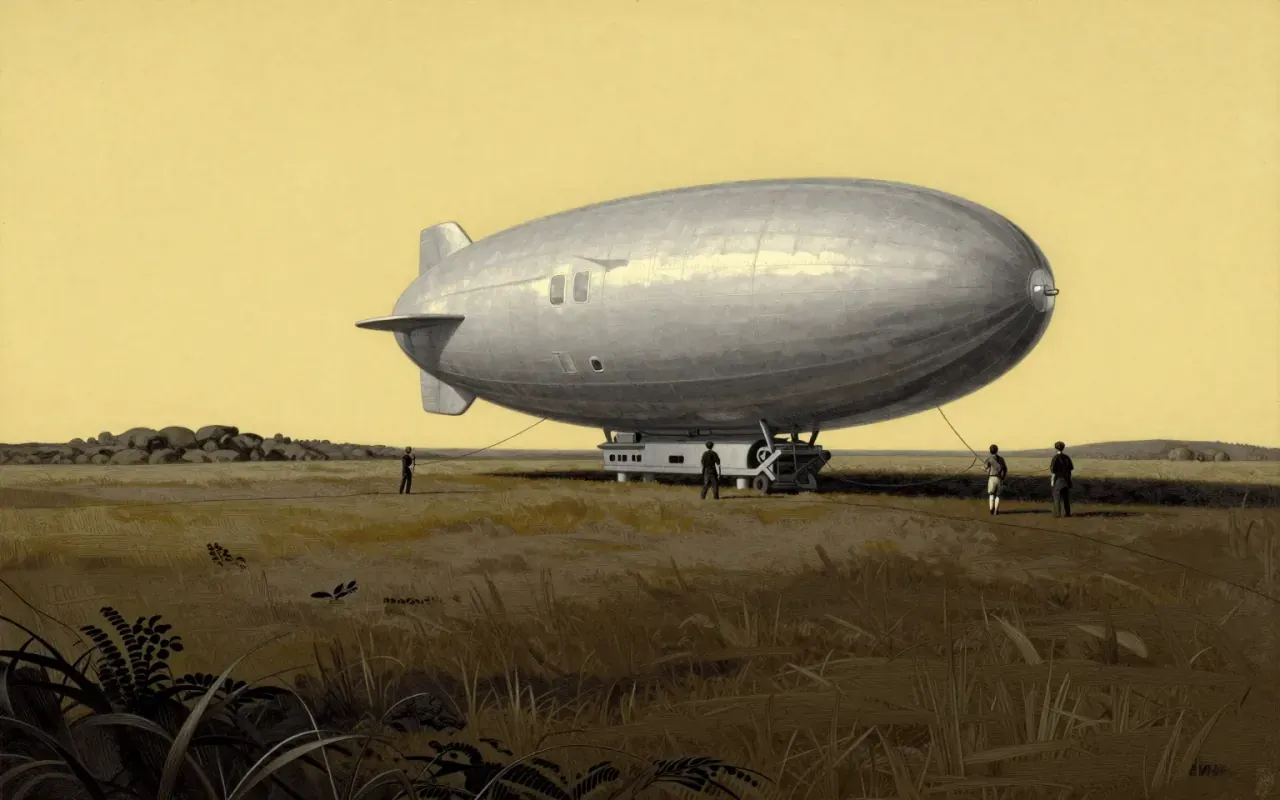
The German passenger airship Hindenburg caught fire while landing at Lakehurst, New Jersey, on 6 May 1937, killing 36 people in under a minute despite the Zeppelin Company's previously spotless safety record across 1.6 million kilometres of flight. German and American investigations reached different emphases on the ignition cause, static electricity remains the most widely accepted explanation, and the extensive newsreel and radio coverage of the disaster effectively ended commercial passenger airship travel within months.

13:00

Moon landing

20 July 1969

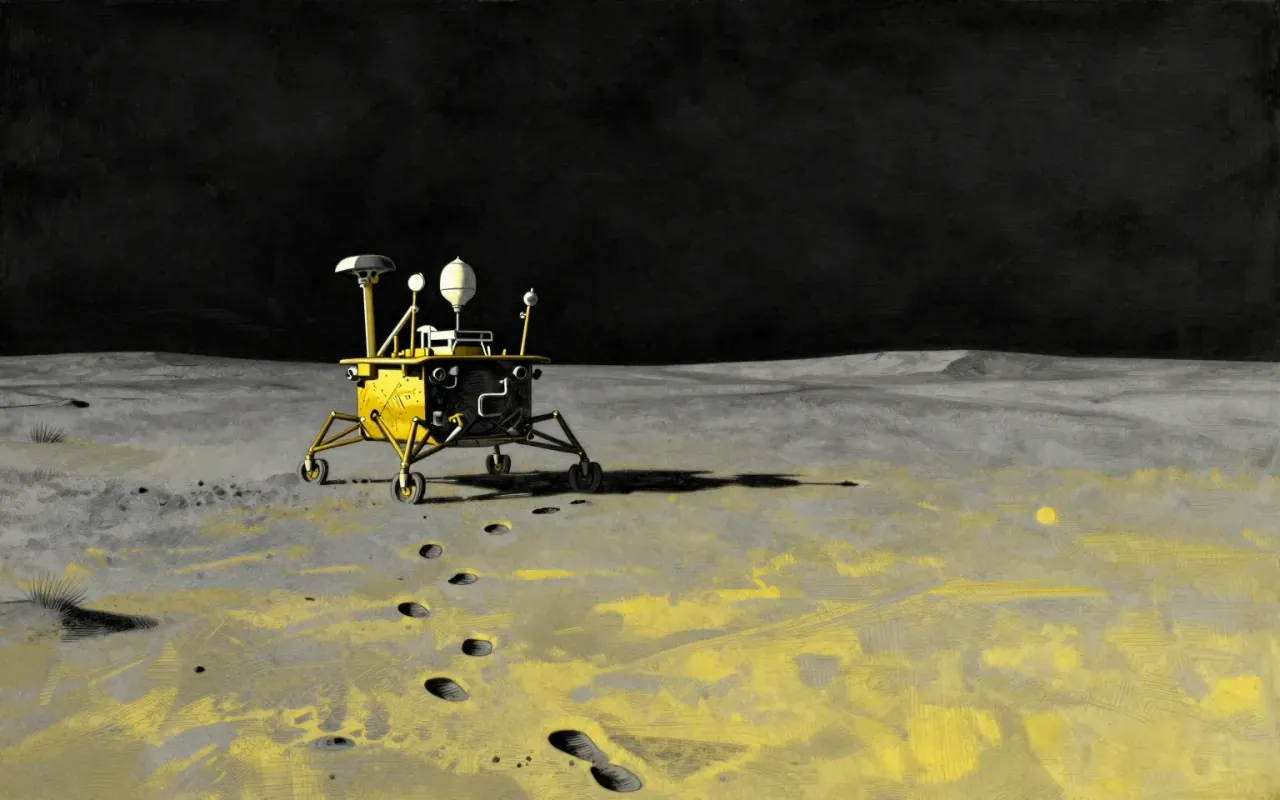
Apollo 11 landed on the Moon on 20 July 1969, with Neil Armstrong and Buzz Aldrin spending about two and a half hours outside the lunar module while Michael Collins orbited above in the command module. The landing itself required Armstrong to take manual control past a boulder field with only seconds of propellant remaining, and the mission was watched live by hundreds of millions of people, a scale of audience unmatched at the time.

13:00

Space Race

1957–1975

From the mid-1950s to the mid-1970s, the United States and the Soviet Union competed to demonstrate technological supremacy through spaceflight, a rivalry that produced Sputnik, Yuri Gagarin's orbital flight, and the Apollo moon landings. The Soviets pursued a strategy of dramatic firsts announced only after success, while the Americans broadcast their efforts publicly, including their failures, and the competition faded rather than concluded, ending in a joint mission rather than a declared victory.