historybriefs
Topic

Agriculture

The invention that made everything else possible, and civilisation's largest employer.

2
in history
11:16
average
23 min
in total
100
across the network
Agriculture across the network →
All briefs2
9:32

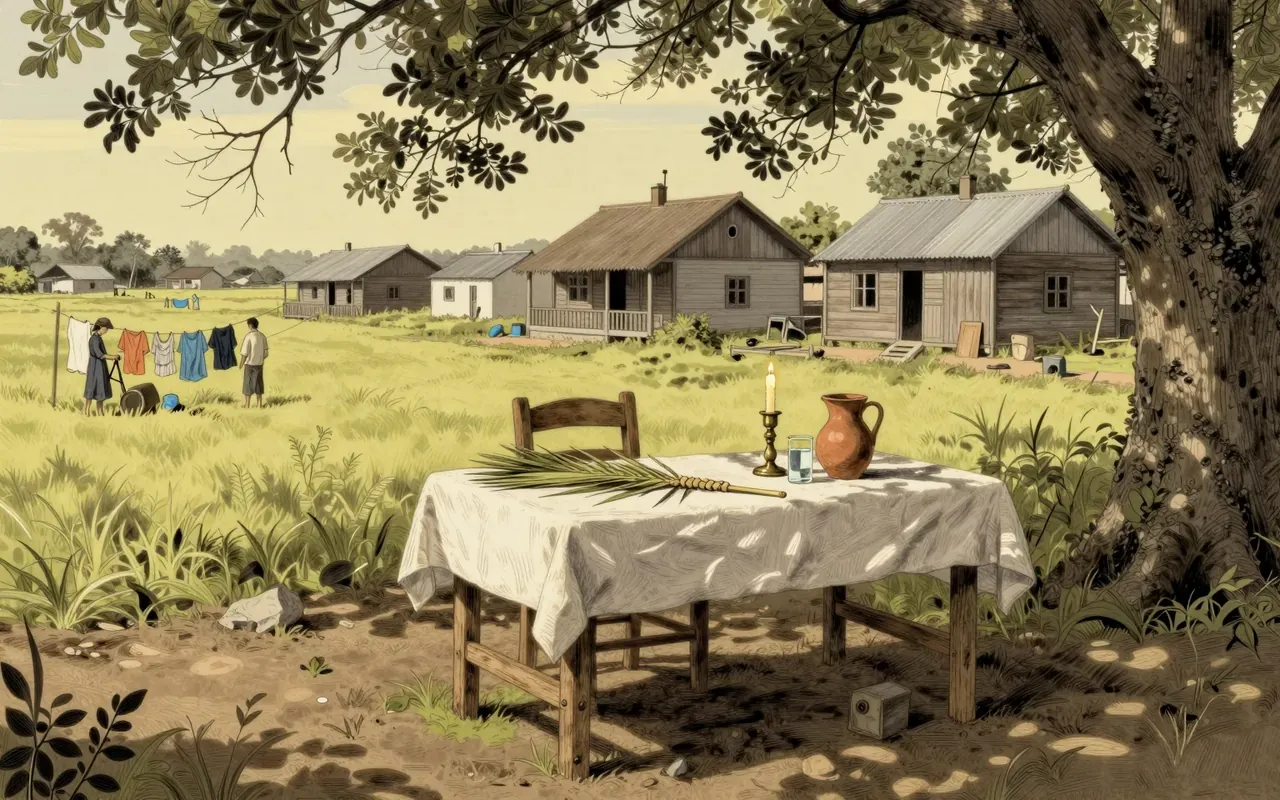
Cesar Chavez

1965–1970

Cesar Chavez co-founded the National Farm Workers Association in Delano, California in 1962. He launched an insurance scheme, credit union, and El Malcriado newspaper. He led the Delano grape strike from 1965 to 1970. His NFWA merged with Larry Itliong’s Agricultural Workers Organizing Committee in 1967 to form the United Farm Workers. He used nonviolent resistance — picketing, boycotting, public processions, Masses, and fasts — inspired by Gandhi and infused with Catholic symbolism. In the early 1970s, he opened UFW branches outside California.
13:00

Dust Bowl

1930–1936

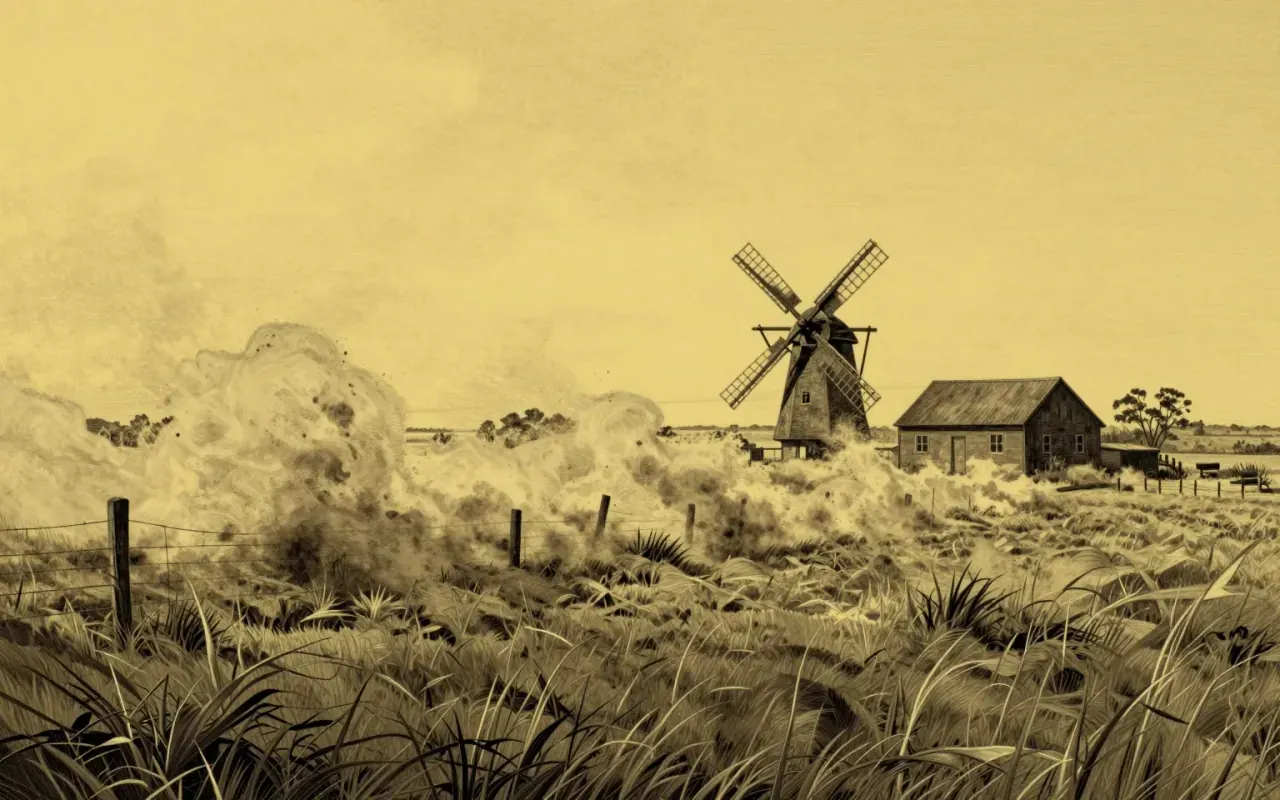
Severe drought combined with farming practices that had stripped the Great Plains of native grasses produced a decade of catastrophic dust storms through the 1930s, peaking with the storm known as Black Sunday in April 1935. Federal programmes under Franklin Roosevelt's New Deal introduced soil conservation measures that cut blowing soil by roughly two-thirds by 1938, but recent scholarship has challenged the popular image of a mass exodus, arguing migration out of the Plains rose only slightly compared with the previous decade.

More from history

All briefs →
11:36

Ancient Greece

Ancient Greece isn’t a place or a nation — it’s the first time history became a written argument about power.
12:27

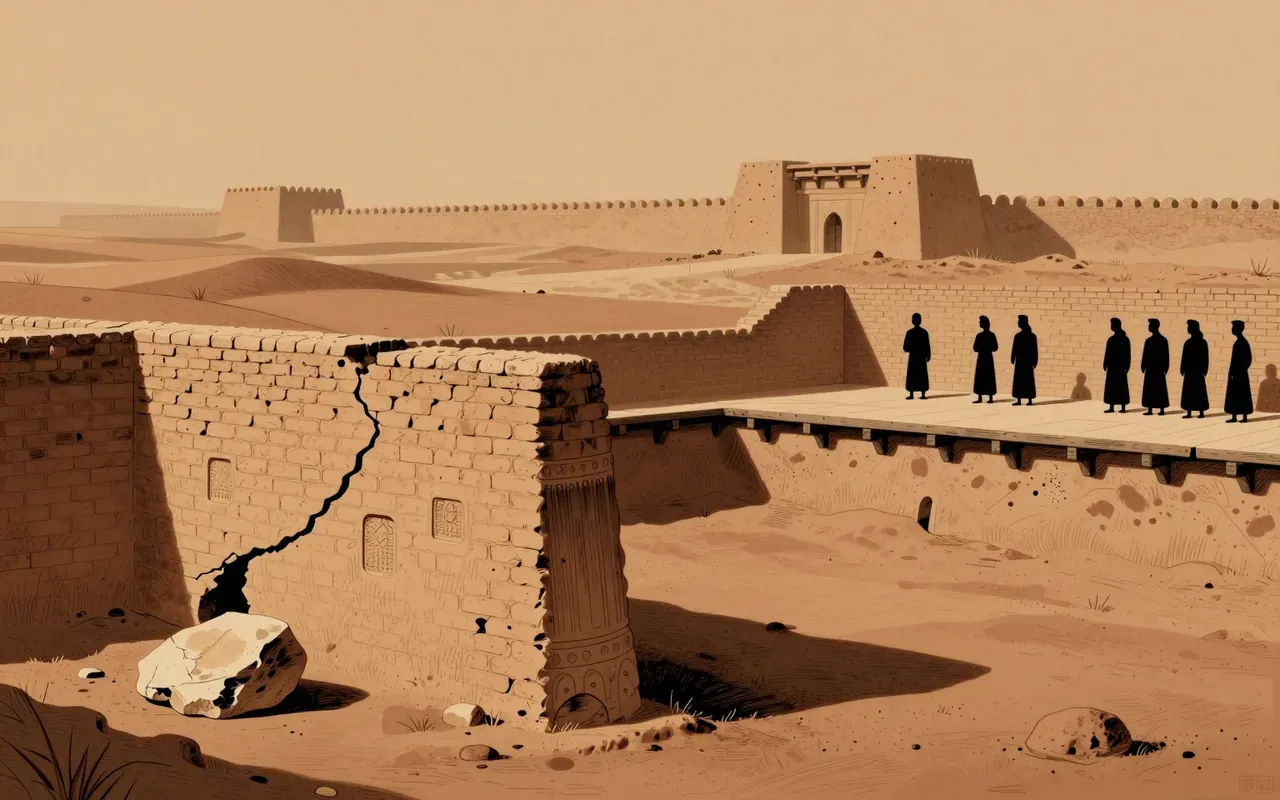
Samarkand

329 BC

Samarkand at -800 BC is archaeologically verifiable, institutionally attested, and geographically explicable — but its ‘founding’ remains a scholarly estimate, not a recorded event.

11:49

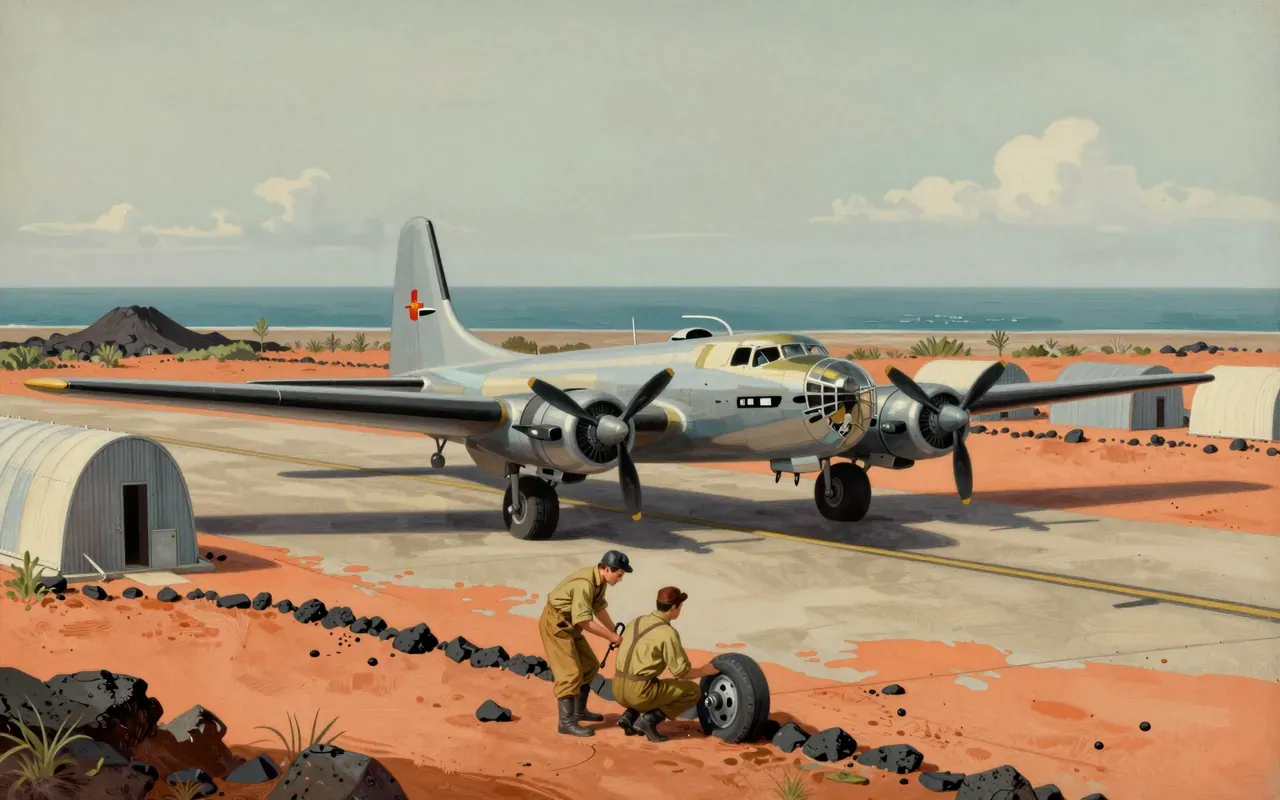
Atomic bombings of Hiroshima and Nagasaki

6 and 9 August 1945

The atomic bombings of Hiroshima and Nagasaki were deliberate, authorised, and executed military operations using newly developed nuclear weapons. Their scale, method, and human impact are well-documented in the source. Their causal relationship to Japan’s surrender is asserted only as ‘precipitation’—not proof of necessity or sufficiency. No claim about motives, alternatives, or internal Japanese decision-making appears in the material.

9:37

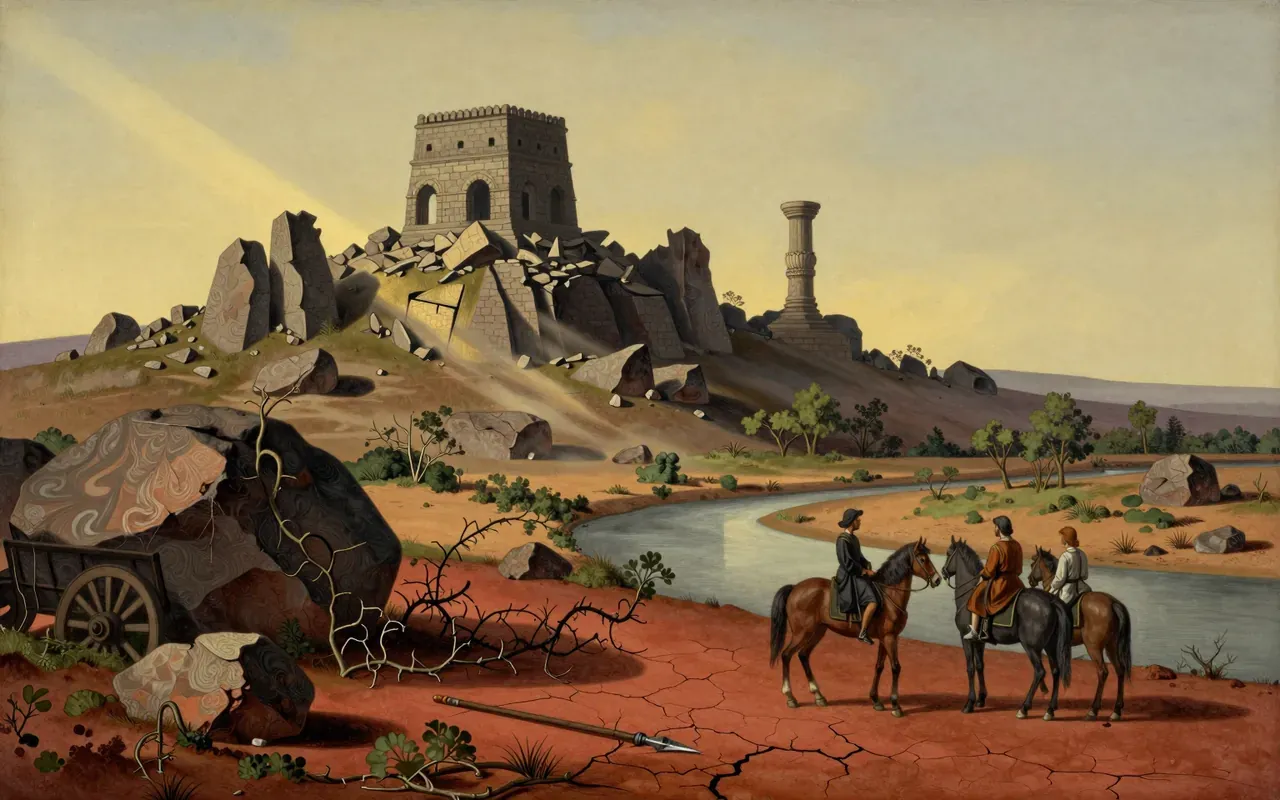
Battle of Talikota

23 January 1565

The Battle of Talikota was a decisive military defeat for Vijayanagara, caused by coalition warfare and military asymmetry — not civilizational conflict. Its legacy lies in how early-modern South Asian states negotiated power, not in mythic binaries.