Saved
Topic

Unions

Collective bargaining, and the century that turned on it.

1
in history
9:32
average
10 min
in total
8
across the network
Unions across the network →
All briefs1
9:32

Cesar Chavez

1965–1970

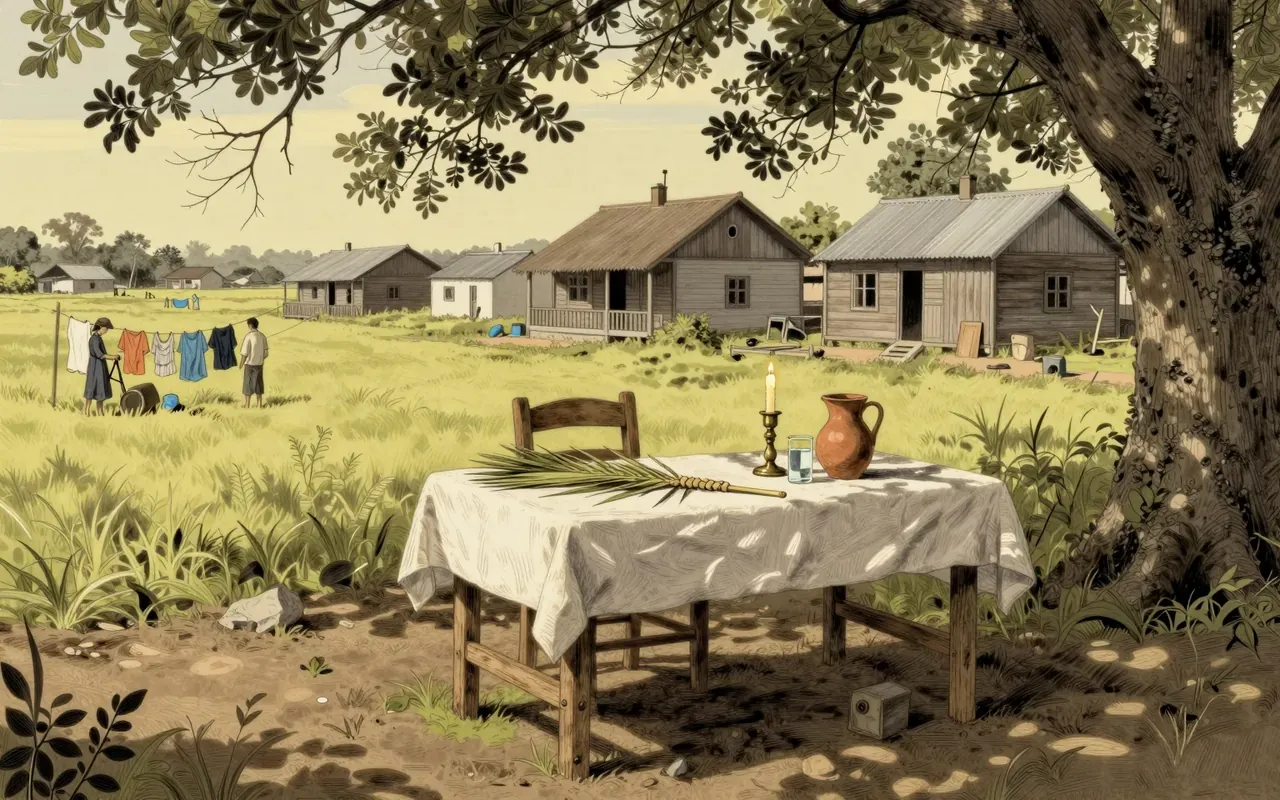
Cesar Chavez co-founded the National Farm Workers Association in Delano, California in 1962. He launched an insurance scheme, credit union, and El Malcriado newspaper. He led the Delano grape strike from 1965 to 1970. His NFWA merged with Larry Itliong’s Agricultural Workers Organizing Committee in 1967 to form the United Farm Workers. He used nonviolent resistance — picketing, boycotting, public processions, Masses, and fasts — inspired by Gandhi and infused with Catholic symbolism. In the early 1970s, he opened UFW branches outside California.

More from history

All briefs →
11:36

Ancient Greece

Ancient Greece isn’t a place or a nation — it’s the first time history became a written argument about power.
12:27

Samarkand

329 BC

Samarkand at -800 BC is archaeologically verifiable, institutionally attested, and geographically explicable — but its ‘founding’ remains a scholarly estimate, not a recorded event.

11:49

Atomic bombings of Hiroshima and Nagasaki

6 and 9 August 1945

The atomic bombings of Hiroshima and Nagasaki were deliberate, authorised, and executed military operations using newly developed nuclear weapons. Their scale, method, and human impact are well-documented in the source. Their causal relationship to Japan’s surrender is asserted only as ‘precipitation’—not proof of necessity or sufficiency. No claim about motives, alternatives, or internal Japanese decision-making appears in the material.

9:37

Battle of Talikota

23 January 1565

The Battle of Talikota was a decisive military defeat for Vijayanagara, caused by coalition warfare and military asymmetry — not civilizational conflict. Its legacy lies in how early-modern South Asian states negotiated power, not in mythic binaries.