historybriefs
Topic

South Africa

A country that dismantled its own founding logic and is still doing the arithmetic.

8
in history
12:37
average
101 min
in total
19
across the network
South Africa across the network →
All briefs8
9:57

Negotiations to end apartheid in South Africa

1990–1993

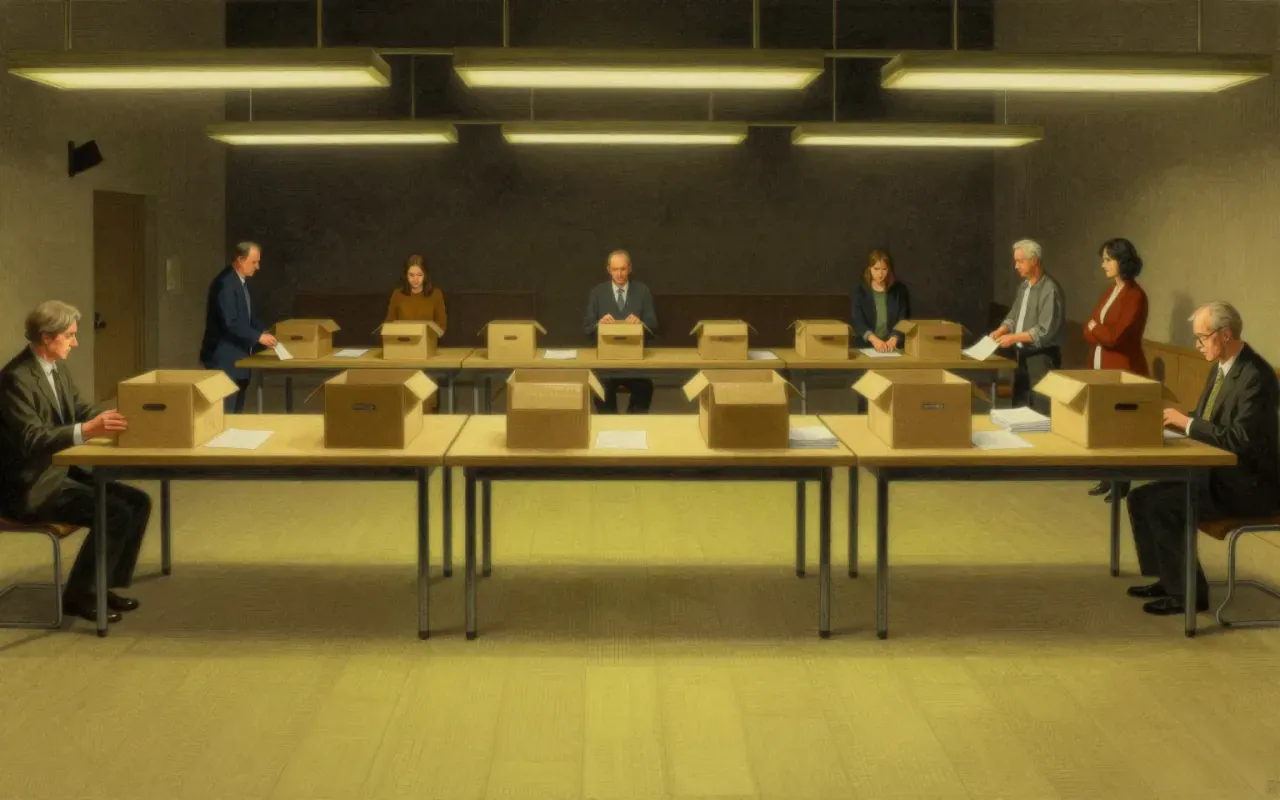
The negotiations to end apartheid were a deliberate, documented, stage-gated process — not a spontaneous uprising or a top-down decree. They succeeded because both sides accepted that negotiation was the only remaining option. But the record does not confirm who forced whom to the table, or why violence recurred when talks paused.
13:00

F. W. de Klerk

1936–2021

F.W. de Klerk rose through South Africa's National Party before becoming state president in 1989 and, within months, legalising the ANC and releasing Nelson Mandela, steering negotiations that ended apartheid and led to the 1994 elections. He shared the Nobel Peace Prize with Mandela in 1993, but the Truth and Reconciliation Commission later found his denials of authorising security force violence indefensible, and a 2020 claim minimising apartheid's harms forced a retraction from his own foundation before his death the following year.

13:00

Nelson Mandela

1918–2013

Nelson Mandela moved from law student and African National Congress organiser to leader of an armed resistance wing, then spent twenty-seven years in prison after the 1964 Rivonia Trial before his 1990 release and his election as South Africa's first Black president in 1994. His single term prioritised reconciliation over retribution, most visibly through the Truth and Reconciliation Commission, and he declined a second term, an unusual choice among leaders who had spent decades fighting for power.

13:00

Shaka

1787–1828

Shaka rose from illegitimate birth to Zulu kingship in 1816, building a disciplined, centrally controlled military force that expanded his kingdom rapidly before his assassination by half-brothers in 1828. His reputation for extreme brutality descends largely from two European traders at his court, one of whom is documented urging the other to exaggerate his savagery for a more compelling book and a personal land claim. Historians remain divided between revisionists who see later colonial and apartheid-era exaggeration and traditionalists who credit genuine documented military innovation, leaving Shaka's actual character considerably harder to pin down than either extreme allows.

13:00

Second Boer War

1899–1902

Gold discovered at the Witwatersrand in 1884 turned tension between Britain and the Boer republics into open war by October 1899, a conflict that moved from conventional battles the Boers initially won, through a British counteroffensive that captured both capitals, into more than a year of guerrilla warfare Britain answered with scorched-earth tactics and concentration camps. Those camps killed over twenty-six thousand Boer civilians and an uncertain but substantial number of Black African internees, a death toll historians still argue was either deliberate policy or catastrophic administrative failure.

13:00

1994 South African general election

26 April – 29 April 1994

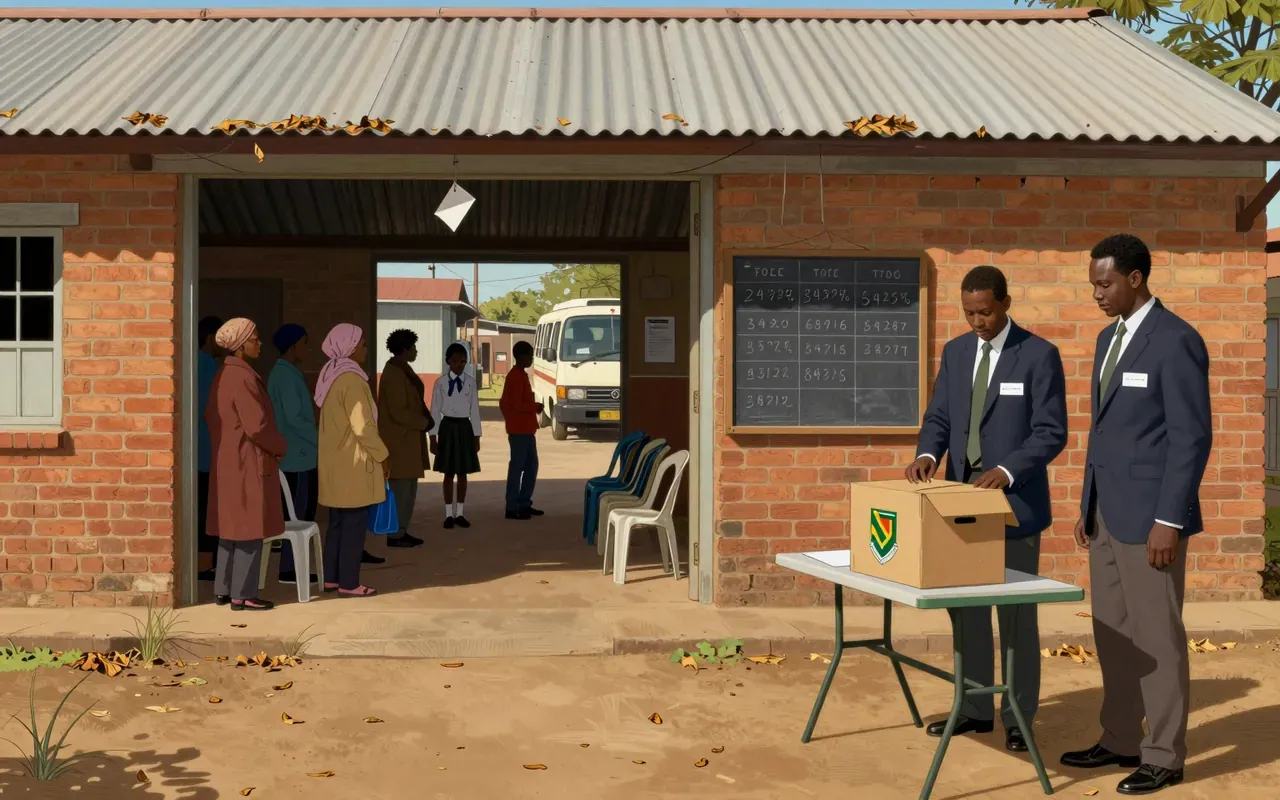
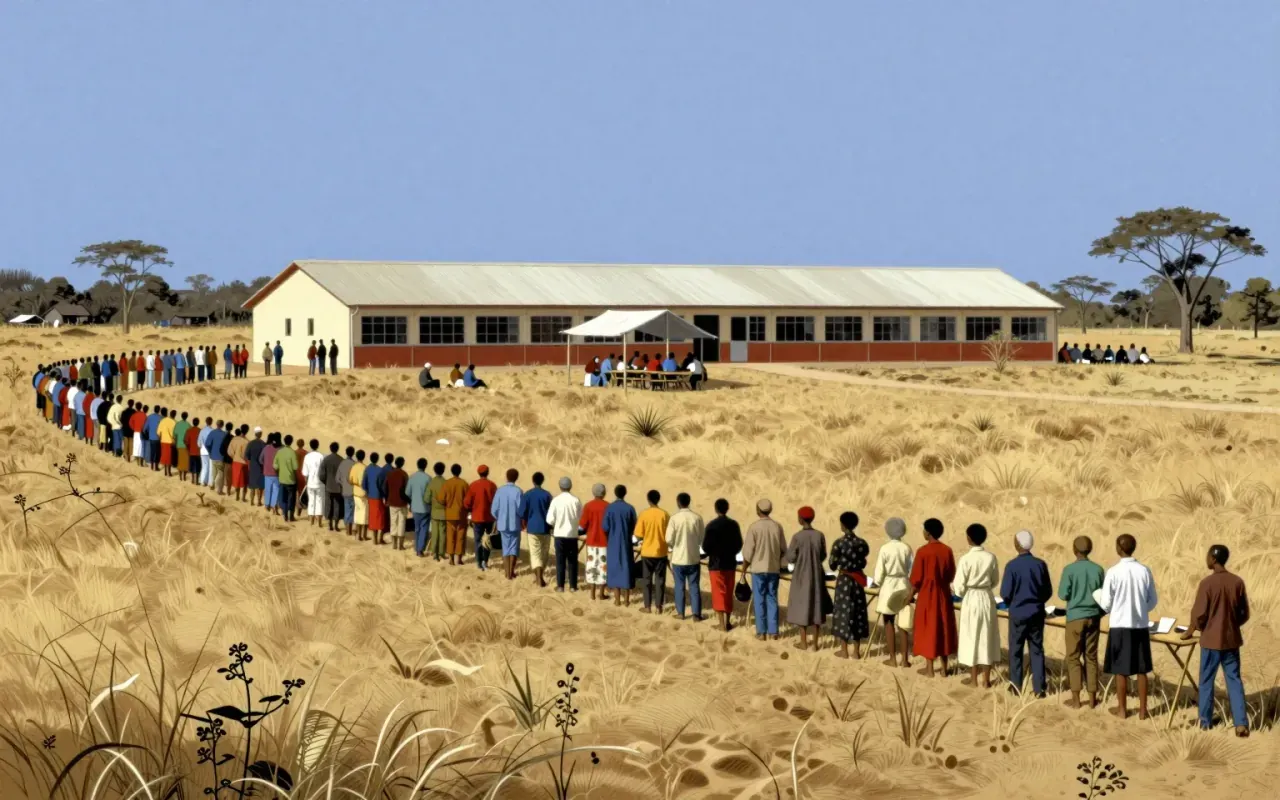
Between 26 and 29 April 1994, South Africans of every race voted together for the first time, and the African National Congress won just under 63 percent, enough to make Nelson Mandela president without the two-thirds majority that would have let his party govern alone. The vote followed four years of negotiation, boycotts and mass violence since Mandela's release in 1990, and it produced a compromise government sharing power with the outgoing National Party and the Inkatha Freedom Party.

13:00

Rhodesian Bush War

1964–1979

Ian Smith's white minority government fought a fifteen-year war against ZANU and ZAPU guerrilla movements after unilaterally declaring independence from Britain in 1965 rather than accept demands for majority rule, a conflict that killed roughly 20,000 people. Neither side achieved outright military victory; the war ended instead through the negotiated Lancaster House Agreement of December 1979, leading to internationally supervised elections and the birth of Zimbabwe under Robert Mugabe in 1980.

13:00

Anglo-Zulu War

11 January – 4 July 1879

The Anglo-Zulu War began in January 1879 after high commissioner Henry Bartle Frere issued King Cetshwayo deliberately unacceptable demands. A stunning Zulu victory at Isandlwana briefly shattered assumptions of colonial invincibility, but British forces regrouped to win decisively at Kambula and Ulundi, capturing Cetshwayo and dividing his kingdom into thirteen rival chiefdoms. Surviving correspondence between Frere and London shows the ultimatum was engineered to provoke war rather than respond to genuine threat, while contemporary dissent from figures like Bishop Colenso documents real opposition within the colonial establishment itself.