historybriefs
Topic

Socialism

Common ownership, and two centuries of disagreement about how much.

4
in history
12:07
average
48 min
in total
9
across the network
Socialism across the network →
All briefs4
9:26

Pol Pot

1925–1998

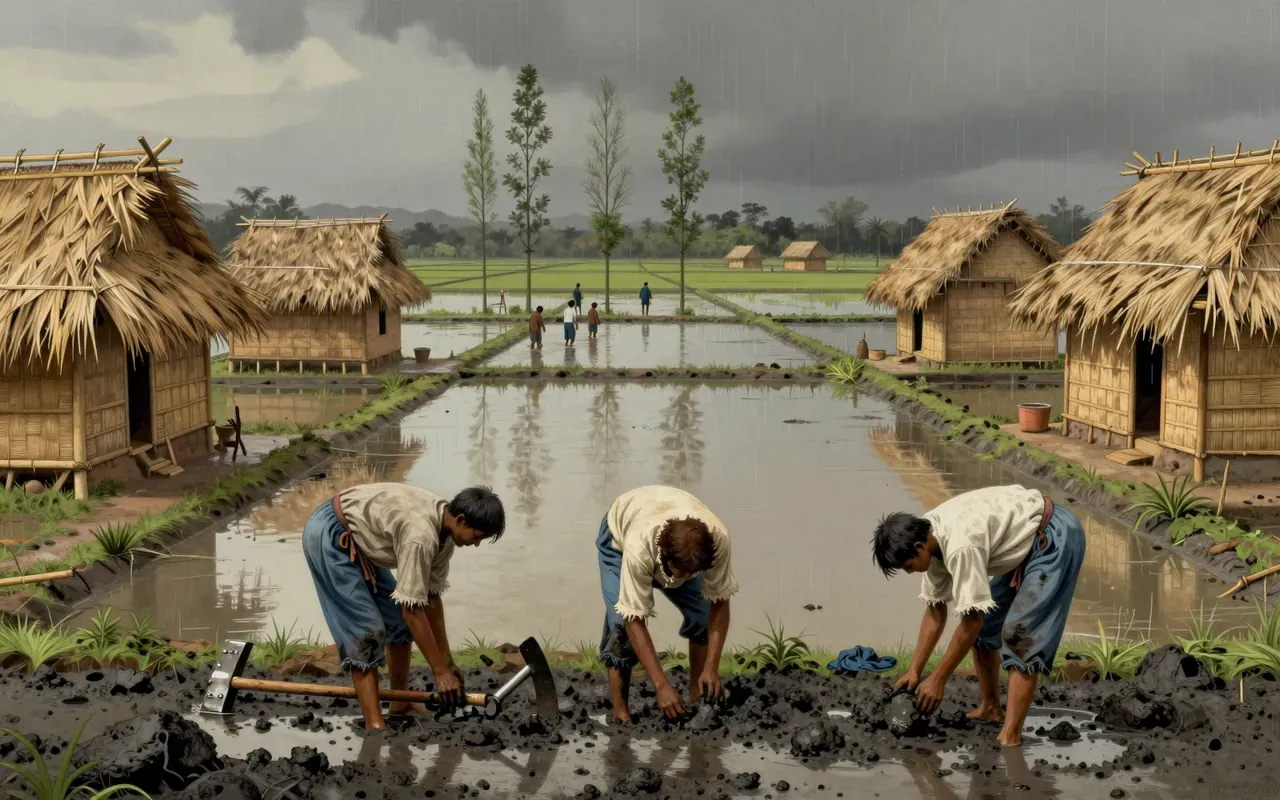
Pol Pot’s rule was a deliberate, ideologically driven dismantling of Cambodian society — not a chaotic collapse. Its end came via foreign invasion, not internal reform. The scale and method of killing remain documented, but the motives behind key decisions do not.

13:00

Rosa Luxemburg

1871–1919

A Polish-German Marxist theorist and one of the first women to earn a doctorate in political economy, Rosa Luxemburg spent her career arguing for revolutionary spontaneity against both reformist socialism and Bolshevik authoritarianism, before co-founding the German Communist Party during the 1918-1919 revolution. Captured after the Spartacist uprising's defeat, she was beaten and shot by Freikorps paramilitaries on 15 January 1919, and how much official sanction lay behind her killing remains unresolved.

13:00

Communist International

1919–1943

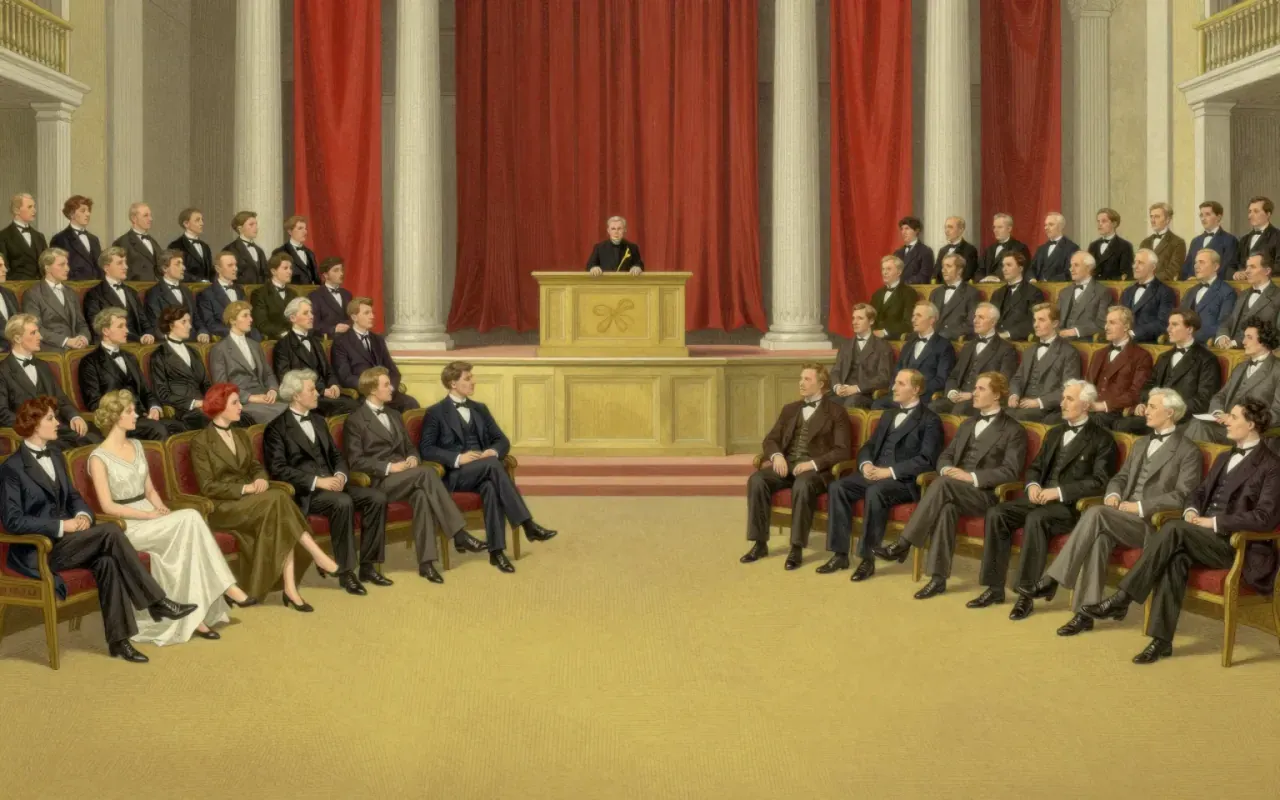
Lenin founded the Communist International in Moscow in March 1919 to coordinate a world communist movement around Bolshevik leadership, binding member parties to twenty-one strict conditions adopted the following year. Under Stalin the organisation was steadily subordinated to Soviet state interests, first through a sectarian policy in the late 1920s and early 1930s that branded social democrats as fascists, then through a reversal into broad anti-fascist popular fronts after 1934, even as many of its own foreign officials were swept up and executed in the Great Purge. Stalin dissolved the Comintern in 1943 as a wartime gesture to his Western allies.

13:00

Russian Revolution

1917

The Russian Revolution unfolded in two stages during 1917: the February Revolution, which forced Tsar Nicholas II's abdication amid wartime economic collapse and military failure, and the October Revolution, in which Vladimir Lenin's Bolsheviks overthrew the resulting Provisional Government. A civil war between Bolshevik Red forces and a loose anti-Bolshevik White coalition followed from 1918 to 1922, ending in Bolshevik victory and the formation of the Soviet Union, while Russia's withdrawal from the First World War via the 1918 Treaty of Brest-Litovsk and the loss of Poland, Finland and the Baltic states reshaped the region's map.