historybriefs
Topic

Memory

What is kept, what is edited, and what is agreed to be forgotten.

2
in history
13:00
average
26 min
in total
82
across the network
Memory across the network →
All briefs2
13:00

Lord Byron

1788–1824

Lord Byron became famous overnight with the first cantos of Childe Harold's Pilgrimage, then scandal over his marriage and rumoured relationship with his half-sister drove him from England for good in 1816. He spent his final months and most of his remaining fortune backing the Greek war of independence, dying of fever at Missolonghi in 1824 without seeing a Greek victory his death nonetheless helped bring closer.
13:00

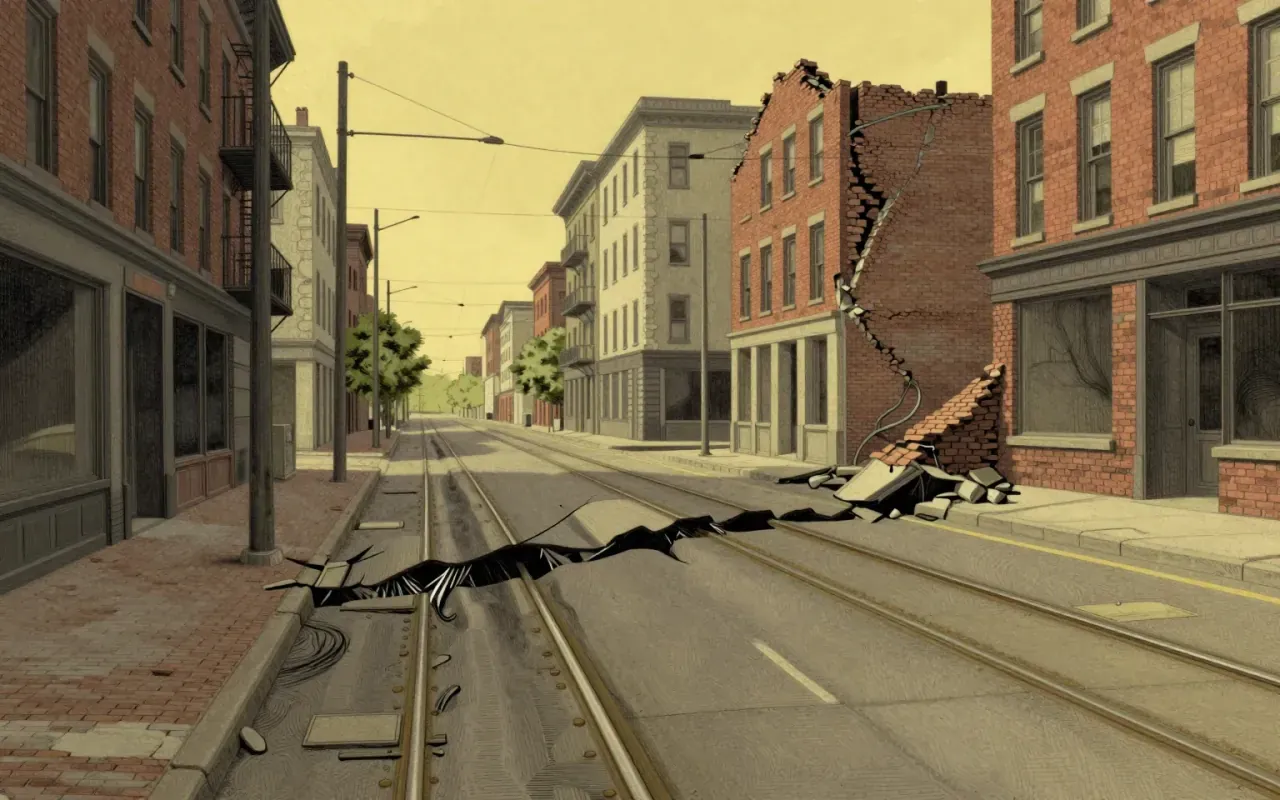
1906 San Francisco earthquake

18 April 1906

The earthquake that struck San Francisco at 5:12 on the morning of 18 April 1906 registered somewhere between magnitude 7.7 and 8.3 and ruptured close to three hundred miles of the San Andreas Fault, but most of the city's destruction came not from the shaking itself, which is estimated to account for as little as five to twenty percent of the damage, but from the fires that followed and destroyed some twenty-five thousand buildings. Early death tolls of a few hundred left out most of the dead in Chinatown, and San Francisco's Board of Supervisors did not formally acknowledge a toll above three thousand until 2005. The disaster also drove the geologist Andrew Lawson's foundational research connecting the earthquake directly to the fault he had already identified in 1895.

More from history

All briefs →
11:36

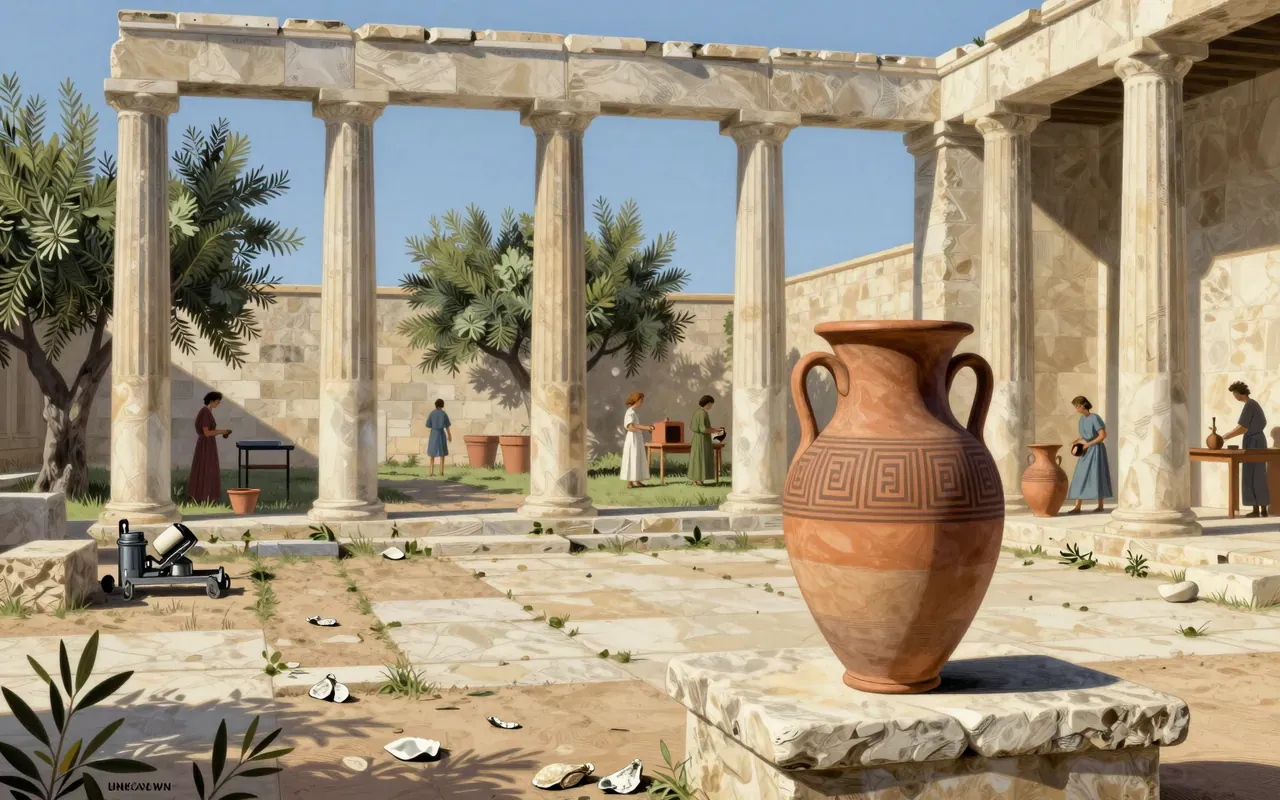
Ancient Greece

Ancient Greece isn’t a place or a nation — it’s the first time history became a written argument about power.
12:27

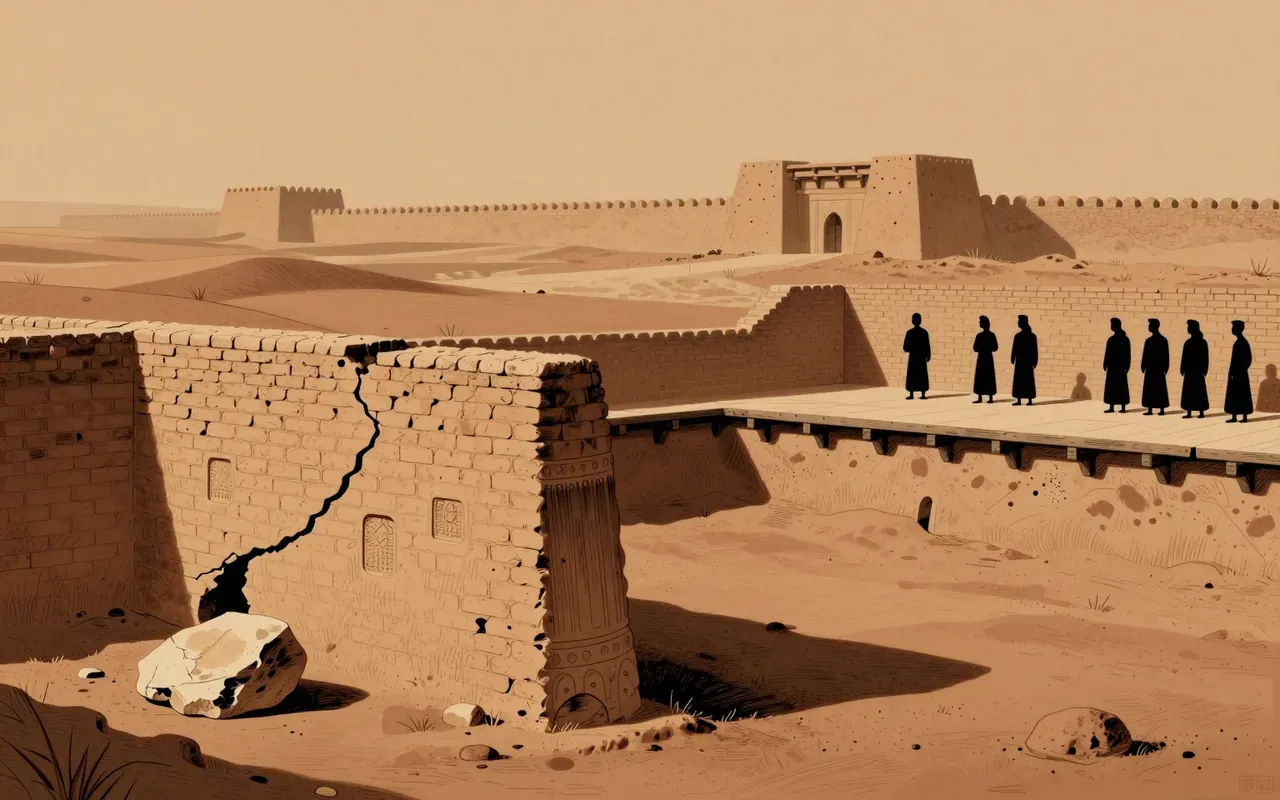
Samarkand

329 BC

Samarkand at -800 BC is archaeologically verifiable, institutionally attested, and geographically explicable — but its ‘founding’ remains a scholarly estimate, not a recorded event.

11:49

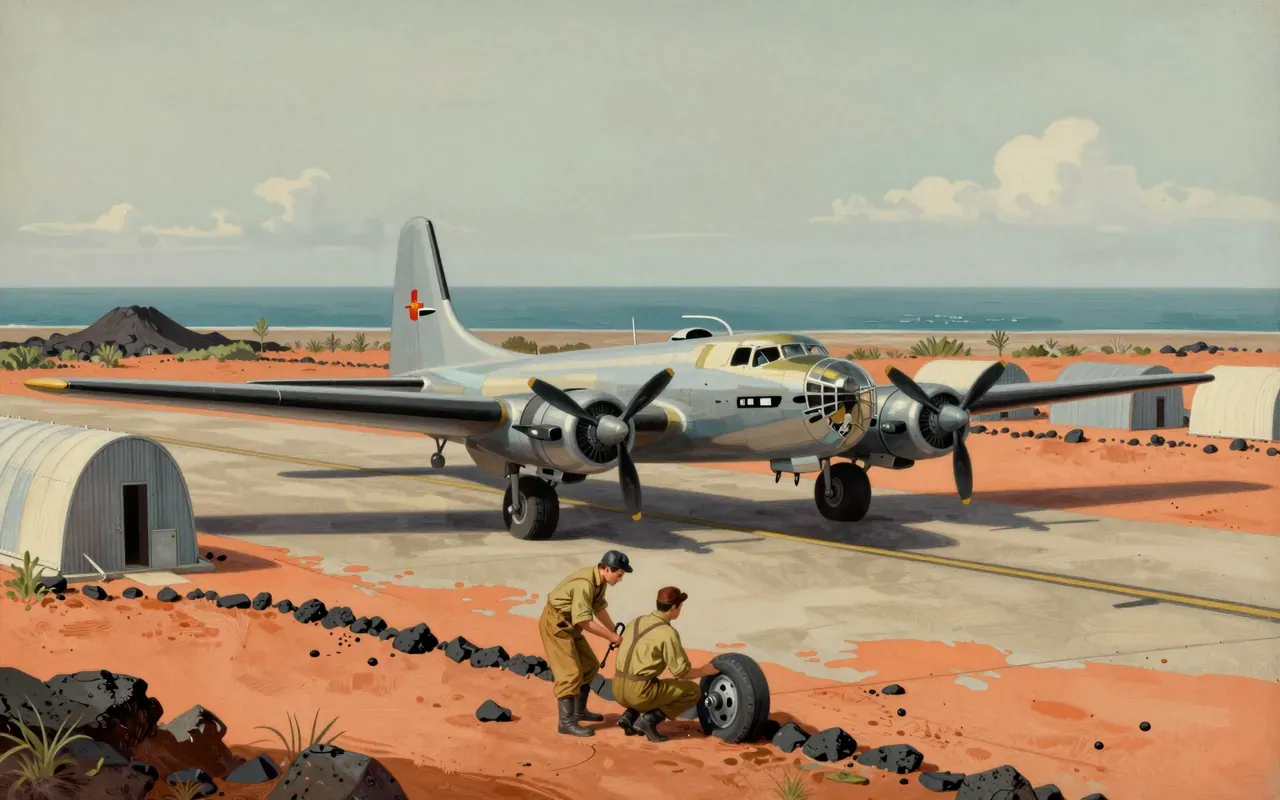
Atomic bombings of Hiroshima and Nagasaki

6 and 9 August 1945

The atomic bombings of Hiroshima and Nagasaki were deliberate, authorised, and executed military operations using newly developed nuclear weapons. Their scale, method, and human impact are well-documented in the source. Their causal relationship to Japan’s surrender is asserted only as ‘precipitation’—not proof of necessity or sufficiency. No claim about motives, alternatives, or internal Japanese decision-making appears in the material.

9:37

Battle of Talikota

23 January 1565

The Battle of Talikota was a decisive military defeat for Vijayanagara, caused by coalition warfare and military asymmetry — not civilizational conflict. Its legacy lies in how early-modern South Asian states negotiated power, not in mythic binaries.