historybriefs
Topic

Korea

A peninsula that turned a century of occupation and war into a cultural export machine.

3
in history
13:00
average
39 min
in total
41
across the network
Korea across the network →
All briefs3
13:00

Korean War

1950–1953

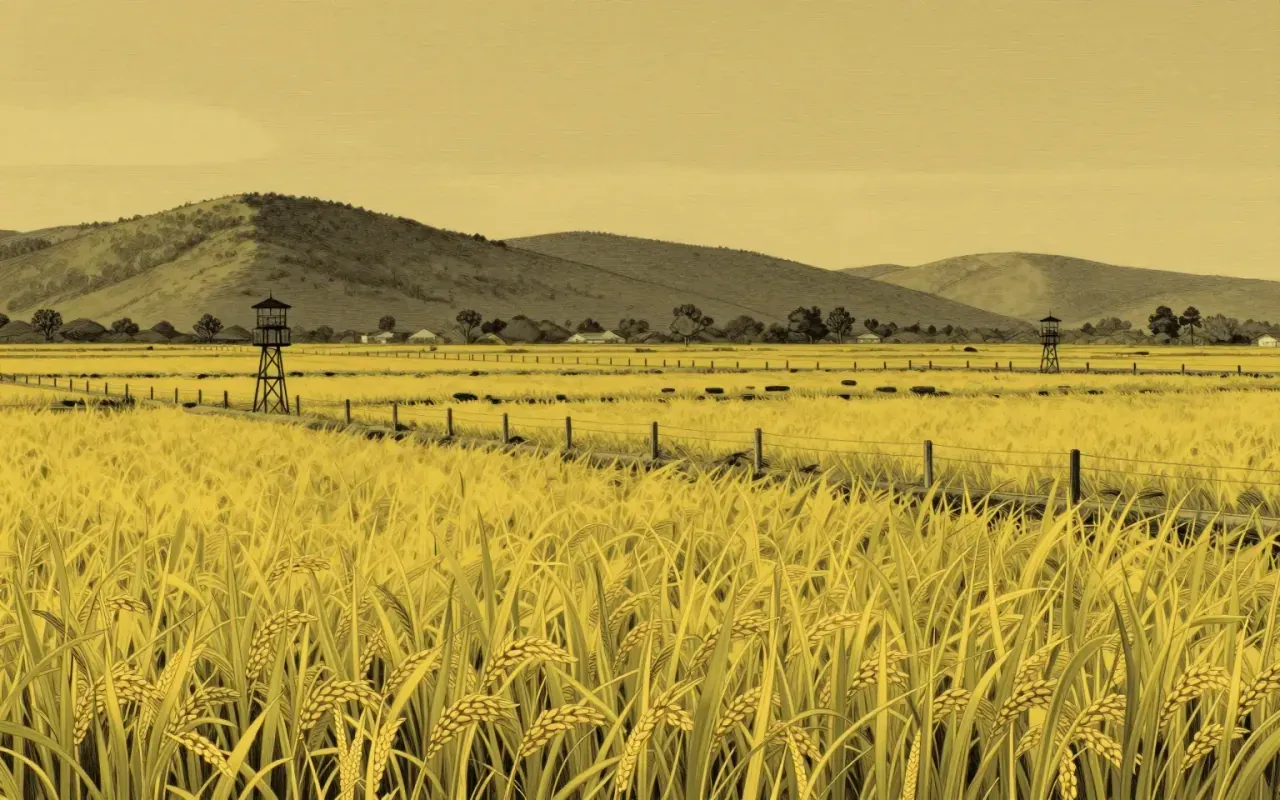
The Korean War ran from June 1950 to July 1953, pitting North Korea, backed by China and the Soviet Union, against South Korea and a United Nations force led by the United States. It followed directly from the hurried 1945 division of Korea at the 38th parallel, produced casualty estimates that historians still give only as wide ranges, and ended in an armistice rather than a settlement, leaving the peninsula formally still at war.
13:00

Division of Korea

August 1945

Korea was split at the 38th parallel in August 1945 after two young American officers, working overnight with a commercial atlas rather than any deep regional expertise, proposed the line to ensure Seoul fell under American rather than Soviet control. Separate governments under Kim Il Sung and Syngman Rhee formed by 1948, both claiming the whole peninsula, and the resulting Korean War of 1950 to 1953 killed well over a million civilians before ending in an armistice that left the country divided along almost the same line, without a peace treaty ever being signed.

13:00

First Sino-Japanese War

1894–1895

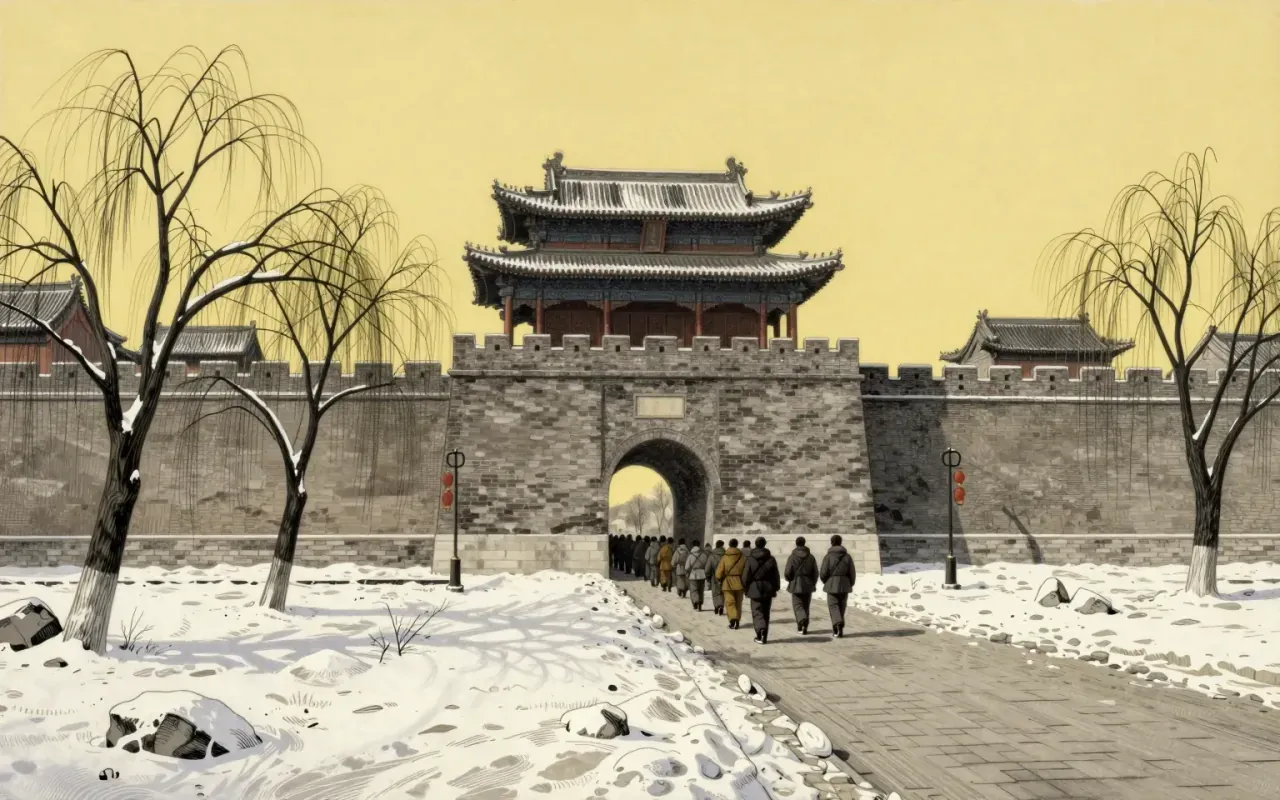
War broke out between Qing China and Meiji Japan in August 1894 over rival influence in Korea. Japan's modernised military won a rapid succession of victories on land and sea, and the 1895 Treaty of Shimonoseki forced China to recognise Korean independence, cede Taiwan, and pay a large indemnity. The defeat exposed the limits of China's partial reforms and fed directly into the revolutionary politics that would end the Qing dynasty, while Japan emerged as the region's dominant power.

More from history

All briefs →
11:36

Ancient Greece

Ancient Greece isn’t a place or a nation — it’s the first time history became a written argument about power.
12:27

Samarkand

329 BC

Samarkand at -800 BC is archaeologically verifiable, institutionally attested, and geographically explicable — but its ‘founding’ remains a scholarly estimate, not a recorded event.

11:49

Atomic bombings of Hiroshima and Nagasaki

6 and 9 August 1945

The atomic bombings of Hiroshima and Nagasaki were deliberate, authorised, and executed military operations using newly developed nuclear weapons. Their scale, method, and human impact are well-documented in the source. Their causal relationship to Japan’s surrender is asserted only as ‘precipitation’—not proof of necessity or sufficiency. No claim about motives, alternatives, or internal Japanese decision-making appears in the material.

9:37

Battle of Talikota

23 January 1565

The Battle of Talikota was a decisive military defeat for Vijayanagara, caused by coalition warfare and military asymmetry — not civilizational conflict. Its legacy lies in how early-modern South Asian states negotiated power, not in mythic binaries.